You can feel it the moment a new Newton single-family hits your feed. The best homes move quickly, and the details that matter are not always on the listing sheet. If you want to buy with confidence, you need a clear read on inventory, price bands, village differences, and the offer terms that win. This guide breaks down what to watch and how to act so you can land the right home at the right price. Let’s dive in.
Newton market snapshot
Newton is a mature suburb with established villages and limited land for new homes. That scarcity, combined with strong demand for public schools and commute access, keeps competition steady. Seasonality matters. Spring usually brings more listings and more buyers, while winter tends to be slower with fewer options.
Mortgage rates also shape the pace. When rates dip, more buyers re-enter, and you may see faster sales and stronger offers. When rates rise, activity can cool, and you gain room to negotiate. Renovated or move-in-ready homes typically draw the most attention, while fixer-uppers and teardown candidates appeal to a smaller, specialized group.
Inventory and timing
Inventory is the lever that changes your strategy. Track these basics weekly with your agent:
- Active single-family listings and new listings per month
- Months Supply of Inventory, or MSI (inventory divided by average monthly sales)
- Median Days on Market, or DOM
As a rule of thumb, MSI below 3 points to a seller’s market. That often means short DOM, multiple offers, and sale-to-list ratios at or above 100 percent. MSI around 3 to 6 is more balanced, with room for standard contingencies and timing asks. Above 6 favors buyers, with longer DOM and more negotiation power.
Price bands to watch
Not all Newton homes compete the same way. Your experience changes by price band.
Entry band
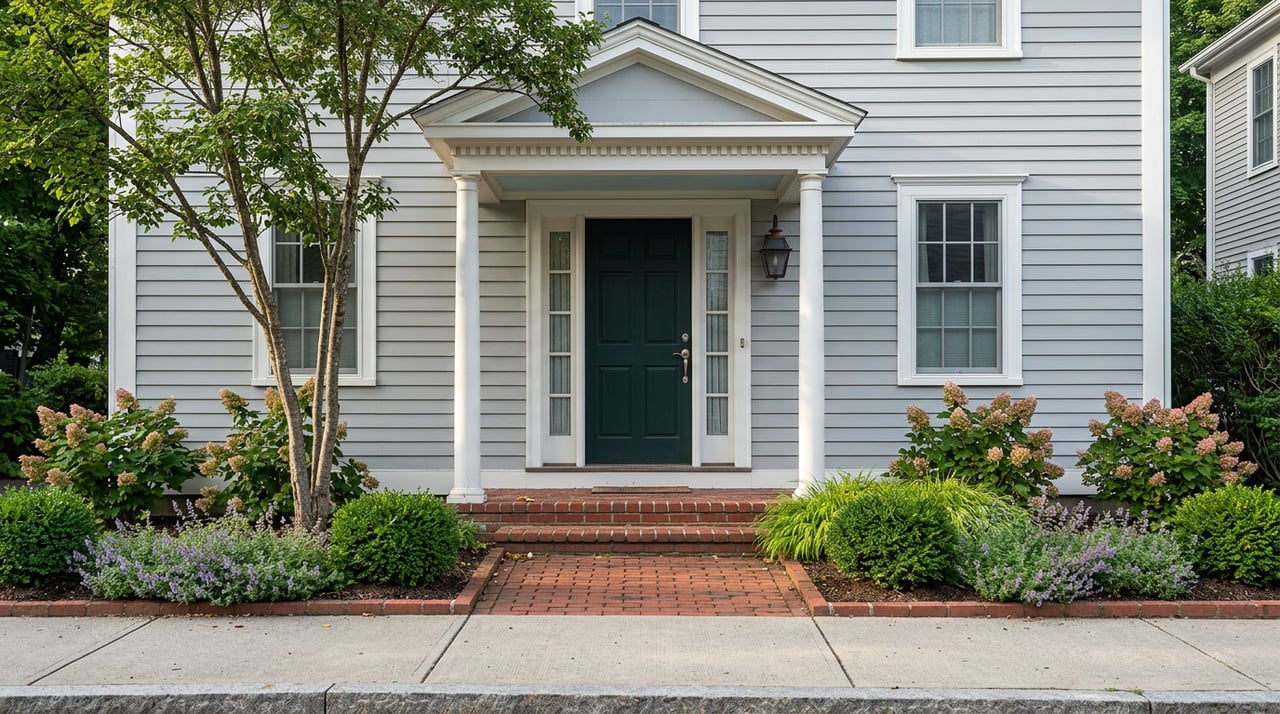
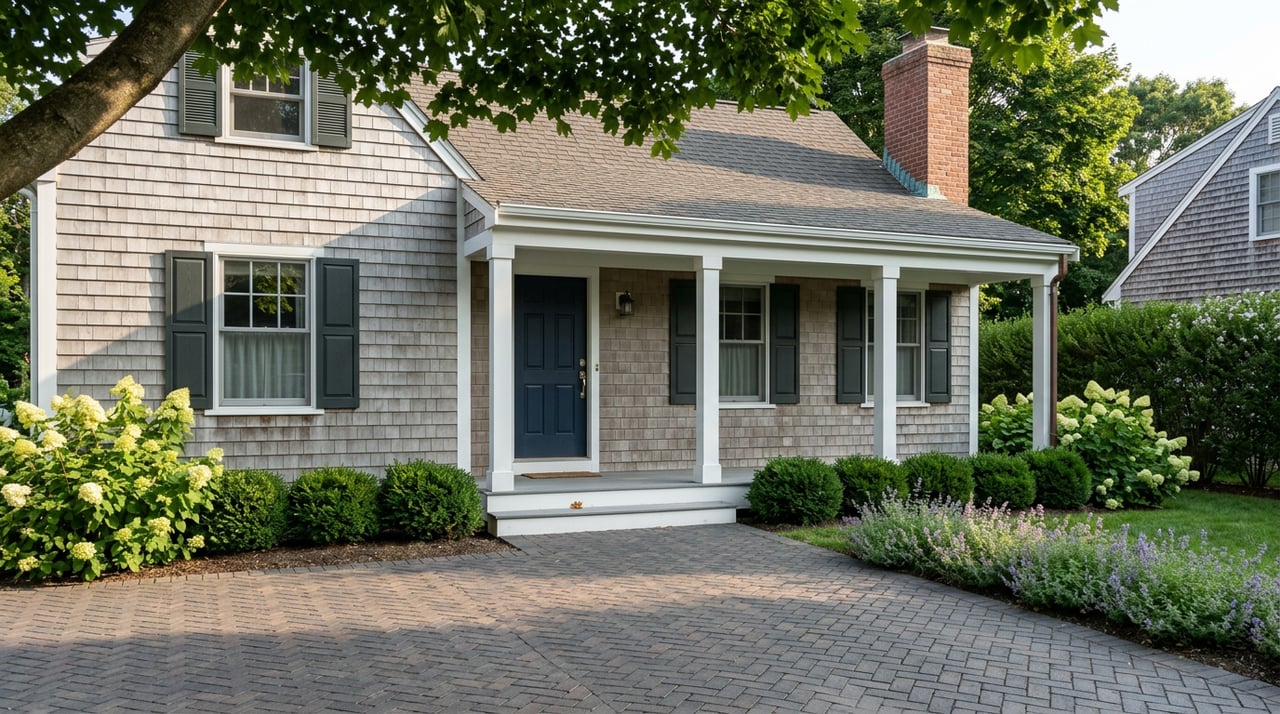
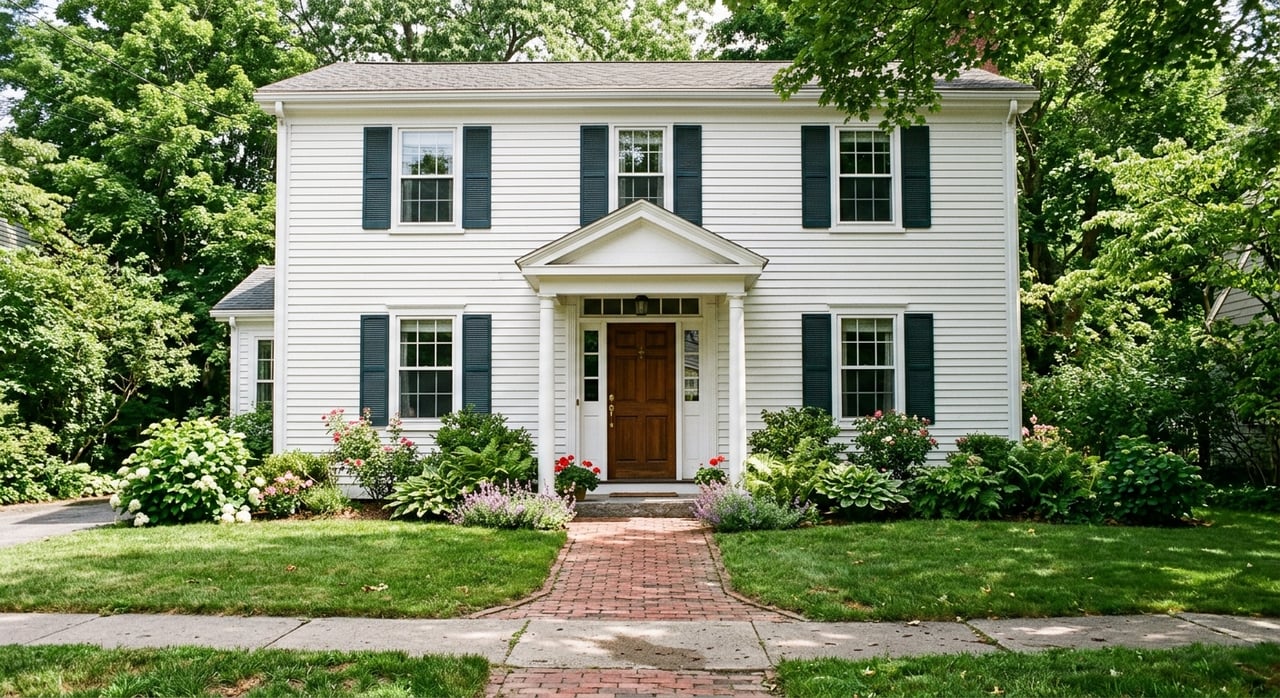
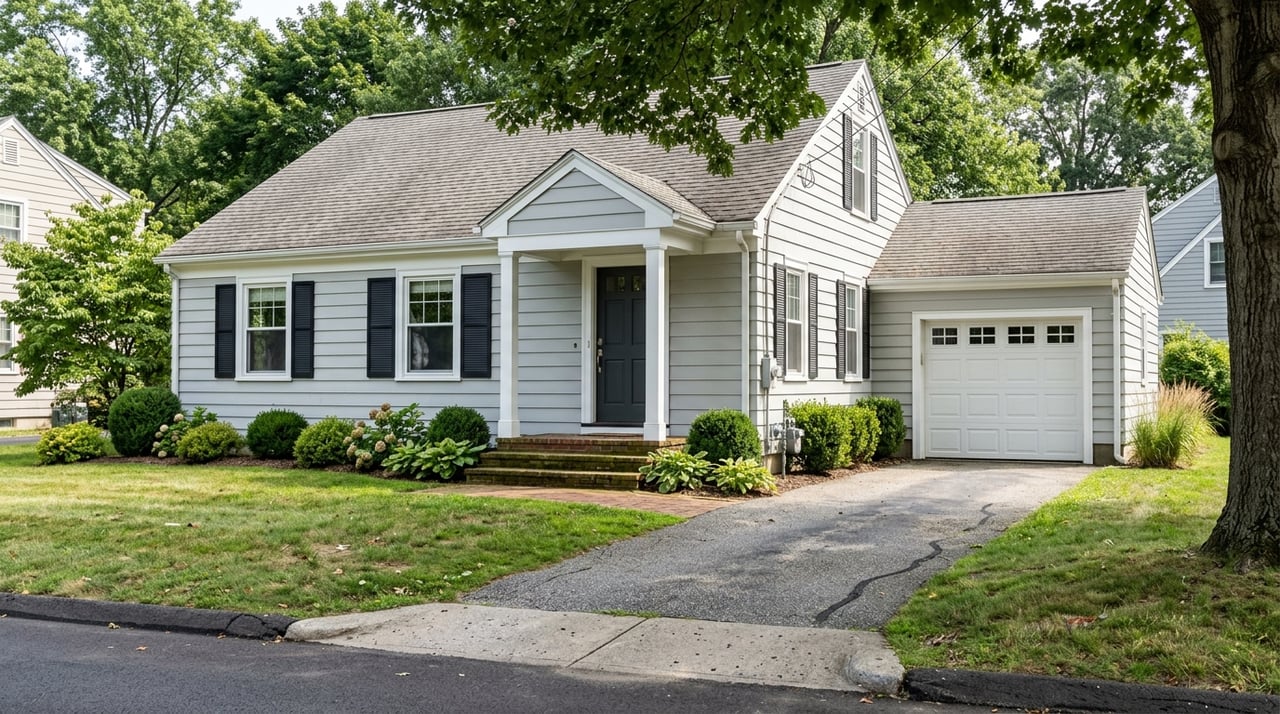
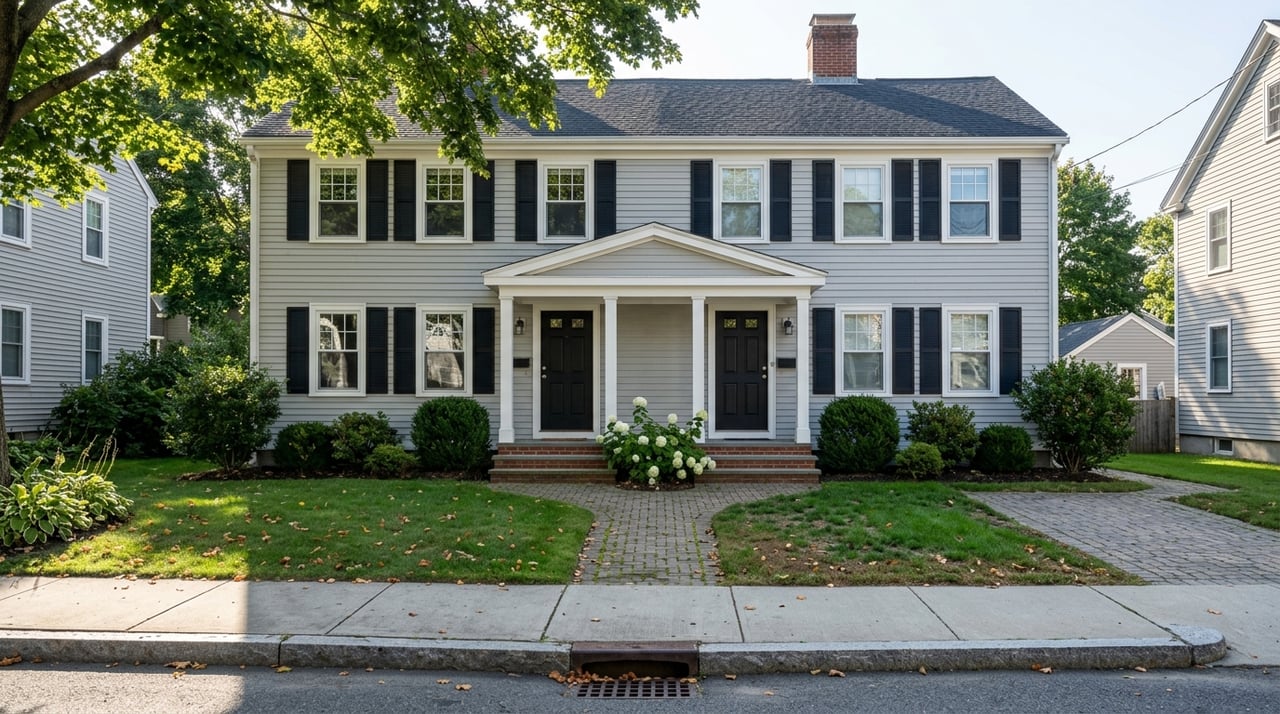
This is the lowest quartile of Newton single-family prices. You’ll see smaller colonials, capes, and ranches, often with modest lots or updates. Competition can be intense when move-in-ready homes hit. Pre-approval, fast decision-making, and clean terms help. Expect to prioritize must-haves over nice-to-haves.
Move-up band
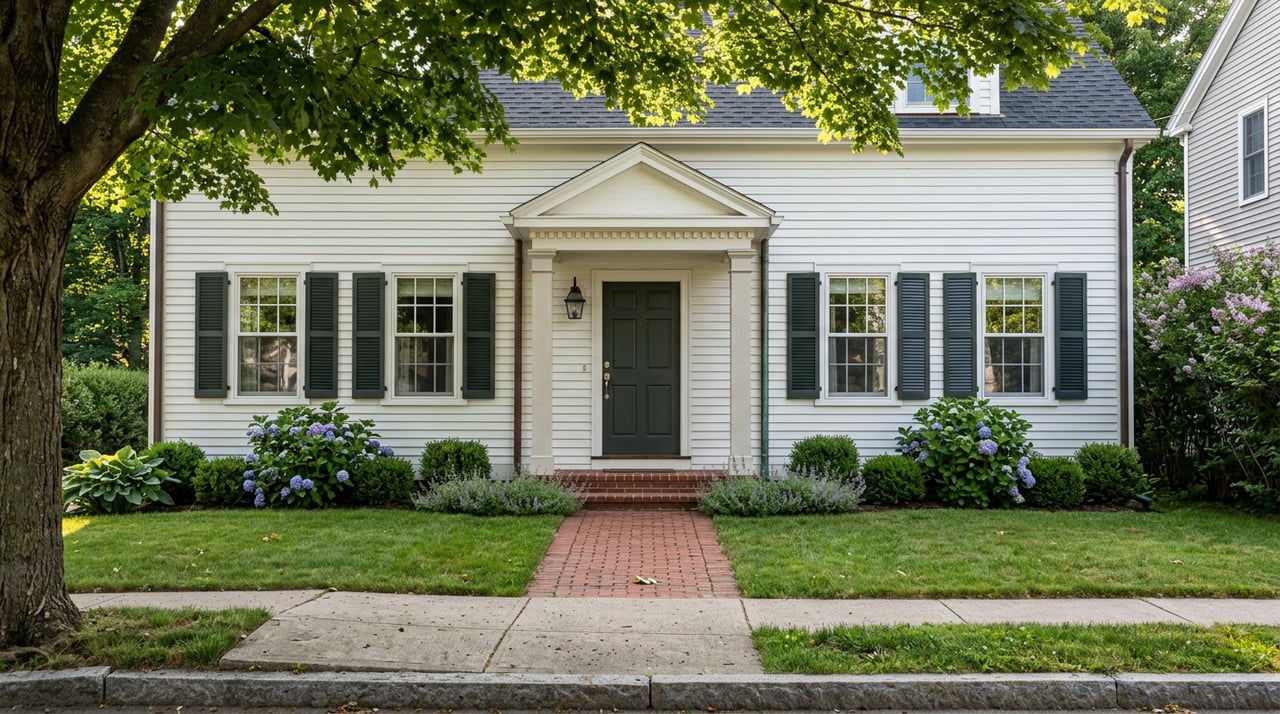
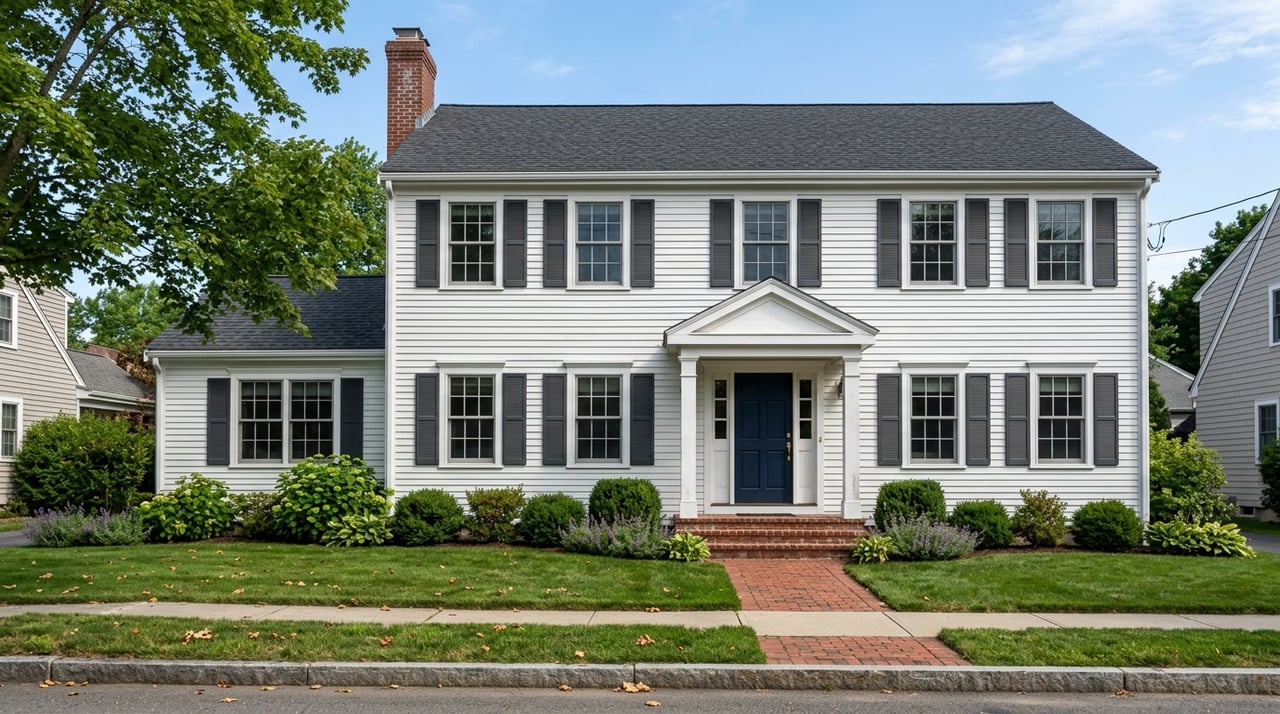
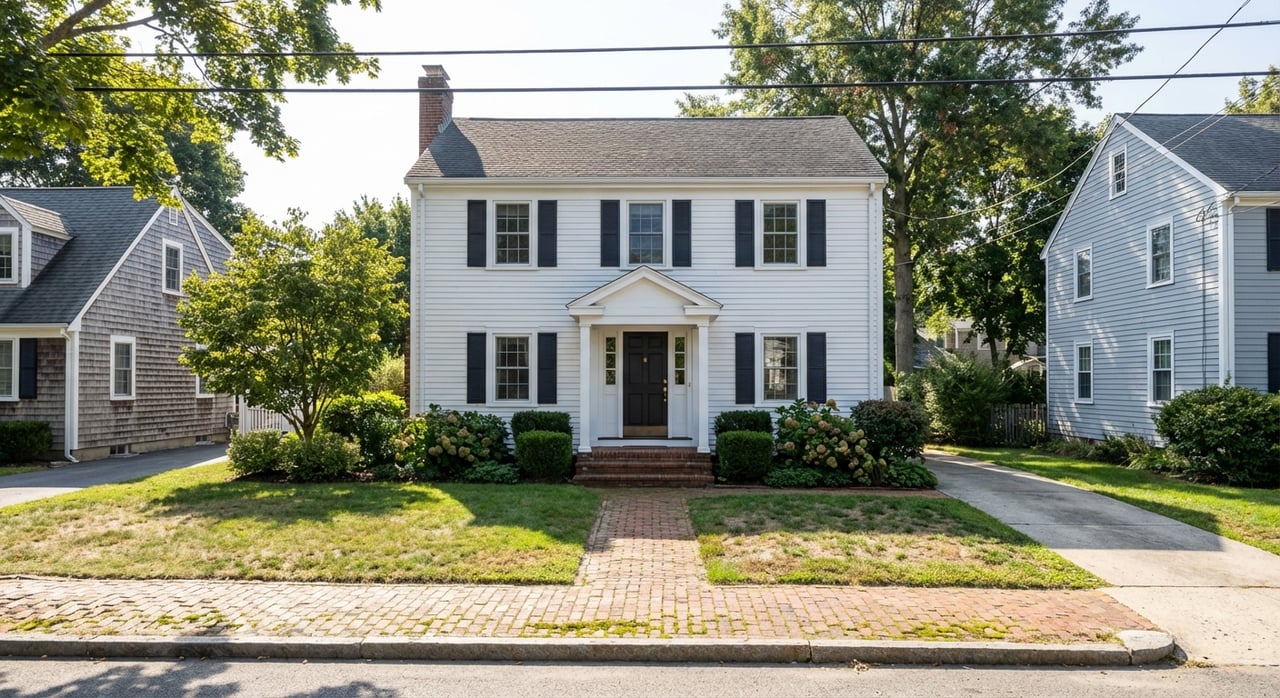
This mid-market segment attracts growing households that need more space. You’ll find larger colonials, expanded capes, and updated homes near transit or village centers. Bidding can be selective. The best-positioned properties still draw multiple offers, while homes needing updates may sit a bit longer. Appraisal planning and flexible closing dates can set your offer apart.
Upper and luxury band
At the high end, the buyer pool is smaller and DOM can be longer. Newer builds and renovated historic homes lead this segment. Negotiation often focuses on timing, inspection items, and thoughtful credits rather than big price jumps. Strong proof of funds and clear due diligence are essential.
Teardown and new construction band
Some listings are marketed for land value. These attract builders and buyers who plan major renovation or replacement. If you’re considering this path, confirm zoning, allowable FAR, setbacks, and any historic restrictions before you commit. Your offer should reflect due diligence timelines that fit permitting reality.
Village differences that matter
Newton’s villages offer different housing stock and commute options. Your short list may include:
- Newton Centre and Waban: Many larger colonials, proximity to Green Line stations, and walkable village amenities.
- West Newton and Newtonville: Mix of historic homes and newer infill, commuter rail access, and quick highway reach.
- Newton Highlands and Newton Upper Falls: Varied stock including capes and colonials, village centers, and Green Line access in parts.
- Auburndale and Nonantum: Diverse home sizes and styles, commuter rail in Auburndale, and convenient access to major routes.
Public schools are a key driver of demand across Newton. Always confirm current school assignments for a specific address and review municipal resources to understand boundaries and any planned changes. Commute needs also shape value. Evaluate walk and drive times to transit, parking options at stations, and your typical highway routes.
Offer strategies by market scenario
Your terms should match market conditions. Here’s how to calibrate.
If it’s a seller’s market
- Arrive with a strong pre-approval or, ideally, a lender commitment.
- Consider a competitive earnest money deposit and an escalation clause with a clear cap.
- Shorten inspection windows or plan a pre-offer inspection when permitted.
- Discuss appraisal gap coverage if comparable sales lag fast-rising prices.
- Offer flexible closing or a short rent-back if the seller needs time.
If it’s a balanced market
- Include standard contingencies and realistic inspection periods.
- Negotiate reasonable repairs or credits based on inspection findings.
- Keep communication tight between your lender and the listing agent.
- Use comps to justify price and frame the appraisal conversation early.
If it’s a buyer’s market
Explore price negotiations and seek closing cost credits or repairs.
Extend due diligence timelines where appropriate.
Maintain strength on financing and documentation to avoid surprises.
Risk tradeoffs to weigh
Stronger offers can carry more risk. Waiving or shortening inspections limits your ability to renegotiate. Escalation clauses can help you win but require careful caps and documentation of competing offers. Appraisal gap coverage requires cash reserves. Before stretching, align your risk tolerance with your budget and discuss contingency options with your agent and lender.
Newton-specific due diligence checklist
Older homes are common, and local rules can affect your plans. Use this quick checklist when you spot a promising listing:
- Structure and systems: Roof age, electrical capacity, plumbing type, heating system age, and any evidence of prior leaks or repairs.
- Potential hazards: Lead paint in older homes, radon testing, and possible asbestos in certain materials. Ask about any known or suspected underground oil tanks.
- Basement and drainage: Look for signs of moisture, prior mitigation, and grading issues.
- Zoning and historic: Verify zoning, FAR, setbacks, and whether the property is in or near a local historic district.
- Permits and improvements: Review recent permits for additions, system upgrades, and any open violations.
- Taxes and utilities: Check the current tax bill, any special assessments, and sewer versus septic status.
- School assignment: Confirm current public school assignment for the address.
Touring and negotiation prep
Preparation gives you speed without rushing:
- Secure a full pre-approval or a pre-underwritten commitment from your lender.
- Clarify your cash position for down payment, closing costs, and any appraisal gap.
- Walk through likely inspection costs and timelines with your agent.
- Review recent comparable sales by village and price band so you can move quickly when the right home appears.
- Decide in advance which terms you are willing to flex, like closing date or post-closing occupancy.
What to track weekly
A tight, repeatable system helps you stay ahead of the market:
- Active listings and new listings by village and price band
- MSI and DOM trends for the last 3, 6, and 12 months
- List-to-sale ratios and the share of properties selling above list
- The percentage of multiple-offer situations in your target band
- Notable comps that match your target home type
Use these numbers to set your opening offer, your escalation cap, and your contingency posture. When the data shows a shift, adjust quickly.
Your next step
You do not need to navigate Newton’s nuances alone. With clear data, thoughtful risk management, and a plan that fits your budget, you can compete with confidence. If you want help reading the market and tailoring an offer strategy to your goals, connect with Anne Kennedy / Homes for a focused, local plan.
FAQs
How competitive is Newton for single-family buyers right now?
- Competition shifts with inventory and rates, but limited land and steady demand often mean short Days on Market and multiple offers for move-in-ready homes.
Which Newton villages are most competitive for my budget?
- It depends on your price band and home style; work with your agent to compare recent DOM, sale-to-list ratios, and active counts in 2 to 3 target villages.
How should I structure my offer in a hot Newton market?
- Arrive with strong financing, consider a clear escalation clause, shorten inspection windows when appropriate, and plan for appraisal risk with verified cash reserves.
What contingencies are commonly waived in Newton?
- In stronger seller periods, buyers sometimes shorten or waive inspection and offer appraisal gap coverage; in balanced markets, standard contingencies are more common.
How much extra cash should I plan beyond the down payment?
- Budget for closing costs, possible appraisal gap coverage, and early repairs or maintenance identified during inspection.
Are certain home styles easier to find in Newton?
- Smaller capes and ranches appear more in some villages, while larger center-entry colonials and newer builds are common in others; availability varies by price band and season.