Trying to decide between a townhouse and a condo in Brookline? You’re not alone. With varied housing styles, limited parking, and strong demand near the Green Line, the choice can feel complex. In this guide, you’ll learn how each option works in Brookline, what it costs, how rules and maintenance differ, and the lifestyle tradeoffs that matter most. Let’s dive in.
Quick definitions in Brookline
What counts as a condo
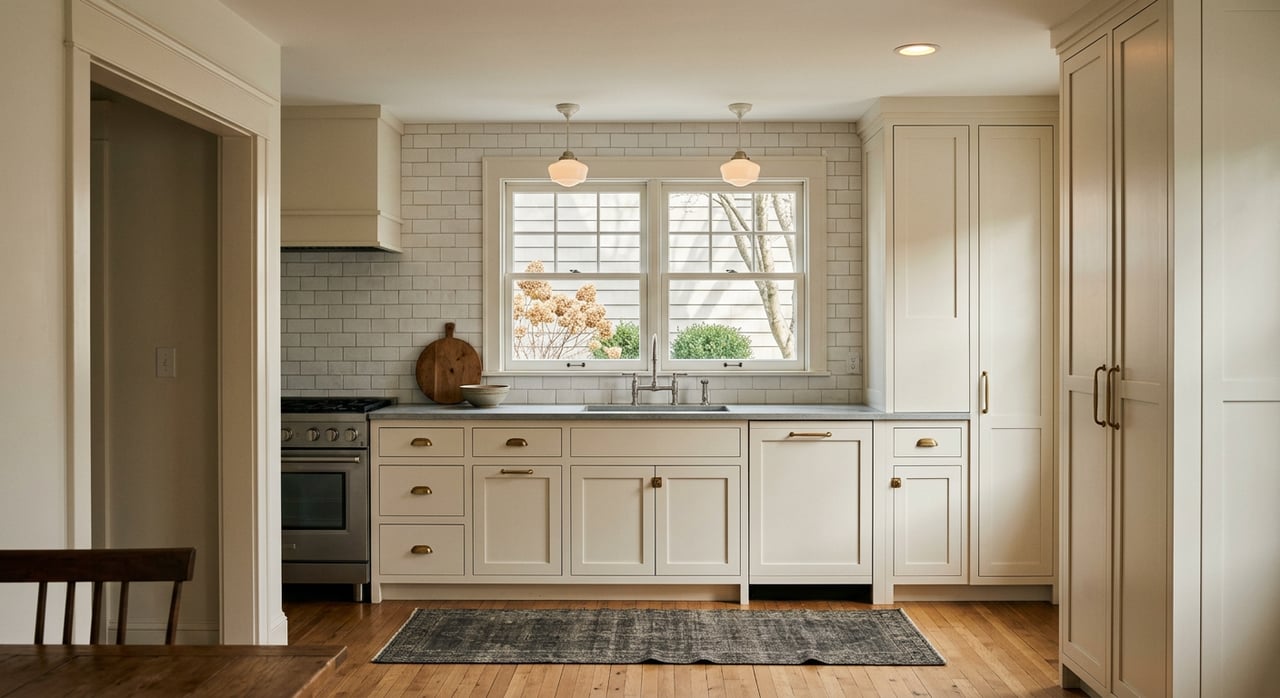
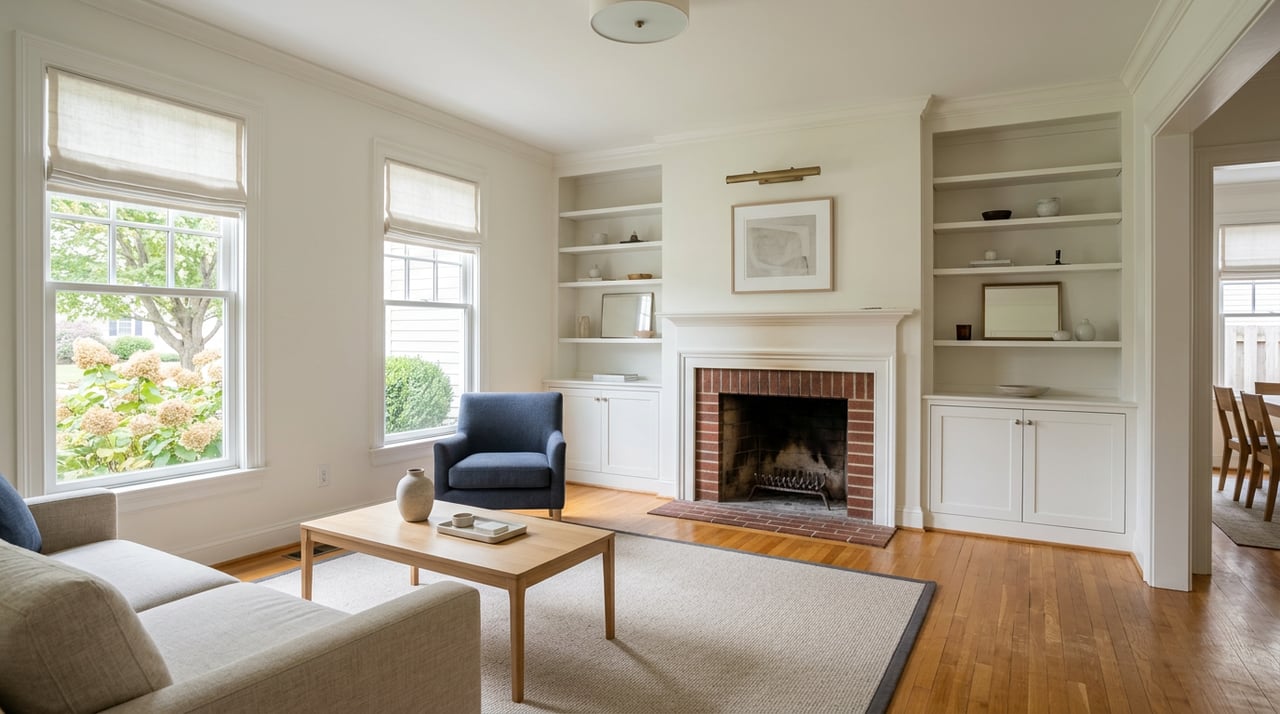
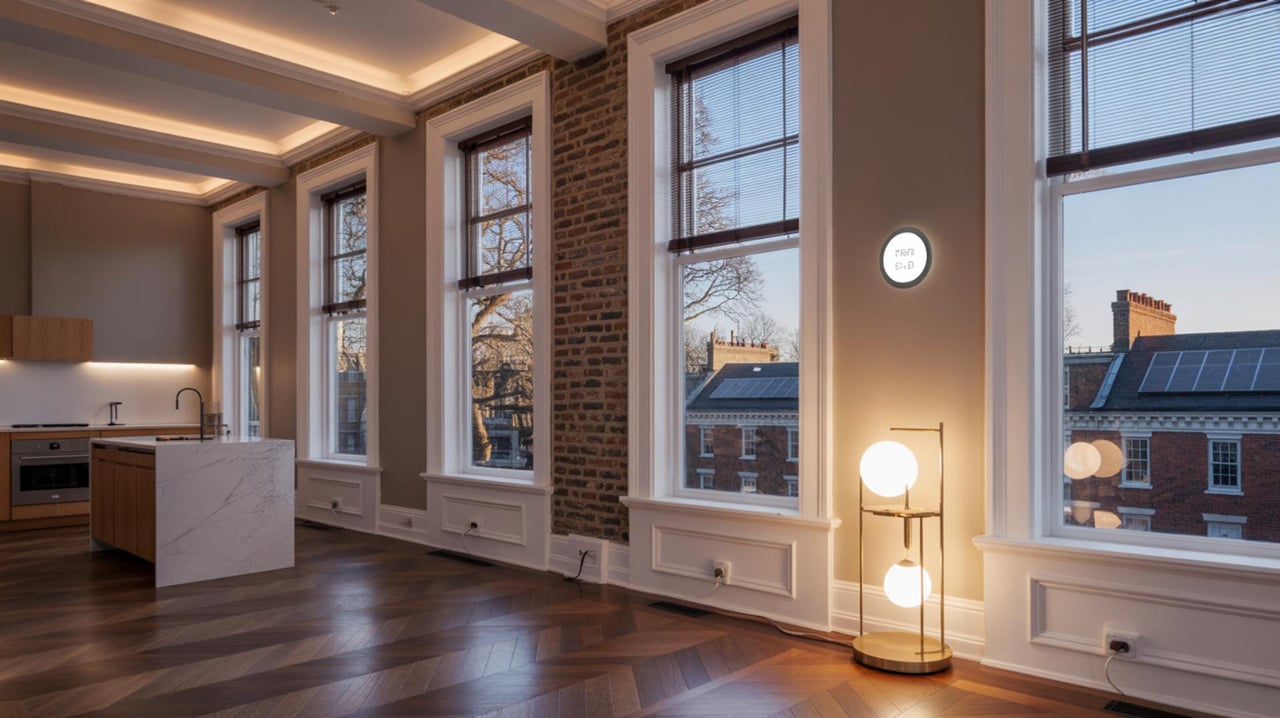
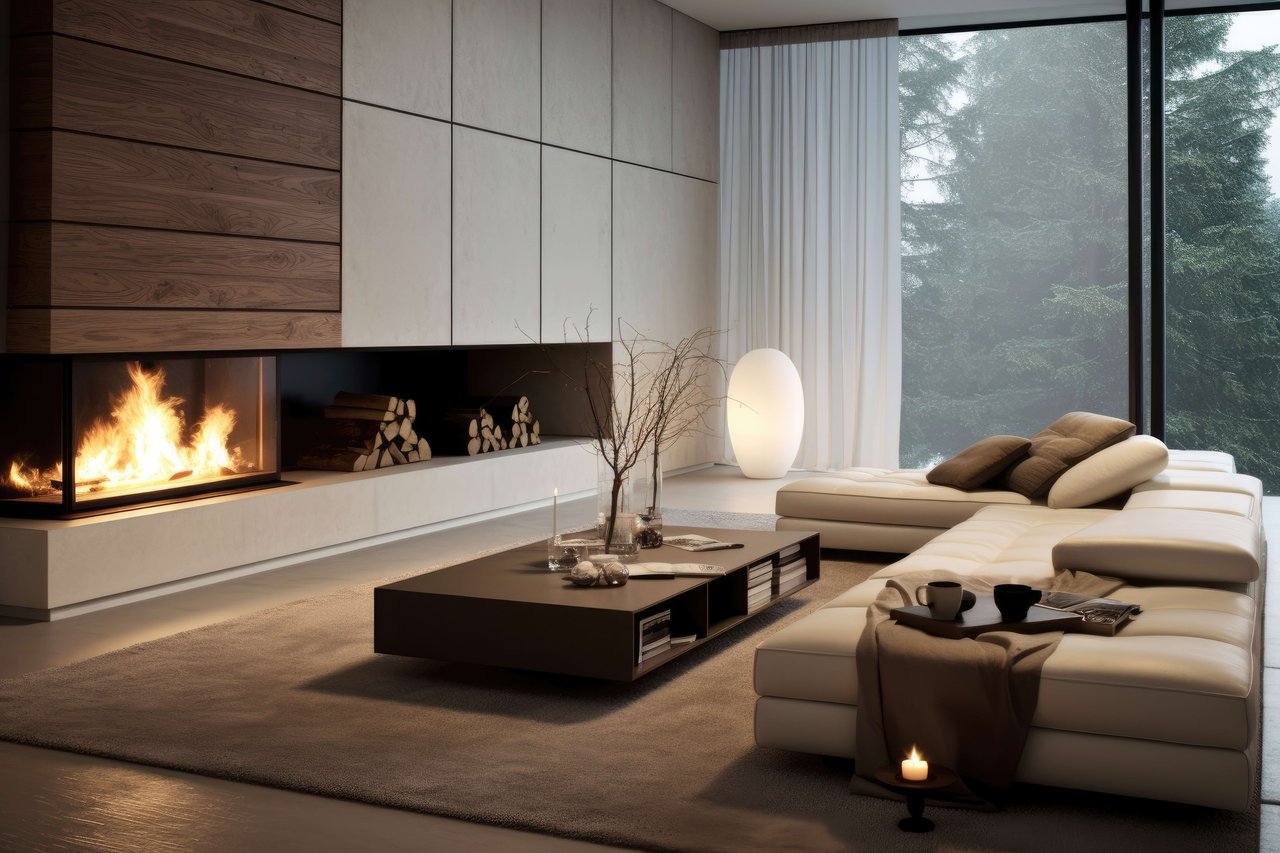
A condominium means you own your individual unit plus a share of the common areas. In Brookline, condos range from apartment-style homes in multi-unit buildings to converted flats in older brownstones and Victorians, along with some newer low-rise buildings. The association maintains common elements, and your monthly fee funds those costs.
What counts as a townhouse
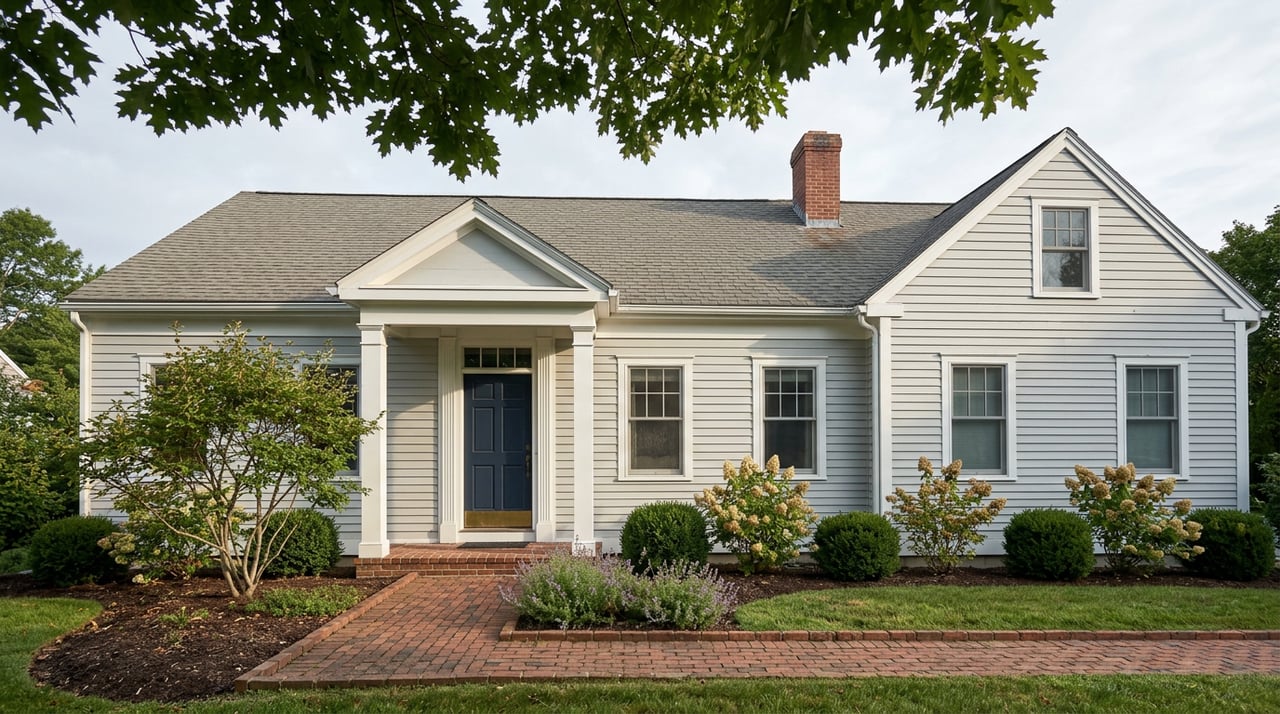
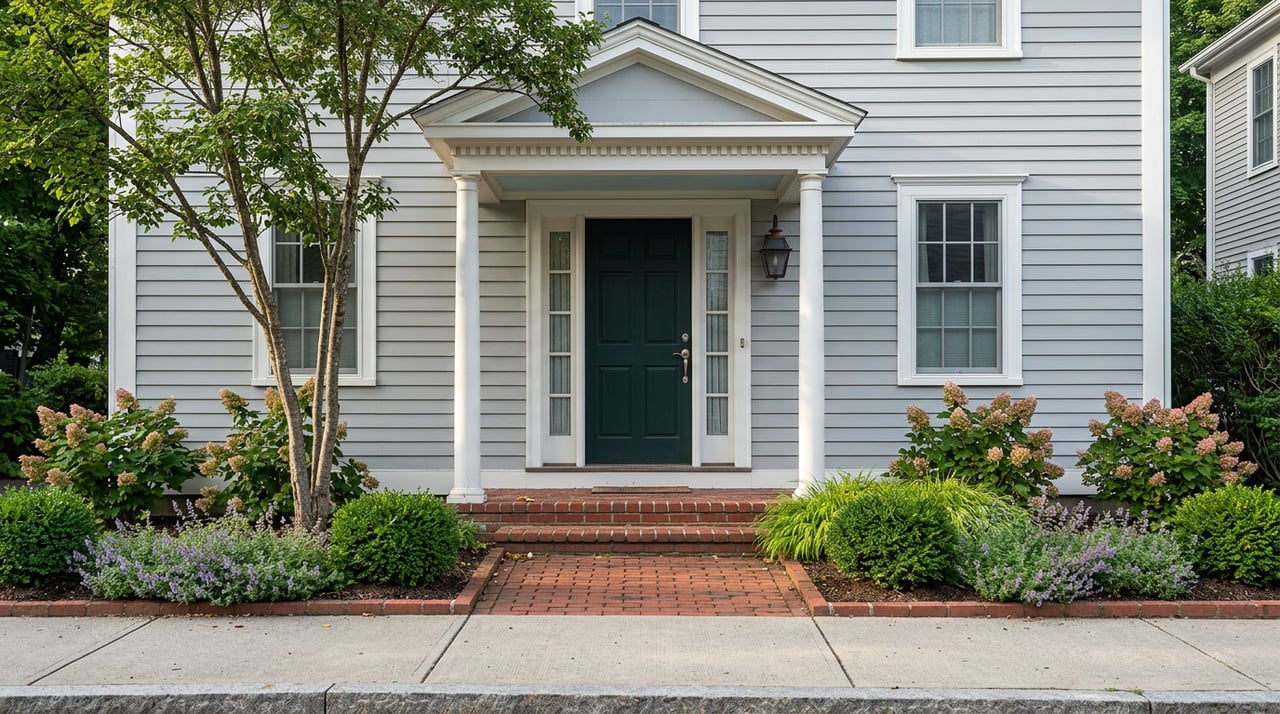
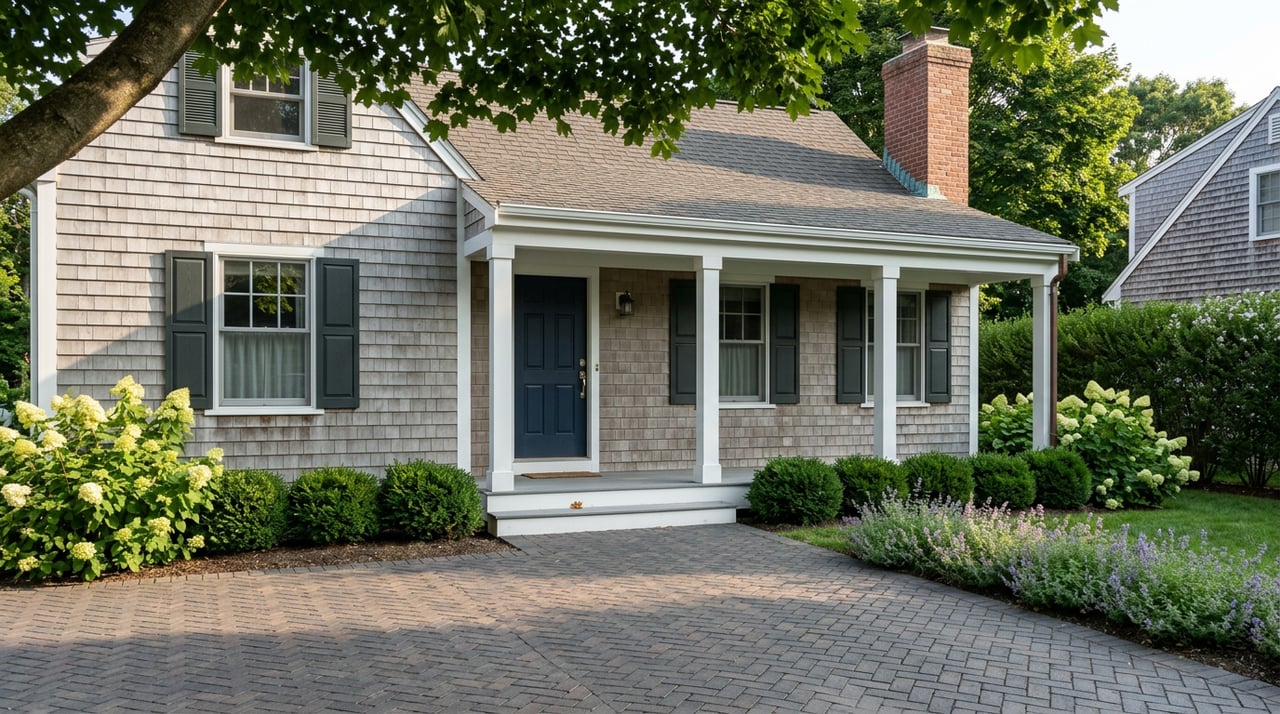
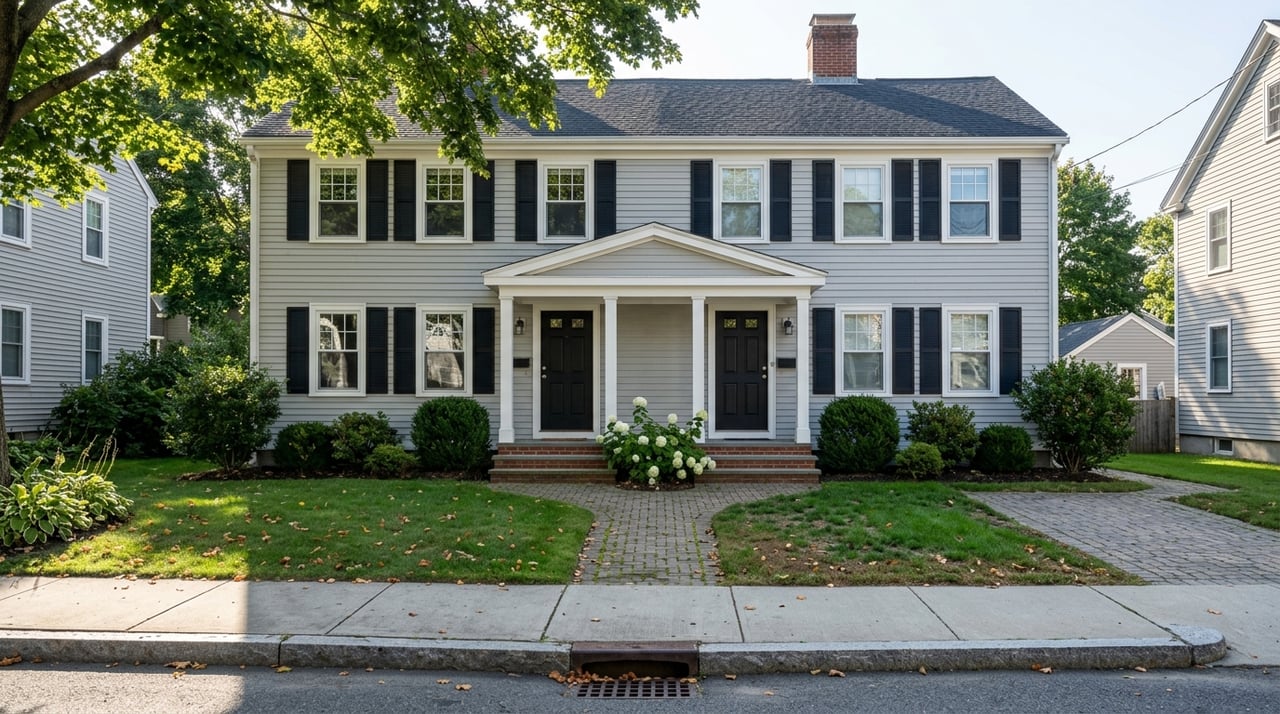
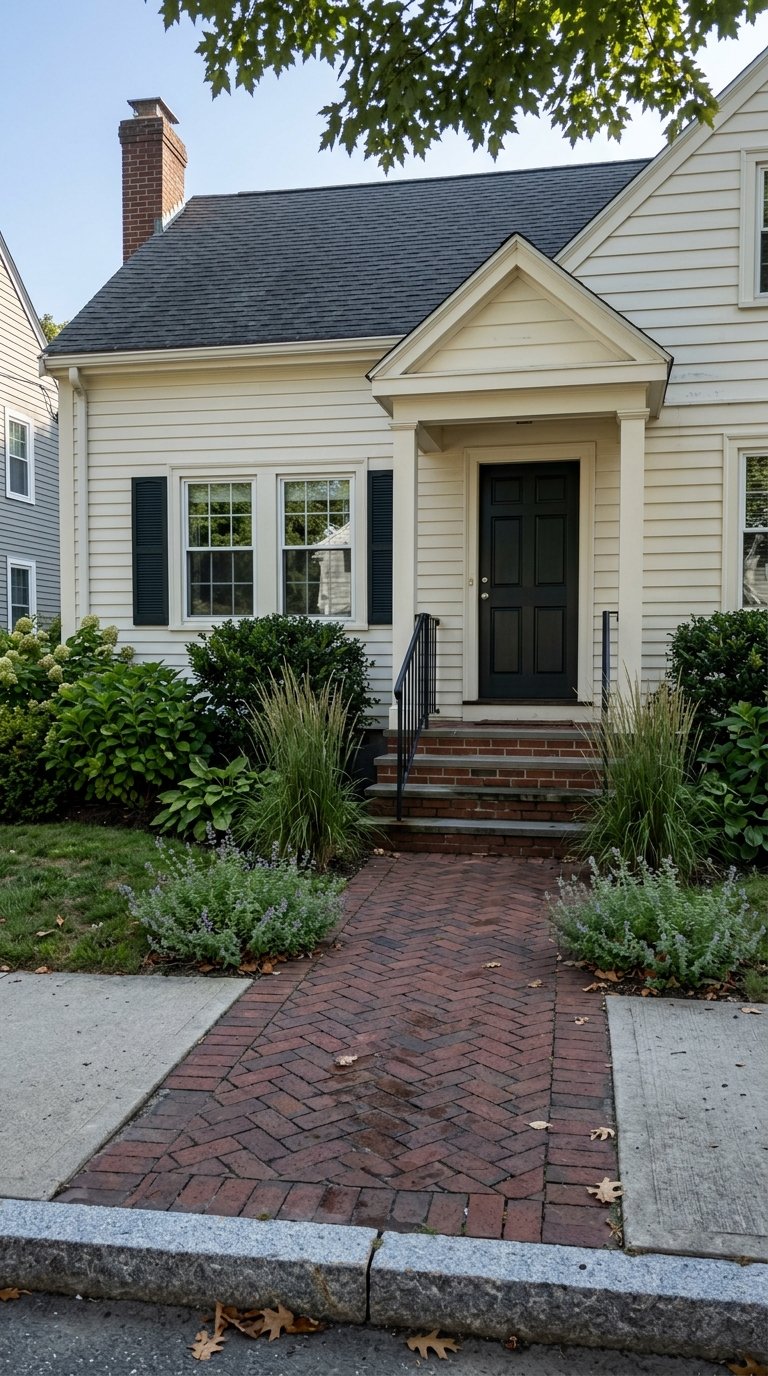
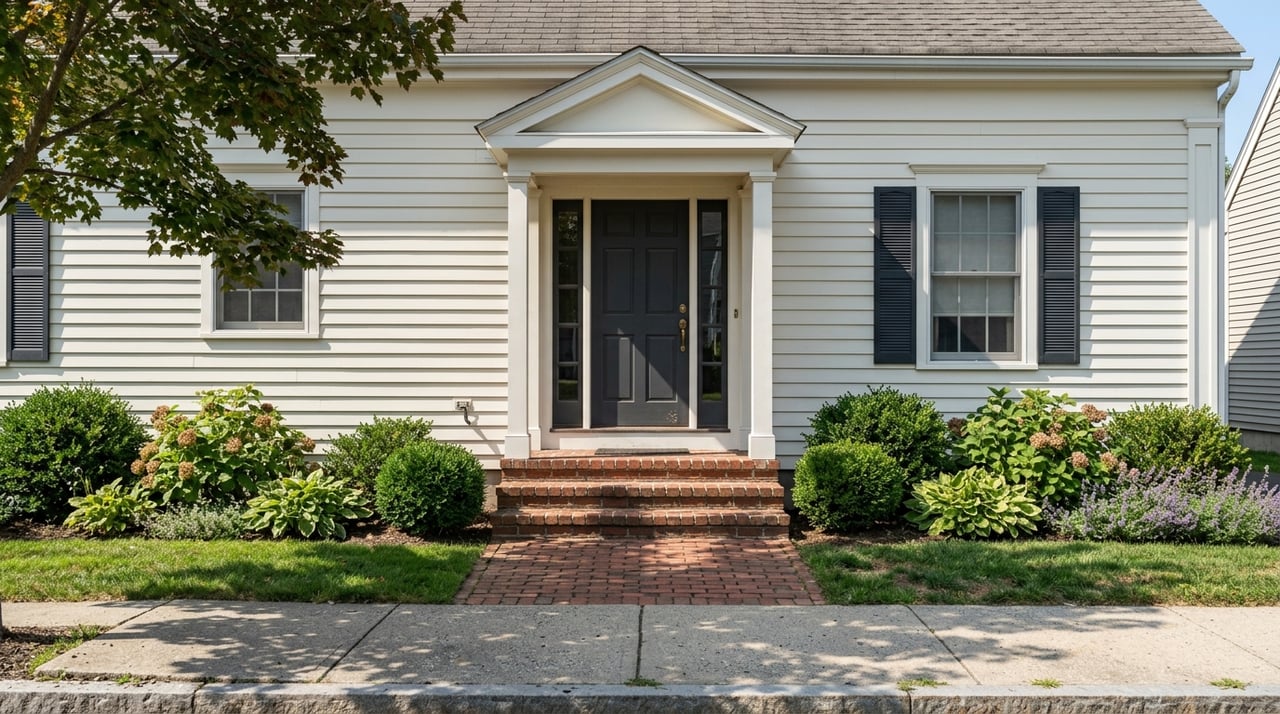
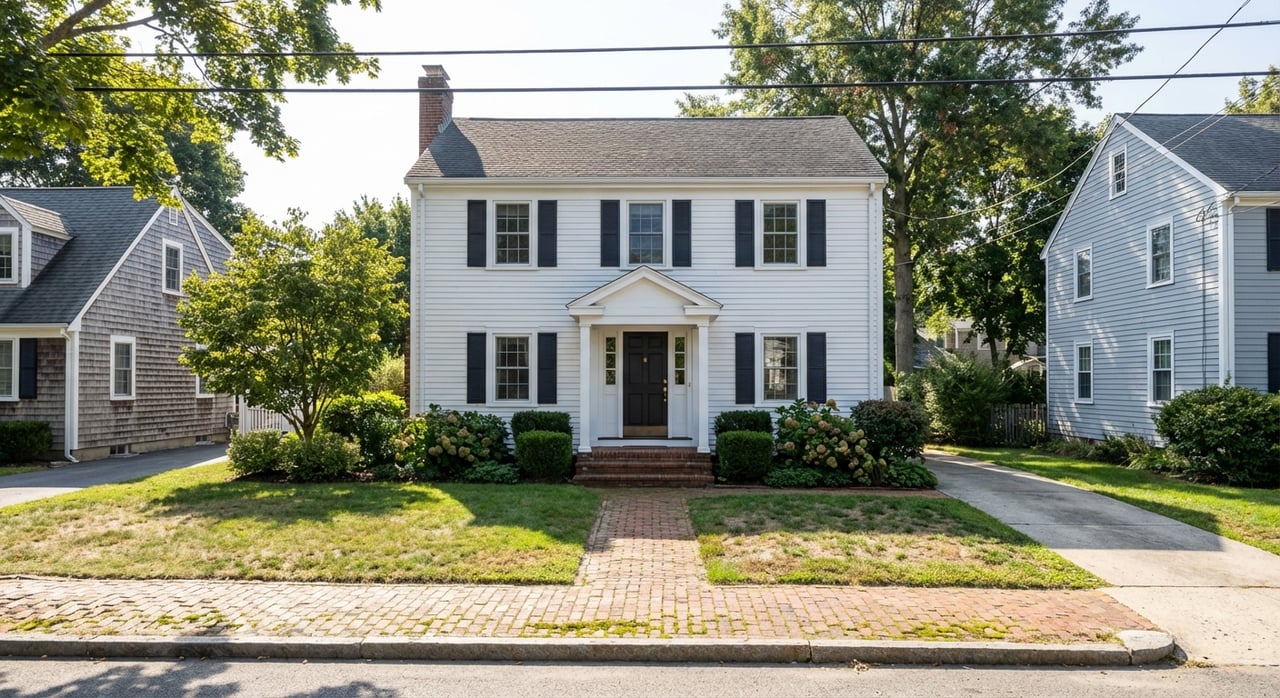
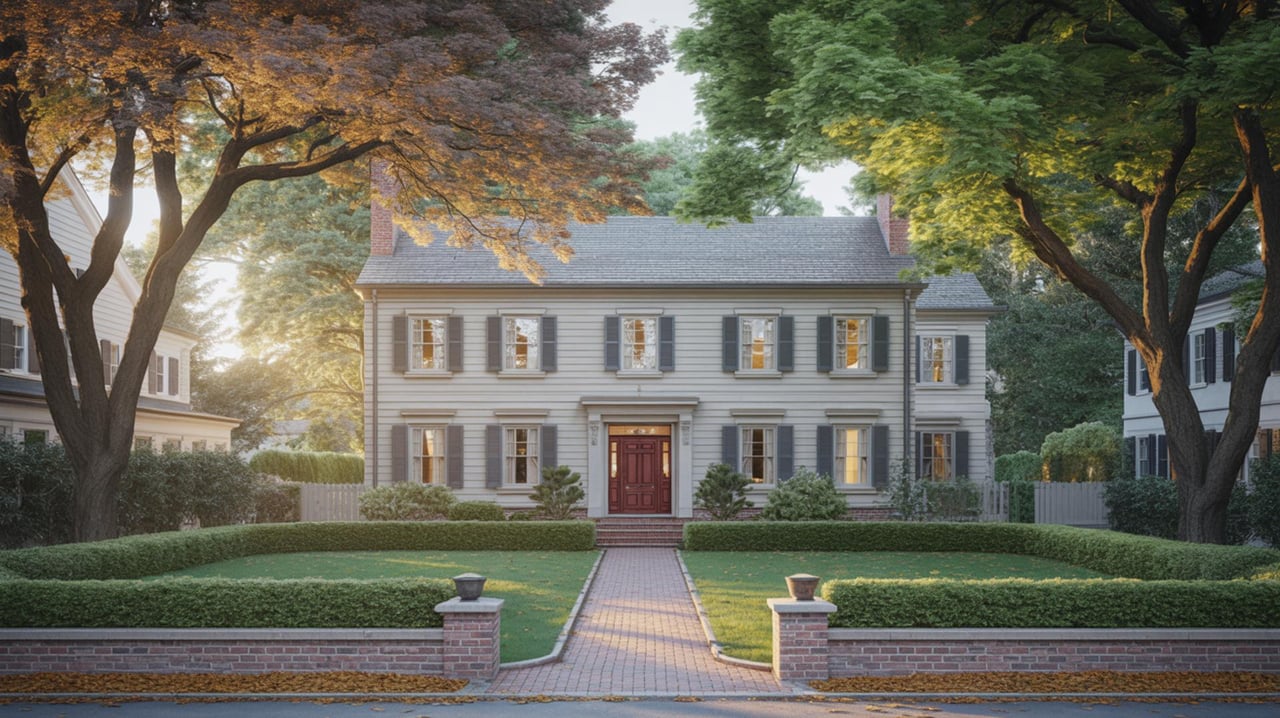
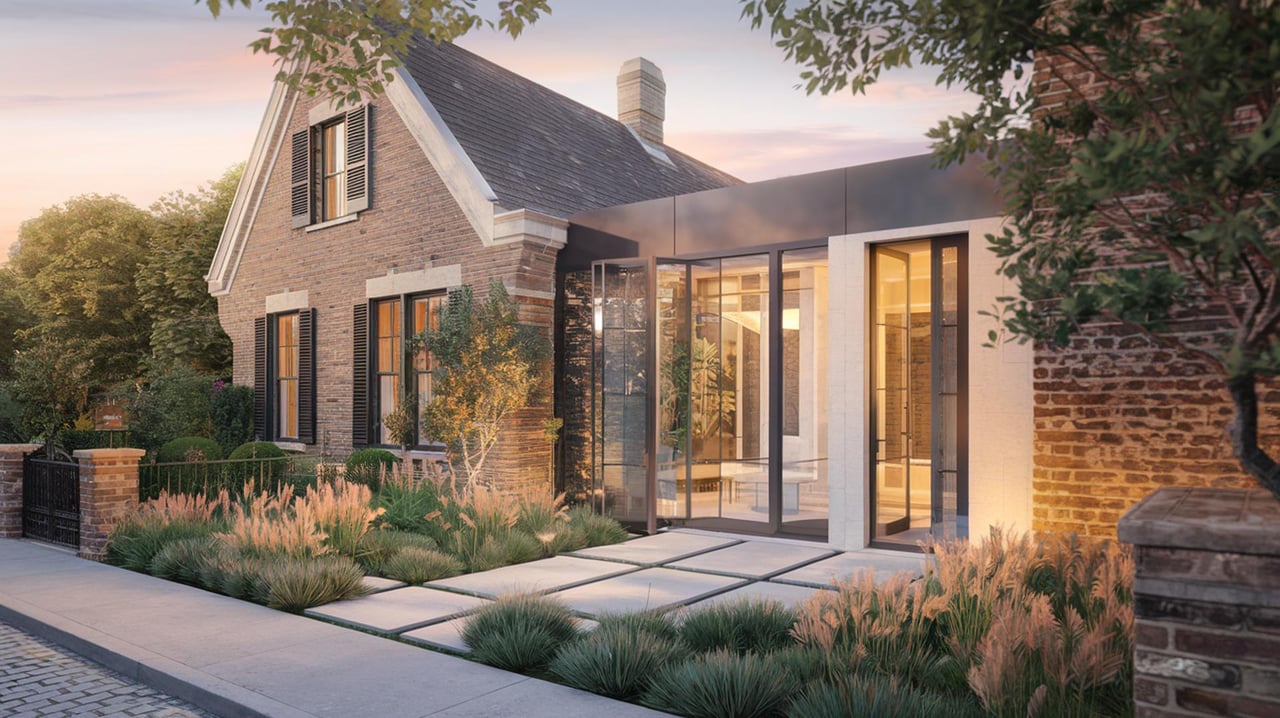
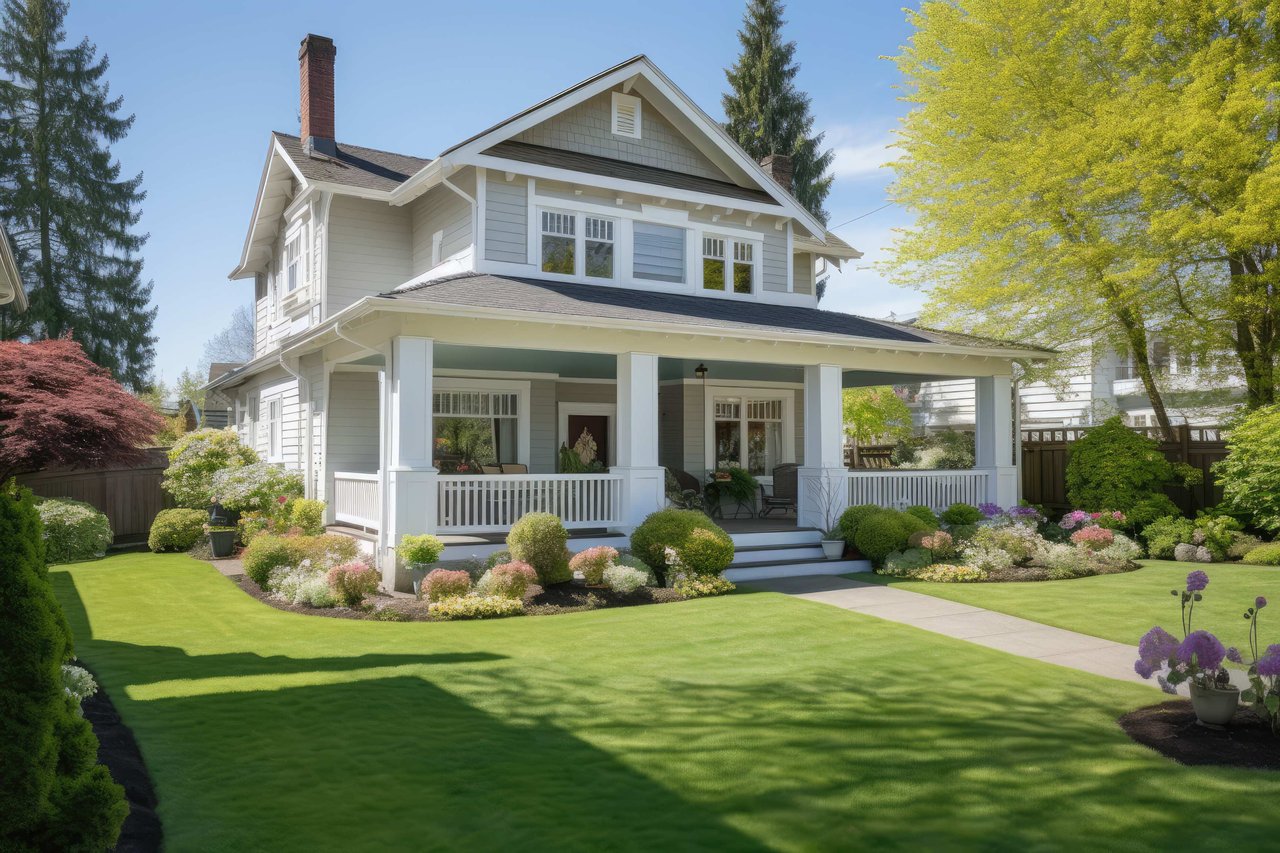
Townhouse is used in two ways locally. A fee-simple townhouse is a vertically attached home where you own the land and are responsible for exterior and lot maintenance. A condominium townhouse looks and lives like a townhouse, yet is legally a condo, so the association governs exterior and common elements.
Where you will find them
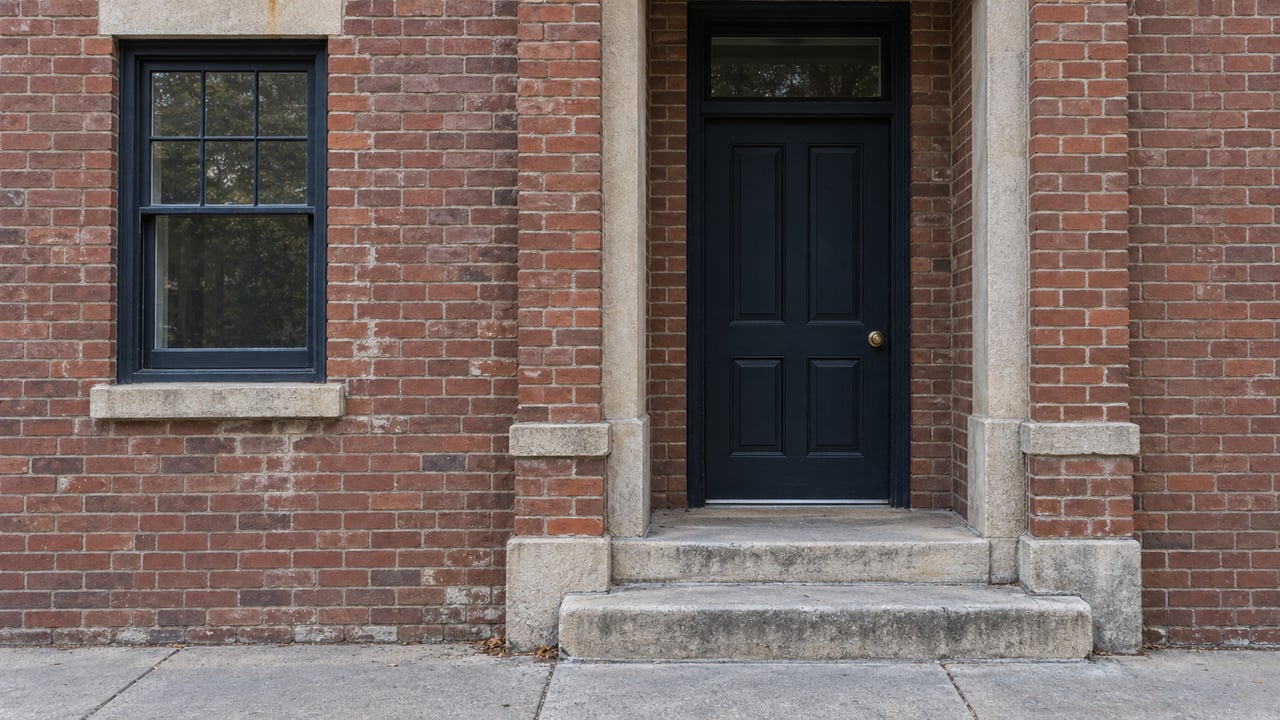
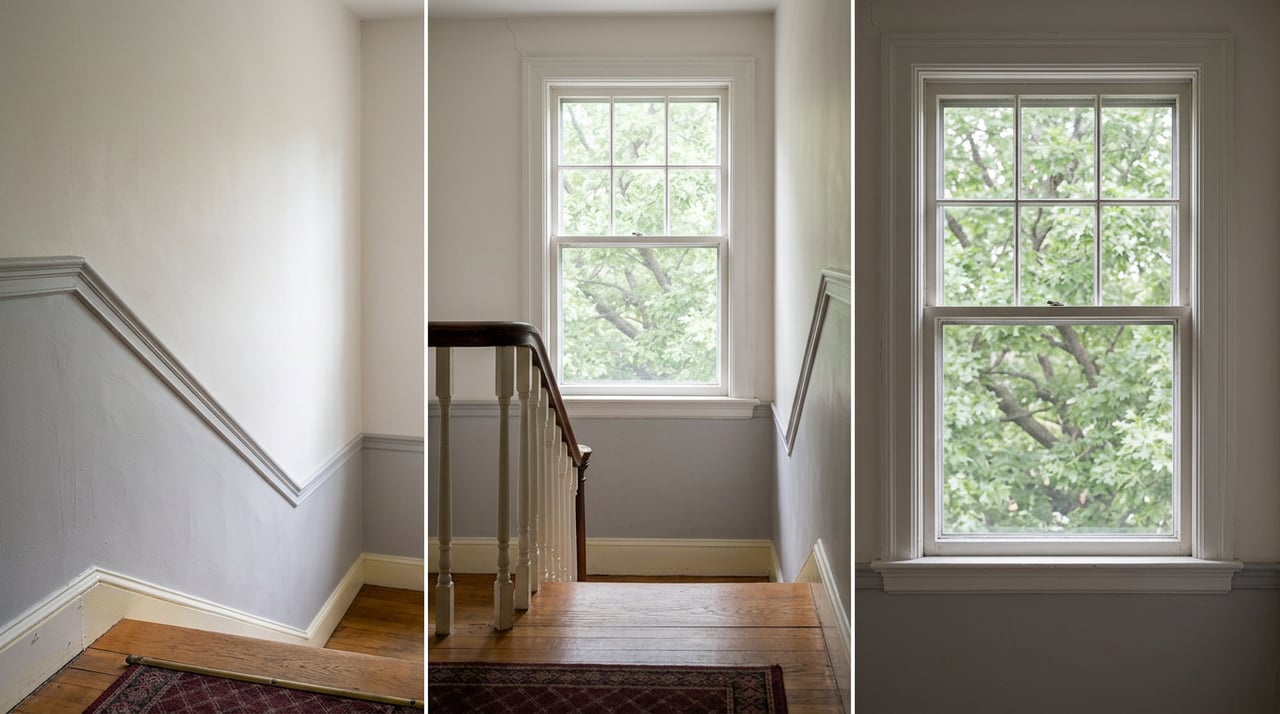
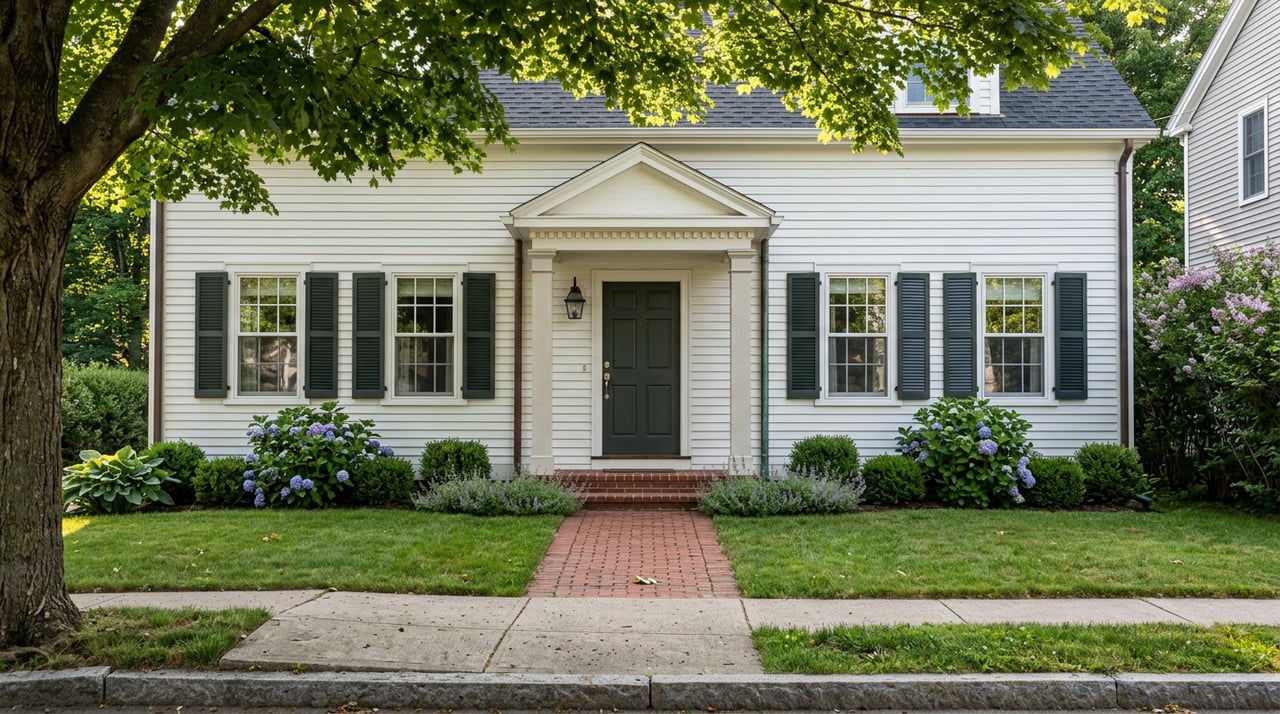
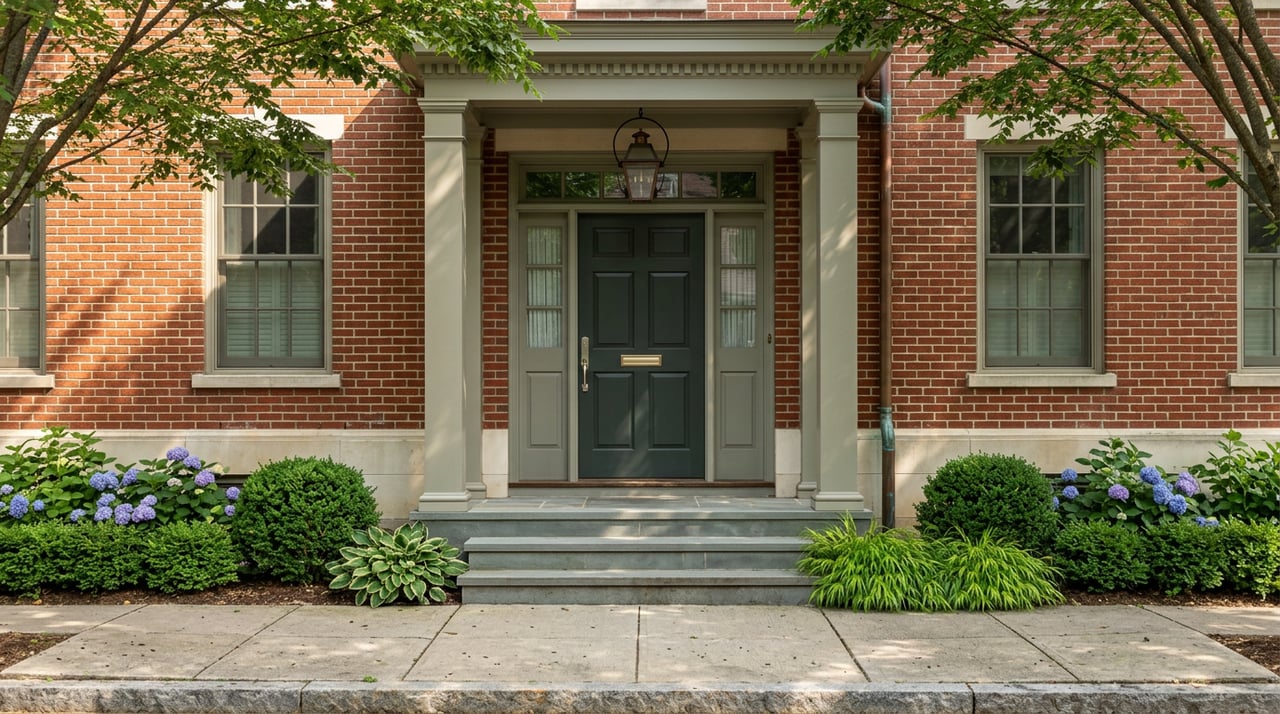
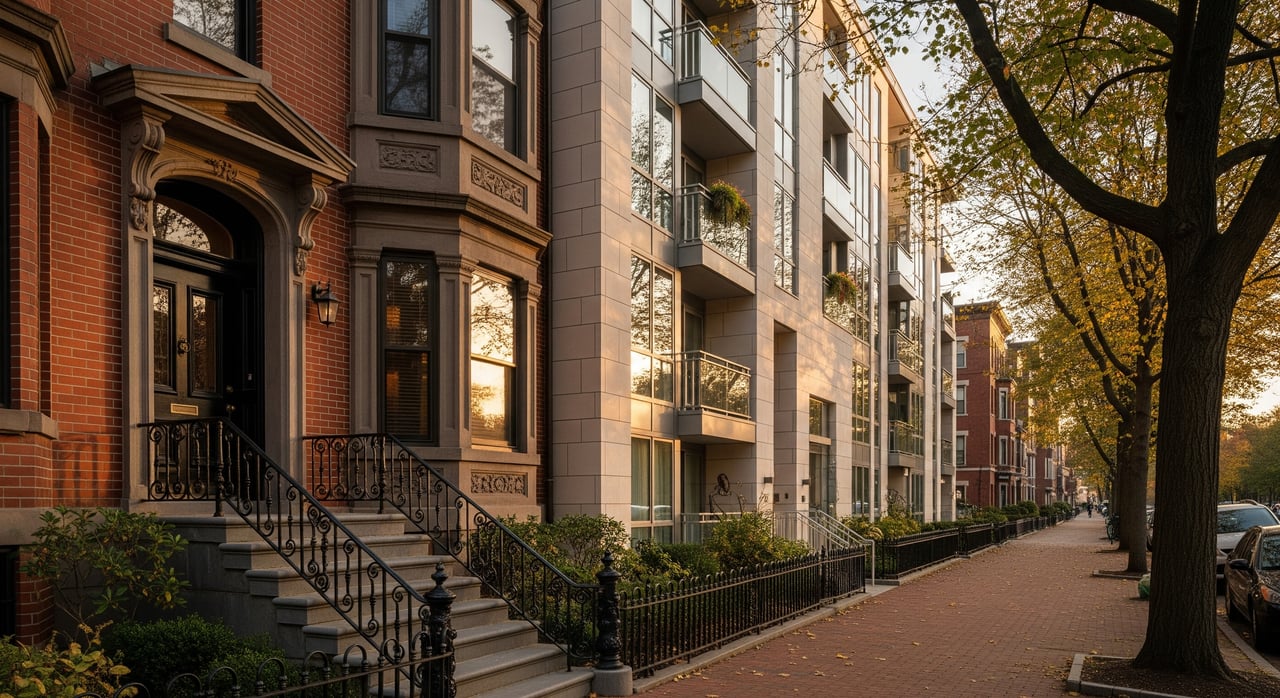
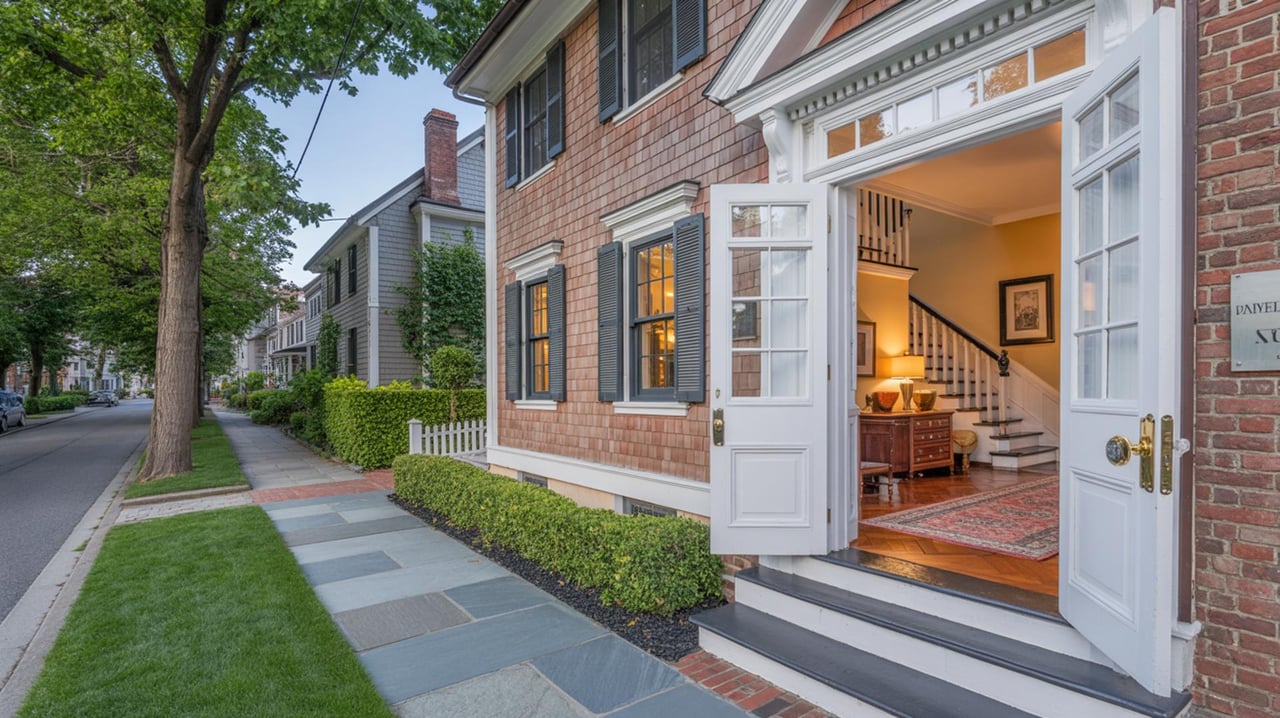
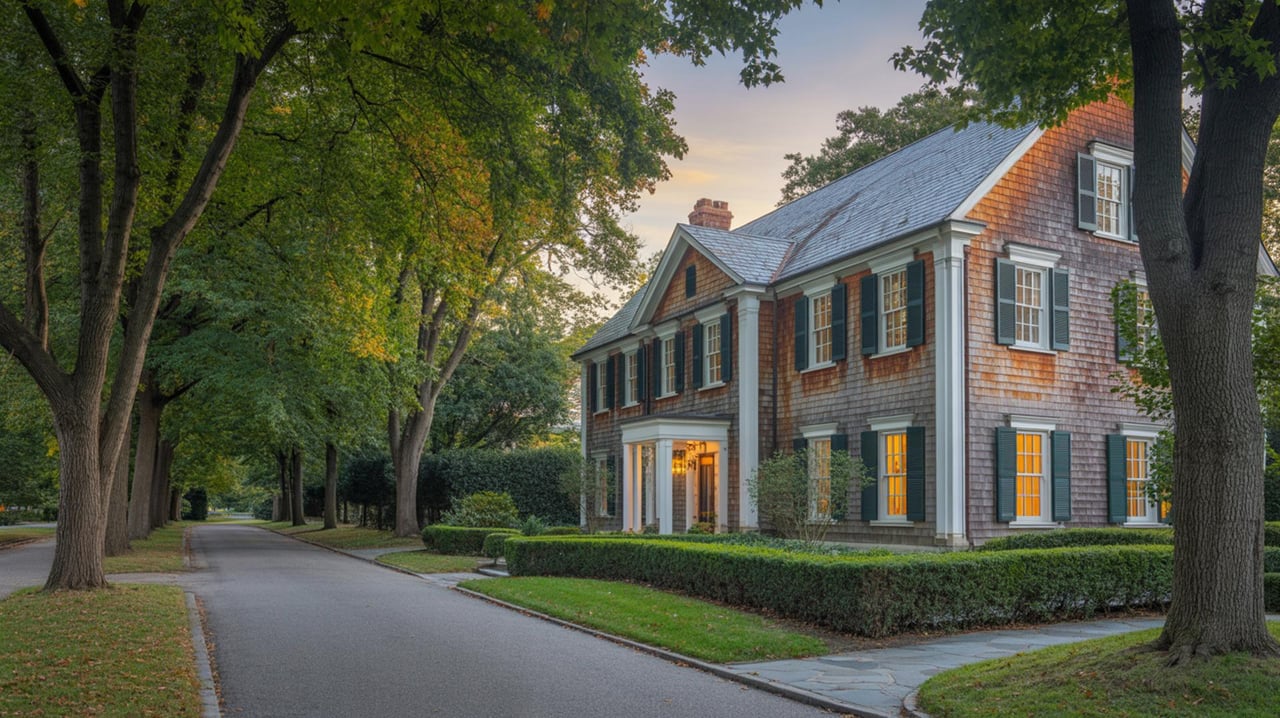
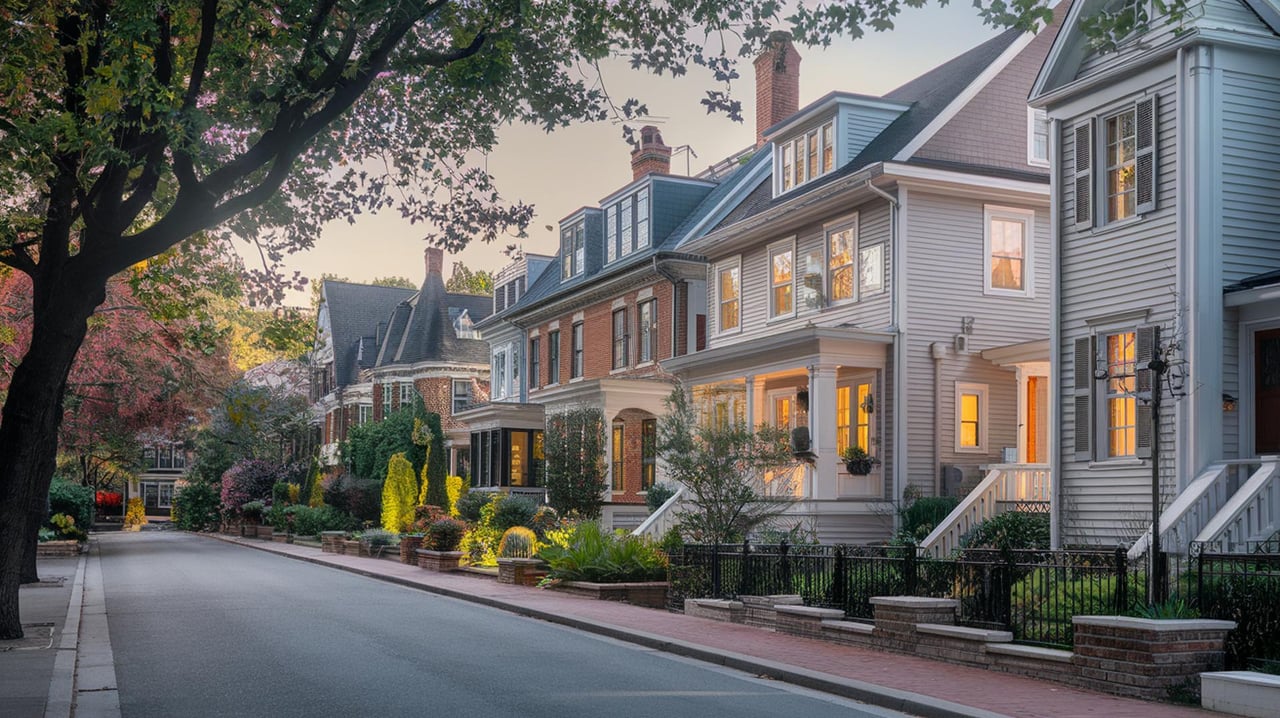
Brookline’s housing stock includes Victorian brownstones near Coolidge Corner and Brookline Village, early 20th century brick rowhouses, mid-century garden condos, and newer infill townhouses. Neighborhoods like Washington Square, Chestnut Hill, Brookline Hills, and the Cypress Street area each offer different tradeoffs on pricing, transit access, and lot sizes.
Ownership and responsibilities
Condos under Massachusetts law
Massachusetts condominiums are formed under Chapter 183A. Your rights and obligations are set by the master deed, bylaws, and rules. The association typically handles roofs, exterior walls, common systems, landscaping, and common insurance. You insure your interior with an HO-6 policy and follow the building’s rules on items like pets, rentals, and renovations.
Fee-simple townhouses
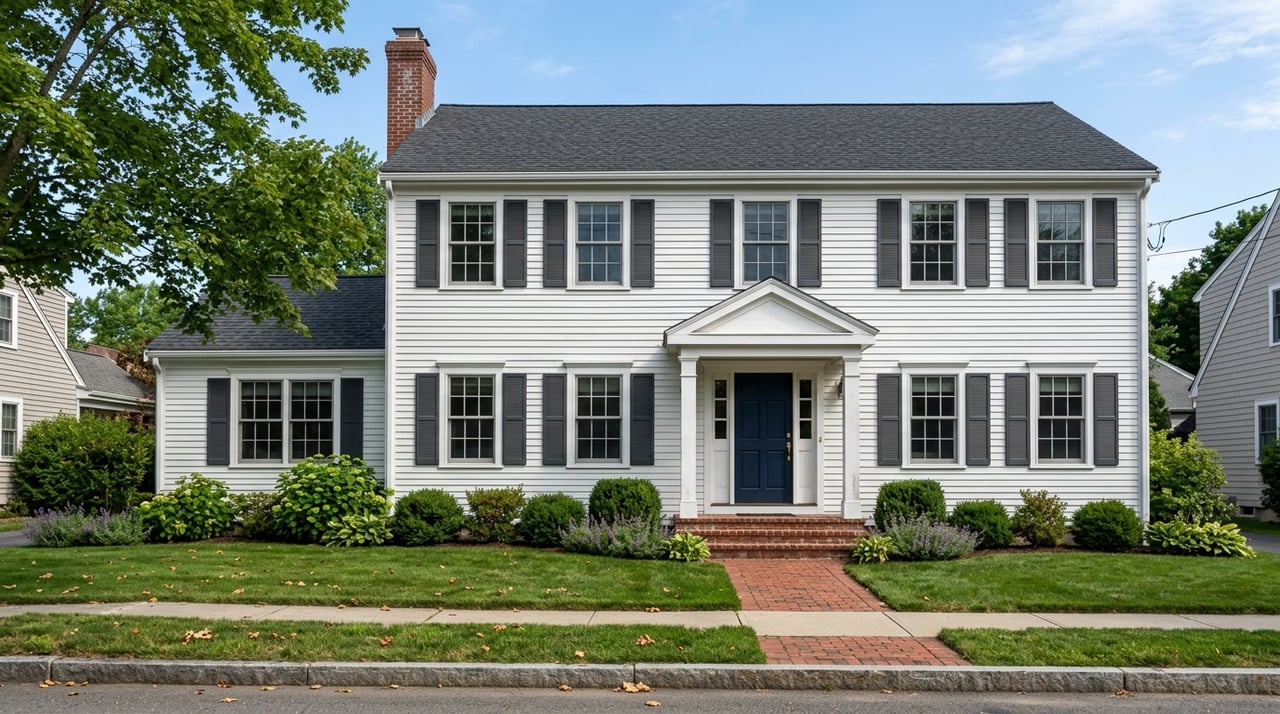
With a fee-simple townhouse, you carry responsibility for the entire structure and land unless a small HOA exists for shared items. You buy a standard homeowner’s policy, often called HO-3, that covers the dwelling and liability. You also plan for exterior maintenance, such as roof, siding, and snow removal.
Why association rules matter
Condo associations vary widely. Some hire professional management, others are volunteer-run. The master deed and bylaws control assessments, reserves, parking allocations, and voting rules. Before you buy, review the documents, the latest budgets and meeting minutes, and any reserve studies to spot deferred maintenance or the risk of special assessments.
Cost picture to expect
Purchase prices and market context
Brookline is a premium market next to Boston. As a general pattern, condos tend to be more affordable at entry price points than fee-simple townhouses or single-family homes. Townhouses often command a premium for private entries, outdoor space, and land ownership. Always verify current numbers before you make an offer, since market conditions can shift.
Monthly fees, utilities, and maintenance
Condo fees typically cover exterior upkeep, common insurance, some utilities, snow removal, management, and reserve contributions. Fees vary widely. A small association might charge a few hundred dollars monthly, while a larger or amenity-rich building can run higher. Townhouse owners usually pay all utilities directly and budget for their own exterior and yard maintenance.
Taxes and insurance
Property taxes in Brookline are based on assessed value and apply regardless of property type. Condo owners purchase an HO-6 policy for interiors and personal property, often with loss assessment coverage. Fee-simple townhouse owners carry a full dwelling policy. Ask to see the association’s master insurance certificate so you understand coverage limits and deductibles.
Special assessments and reserves
If a condo association lacks sufficient reserves, it may levy a special assessment for major projects, such as a roof replacement. Review reserve studies, past assessments, and upcoming capital plans so you understand both the near-term and long-term cost outlook.
Lifestyle tradeoffs that matter
Privacy and noise
Townhouses usually offer more privacy with separate entries and fewer shared corridors. Some designs reduce shared walls or place living spaces across multiple levels. Condos can vary by building age and construction type. Older conversions may have thinner party walls, while brick buildings often perform better for sound.
Outdoor space
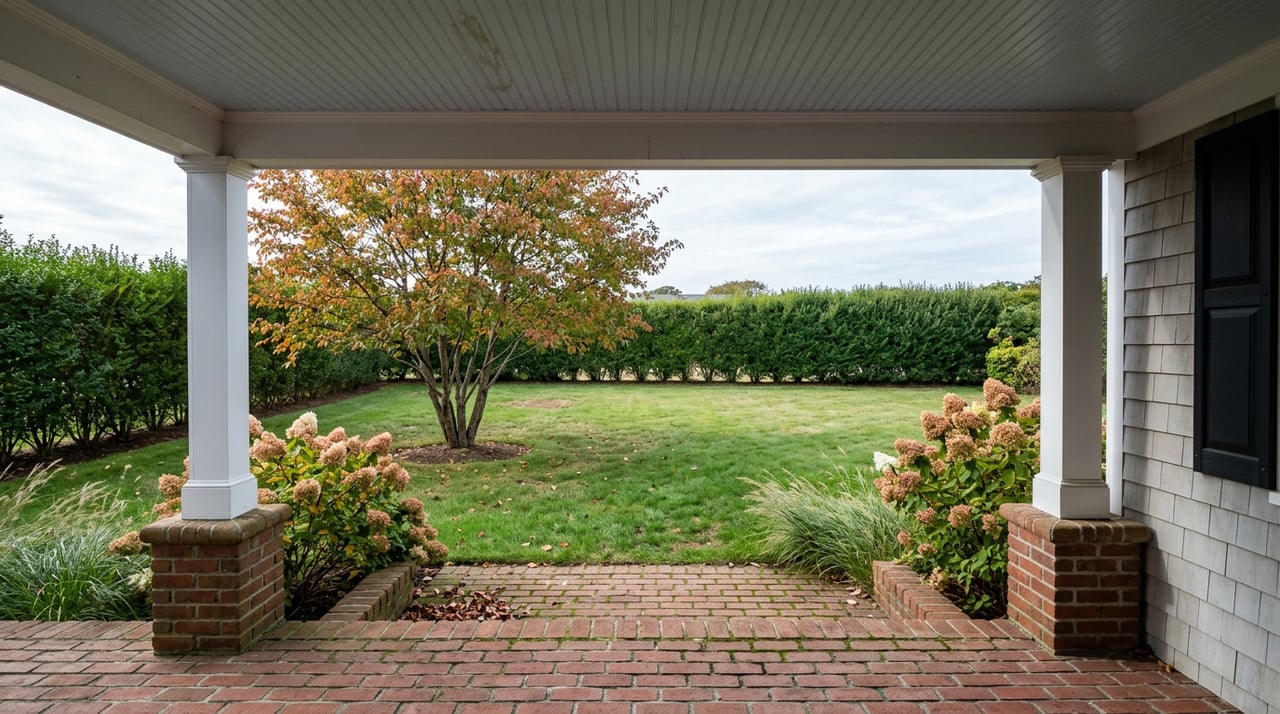
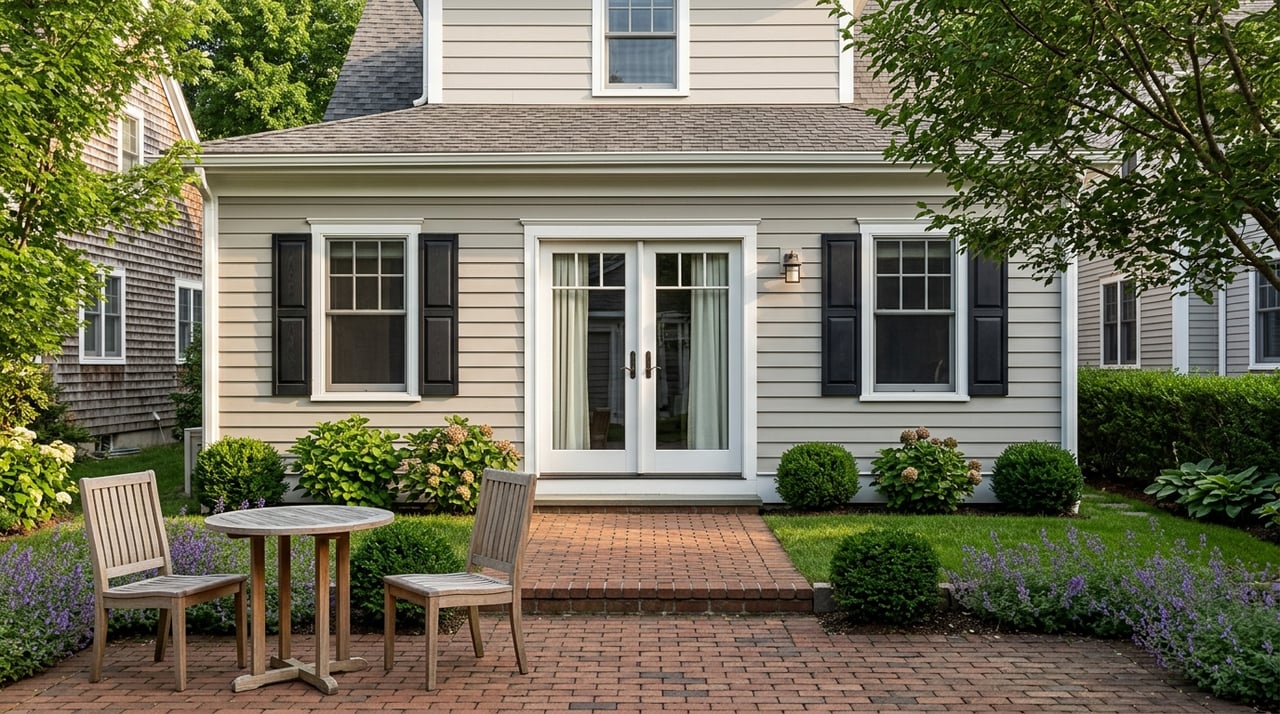
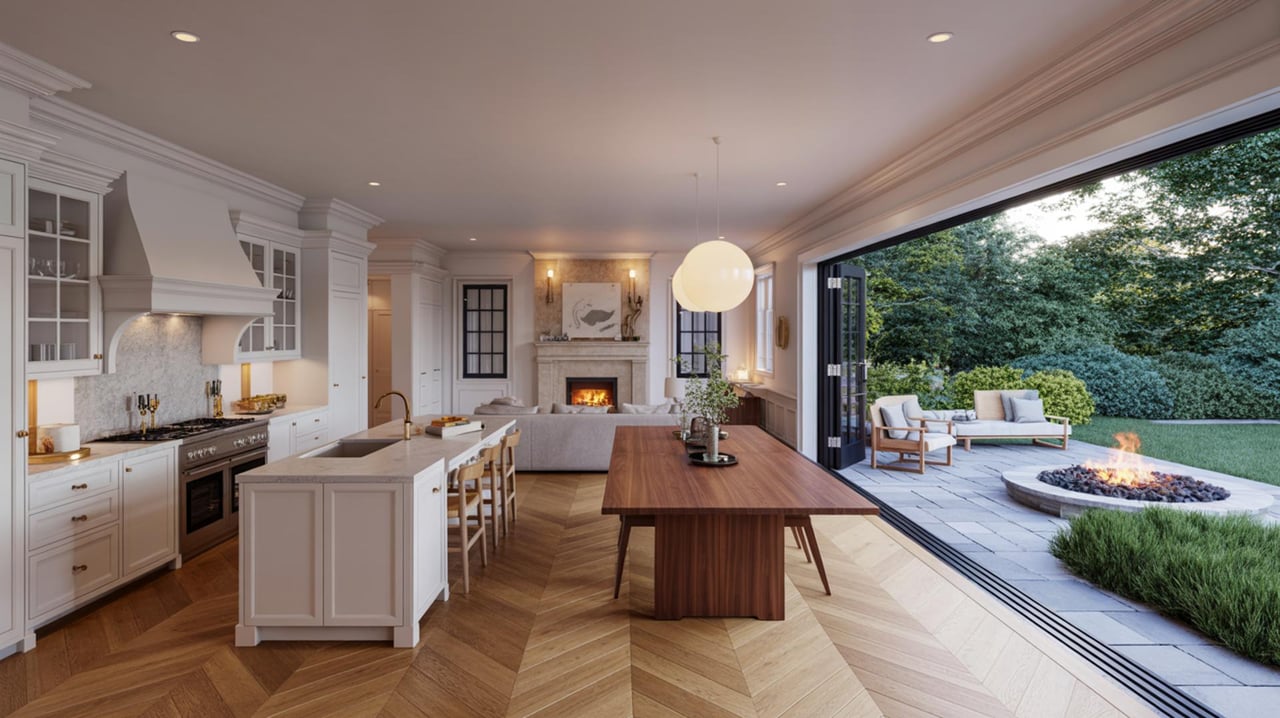
If you want a private yard, patio, or roof deck, a townhouse often provides it. Condos sometimes include balconies or shared courtyards. Some garden-style condos have small yard areas that may be common or limited common space, so confirm what you actually control.
Parking and commute
Parking is a key differentiator in Brookline. Some townhouses include a deeded garage or driveway, which is scarce and valuable. Many condos offer assigned spaces, uncovered lots, or garage parking, sometimes with waitlists. If you rely on the MBTA Green Line or commuter rail, a condo near Coolidge Corner, Washington Square, or Brookline Village might offset limited parking needs.
Accessibility, pets, and rentals
Older buildings and townhouses often include stairs. If elevator access is important, focus on mid-rise or newer condo buildings. Pet and rental policies are set by condo bylaws, while fee-simple townhouses generally have fewer restrictions unless a private HOA exists. Always confirm the rules before you fall in love with a home.
Financing and resale considerations
Condo underwriting basics
Lenders review more than your credit and income for condos. They also underwrite the building itself, including owner-occupancy ratios, reserves, litigation, and insurance coverage. Some loans require the condo to meet specific project eligibility criteria.
FHA, VA, and approvals
FHA and VA loans may require the condo project to be on an approved list. Fee-simple townhouses are usually treated like single-family homes for underwriting. If a building was recently converted to condos, expect extra scrutiny from lenders.
Resale and buyer pools
Condos often attract first-time buyers, investors, and downsizers, which can help with resale liquidity. Townhouses appeal to move-up buyers who value privacy and outdoor space. Both can perform well if the location, condition, and parking align with demand.
Renovations and local rules
Historic districts and exterior changes
Parts of Brookline fall within local historic districts. Exterior changes in those areas may require review by the Preservation Commission. If you plan to alter windows, facades, or porches, understand the approval process before you buy.
Zoning, expansion, and ADUs
Brookline zoning regulates setbacks, lot coverage, and floor area. That impacts additions like dormers, decks, and vertical expansions. Accessory Dwelling Units are increasingly supported by statewide policy, but local bylaws and permitting still apply. Confirm what is possible on the specific lot.
Short-term rentals
Short-term rental rules can change. Many associations restrict them, and the town may require registration and taxes. If rental income is part of your plan, verify both local ordinances and association bylaws.
Permits and common elements
Any significant work typically needs permits and inspections. In condos, exterior or common-element work will require association approval. Plan timelines accordingly, especially if you are coordinating a move or a phased renovation.
Due diligence checklist for Brookline buyers
For condos
- Master deed, declaration, bylaws, rules and regulations
- Current budget, reserve study, and last 12 to 24 months of meeting minutes
- Insurance certificate and master policy details, including deductibles
- History of special assessments and schedule of planned capital projects
- Owner-occupancy and rental ratios, plus any pending litigation
- Parking assignments, storage allocations, and laundry setup
For fee-simple townhouses
- Deed and any recorded covenants or shared driveway and parking easements
- Any HOA agreements if shared elements exist
- Recent survey if available, plus utility information
Inspection priorities for both
- Structural: foundation, roof age, chimney condition, signs of water intrusion
- Mechanical: heating and hot water systems, electrical panels, plumbing types and age
- Environmental and safety: lead paint in pre-1978 homes, asbestos in older insulation, and any knob-and-tube wiring
- Soundproofing and party wall conditions in attached homes
- Moisture risks: basement grading and drainage, prior water events
Financial check
- Verify tax history and any exemptions
- For condos, assess reserve strength relative to the building’s age and systems
Decision criteria: which fits you
- Budget: weigh purchase price, condo fees, and maintenance responsibilities.
- Maintenance tolerance: prefer hands-off living with an association, or comfortable managing exterior work.
- Outdoor space: need a yard or larger patio, or content with a balcony or shared courtyard.
- Privacy and noise: value separation and a private entry, or fine with shared corridors.
- Parking: need a deeded garage or driveway, or plan to prioritize transit access.
- Transit and walkability: importance of being close to the Green Line and neighborhood hubs.
- Renovation flexibility: desire to change exteriors or add living space, or satisfied with interior updates.
- Financing needs: require FHA or VA, or flexible with conventional options.
- Resale horizon: consider who your future buyer is likely to be in three to seven years.
- Association health: strong reserves and clear rules lower risk.
Real-world scenarios and best fits
A relocating professional near Longwood
You want a short commute, low maintenance, and walkability to shops and transit. A professionally managed condo near Coolidge Corner or Brookline Village fits well. Confirm what utilities the fee covers, pet policies, and how responsive management is.
A young family seeking space and a small yard
You need three bedrooms, some outdoor space, and room for strollers and gear. A fee-simple townhouse in Brookline Village, Washington Square, or Brookline Hills can work if budget allows. Check for deeded parking and the potential to finish a basement or add storage later.
A move-up buyer needing a garage and privacy
You want a home office, a private entry, and parking for two cars. A townhouse with a garage or a small single-family alternative on the Chestnut Hill edge can deliver the space and ownership control you want. Inspect roof, siding, and windows to plan a long-term maintenance budget.
An investor or owner planning future rentals
You need flexible rental rules and transparent building finances. A condo where bylaws allow rentals is key. Confirm any minimum lease terms, registration requirements, and the association’s stance on short-term rentals.
A downsizer who values character and convenience
You want historic charm without heavy upkeep. A well-run condo in a historic conversion, with an elevator if needed, offers style and simplicity. Review reserves and recent capital projects to ensure predictable fees.
Next steps to compare homes with confidence
- Speak with a Greater Boston lender about condo project requirements and how they affect your loan options.
- Request condo documents early so you can review budgets, reserves, and rules before your offer hardens.
- Book a home inspection with attention to older-home issues common in Brookline, including lead paint, steam systems, and chimney condition.
- Map your must-haves: parking, transit, outdoor space, and renovation flexibility.
If you want an experienced partner to help you weigh these tradeoffs and forecast renovation costs with clarity, reach out to Anne Kennedy Homes. You will get candid guidance, a structured plan, and a smooth path to the right fit.
FAQs
Will condo fees go up after I buy in Brookline?
- Fees can change based on budgets, reserves, and repair needs, so review the reserve study, past assessments, and planned projects before committing.
Is financing harder for condos than for townhouses in Brookline?
- It can be, since lenders also underwrite the condo’s financial health, owner-occupancy, and insurance, while fee-simple townhouses are treated more like single-family homes.
Which option is better for pets in Brookline?
- Fee-simple townhouses usually have fewer restrictions, while condos follow bylaws that may limit pet size, number, or require registration.
Do condos lose value faster than townhouses in Brookline?
- Performance depends on location, condition, parking, and demand, with condos benefiting from a broad buyer pool and townhouses earning premiums for land and privacy.
What are the biggest risks when buying a Brookline condo?
- Underfunded reserves, potential special assessments, building litigation, and restrictive bylaws are common risks, especially in older buildings with major systems due for updates.