Wondering whether Watertown should be on your shortlist? If you want a close-in Greater Boston location with a mix of housing types, strong access to Cambridge and Boston, and a day-to-day lifestyle shaped by the Charles River, Watertown may be worth a serious look. The key is understanding what the city actually offers, how it is changing, and whether that lines up with how you want to live. Let’s dive in.
Why Watertown Stands Out
Watertown is a compact city in Middlesex County, about six miles northwest of Boston on the Charles River. It borders Belmont and Cambridge to the north, Boston and Newton to the south, and Waltham to the west, giving you a highly connected location in the inner Greater Boston area. The city describes itself as a small place that packs a lot into a limited land area, and that framing fits the experience of living there. (Geographic and topographic information from the city)
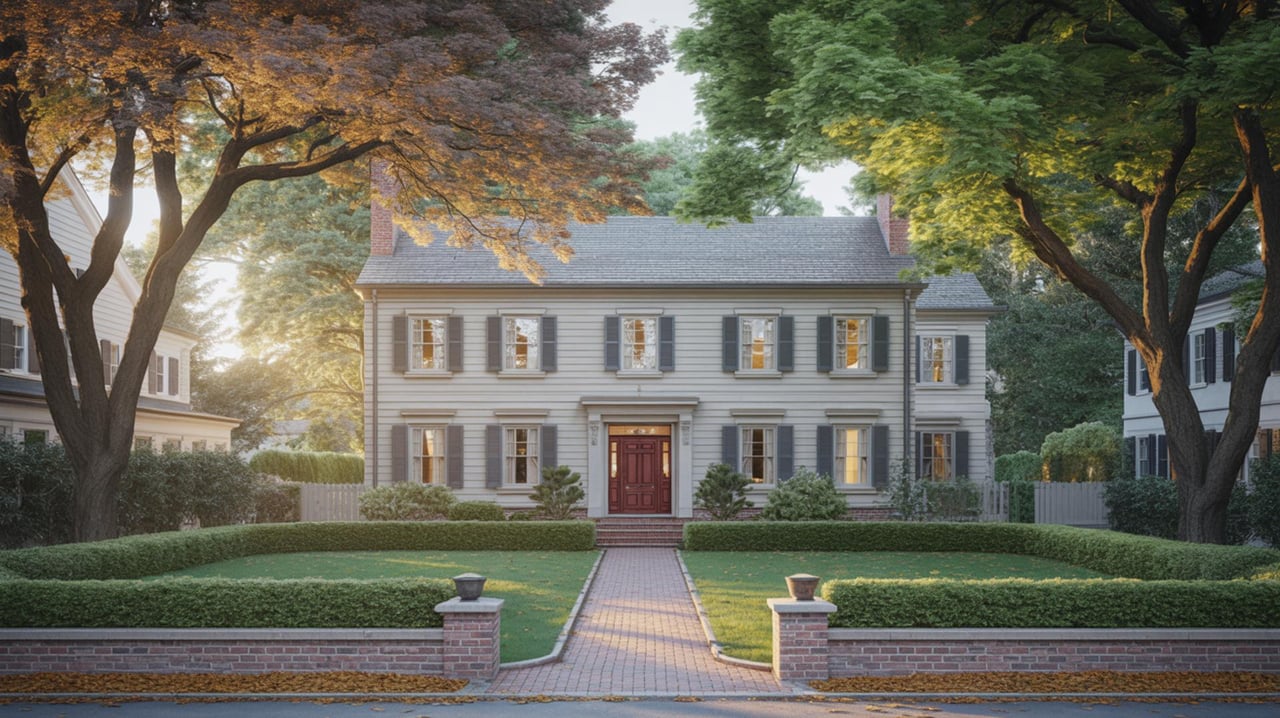
What often draws buyers in is the balance. Watertown can feel more neighborhood-scaled than a major urban core, but it also has more density, more mixed-use areas, and more housing variety than a classic single-family suburb. If you want a place that feels connected rather than isolated, that is an important part of the appeal.
Watertown Character and Identity
Watertown has a long civic history dating back to 1630, and the city highlights diversity, sustainability, parks, the farmers market, and the arts as part of everyday life. It is also home to one of the largest Armenian diaspora communities in the country, which adds to the city’s cultural identity and local character. (City overview and community identity)
The built environment also tells a story. Watertown’s history as a mill village and later as the home of the Watertown Arsenal still shapes parts of the city today, especially along the river and in former industrial areas that have evolved into new mixed-use destinations. (History of economic development in Watertown)
Housing Options in Watertown
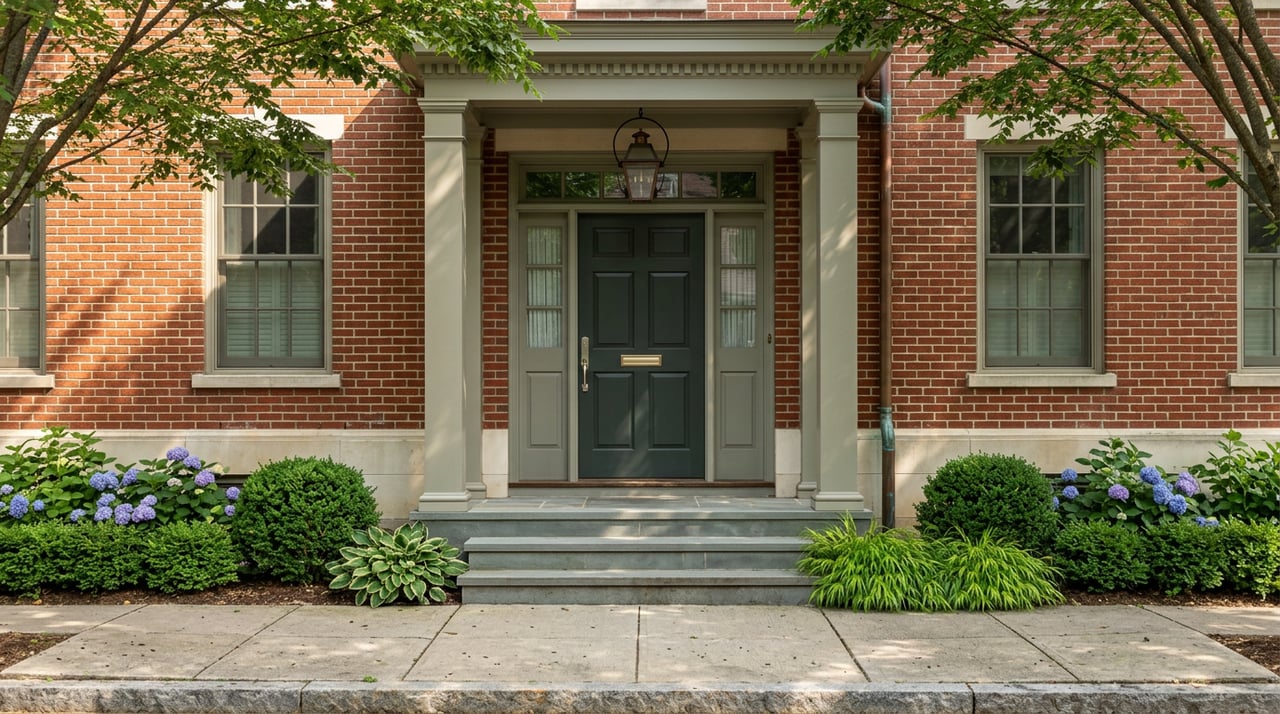
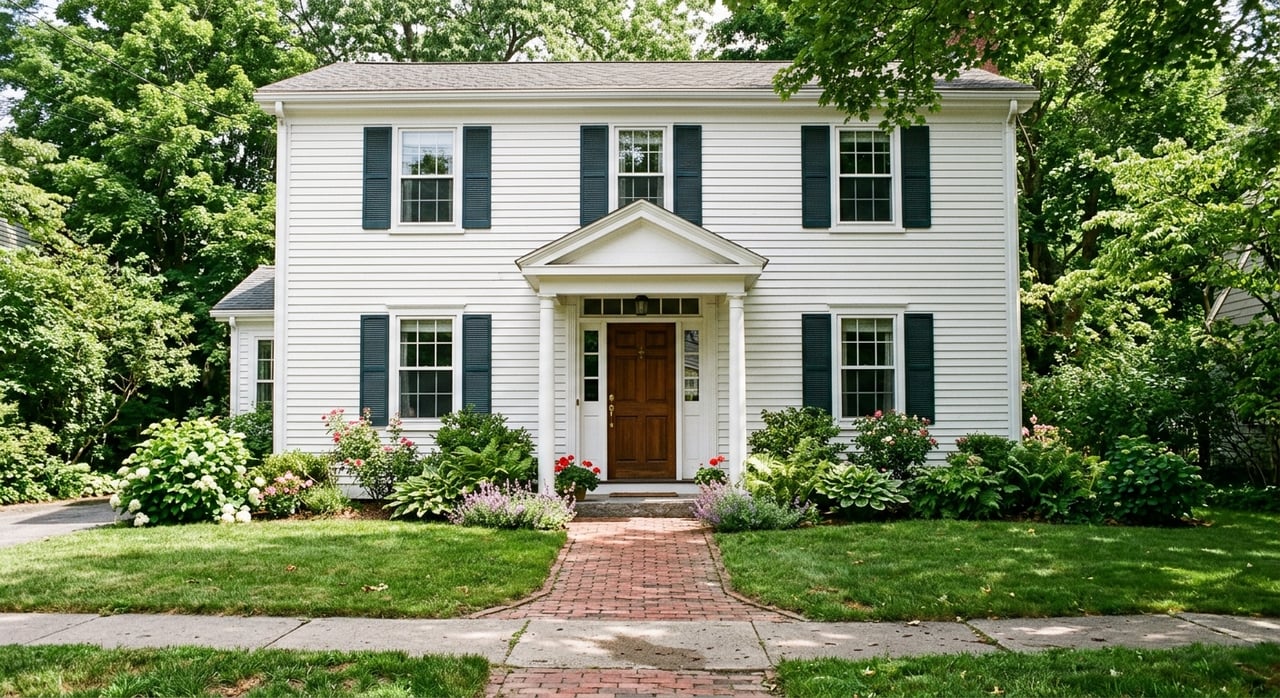
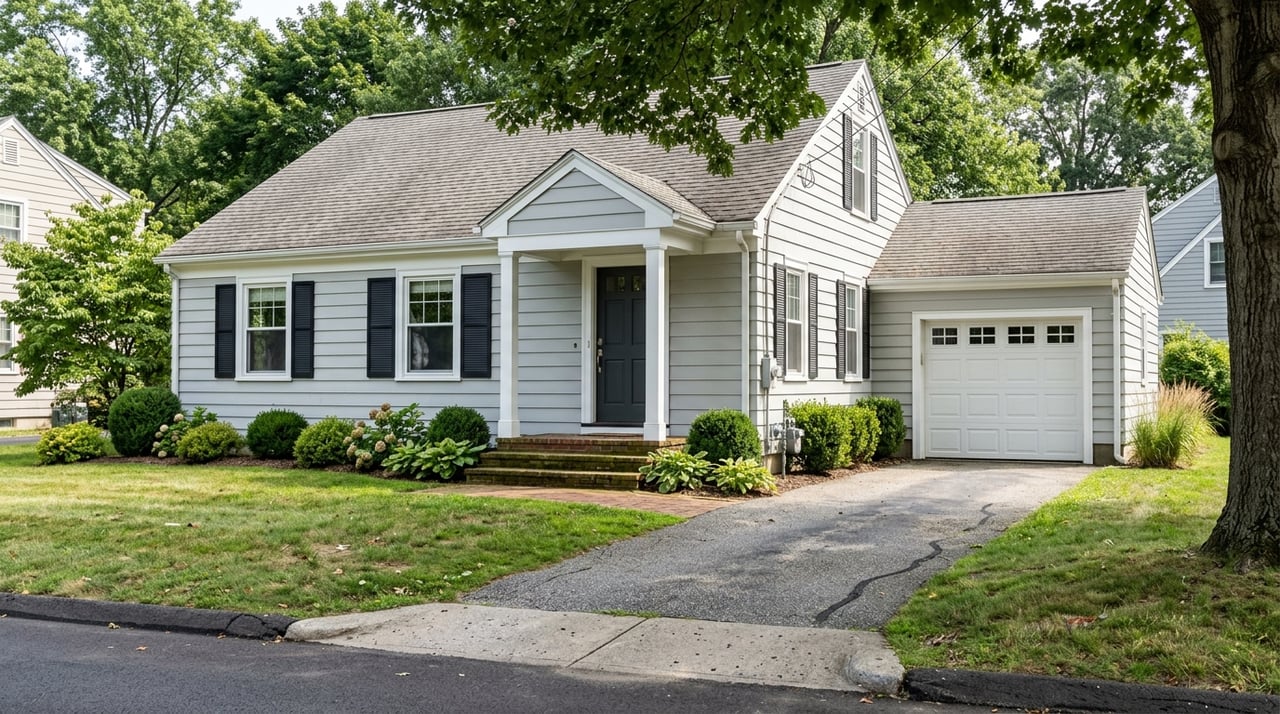
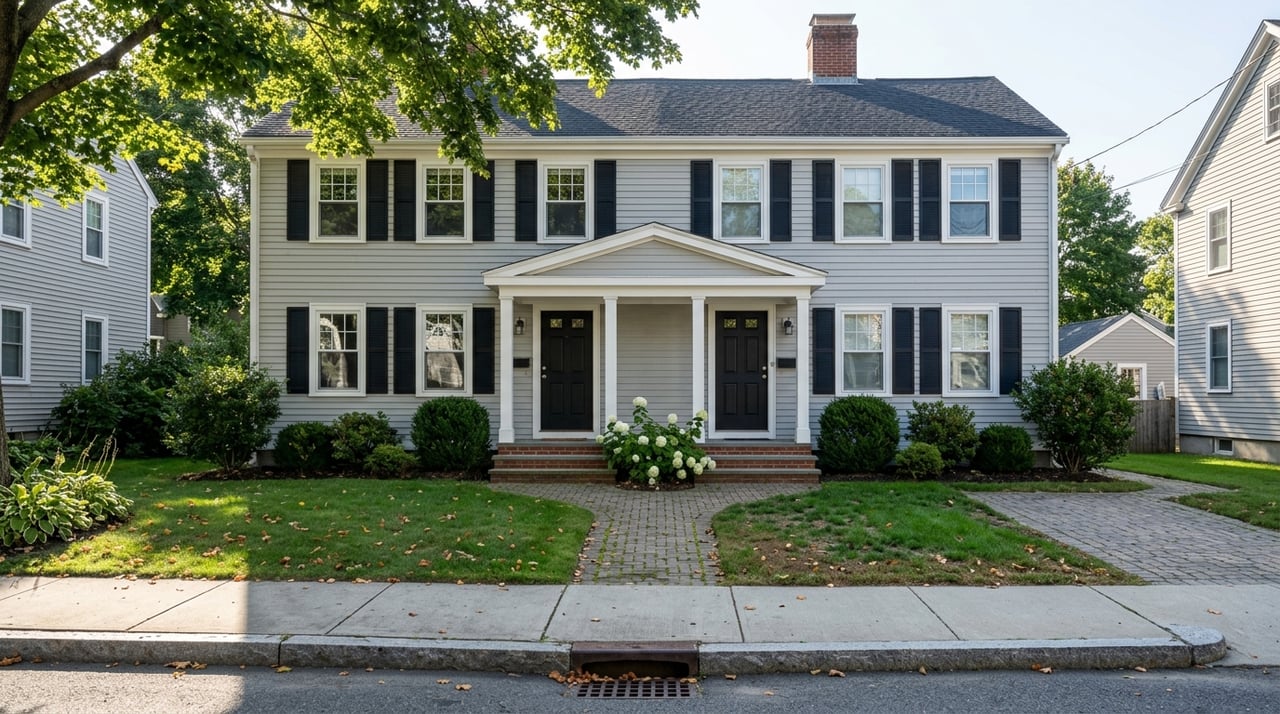
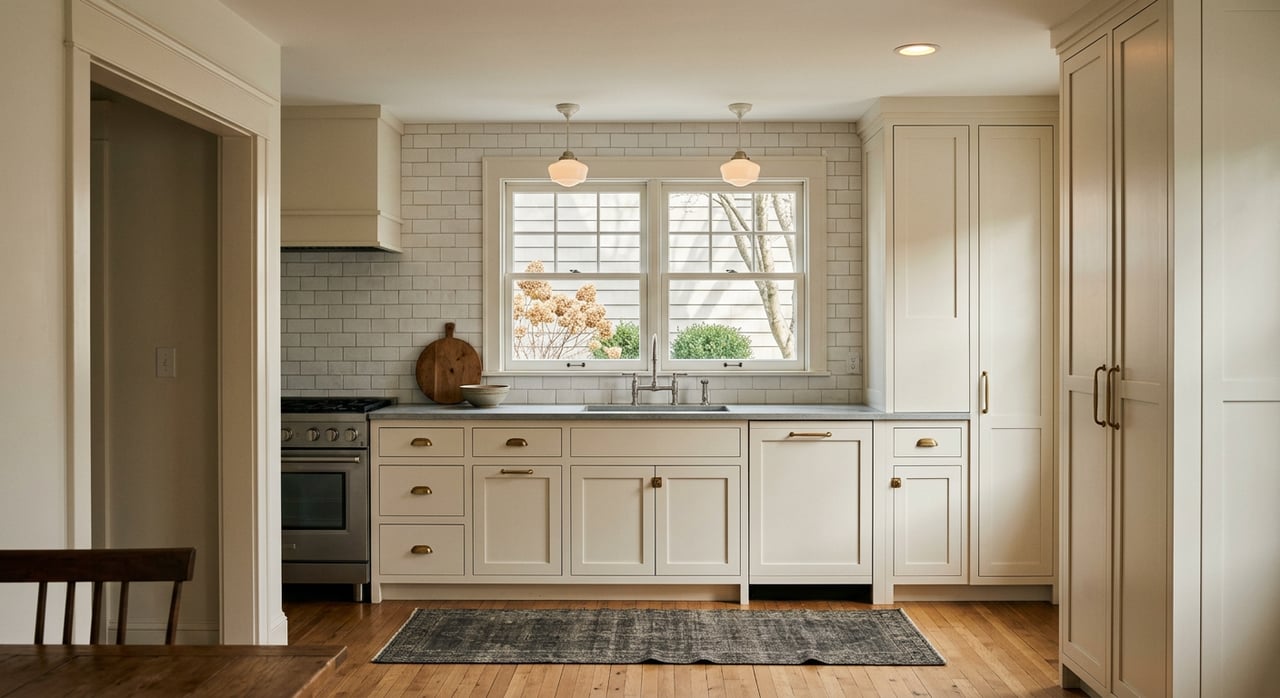
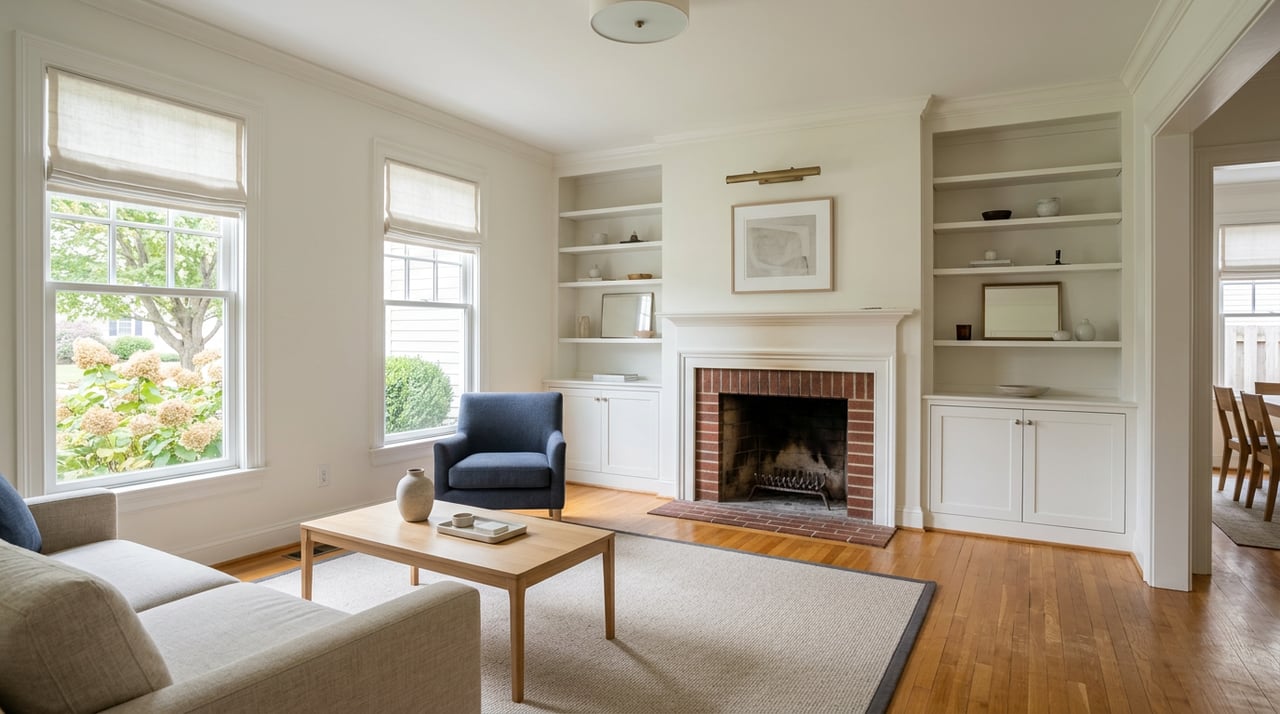
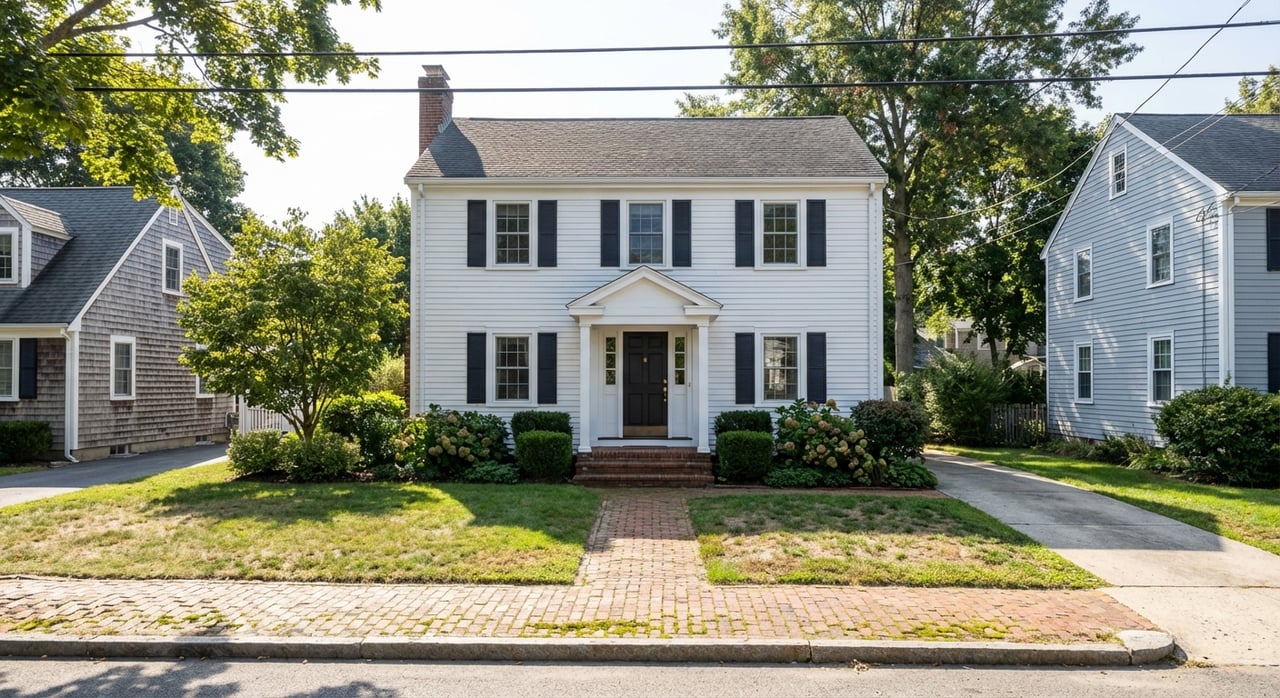
If you are comparing Watertown with nearby communities, the housing mix is one of the biggest differences. According to Housing MA’s Watertown report, about 34% of housing units are single-family, 43.16% are in 2-to-4-unit buildings, and 23.0% are in buildings with five or more units.
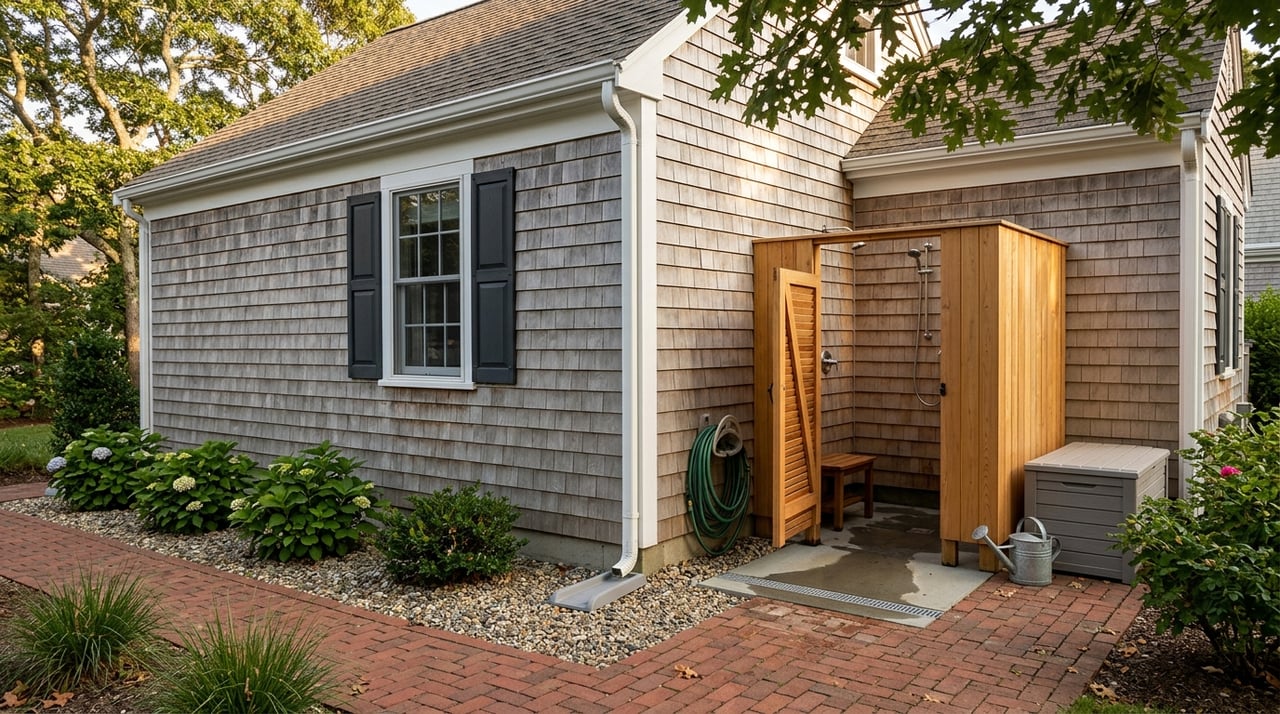
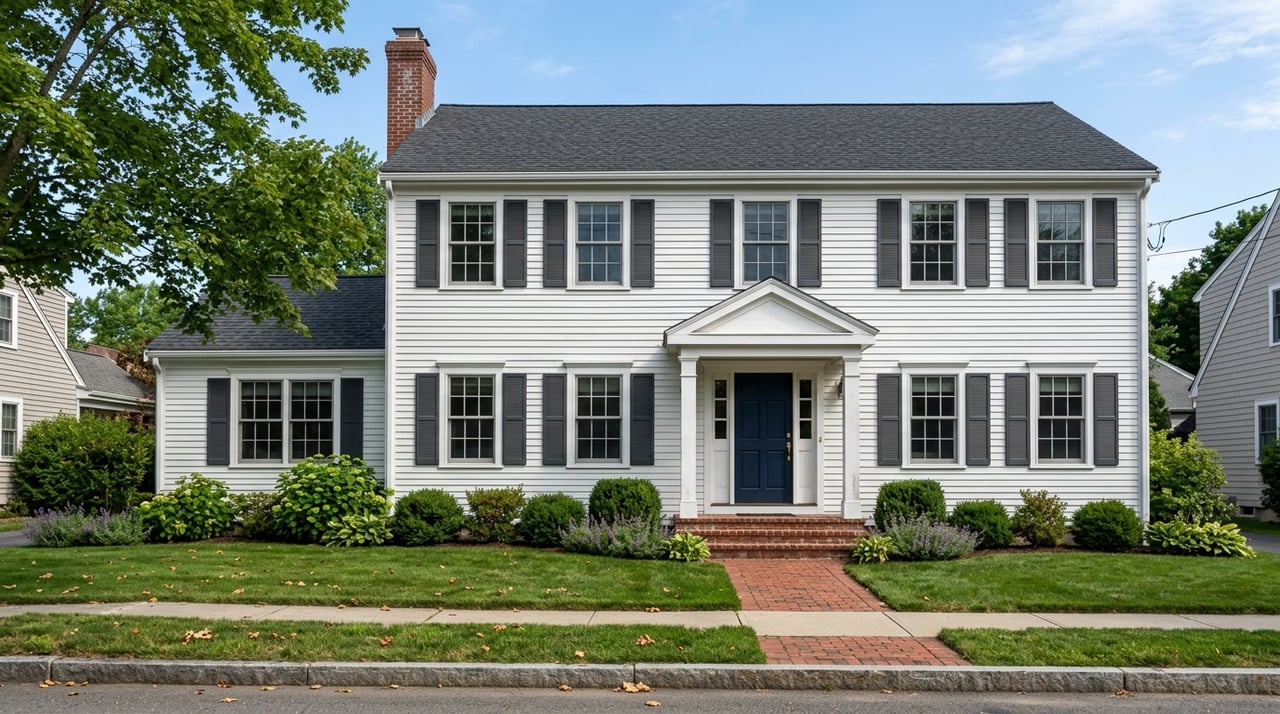
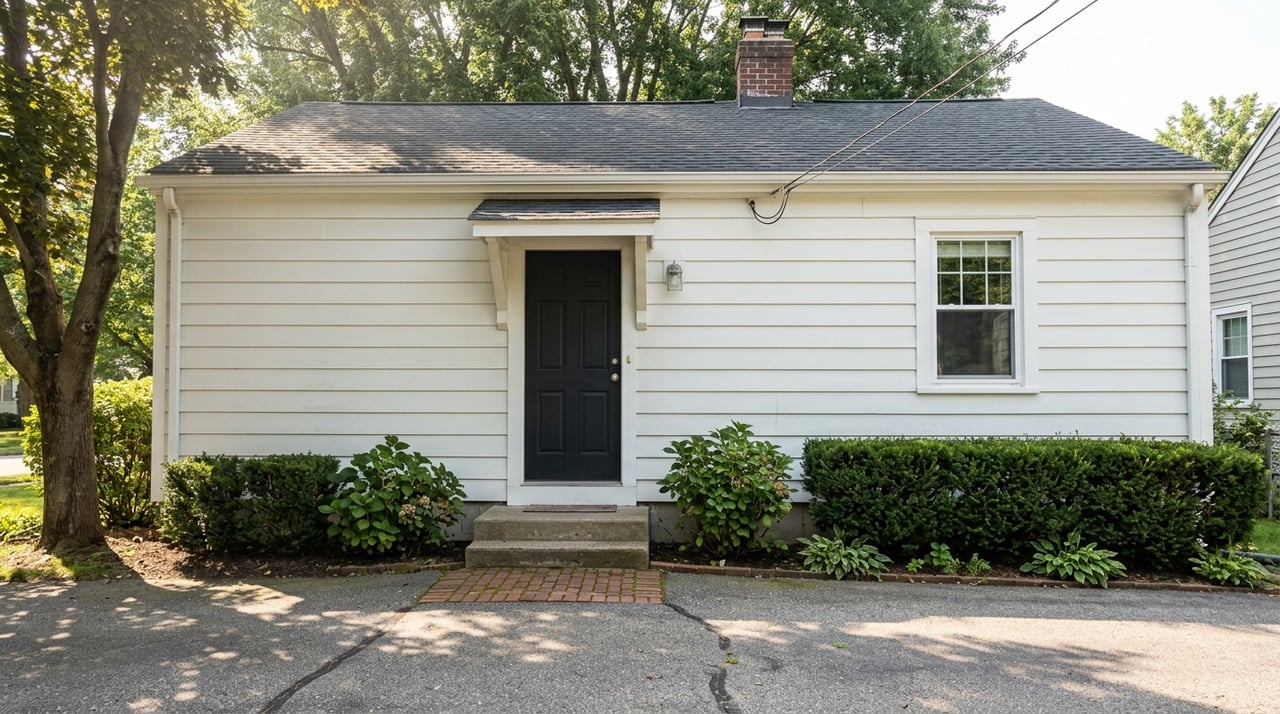
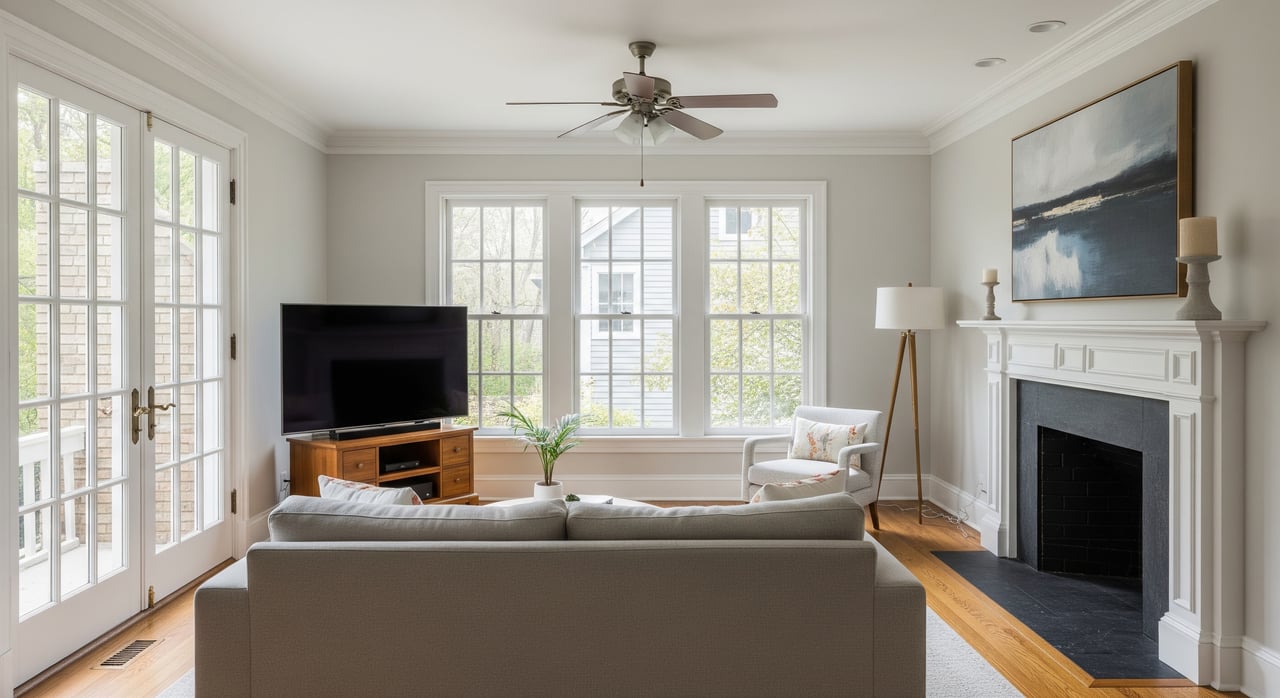
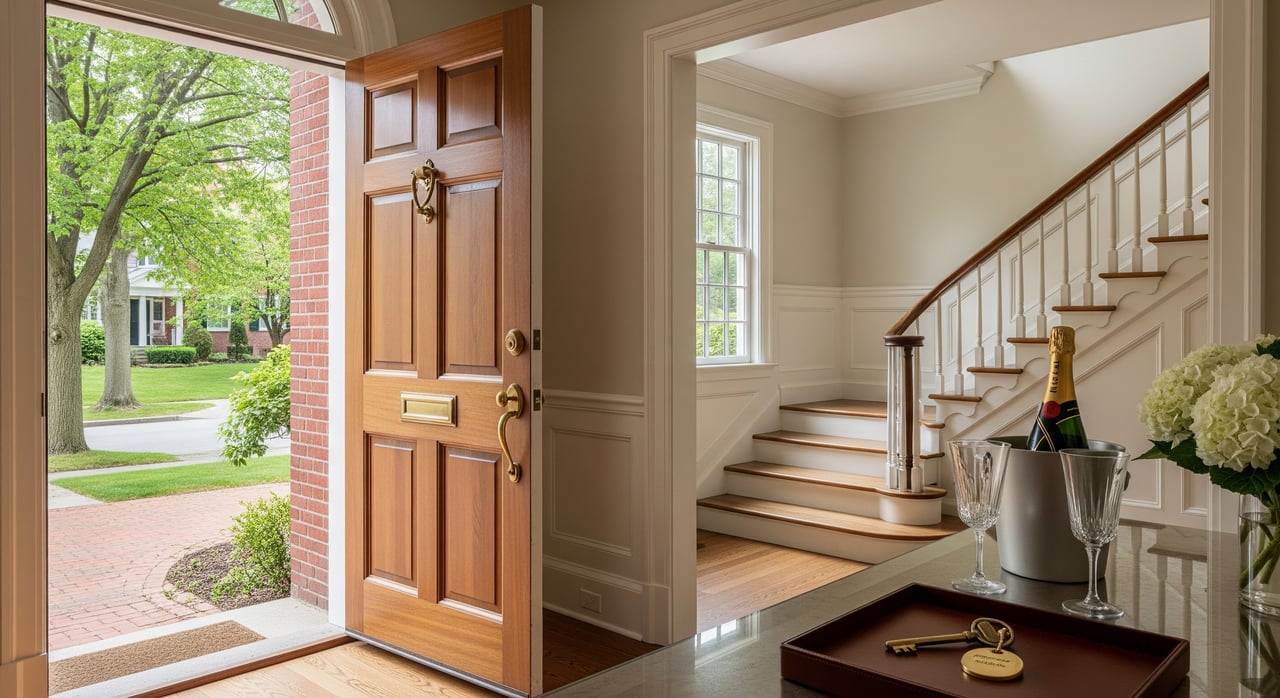
That means you are not looking at a market dominated by just one home style. Instead, Watertown offers a layered mix that can include single-family homes, condos, multifamily properties, and apartments. For buyers, that can create more pathways into the market depending on your budget, space needs, and long-term goals.
What the Housing Mix Means for You
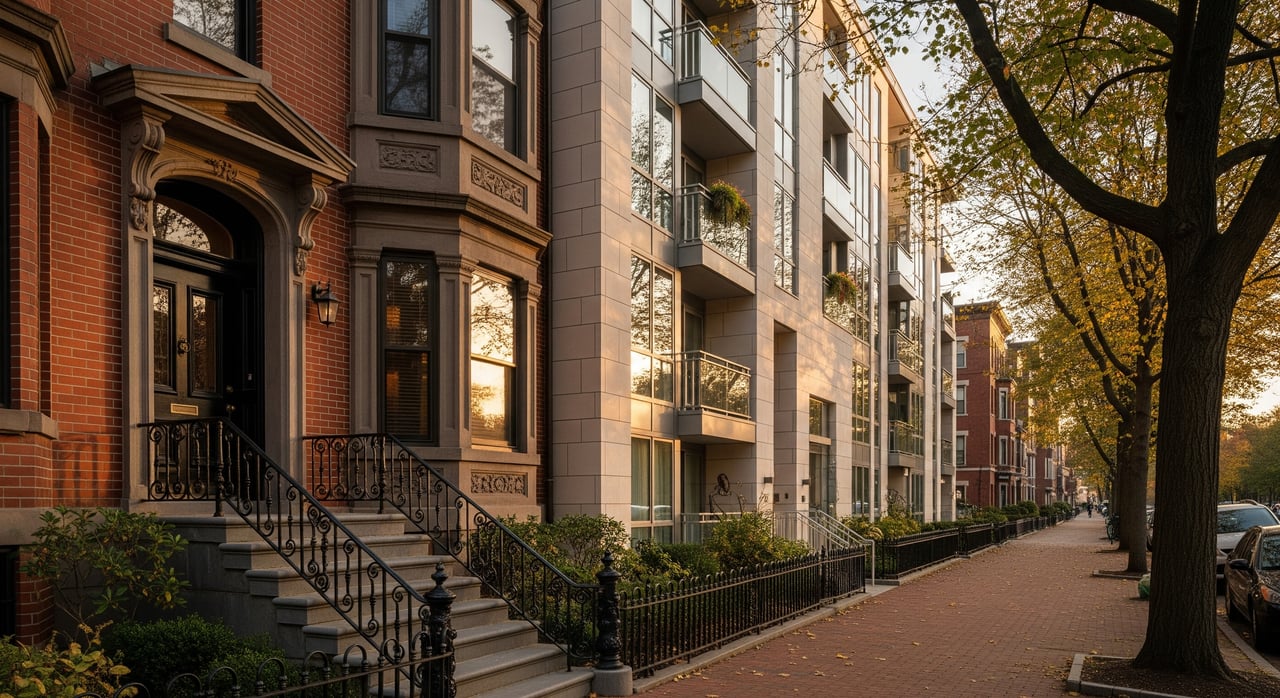
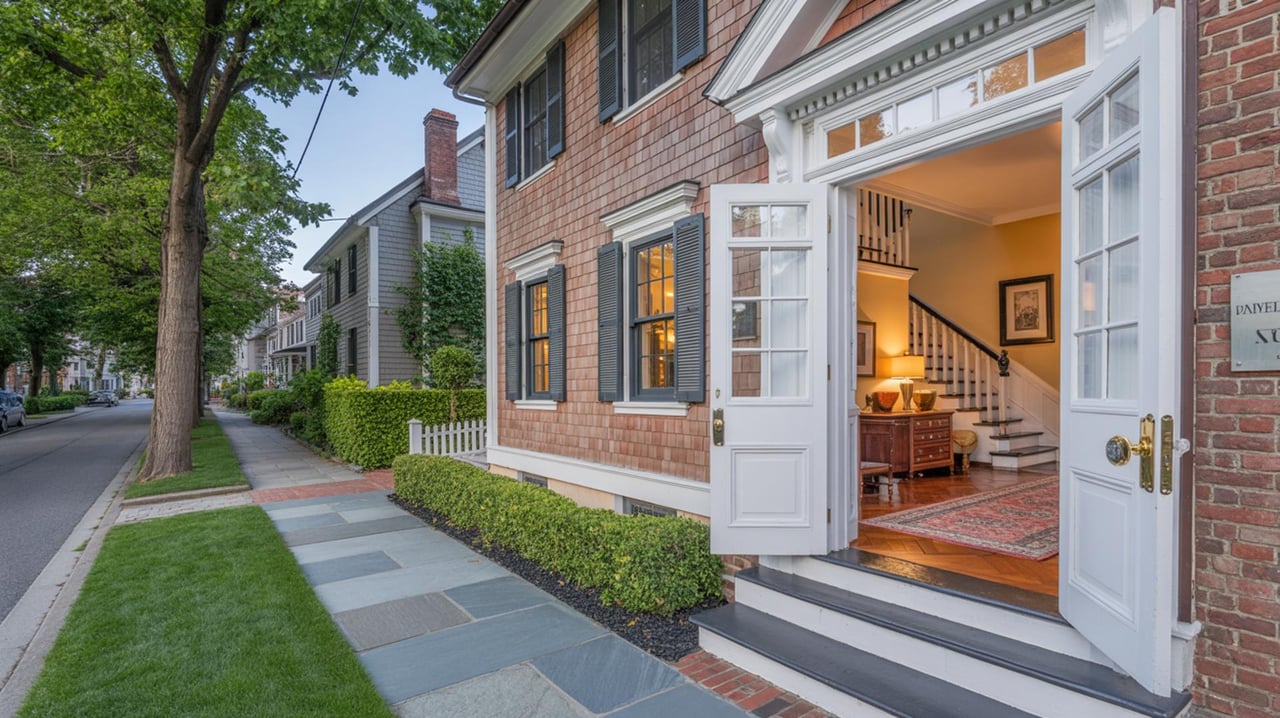
A strong share of 2-to-4-unit housing often signals an older, denser inner-ring community rather than a newer suburban layout. In practical terms, you may find homes on smaller lots, attached or semi-attached options, and properties that reflect different eras of development.
If you are a first-time buyer, that may open up alternatives beyond a traditional detached house. If you are looking for a two-family or multifamily property, Watertown’s housing profile may be especially relevant. And if you are focused on single-family homes, it is useful to know that they are part of the mix, but not the whole story.
Cost and Market Context
Census QuickFacts provides useful context for Watertown’s housing costs and demographics. The latest QuickFacts data shows owner-occupied housing units account for 47.7% of the housing stock, the median value of owner-occupied homes is $784,600, median gross rent is $2,502, median household income is $126,265, and 66.5% of adults age 25 and older have a bachelor’s degree or higher.
Those figures help set expectations. Watertown is not an entry-level market by Greater Boston standards, but it can still offer a different value equation than some neighboring communities depending on the type of property you want. As always, the right fit depends on whether you are prioritizing location, square footage, property type, renovation potential, or access to nearby job centers.
Getting Around Watertown
Transit is an important part of the Watertown conversation. The city notes that MBTA bus lines operate in town and connect riders to subway and light-rail service, while commuter rail stations are available in neighboring communities. The Watertown Transportation Management Association also runs a shuttle along Pleasant Street to Watertown Square with express service to Harvard Square in Cambridge.
That means your commute may look different here than in a commuter-rail-centered suburb. Watertown is bus-led when it comes to public transit, and that works well for some households while others may prefer to drive, bike, or combine several modes of travel.
Multimodal Living
Watertown also presents itself as a place you can navigate by walking, biking, transit, or driving. That flexibility matters if you want options in your daily routine rather than relying on a single transportation pattern. (City transportation overview)
For many buyers, this is one of Watertown’s strengths. You are not just choosing a home. You are choosing how you move through the week, whether that means commuting into Cambridge, heading toward Boston, biking along the river, or keeping errands close to home.
Parks, River Access, and Recreation
If outdoor access matters to you, Watertown has strong assets for a compact city. The city says it maintains 13 parks totaling 88 acres, plus the Whitney Hill Conservation Area, and it highlights the Charles River Reservation’s 20-mile Dr. Paul Dudley White Charles River Bike Path that connects Watertown to Downtown Boston and Waltham. (Transportation and open-space information from the city)
The river is not just a backdrop here. Watertown’s Open Space and Recreation Plan 2023-2030 emphasizes maintaining and expanding recreational use around the Charles River while improving multimodal connections between neighborhoods and regional open-space resources.
That focus can shape your everyday experience in a real way. If you value bike access, walking routes, or nearby green space, the river corridor and park system add to Watertown’s livability.
Arsenal Yards and Evolving Amenities
One of the most visible signs of change in Watertown is Arsenal Yards. According to the official Arsenal Yards story page, the development includes shops, local and regional restaurants, entertainment venues, a specialty grocer, residences, green park land, bike paths, river access, and pedestrian walkways.
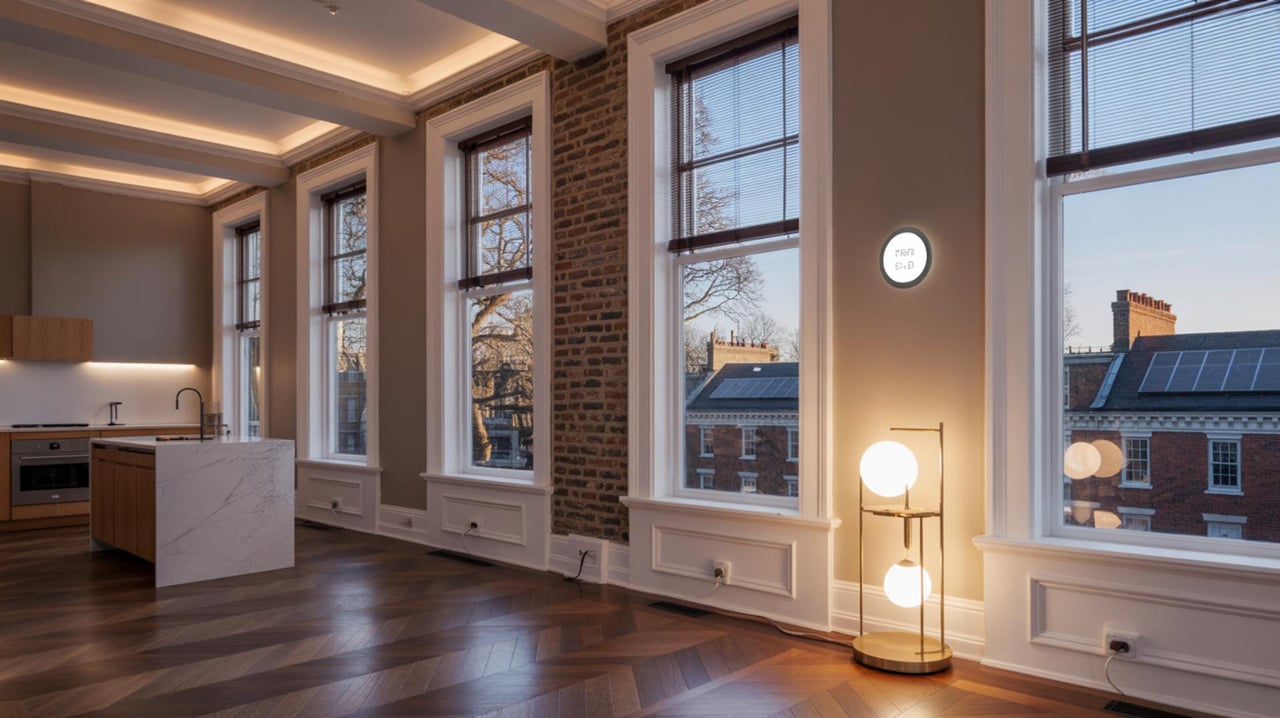
This kind of mixed-use development can be a major plus if you want convenience and activity close by. It also reflects the broader direction of parts of Watertown, where former industrial areas and commercial corridors are being reimagined for contemporary living.
The city is also continuing to invest in public space. Arsenal Park improvements included open Phase B sections such as the skate park and community garden in late 2024, with broader park features scheduled for spring 2025.
A City That Is Still Changing
Watertown is not standing still. The city’s housing office oversees affordable housing requirements and a 2021-2025 Housing Plan, and the city adopted MBTA Communities-compliant zoning in November 2024. The Commonwealth issued a determination of compliance in April 2025.
For you as a buyer or seller, that matters because housing policy influences what gets built, where growth happens, and how commercial nodes evolve over time. In other words, Watertown is a mature community, but it is also one that is actively planning for change.
Watertown Square’s Future
The city’s Watertown Square and MBTA Communities FAQ says the planning area covers 167 acres and includes the traditional downtown as well as more auto-oriented parcels. The stated goals include safer streets, better public spaces, improved river access, and more housing options.
For buyers, that suggests you should think about Watertown not only as it is today, but also as it may function in the years ahead. For sellers, it reinforces the value of understanding micro-locations, redevelopment patterns, and how buyers perceive convenience and long-term upside.
Who Watertown May Suit Best
Watertown often makes sense for buyers who want a neighborhood-scale setting with more urban texture than a farther-out suburb. Its compact footprint, housing diversity, bus-based transit connections, and access to Cambridge and Boston can make it appealing if you want to stay plugged into the region’s larger job and cultural centers.
It may be a strong fit if you are looking for:
- A close-in location near Cambridge, Boston, Newton, Belmont, and Waltham
- More housing variety than a single-family-only suburb
- Access to parks, the Charles River, and bike routes
- Everyday convenience through mixed-use destinations and local centers
- A community that is established but still evolving
It may be less ideal if your top priority is a lower-density setting with a more traditional suburban layout. In that case, the very qualities that make Watertown dynamic may feel busier than what you want.
How to Decide if Watertown Is Right for You
The best way to evaluate Watertown is to match the city’s realities to your own priorities. Think about what matters most in your move, whether that is your commute, housing type, access to outdoor space, walkability, or the feel of the surrounding streets and commercial areas.
It also helps to look beyond broad market averages. In a place with a varied housing stock and changing commercial districts, property-level details matter. Layout, condition, lot size, renovation needs, and location within the city can all shape value and long-term fit.
If you are weighing Watertown against nearby communities, a careful side-by-side review can make the decision much clearer. That is especially true when you want to understand not just price, but what you are actually getting for that price.
If you are considering a move to Watertown or comparing it with nearby Greater Boston communities, Anne Kennedy / Homes can help you evaluate the tradeoffs with clear market guidance, thoughtful buyer advocacy, and practical insight into property condition, renovation potential, and long-term value.
FAQs
What is Watertown, MA like for commuting?
- Watertown relies heavily on MBTA bus service, has nearby commuter rail access in neighboring communities, and offers the WTMA shuttle with express service to Harvard Square.
What types of homes are common in Watertown, MA?
- Watertown has a mixed housing stock, with about 34% single-family homes, 43.16% housing in 2-to-4-unit buildings, and 23.0% in buildings with five or more units.
What gives Watertown, MA its local character?
- Watertown’s character is shaped by the Charles River, its Armenian cultural presence, its history as a mill village and arsenal site, and ongoing investment in parks, public spaces, and mixed-use areas.
Is Watertown, MA changing or staying the same?
- Watertown is actively changing through housing planning, MBTA Communities-compliant zoning, improvements around Watertown Square, and continued development and park investment near Arsenal Yards.
Is Watertown, MA a good fit for buyers who want city access?
- Watertown may appeal to buyers who want a close-in location with access to Cambridge and Boston, a range of housing options, and a more connected, neighborhood-scale setting.