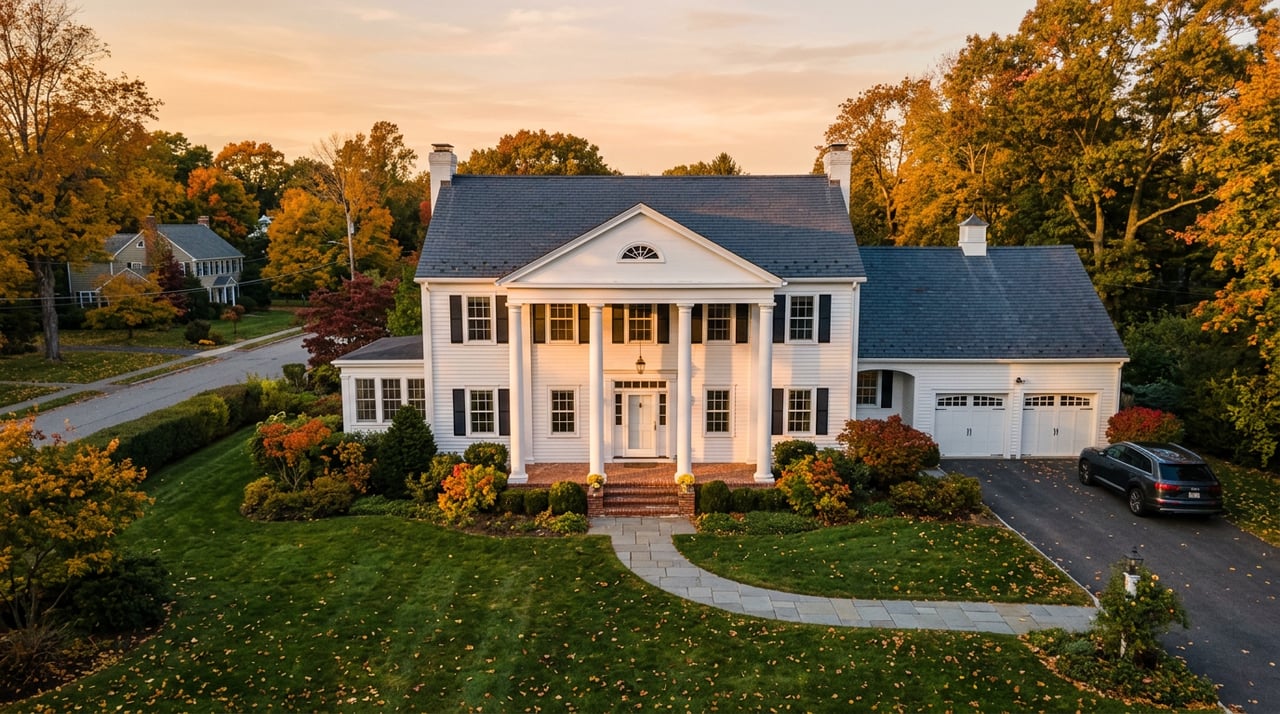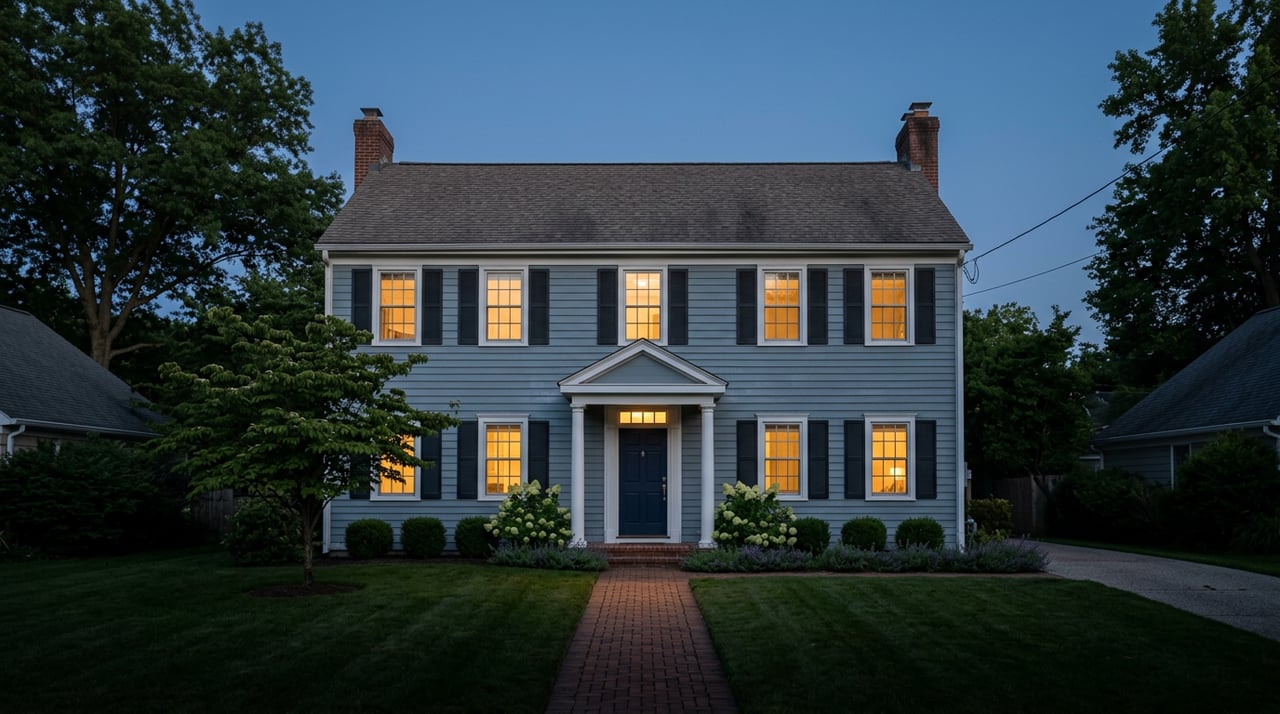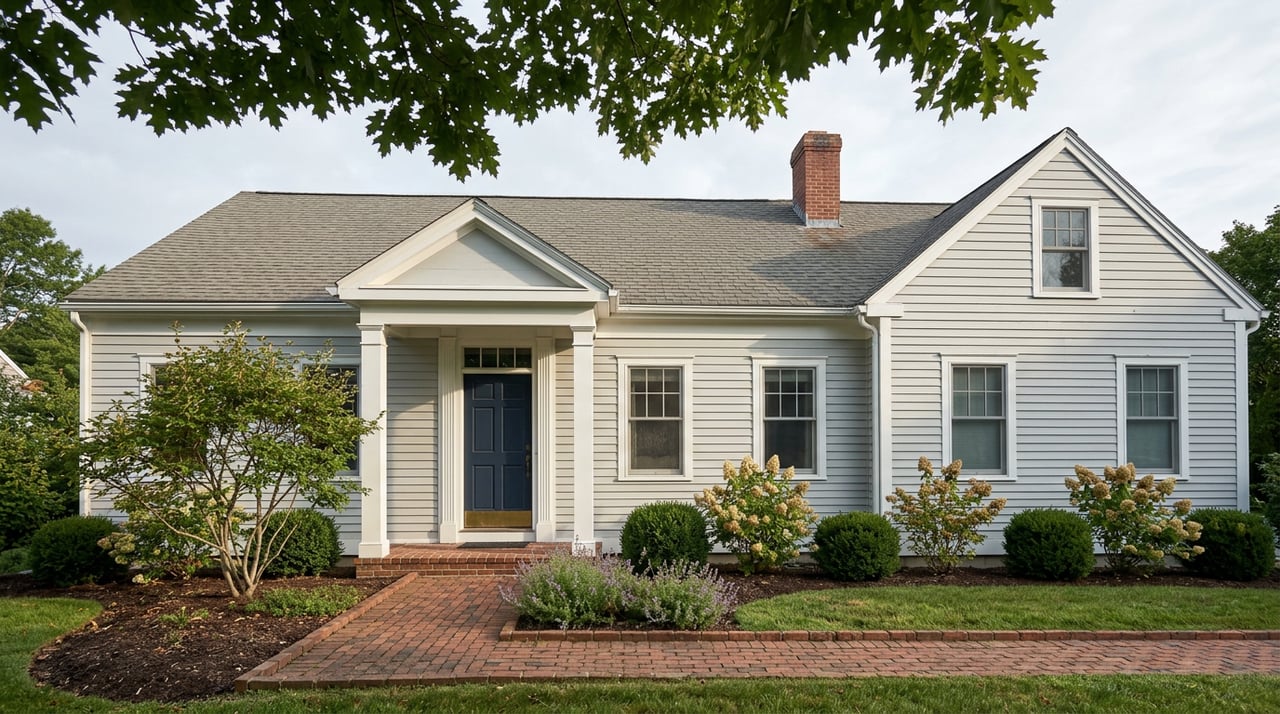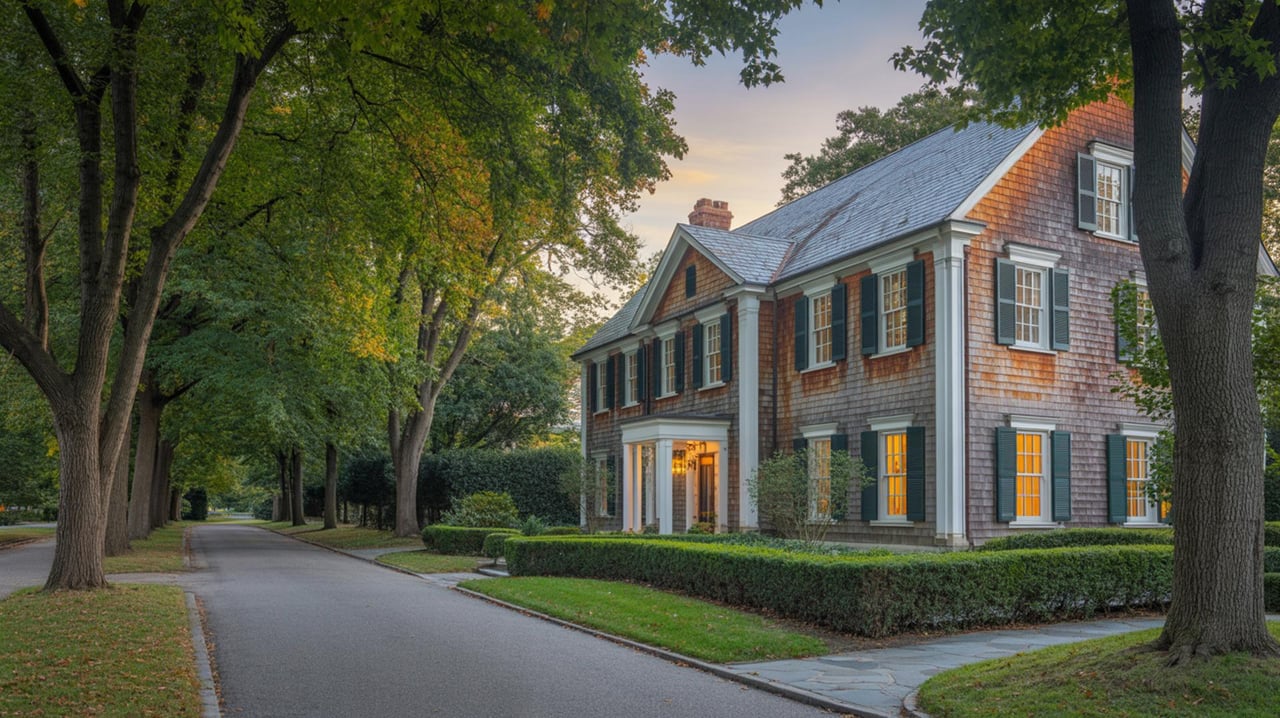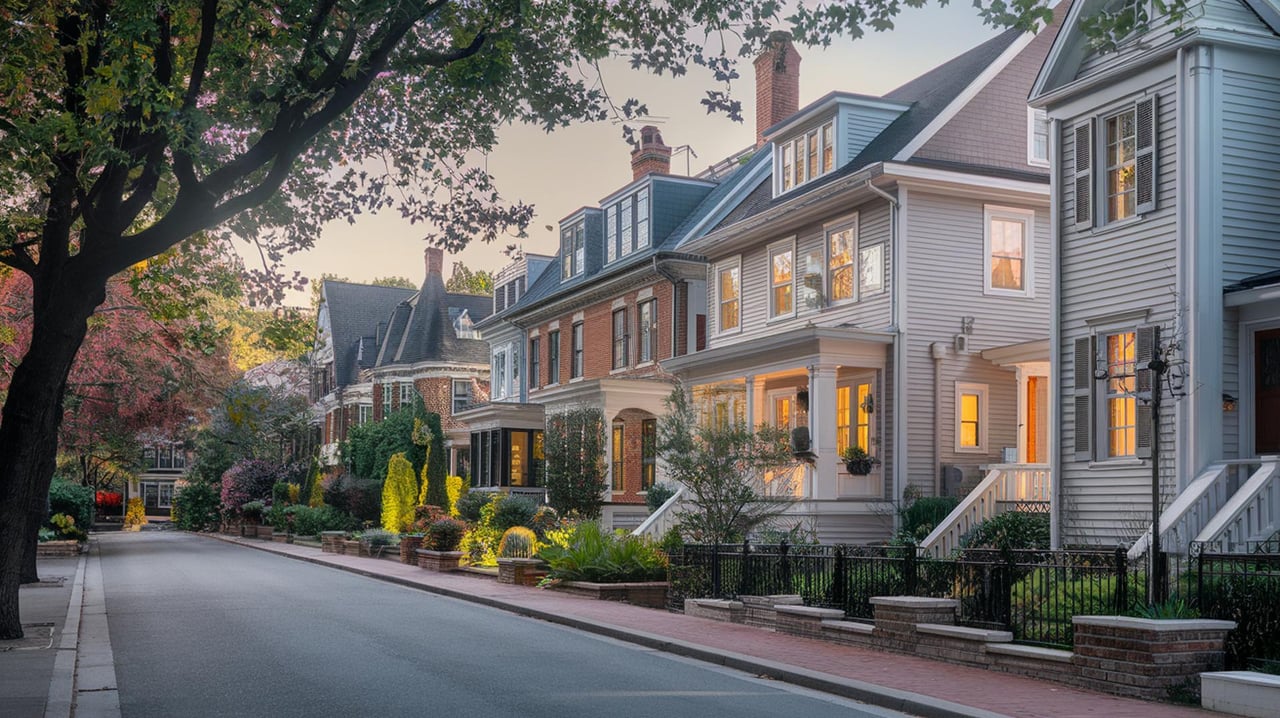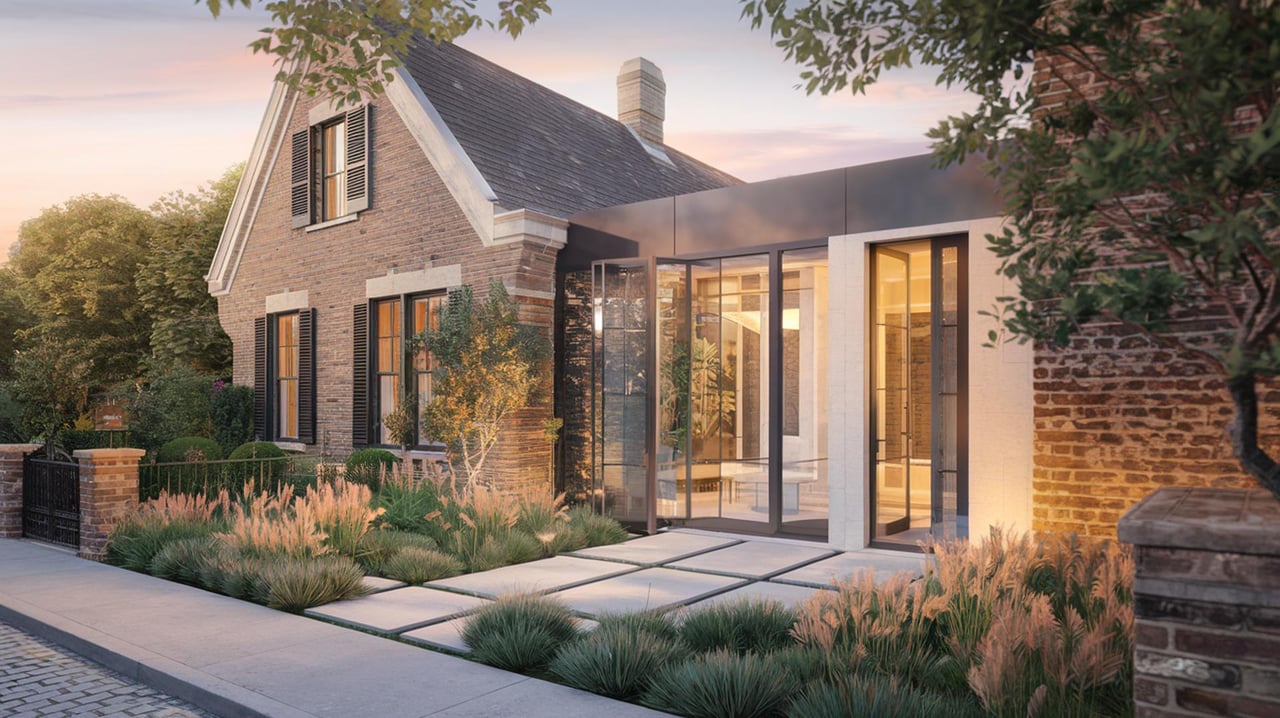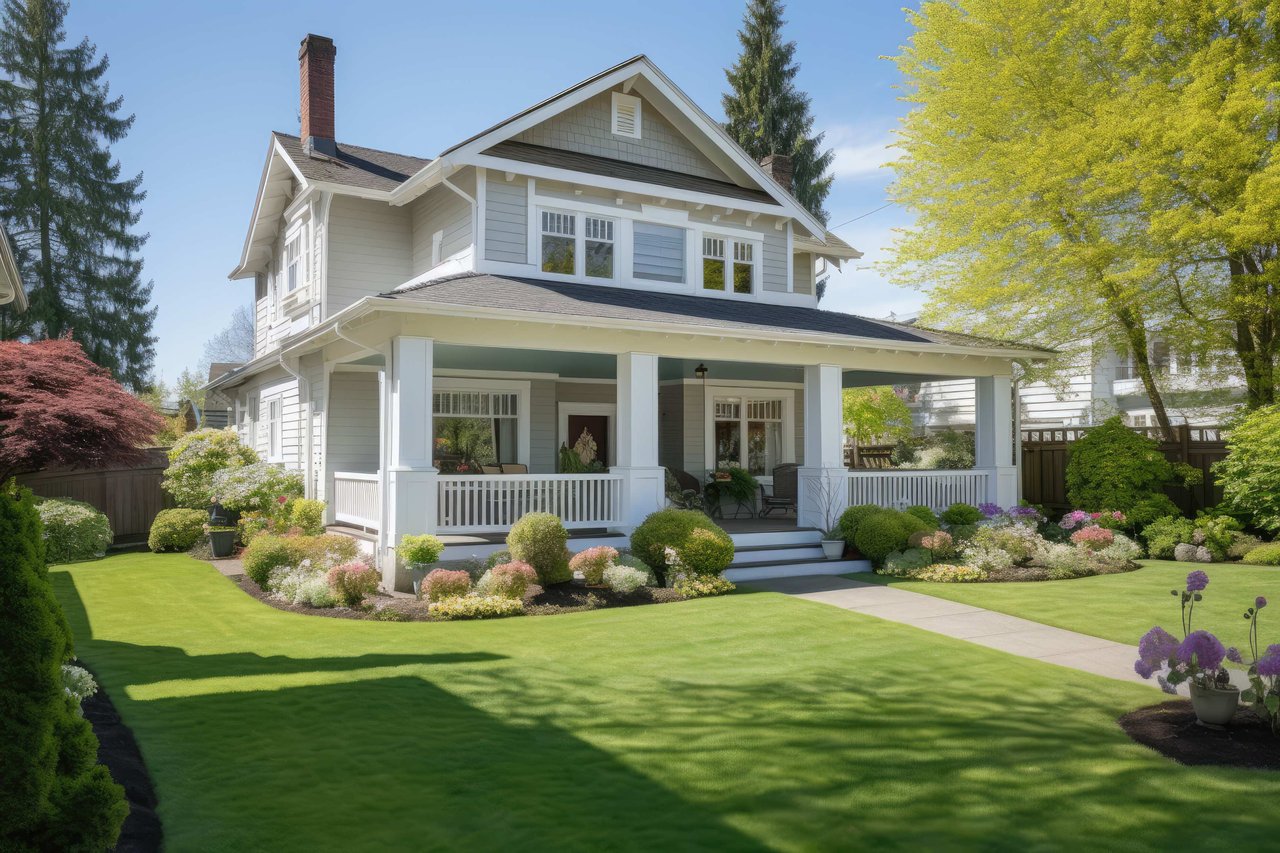
If you picture a city by its downtown, Newton may surprise you. Newton does not have one Main Street or a single central core. Instead, daily life is shaped by 13 distinct village centers and a broad network of parks, trails, and open space, which gives you more than one way to feel at home here. If you are trying to understand how Newton lives from one area to the next, this guide will help you see how the villages and outdoor spaces fit together. Let’s dive in.
Why Newton Feels Different
Newton’s layout is one of its defining features. The city says its village pattern grew from rail stops, Charles River mills, and houses of worship, and that history still shows up in how people move through the city today.
Rather than funneling activity into one downtown, Newton spreads shopping, dining, gathering spaces, and daily errands across several small centers. That means your experience can vary quite a bit depending on which village you choose, even while staying within the same city.
Newton also has a strong open-space identity. The city describes itself as the Garden City, with open space making up 19.6% of its land area, and about 1,200 acres of parkland, playgrounds, school grounds, burial grounds, and municipal grounds maintained across the city.
For buyers, that combination matters. You are not just choosing a home. You are also choosing a pattern of daily life that may include a walkable village center, quick access to trails, riverfront recreation, or quieter wooded landscapes.
Village Centers Shape Daily Life
Newton’s own commercial geography helps explain how the city works. Some areas are smaller and more convenience focused, while the official village centers offer the broadest mix of shopping, dining, entertainment, and a moderate pedestrian scale.
That distinction is useful when you are comparing lifestyle fit. If you want to be near everyday errands and local businesses, certain villages will feel more active and practical. If you prefer a quieter residential setting with occasional trips into a nearby center, another part of Newton may suit you better.
The city’s Village Center Overlay District, passed in December 2023, is designed to focus housing and commercial opportunities near transit, amenities, and gathering spaces. In simple terms, Newton is continuing to invest in the idea that village-centered living is core to the city’s identity.
Newton Centre: Classic Village Living
Newton Centre is one of the city’s four official village centers and a strong example of the Newton pattern. You get a compact commercial core paired with nearby residential streets and civic open space.
This is the kind of setting many buyers picture when they think about village living. The city identifies village centers as places with shopping, dining, and entertainment, and Newton Centre pairs that with outdoor amenities that are easy to work into everyday routines.
Nearby, Newton Centre Playground offers a 17.9-acre park that the city identifies as its first playground and an Olmsted-designed historic landscape. Crystal Lake adds another layer, with Newton’s summer swimming beach offering a neighborhood-scale way to enjoy the outdoors close to home.
Newtonville and West Newton: Errands, Dining, and Movement
Newtonville is a strong fit for people who want a village feel rooted in daily convenience. The city describes it as a thriving suburban village that grew around the railroad station and a small commercial center.
That history still supports the way Newtonville functions today. It is a place where the lifestyle story leans more toward sidewalks, errands, local businesses, and day-to-day ease than a large-format retail experience.
The Walnut Street enhancement project reinforces that direction, with a focus on safety, sidewalks, landscaping, lighting, and ADA accessibility. For buyers, that signals continued attention to the public realm and to how comfortable the area feels on foot.
West Newton offers a similar sense of village activity, but with a different historical backdrop. Historic Newton notes that the country’s first commuter railway terminated there in 1834, and West Newton later served as the seat of Newton’s government from 1848 to 1931.
Today, the city’s square enhancement project is focused on safety, pedestrian experience, village character, and business climate. If you are drawn to a center with an established civic identity and an active local core, West Newton is worth a close look.
Newton Highlands, Nonantum, and Newton Corner: Distinct Local Character
Newton Highlands often appeals to people who want village life with a strong community feel. Current enhancement work there includes sidewalks, roadways, gathering spaces, art, benches, lighting, and stormwater improvements.
The local rhythm also stands out. The neighborhood council highlights events such as Village Day, the Halloween party and haunted house, and the Soup Social, which help show how village identity can extend beyond shops and streetscapes.
Nonantum adds a different kind of energy. The city describes it as Newton’s most densely populated village, and it offers a denser neighborhood feel than some other parts of the city.
Newton Corner is another useful contrast. It was Newton’s first village and is classified by the city as a gateway center near major transportation infrastructure, which gives it a different role in the city’s geography than a more traditional village center.
River Villages Add Another Lifestyle Option
Auburndale and Upper Falls help tell the river side of Newton’s story. These areas are especially useful if you are looking for village character paired with Charles River access.
Auburndale developed with commuter rail growth and river recreation, and Auburndale Cove now offers a 29.9-acre Charles River park. There, you will find courts, fields, picnic sites, skating, and trails, which gives the area a strong recreation-oriented identity.
Upper Falls reflects Newton’s mill-village history along the Charles River. Today, the Riverwalk and splash park bring a more casual and accessible outdoor layer to that historic setting.
Outdoor Space Is Part of Newton’s Identity
Newton’s parks and conservation areas are not just nice extras. They are part of the city’s structure and part of what makes one area feel different from another.
The conservation office says Newton has more than 300 acres of conservation areas and 16 parcels with public trails. That means outdoor access is woven into daily life in a way that buyers often notice quickly when exploring the city.
Some spaces are built for active use, while others are better for quieter walks and time in the woods. Together, they give you a wide range of options without needing to leave city limits.
Best Parks for Active Recreation
If you want parks that support sports, walking, play, and varied outdoor routines, a few places stand out. Cold Spring Park, Nahanton Park, Auburndale Cove, and Newton Centre Playground each bring a different kind of active-use appeal.
Cold Spring Park is a 65-acre multi-use city park with fields, courts, walking trails, and a farmers market. It is the kind of space that can support both everyday exercise and weekend routines.
Nahanton Park is a 57-acre Charles River park with canoe and kayak rentals, community gardens, a nature center, and accessible river walking. That mix gives it broad appeal for people who want both activity and a more scenic setting.
Auburndale Cove adds more riverfront recreation with play areas, fields, courts, skating, and picnic space. Newton Centre Playground also fits this category, with sports fields, clay tennis courts, an off-leash area, and its historic playground layout.
Best Spots for Quiet Nature
If your version of outdoor access means wooded trails and a more natural feel, Newton also delivers there. Edmands Park, Kennard Conservation Area, and Webster Woods are some of the strongest examples.
Edmands Park, also known as Cabot Woods, is the city’s largest natural wooded passive-use park. It offers a calmer setting that feels different from a sports-focused park or playground.
Kennard Conservation Area includes 32.28 acres of woods and wetlands with marked trails that connect toward Brookline. For buyers who value nearby trail access, spaces like this can shape how a neighborhood feels on an ordinary weekday.
Webster Woods is described by the city as roughly 230 acres and Newton’s largest protected open space. With cliffs, mature forest, Hammond Pond, marshland, and a mix of trail types, it gives Newton a surprisingly expansive natural landscape within city boundaries.
Smaller Outdoor Spaces Matter Too
Some of Newton’s most useful outdoor amenities are smaller, simpler, and easy to return to often. Crystal Lake and the Upper Falls Riverwalk are good examples.
Crystal Lake offers Newton’s lake and summer swimming beach, with regular water-quality testing. It is the kind of amenity that can make warm-weather living feel especially local and convenient.
The Upper Falls Riverwalk is a generally accessible trail of about 1,800 feet, or 0.3 miles, with benches and Charles River access. It is not a large wilderness area, but it adds everyday usability and a pleasant connection to the river.
How to Think About Fit in Newton
The most accurate way to understand Newton is as a collection of place-based experiences rather than one downtown story. Your best fit often depends on what you want your week to look like, not just what style of home you prefer.
If walkability and daily errands matter most, Newton Centre, Newtonville, West Newton, and Newton Corner are strong places to explore. These areas best support a lifestyle centered on local businesses, pedestrian activity, and a broad mix of amenities.
If recreation is high on your list, Newton Highlands, Auburndale, and Newton Centre connect village living with standout outdoor access. Cold Spring Park, Nahanton Park, Auburndale Cove, Crystal Lake, and Newton Centre Playground all strengthen that lifestyle angle.
If you are looking for a quieter and greener feel, areas near larger conservation spaces such as Edmands, Kennard, and Webster Woods may deserve extra attention. Those nearby landscapes can change the pace of daily life in meaningful ways.
When you are comparing neighborhoods in Newton, it helps to think beyond commute time and square footage. The real question is often which village rhythm, outdoor access point, and day-to-day setting will feel most natural to you.
If you are considering a move in Newton and want help matching your priorities to the right village, Anne Kennedy / Homes can help you evaluate the lifestyle, property condition, and long-term fit with a clear local perspective.
FAQs
What makes Newton different from cities with a downtown?
- Newton is organized around 13 distinct village centers rather than one downtown, so shopping, dining, errands, and community gathering happen across several smaller hubs.
Which Newton village centers are best for walkable daily errands?
- Based on the city’s village-center geography and enhancement efforts, Newton Centre, Newtonville, West Newton, and Newton Corner are strong areas to explore for errand-friendly daily living.
Which Newton areas connect village life with outdoor recreation?
- Newton Highlands, Auburndale, and Newton Centre stand out because they pair village settings with access to places like Cold Spring Park, Nahanton Park, Auburndale Cove, Crystal Lake, and Newton Centre Playground.
Where can you find quieter natural spaces in Newton?
- Edmands Park, Kennard Conservation Area, and Webster Woods are some of Newton’s strongest options for wooded trails, wetlands, and more natural passive-use open space.
Does Newton have riverfront outdoor spaces?
- Yes. Auburndale Cove, Nahanton Park, and the Upper Falls Riverwalk all provide Charles River access and add another dimension to Newton’s outdoor landscape.
Why do Newton’s village enhancement projects matter to buyers?
- Current projects in places like Newtonville, West Newton, and Newton Highlands focus on features such as sidewalks, lighting, accessibility, safety, and gathering spaces, which can shape how comfortable and functional those village areas feel day to day.