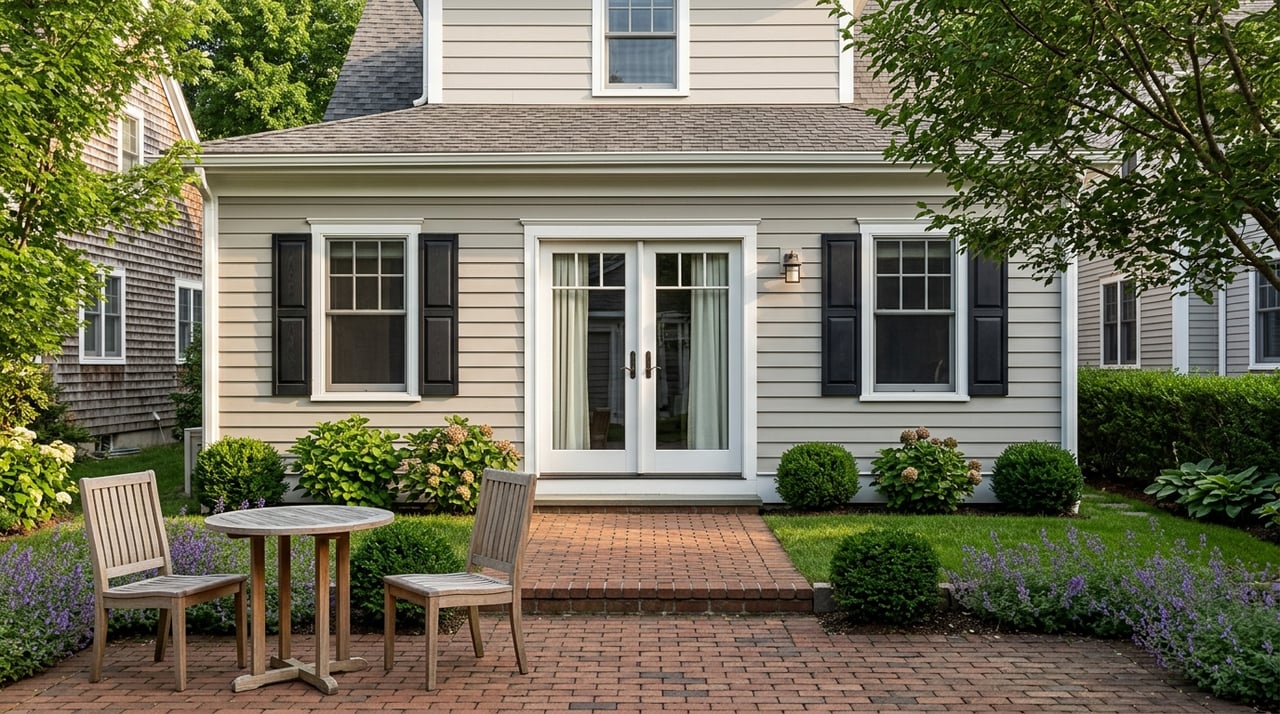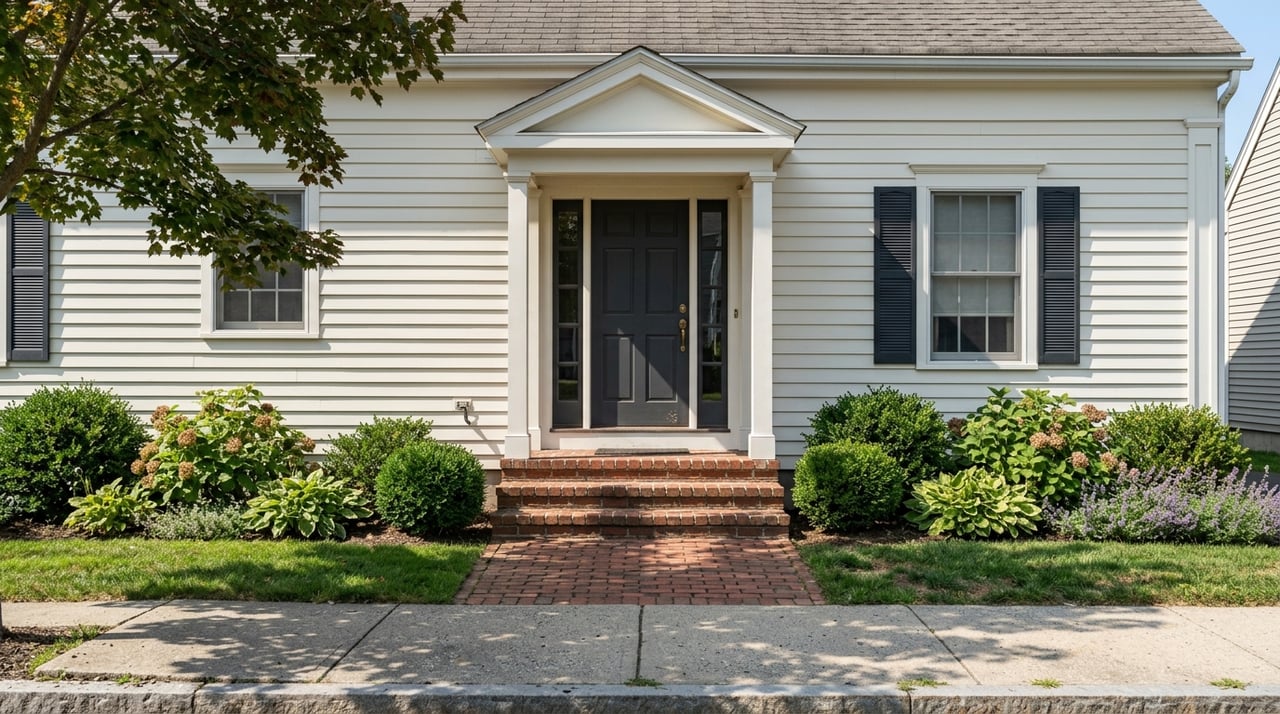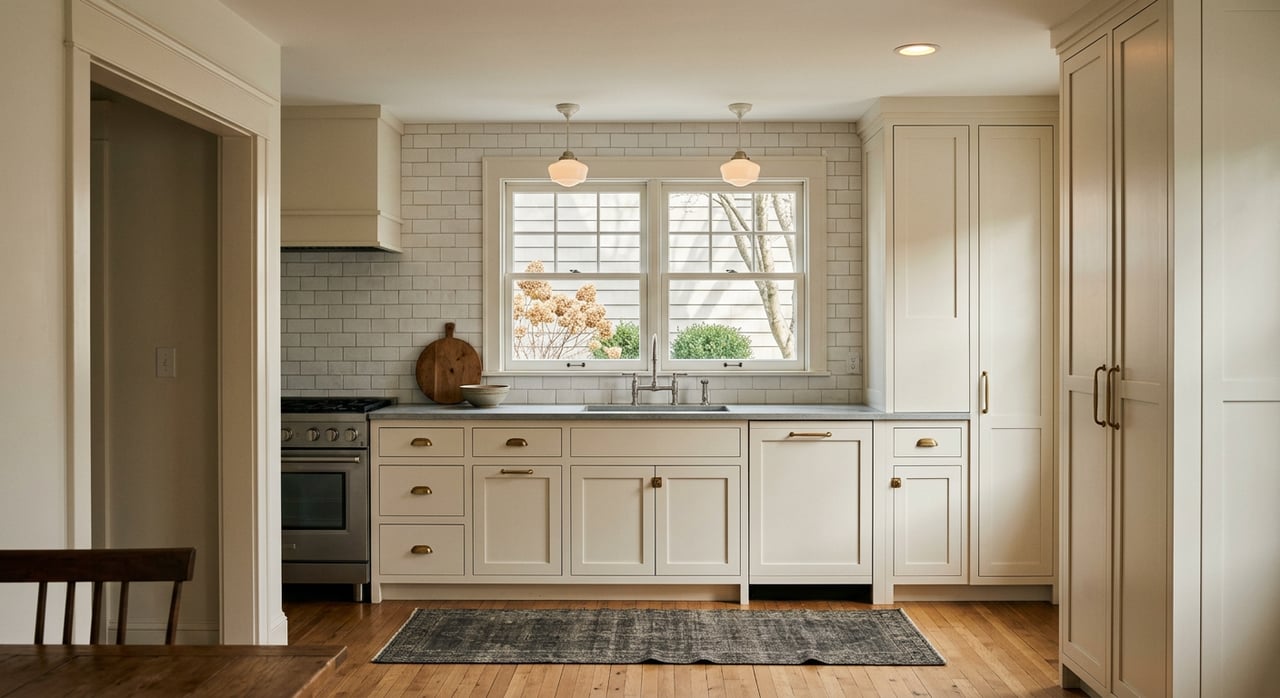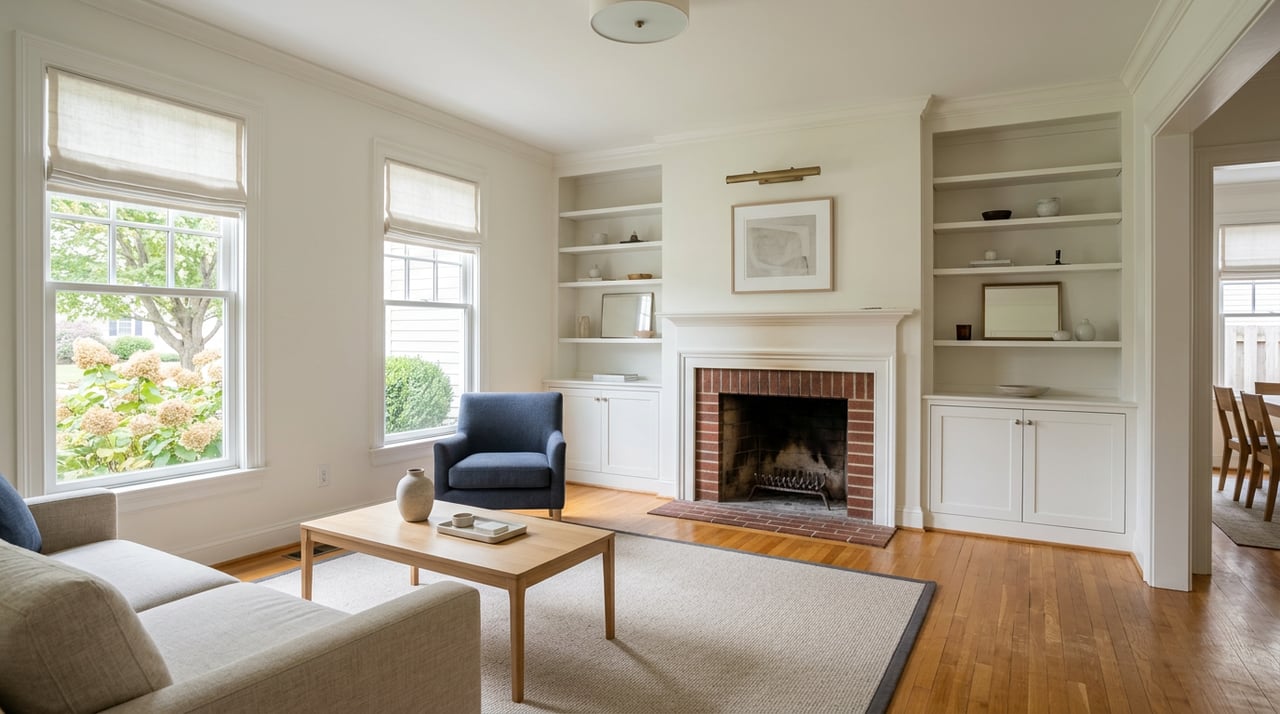
If you are deciding between Downtown Boston and Newton, you are really deciding how you want everyday life to feel. One option puts you in the center of the region’s transit, jobs, dining, and waterfront energy. The other offers a more suburban-residential setting with more open space and a housing mix that often includes more private outdoor space. This guide will help you compare price, lifestyle, commute, and long-term fit so you can move forward with more clarity. Let’s dive in.
Start With Your Daily Life
The biggest difference between Downtown Boston and Newton is not just location. It is how you want to live day to day.
Downtown Boston is the city’s historic core and a major employment center, with roughly 135,000 payroll jobs and more than 6,000 businesses, according to Boston planning materials. It is also described as a 24-hour neighborhood, with easy access to restaurants, cafes, Boston Common, the Rose Kennedy Greenway, Dewey Square, and the waterfront.
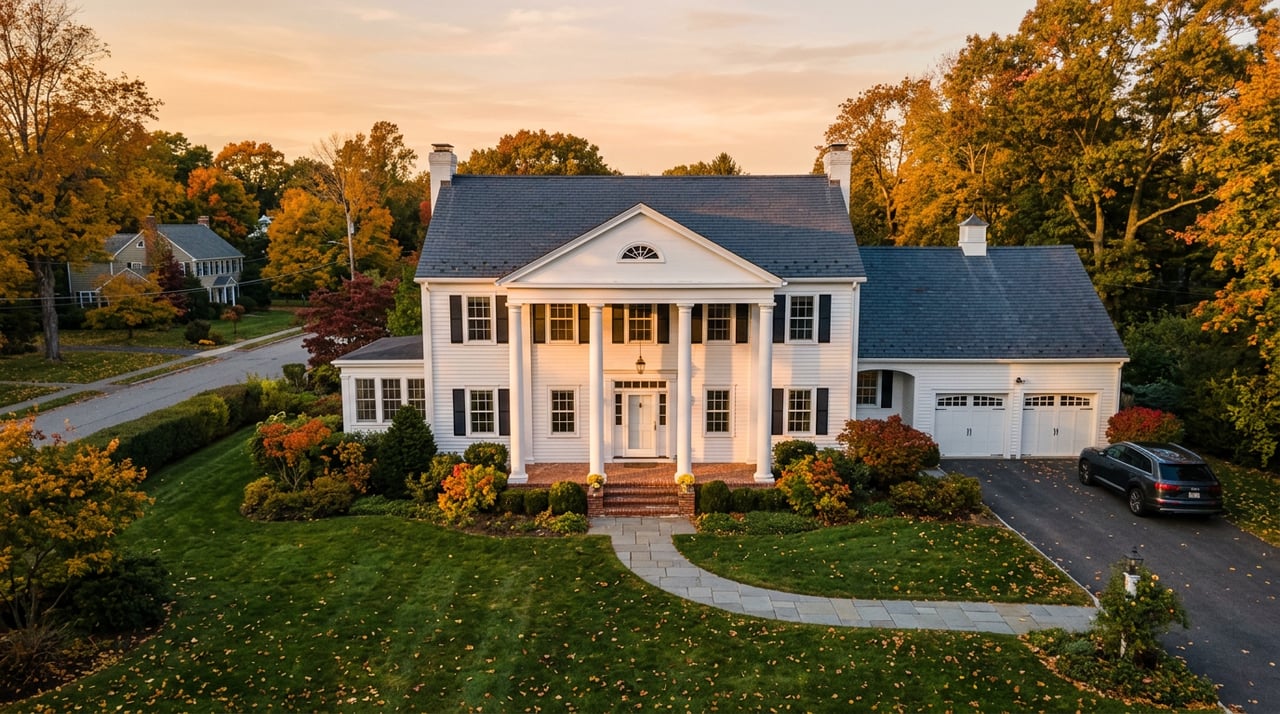
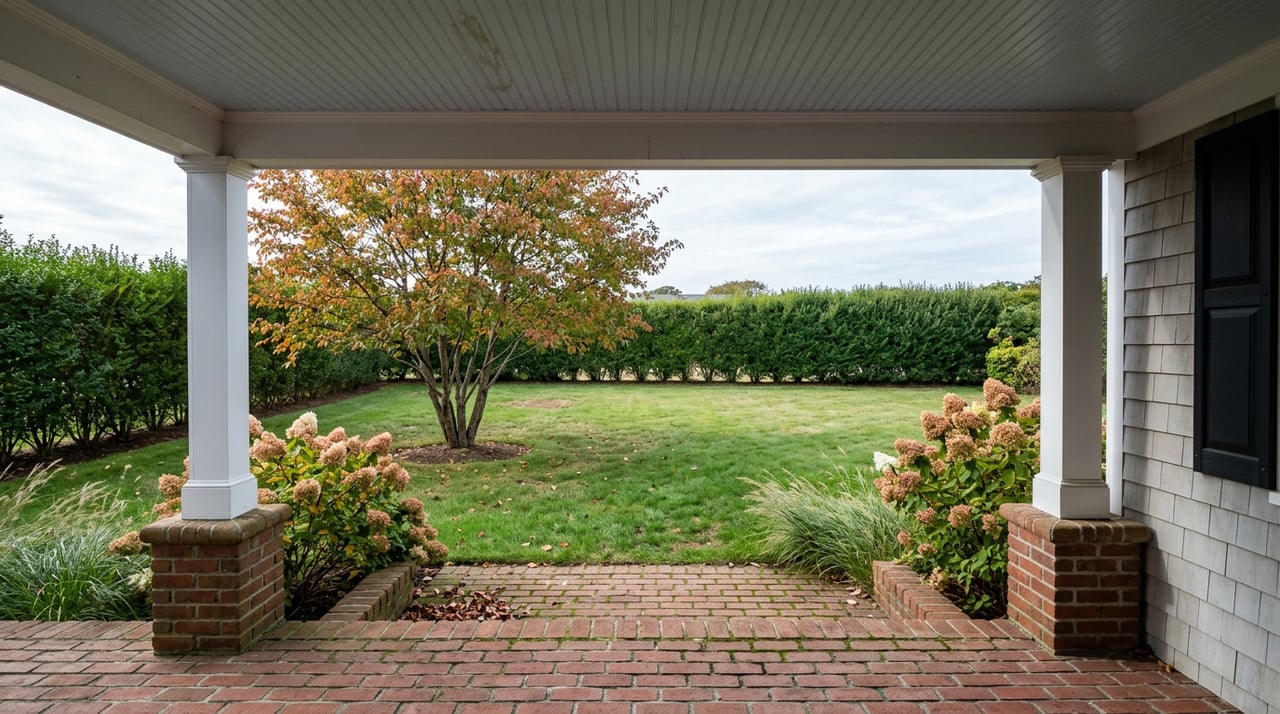
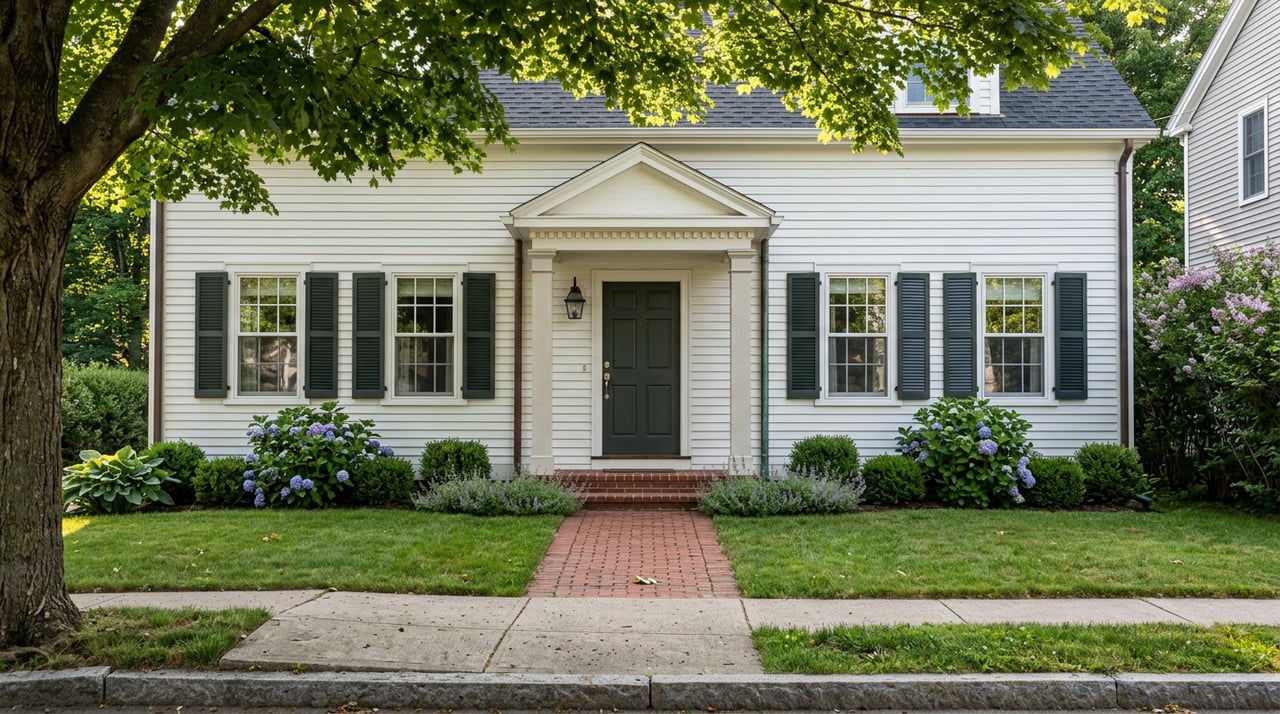
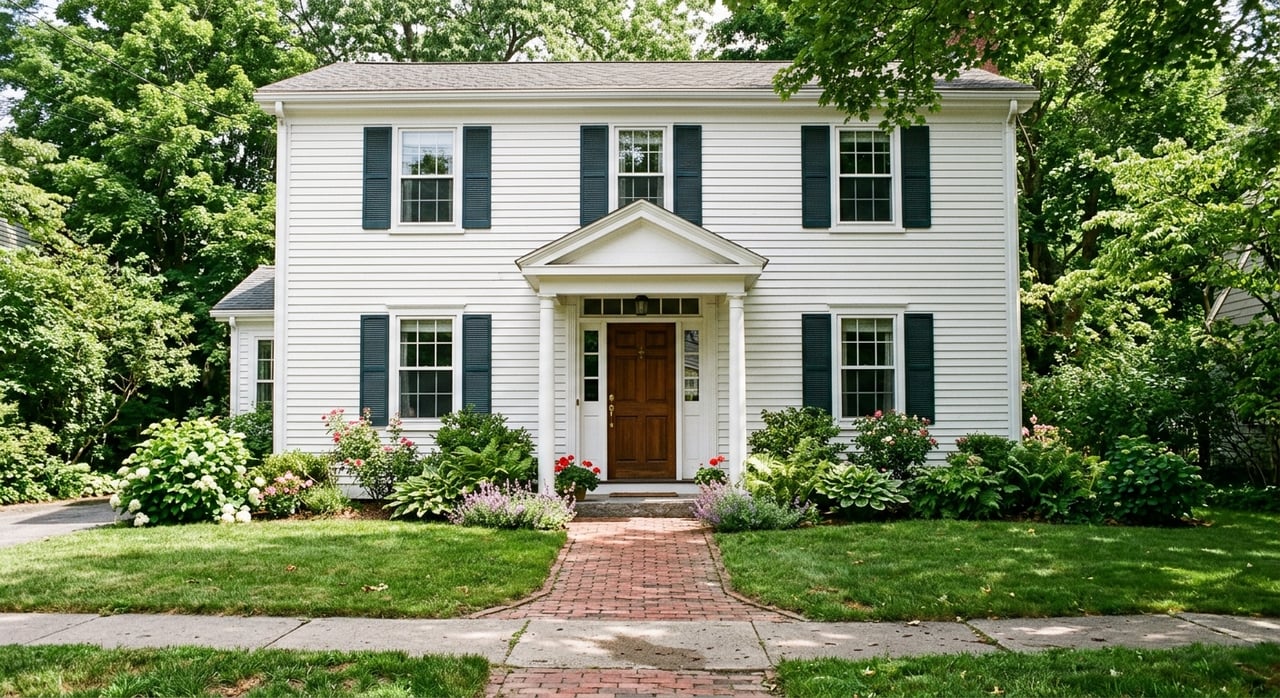
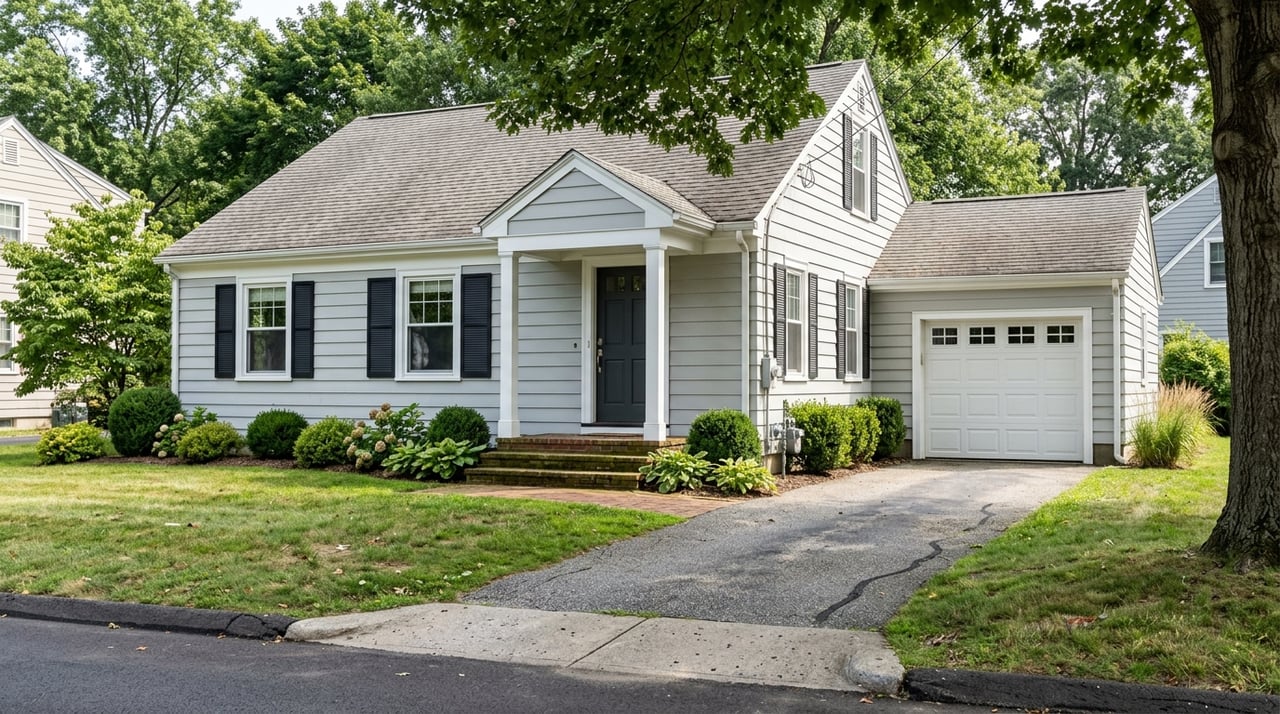
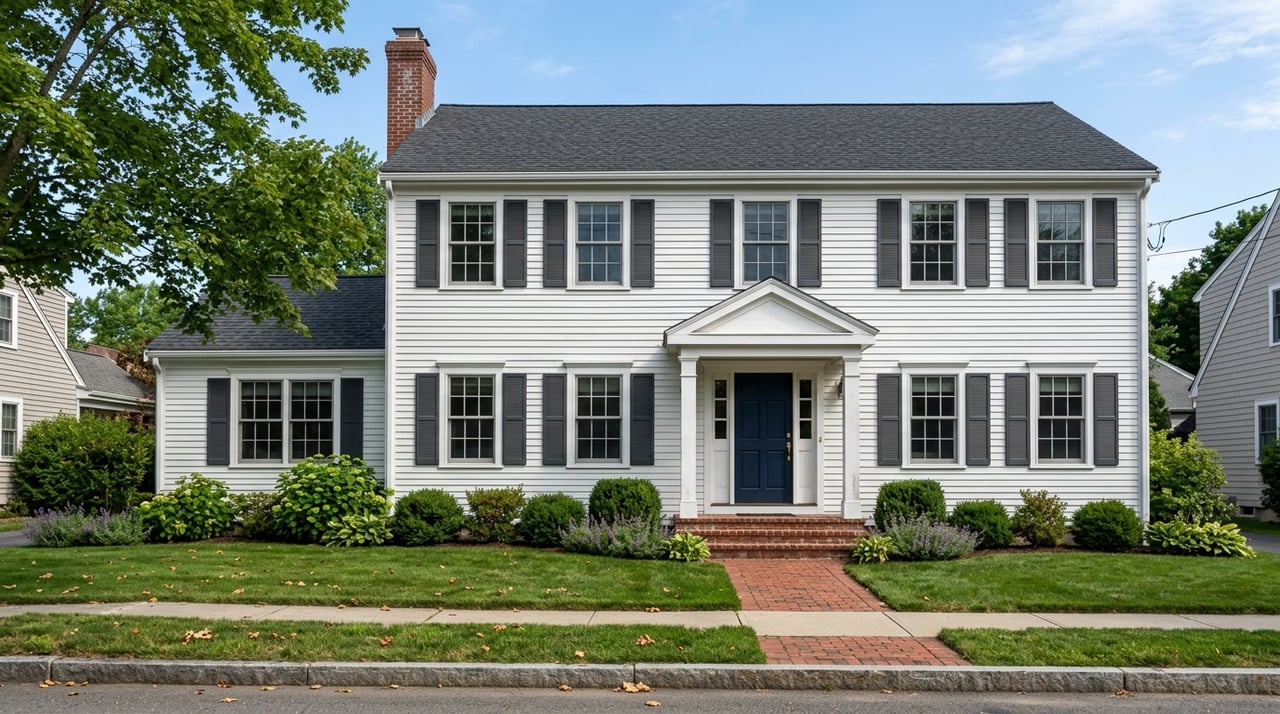
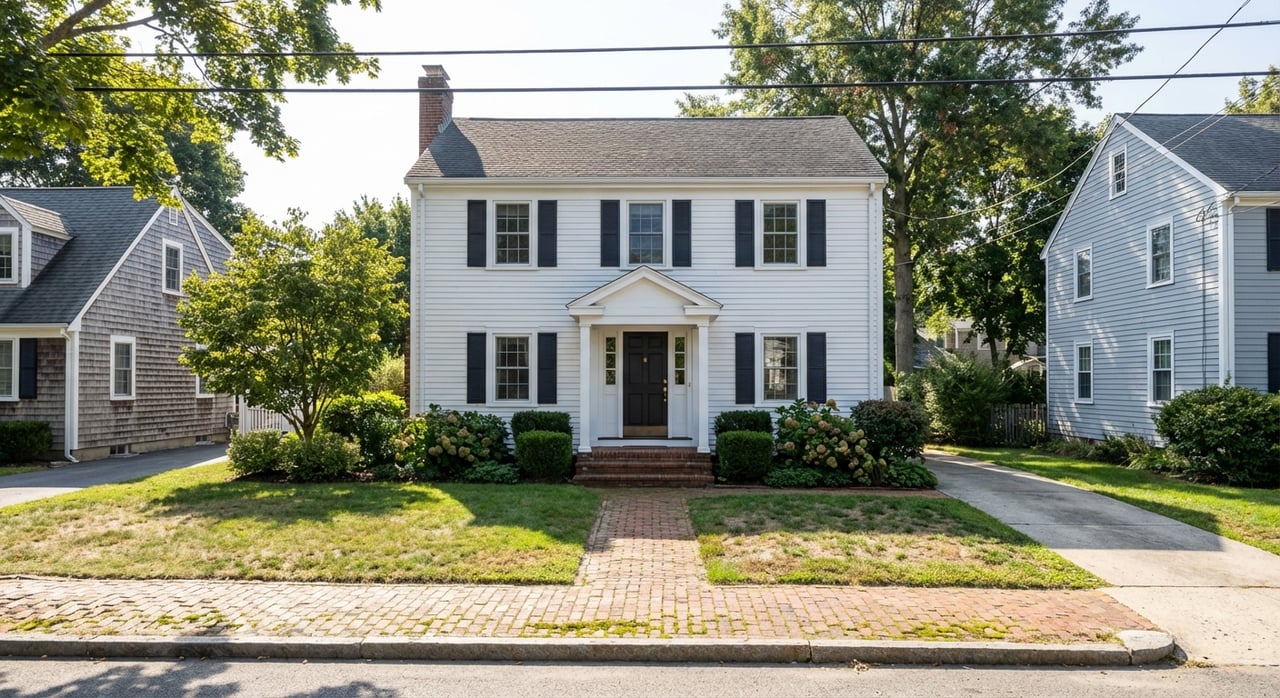
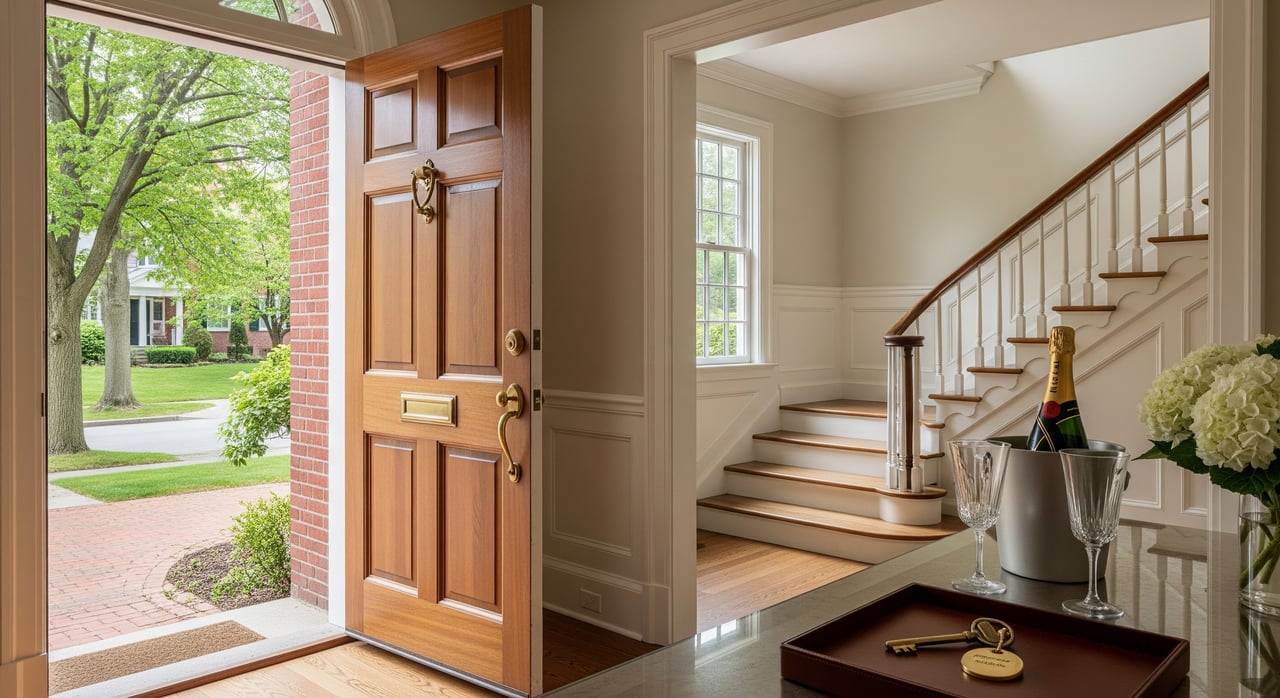
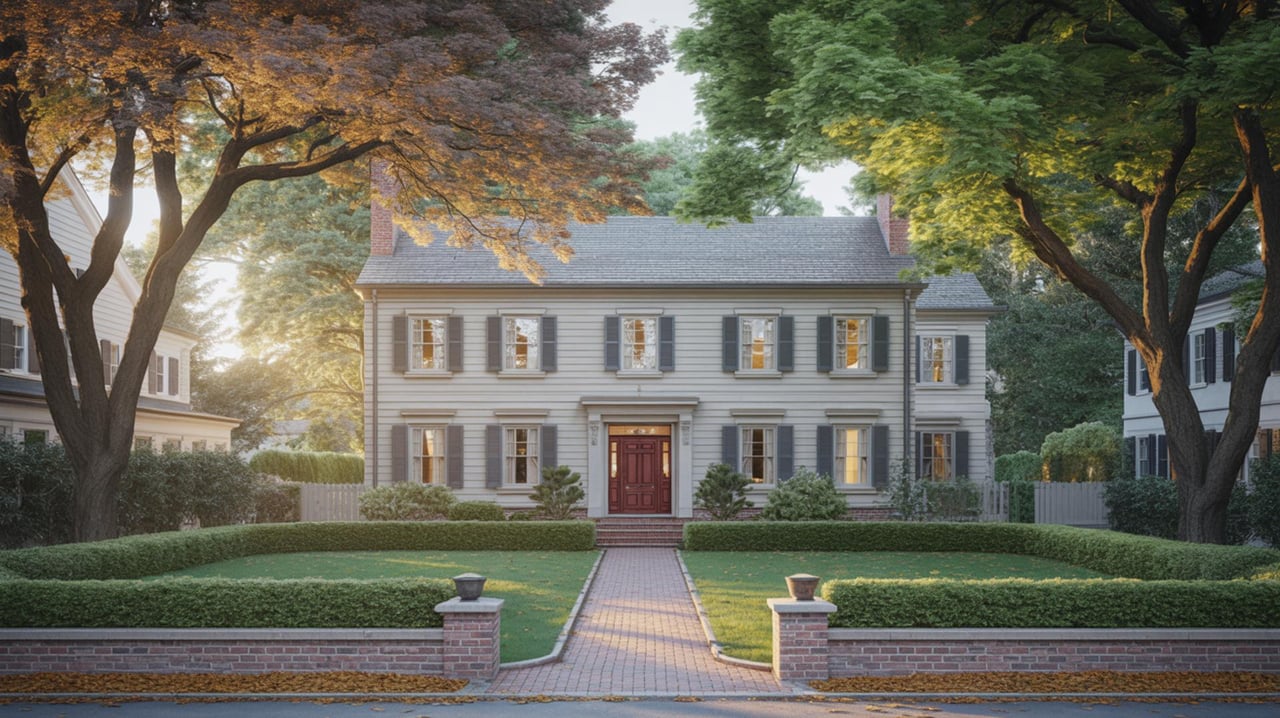
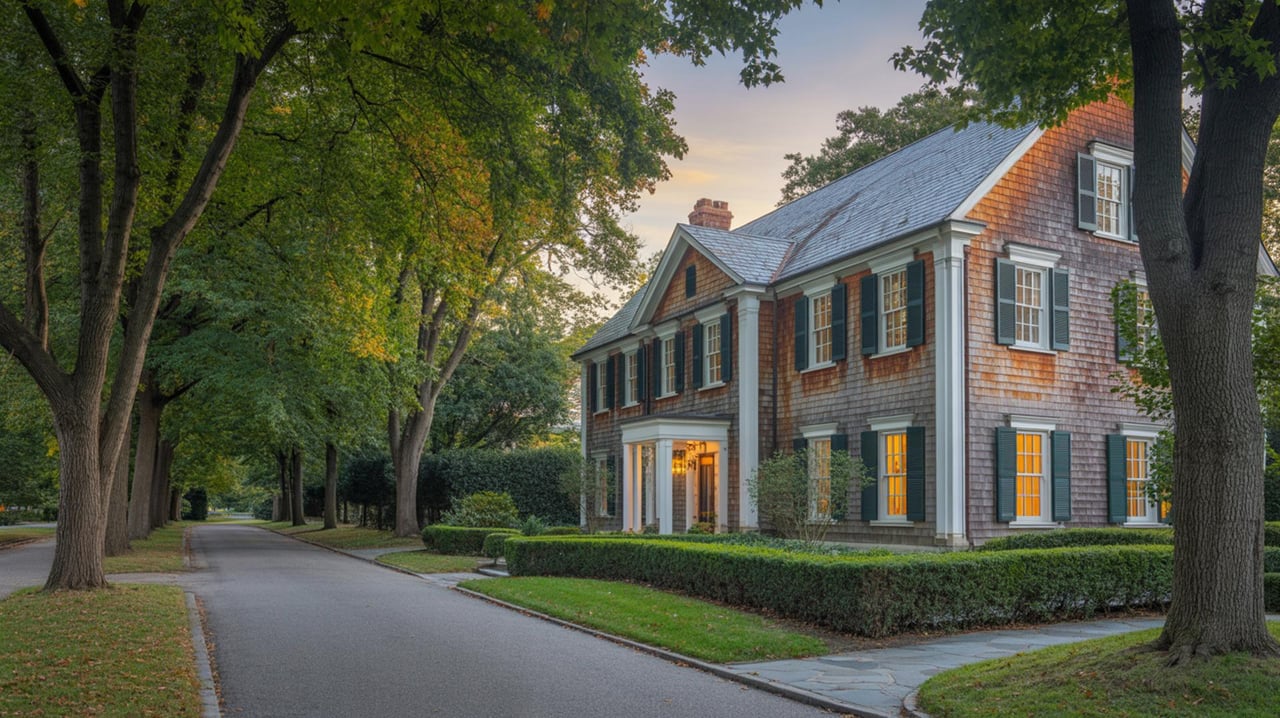
Newton, by contrast, is about seven miles west of downtown and describes itself as a suburban-residential city made up of 13 villages. City materials note that 19.6% of Newton’s land area is open space, and the conservation office manages more than 300 acres of conservation land. If you picture a detached home, more yard space, and a quieter residential setting, Newton may feel more aligned with that goal.
Compare Housing Style and Space
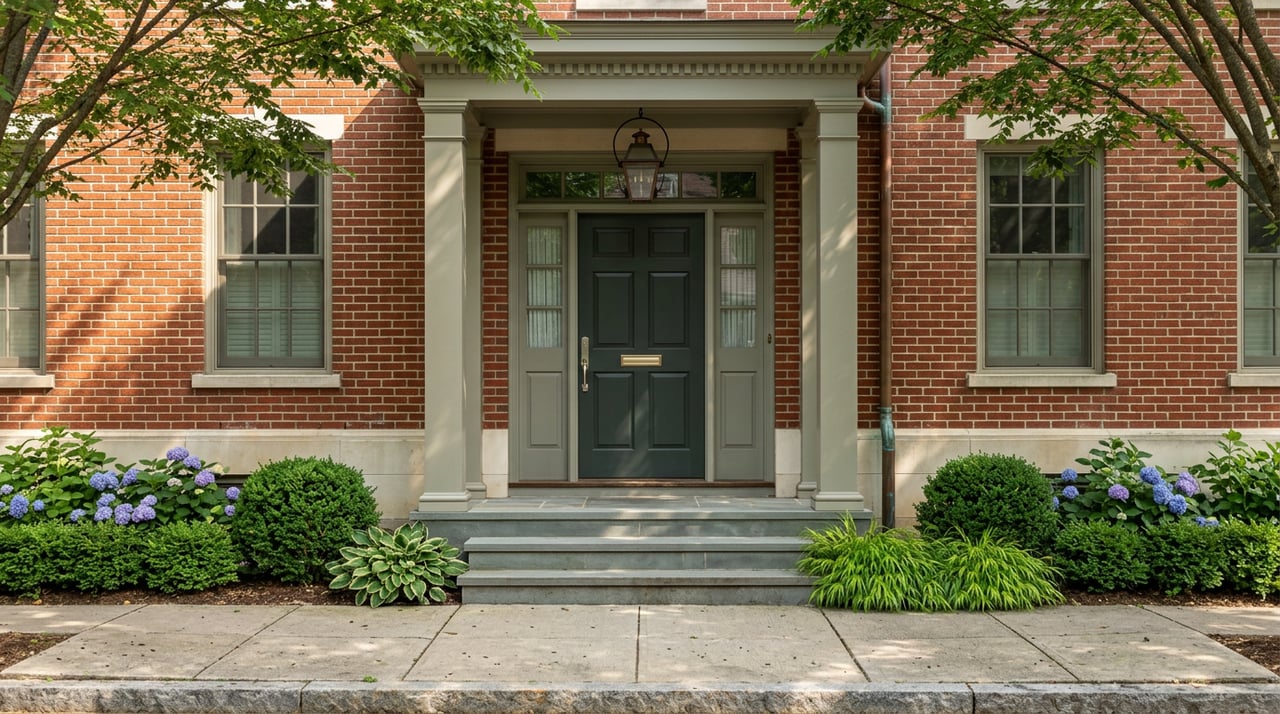
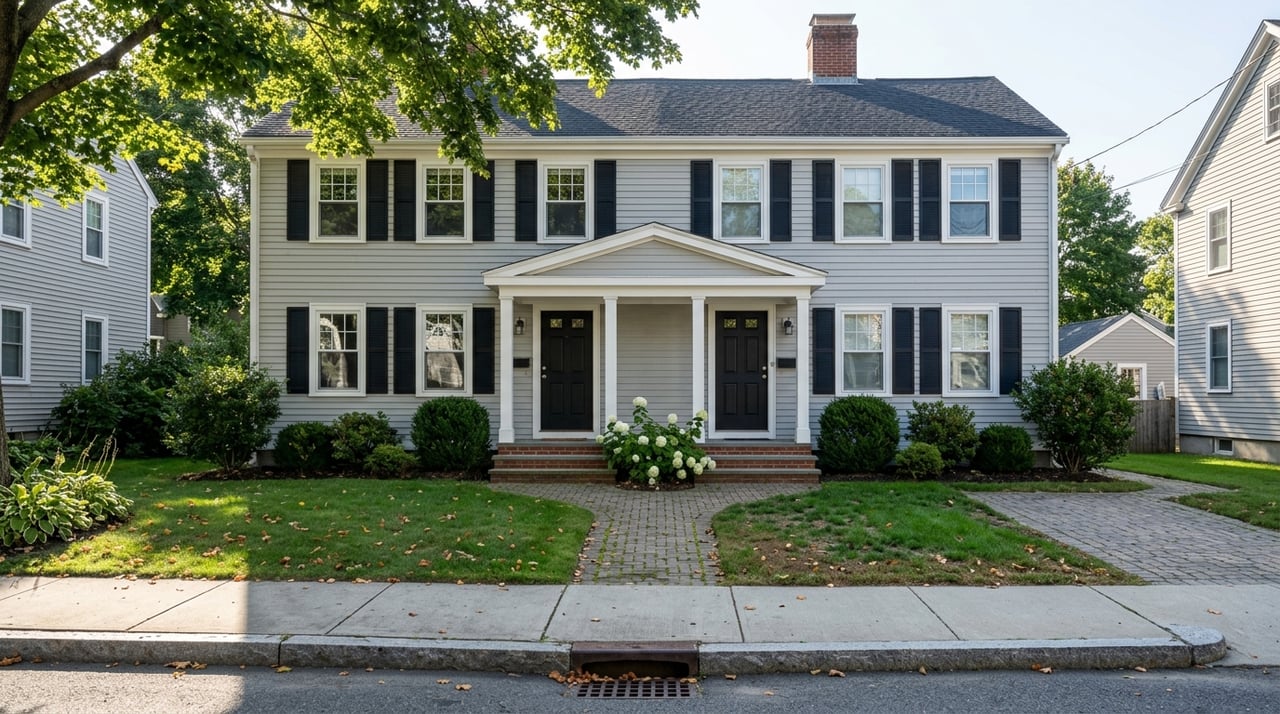
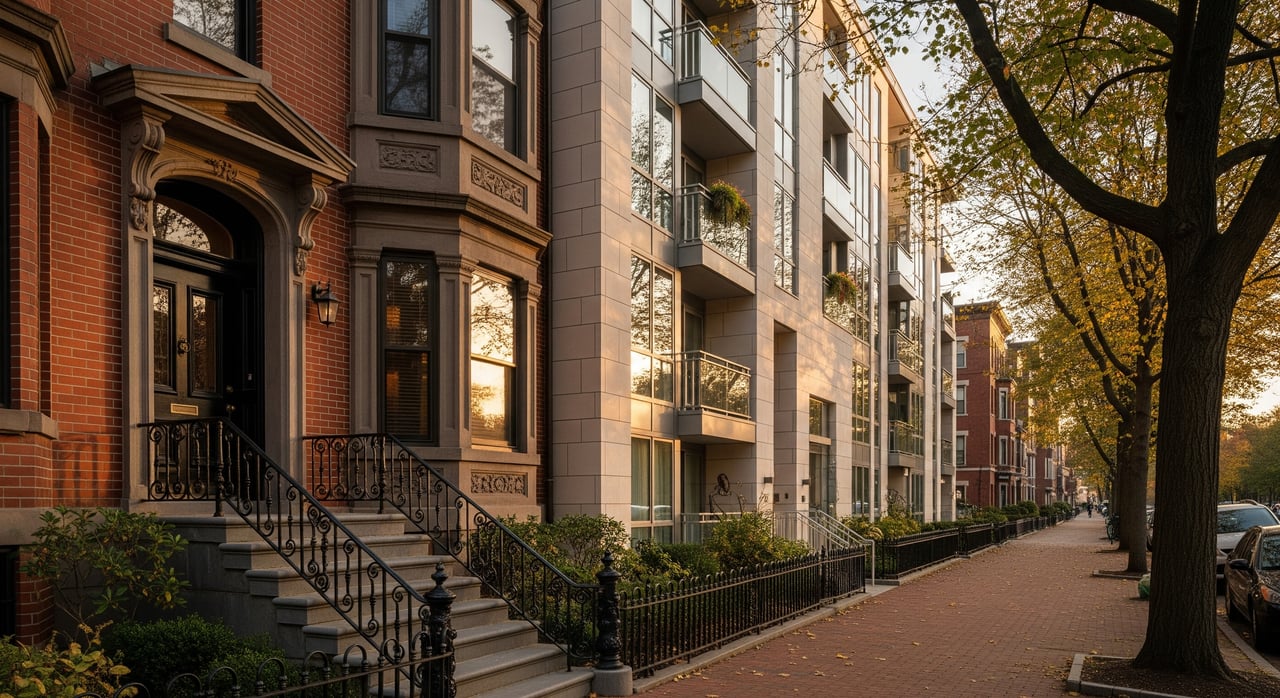
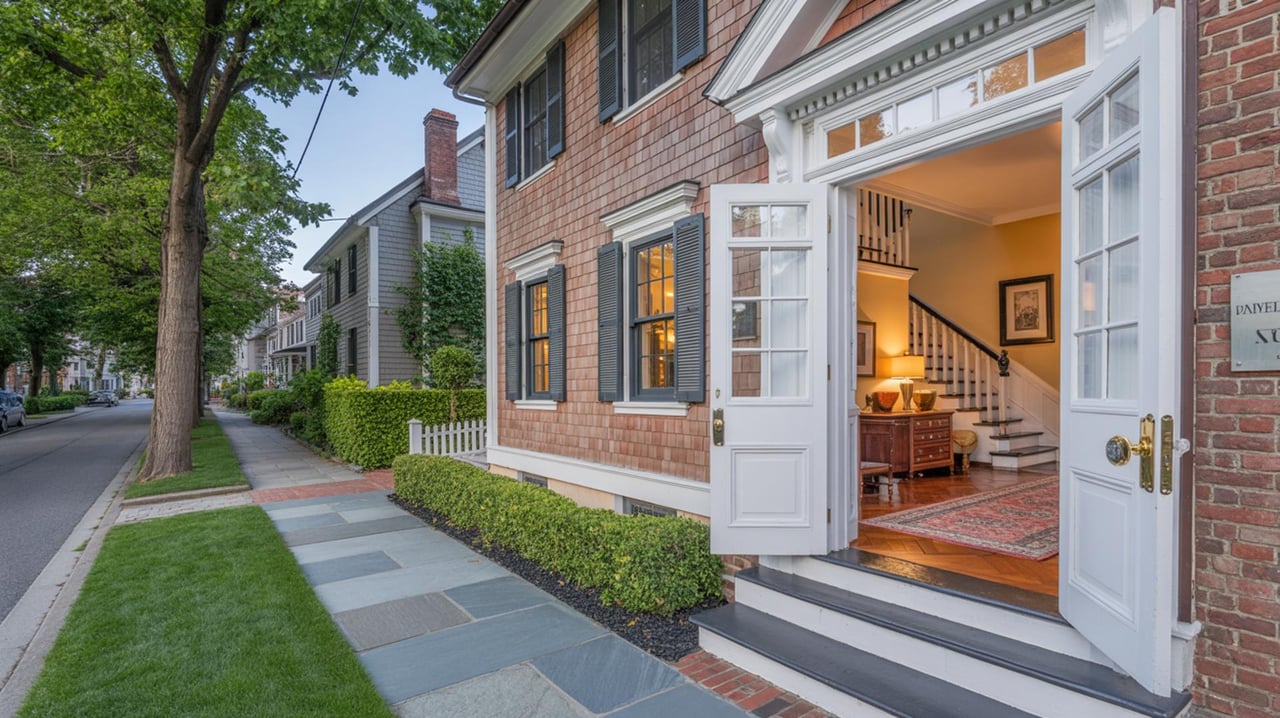
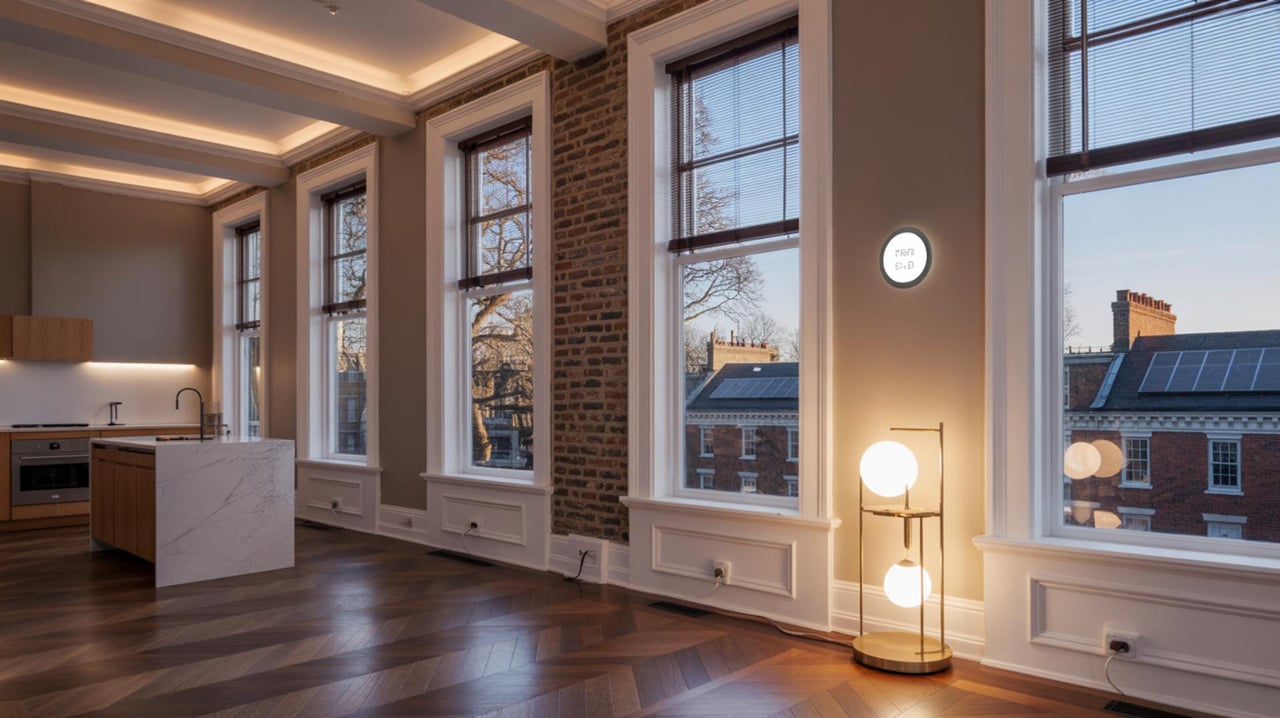
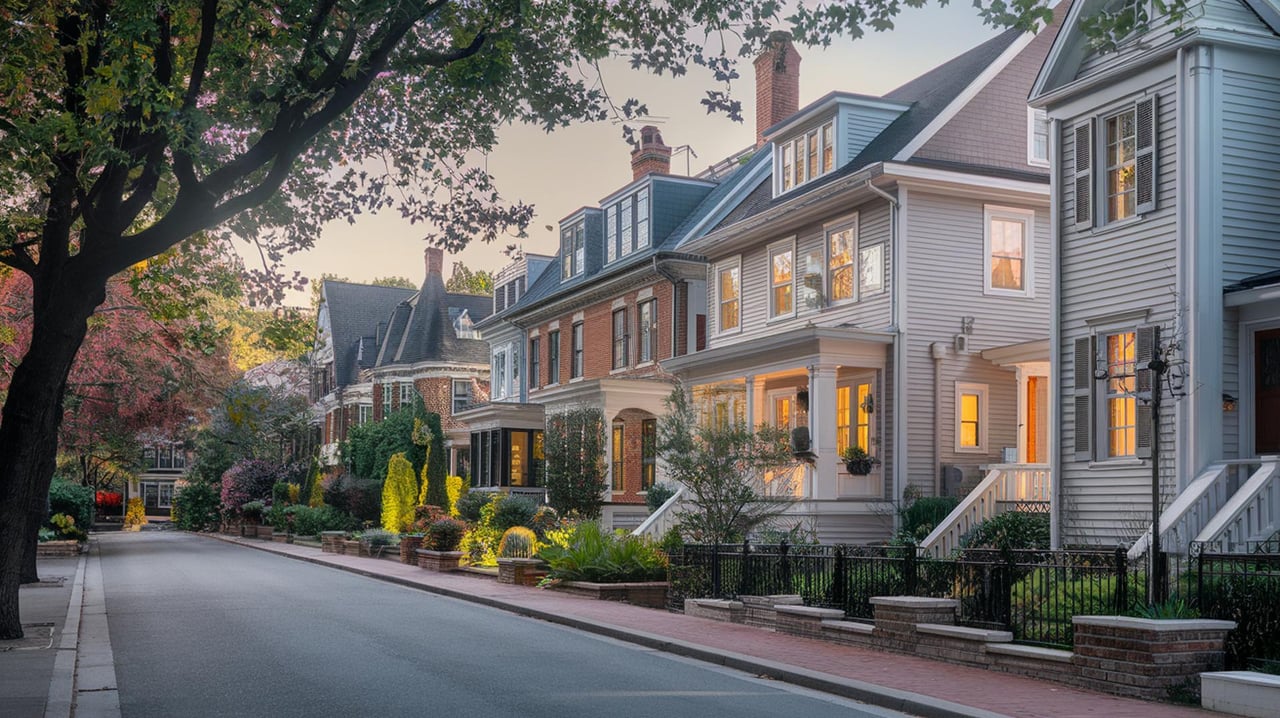
Housing type often shapes this decision more than buyers expect. In Downtown Boston, the housing stock ranges from historic apartment buildings to modern glass towers, and city planning supports more housing density, mixed use, and adaptive reuse in the core, based on Boston planning documents.
For many buyers, that means condo-style living, shared amenities, and less private outdoor space. If you like the idea of walking out your front door to coffee shops, parks, transit, and downtown destinations, that tradeoff may feel worth it.
Newton tends to offer a different physical experience. City planning materials describe areas with a narrower range of house and lot sizes, setbacks, and architecture, while also supporting accessory dwelling units to broaden housing choices in a way that respects existing neighborhood scale, according to Newton documents.
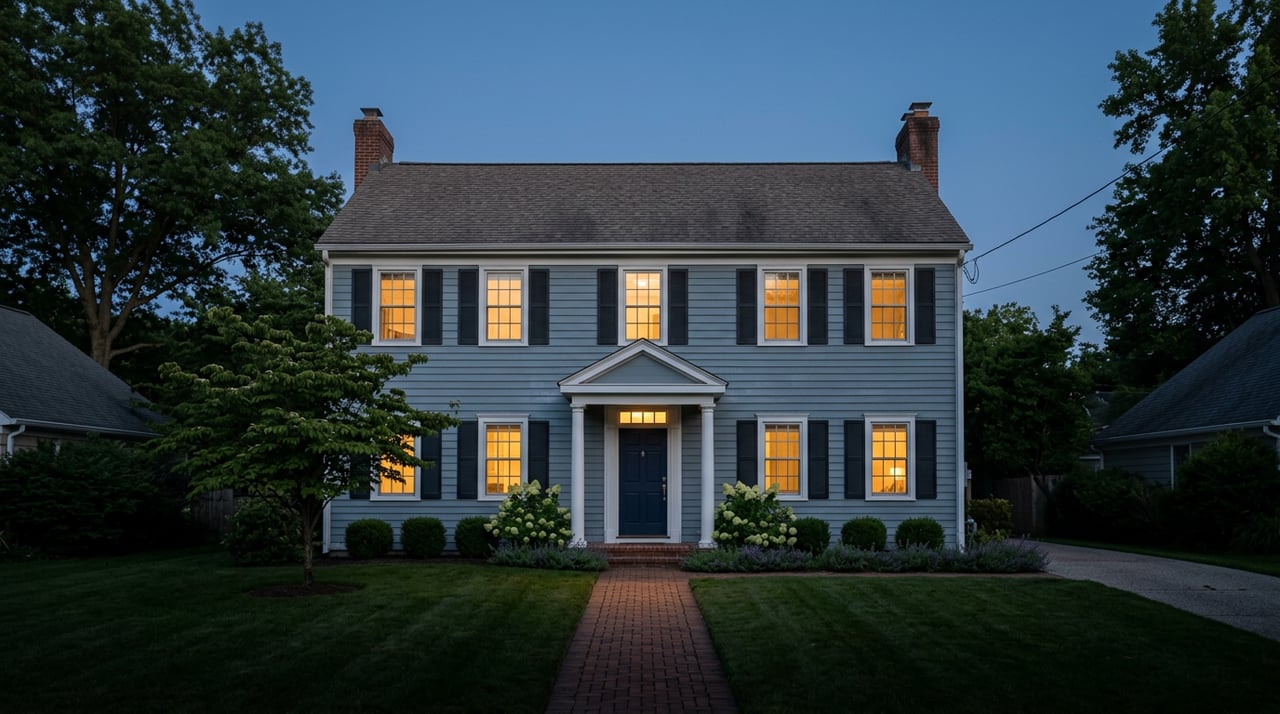
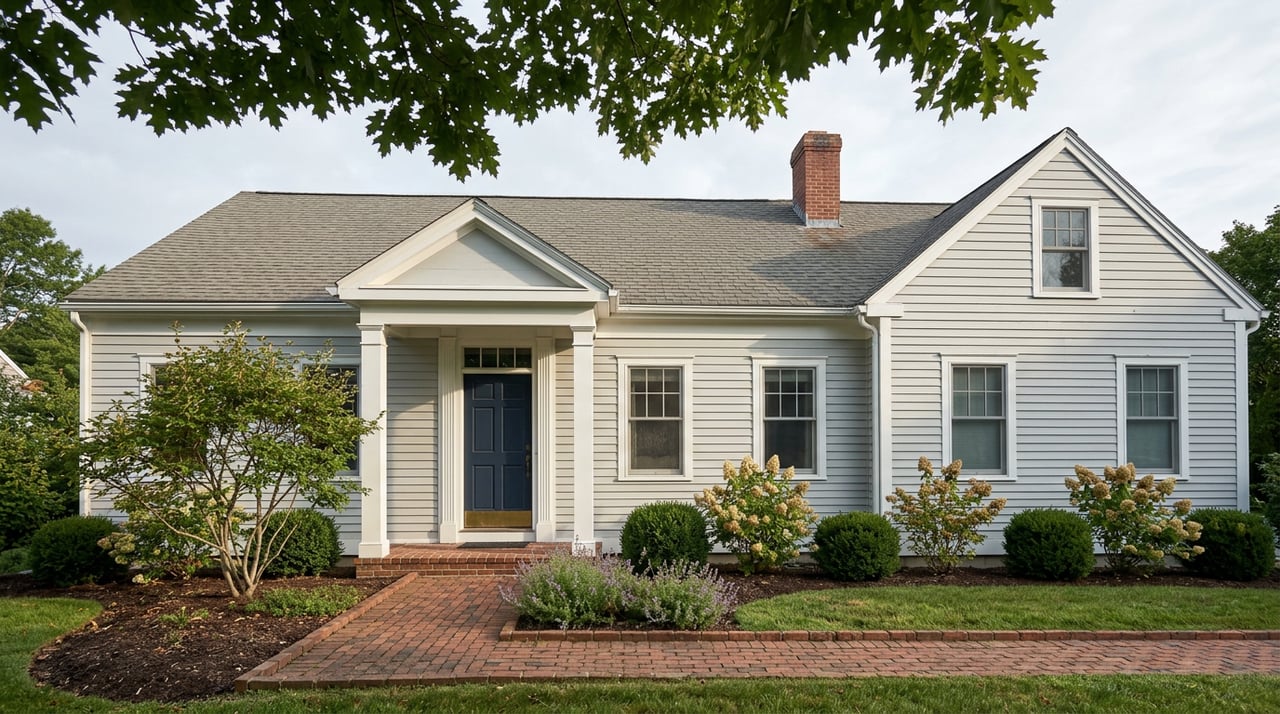
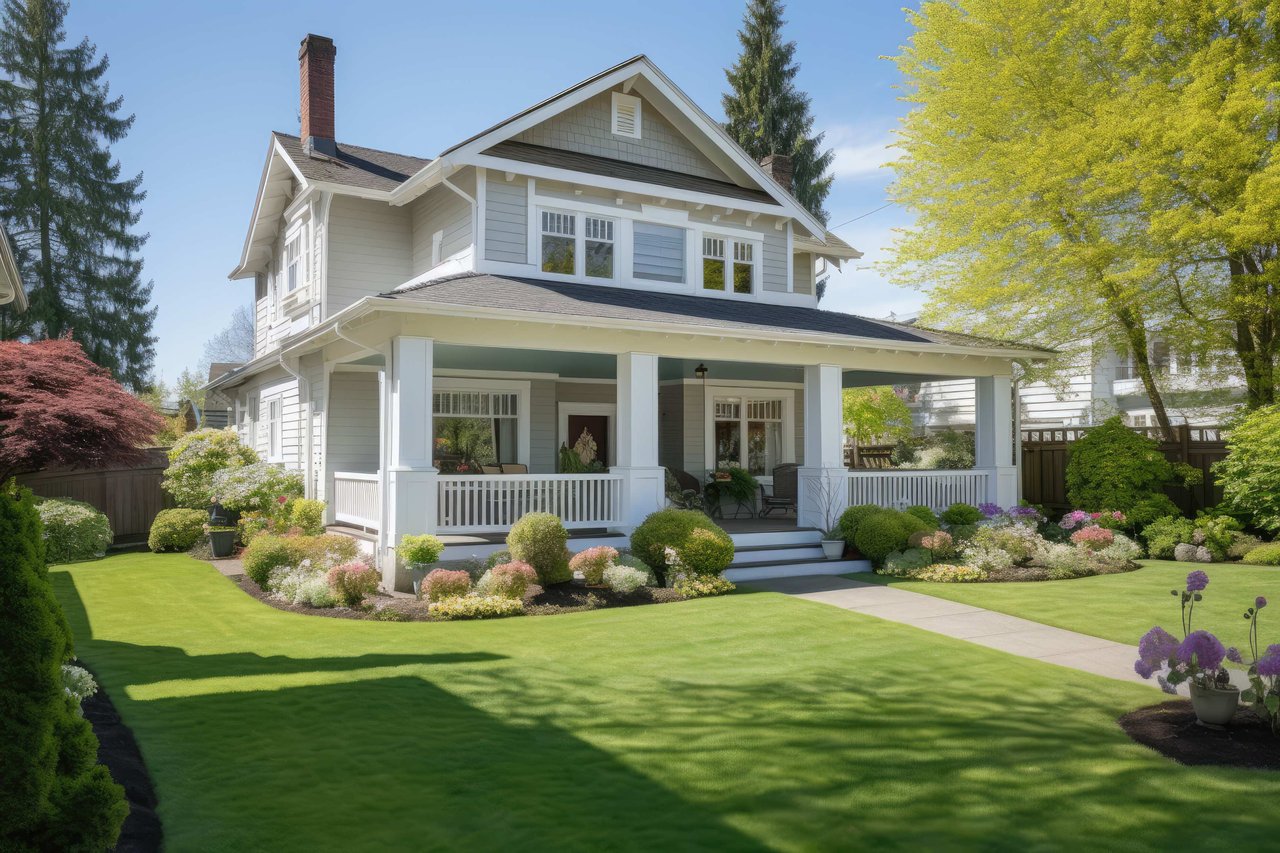
In practical terms, Newton more often delivers the detached-home, yard-oriented suburban feel many buyers want. That said, the experience can vary a lot by village, block, and price point.
Look Closely at Price Points
Budget matters, but so does understanding what your budget buys in each market.
As of February 2026, Downtown Boston’s median sale price was $1,927,500, compared with $1,525,000 in Newton, based on current market data. Both were down year over year, but the gap still reflects very different property mixes and entry points.
That does not automatically mean Newton is the cheaper choice in every sense. You may find more physical space for a lower median sale price in Newton, but the total ownership picture can still be complex.
Understand Carrying Costs
A lower tax rate does not always mean lower housing costs. Boston’s FY2026 residential tax rate is $10.67 per $1,000 of assessed value, while Newton’s is $9.69, according to city tax information from Boston.
Using each city’s median owner-occupied home value as a rough baseline, the implied annual tax burden is about $7,807 in Boston and $12,257 in Newton. Actual bills vary by assessment, exemptions, and property type, but the broader point is important: Newton’s lower tax rate can still result in a higher annual tax bill because home values are much higher.
This is where a payment-first approach helps. Instead of asking only, “Which town is less expensive?” it is smarter to ask how purchase price, taxes, association fees, maintenance, parking, and commute costs add up each month.
Think About Your Commute
If commute time and mobility drive your decision, Downtown Boston has a clear advantage for buyers who want to live in the region’s main transit hub. Planning materials describe Downtown as the core of the city’s transit network, which can be a major quality-of-life benefit if you want to rely less on a car.
Newton offers a more mixed transportation picture. The city lists seven Green Line D stations, commuter rail service in Auburndale, West Newton, and Newtonville, at least 10 MBTA bus routes, and highway access via I-90, I-95, Route 9, Route 16, and Route 30, according to Newton transportation information cited in city materials.
On a broad citywide basis, commute times are not dramatically different. The U.S. Census QuickFacts show average commute times of 30.3 minutes for Boston and 26.6 minutes for Newton. But averages can be misleading, because your real commute depends on the exact home, your destination, parking needs, and whether you use the T, commuter rail, or a car.
Consider Ownership Style
Lifestyle fit is not just about square footage. It is also about the kind of ownership experience you want.
Downtown Boston may appeal to you if you prefer a lock-and-leave setup, building amenities, and less exterior upkeep. For some buyers, especially busy professionals or downsizers, that convenience can be a major plus.
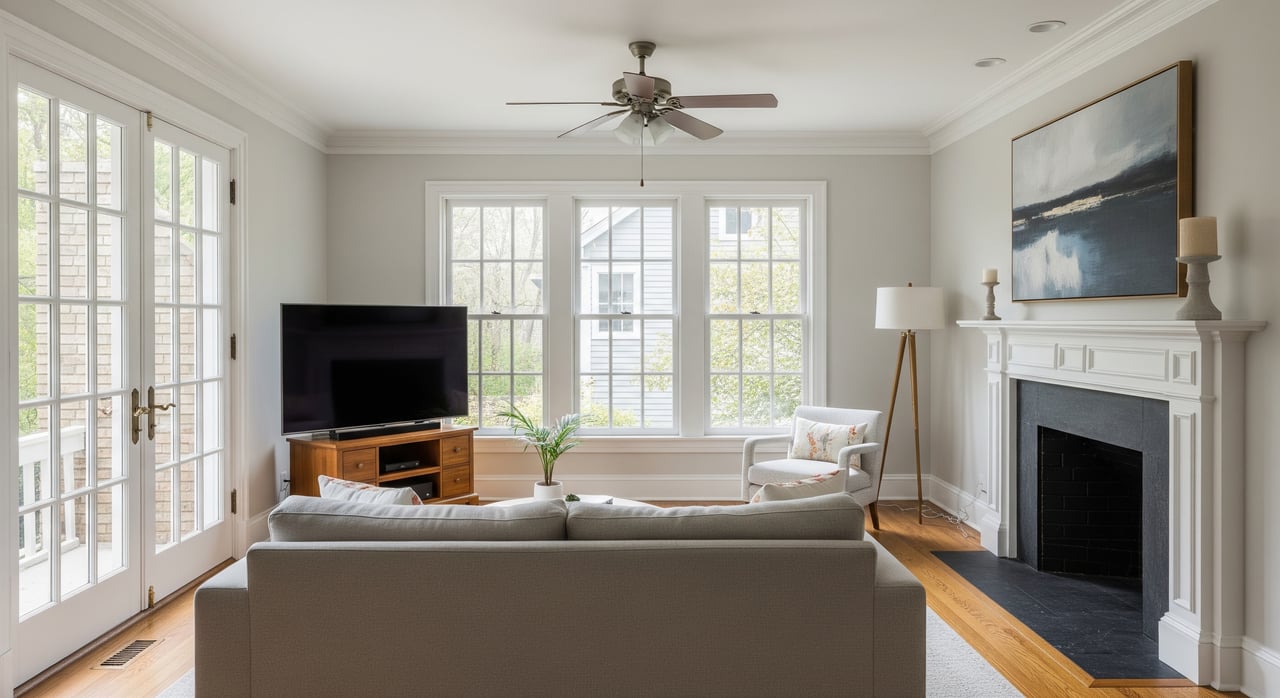
Newton may be a better match if you want more control over your property, more room to spread out, or flexibility for future changes. Newton’s accessory dwelling unit rules, which allow one accessory unit on single- and two-family lots, also matter for buyers thinking about multigenerational living, guest space, or long-term adaptability, based on city policy information.
Watch How Each Area Is Changing
It is easy to compare these locations based on what they are today. It is just as important to think about how they may evolve while you own the home.
Boston’s 2025 downtown zoning updates are designed to support more housing, mixed use, and adaptive reuse in the urban core, according to Plan Downtown. If you are comfortable with an area that is actively evolving, that may feel like a positive.
Newton is also changing. The city is compliant with the MBTA Communities Law, and its ADU rules broaden housing options while aiming to maintain neighborhood scale. If your plan is to stay for many years, it helps to ask whether each place is changing in a way that supports your timeline and comfort level.
Use These Questions to Decide
If you feel torn, these questions can help clarify your next step:
- Do you want to walk to most daily errands, or do you want more private indoor and outdoor space?
- Is your budget most sensitive to purchase price, monthly carrying costs, or commute time?
- Will you rely mostly on transit, commuter rail, or a car?
- How long do you expect to stay in the home?
- Do you prefer condo or HOA-style ownership, or do you want a detached-home experience?
Your answers usually point to the right market faster than browsing listings alone.
When Downtown Boston May Fit Better
Downtown Boston may be the stronger choice if you want convenience, proximity, and an urban lifestyle. It can make sense if your priority is being close to work, transit, dining, parks, and the waterfront rather than maximizing private square footage.
It may also fit if you value a condo lifestyle with shared amenities and less exterior maintenance. If your schedule is busy and you want the city at your doorstep, Downtown Boston can be a compelling option.
When Newton May Fit Better
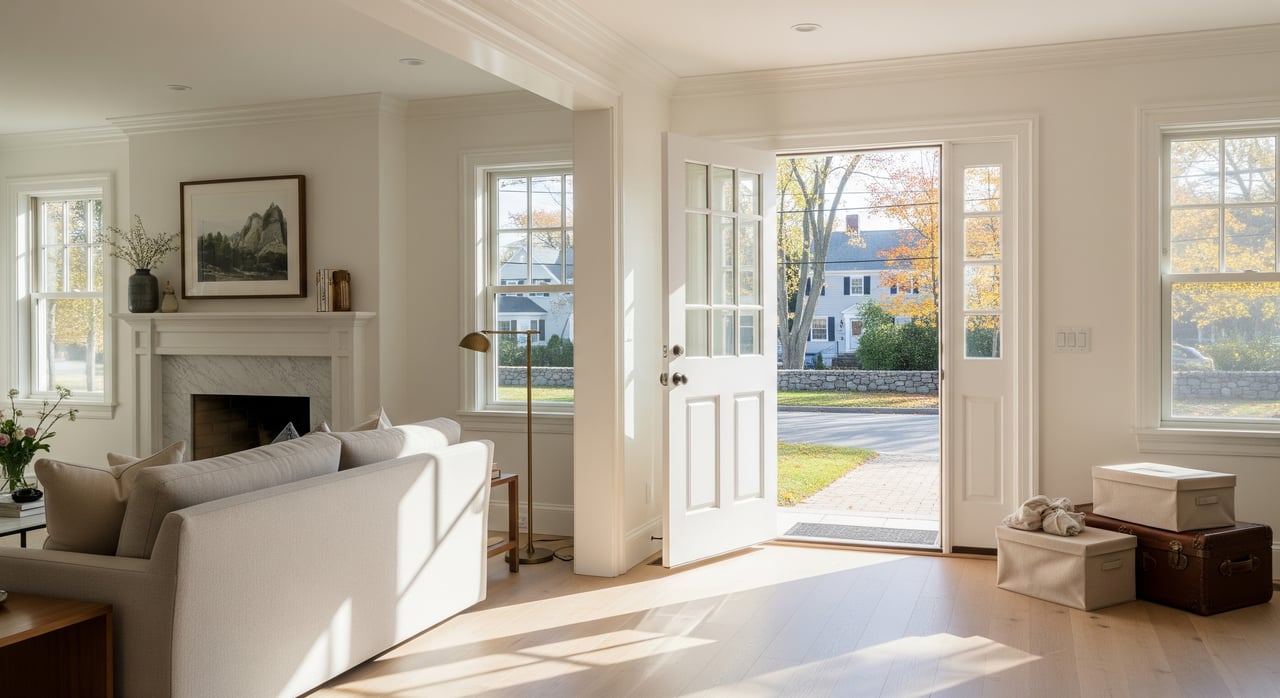
Newton may be the better fit if you want more space and a more suburban-residential environment. Buyers often look there when they want a detached-home feel, yard space, and a setting shaped by village centers and open space.
It can also make sense if you are planning for a longer ownership horizon and want flexibility around home layout, outdoor space, or future needs. Depending on the property, Newton may offer more room to adapt over time.
A Smart Decision Is a Specific Decision
The best answer is rarely “city versus suburb” in the abstract. It is usually about which specific home gives you the right balance of location, monthly cost, commute, condition, and long-term fit.
That is where careful local guidance matters. A side-by-side comparison of payment scenarios, property types, and realistic tradeoffs can make this decision much easier. If you want help weighing Downtown Boston against Newton based on your actual budget and goals, Anne Kennedy Homes can help you evaluate the numbers, the lifestyle differences, and the renovation or carrying-cost questions that often get missed.
FAQs
What is the main lifestyle difference between Downtown Boston and Newton?
- Downtown Boston offers a denser, more walkable urban setting with easy access to transit, jobs, dining, parks, and the waterfront, while Newton offers a more suburban-residential setting with more open space and housing that often includes more private outdoor space.
How do home prices compare in Downtown Boston and Newton?
- In February 2026, the median sale price was $1,927,500 in Downtown Boston and $1,525,000 in Newton, according to current market data.
Is commuting easier from Downtown Boston or Newton?
- Downtown Boston is at the center of the region’s transit network, while Newton offers Green Line access, commuter rail stations, bus routes, and major highways, so the better commute depends on the exact home and where you travel each day.
Are property taxes lower in Newton than in Boston?
- Newton has a lower residential tax rate than Boston, but because home values are higher, the actual annual tax burden can still be higher in Newton depending on the property.
Is Newton better for buyers who want more space?
- Newton often provides a more detached-home, yard-oriented experience than Downtown Boston, although the amount of space and housing style still varies by village, block, and price point.
Should buyers choose Downtown Boston or Newton for long-term ownership?
- The better long-term choice depends on how you expect your needs to change, how long you plan to stay, and whether you prefer an evolving urban core or a suburban-residential setting with different growth patterns.