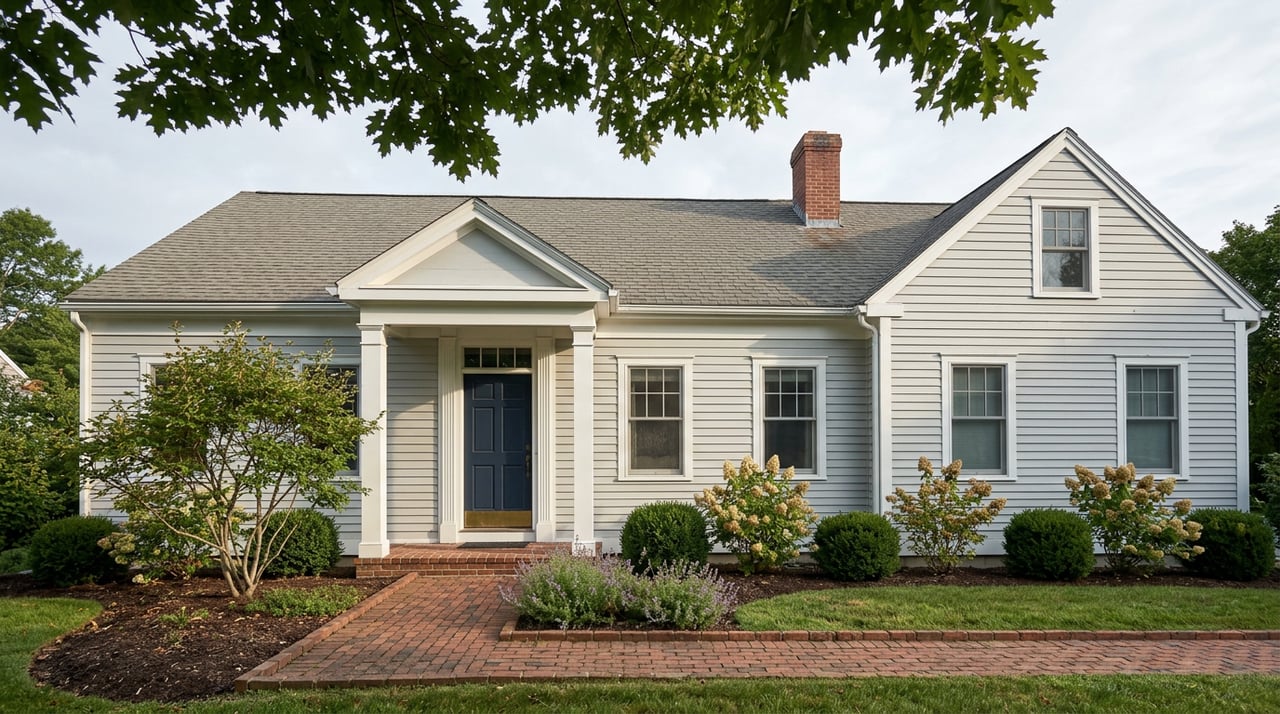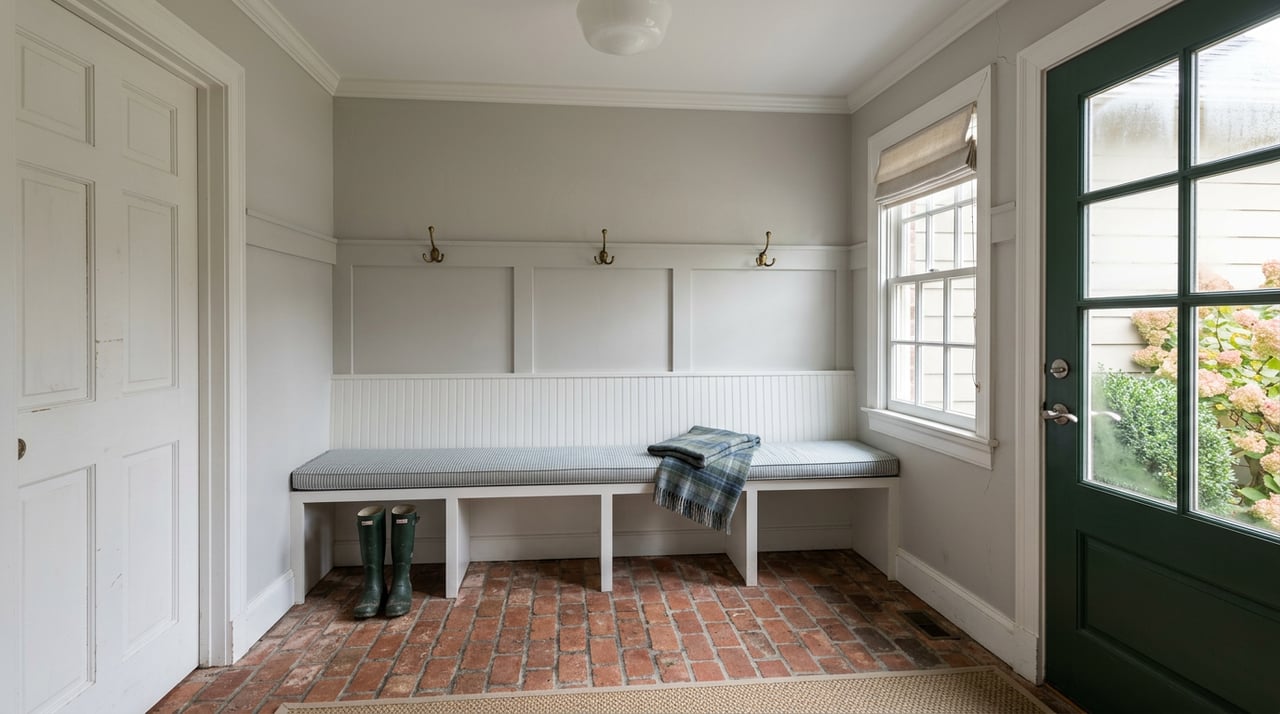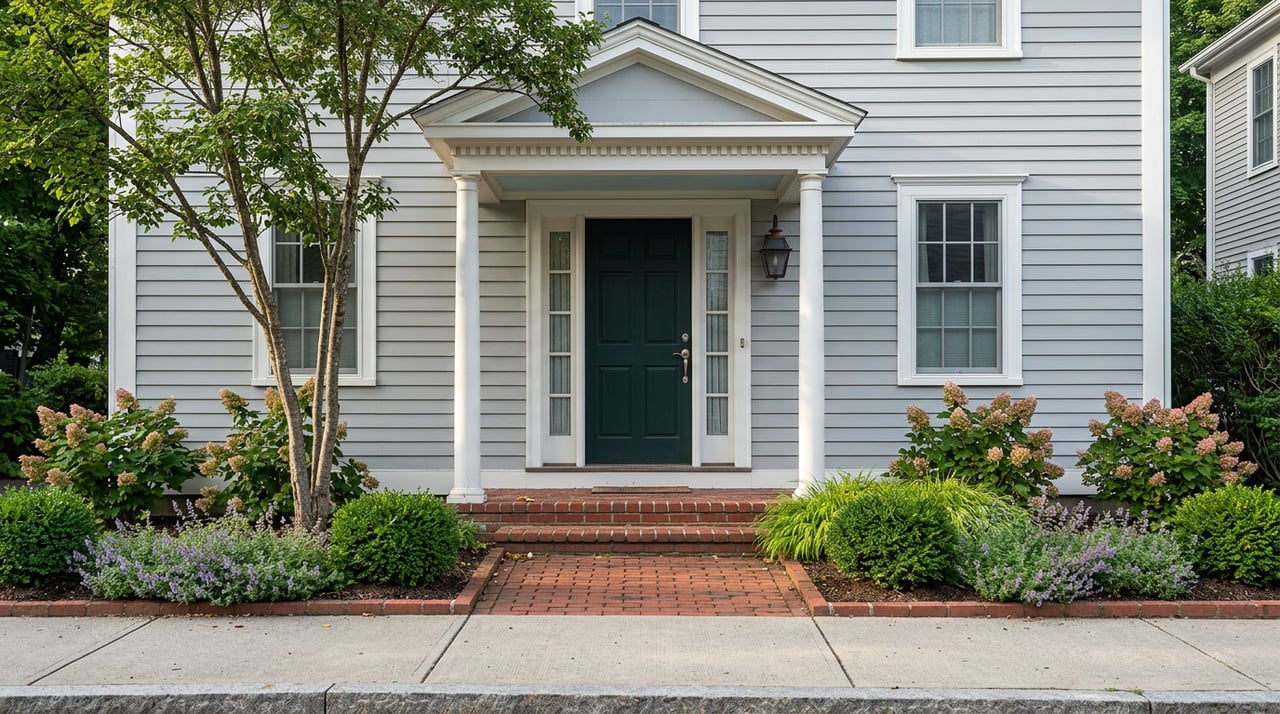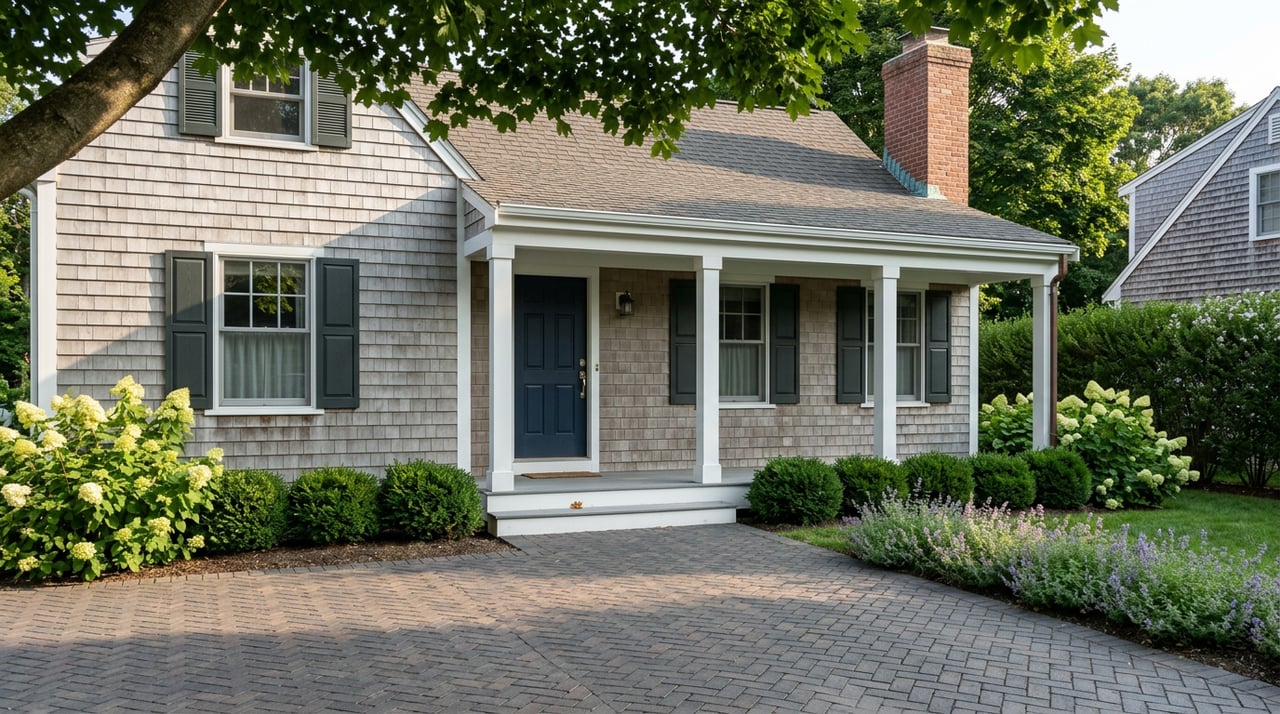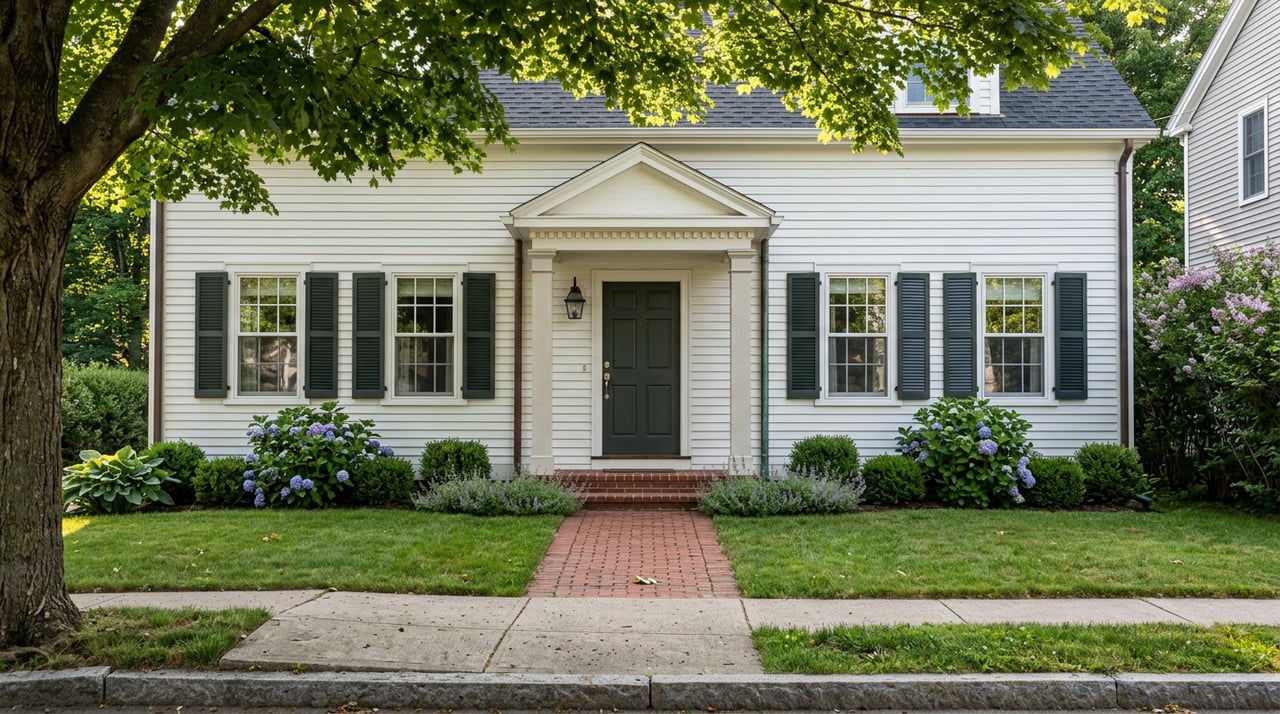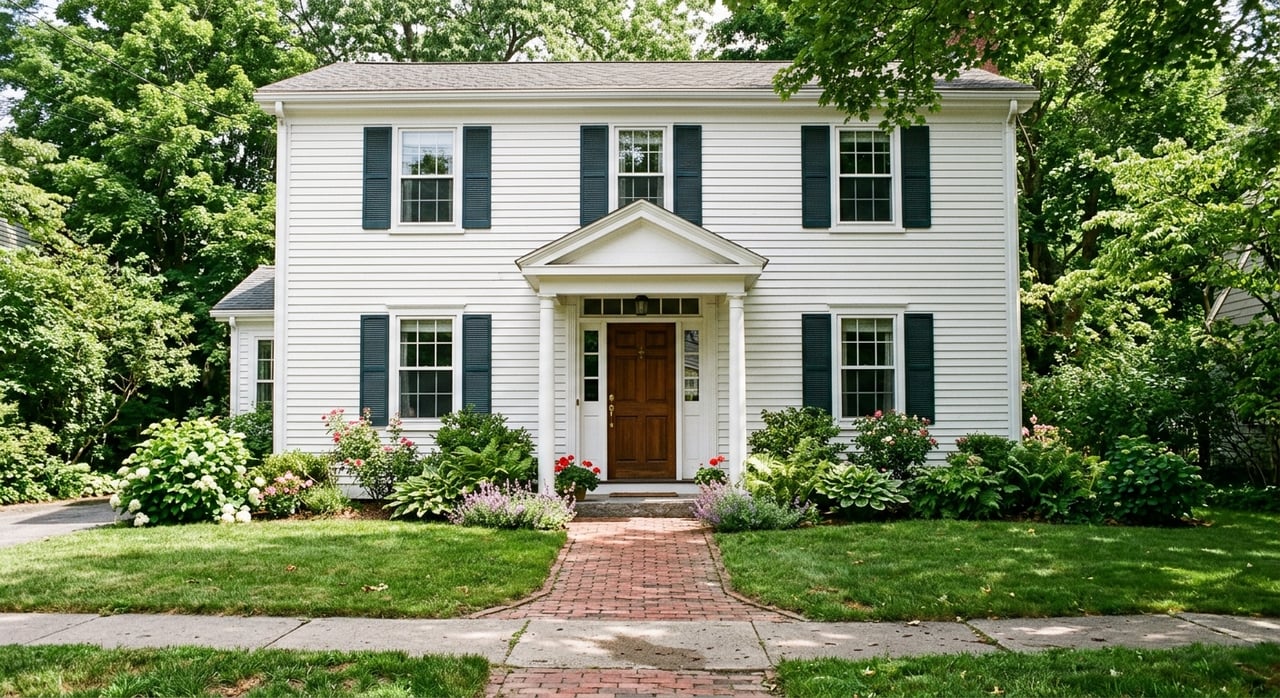
If you picture a Cape Cod vacation home as a simple lifestyle purchase, you could miss some of the most important details. In West Yarmouth and Falmouth, buying a second home is also a seasonal ownership decision shaped by inventory, maintenance, rental rules, and carrying costs. If you want a place to enjoy now and hold with confidence over time, understanding those local realities can help you make a smarter move. Let’s dive in.
Why Cape Cod vacation homes are different
Cape Cod does not behave like a typical year-round suburban market. According to the Cape Cod housing snapshot from Mass.gov, 36% of Barnstable County housing units are used seasonally, recreationally, or occasionally, and about 10% of homes are on the short-term rental registry.
That matters because a vacation home purchase here often comes with different assumptions than a primary residence. Supply constraints, environmental considerations, and seasonal demand all affect how you should think about pricing, upkeep, and long-term use.
The market is still relatively tight, but it is not moving at the same pace as the most frenzied pandemic-era years. CCIAOR market reporting showed 2.0 months of supply at the end of 2025, and its Q1 2026 update showed the Upper Cape slightly favoring buyers while the Mid Cape slightly favored sellers.
That split is useful if you are comparing Falmouth and West Yarmouth. Falmouth sits in the Upper Cape, while Yarmouth is part of the Mid Cape, so your negotiation strategy may look a little different depending on where you focus.
West Yarmouth vs. Falmouth
West Yarmouth and Yarmouth basics
West Yarmouth is part of Yarmouth, where the Cape Cod Commission town profile reports about 25,224 year-round residents and 17,542 housing units. The housing stock is about 81% single-family and just under 30% of homes are used seasonally.
For buyers, two numbers stand out. The profile lists a 2024 median home sales price of $600,000 and an FY26 tax rate of $6.97 per $1,000. That can make Yarmouth appealing if you want a Cape property at a lower entry point than some other coastal towns, but you still need to budget carefully for ongoing ownership costs.
Yarmouth also has older housing stock on average. Most homes were built between 1900 and 1974, with less than 10% built since 2000, which means condition and deferred maintenance deserve close attention.
Falmouth basics
Falmouth is larger and generally higher-priced. The Falmouth housing profile reports about 32,800 year-round residents, 22,156 housing units, and a housing stock that is about 82% single-family.
About 30% of homes are seasonal, so it also operates as a second-home market. The same profile lists a 2023 median home sales price of $750,000 and an FY26 tax rate of $5.73 per $1,000.
Falmouth’s housing stock is somewhat newer on average than Yarmouth’s. Most homes were built between 1950 and 1999, and about 14% were built in the 2000s, which can mean a wider mix of updated properties and different renovation needs.
What the differences can mean for you
If you are deciding between West Yarmouth and Falmouth, the choice is not only about lifestyle. It is also about your budget, your tolerance for renovation work, and whether you want a property that may need more immediate systems review.
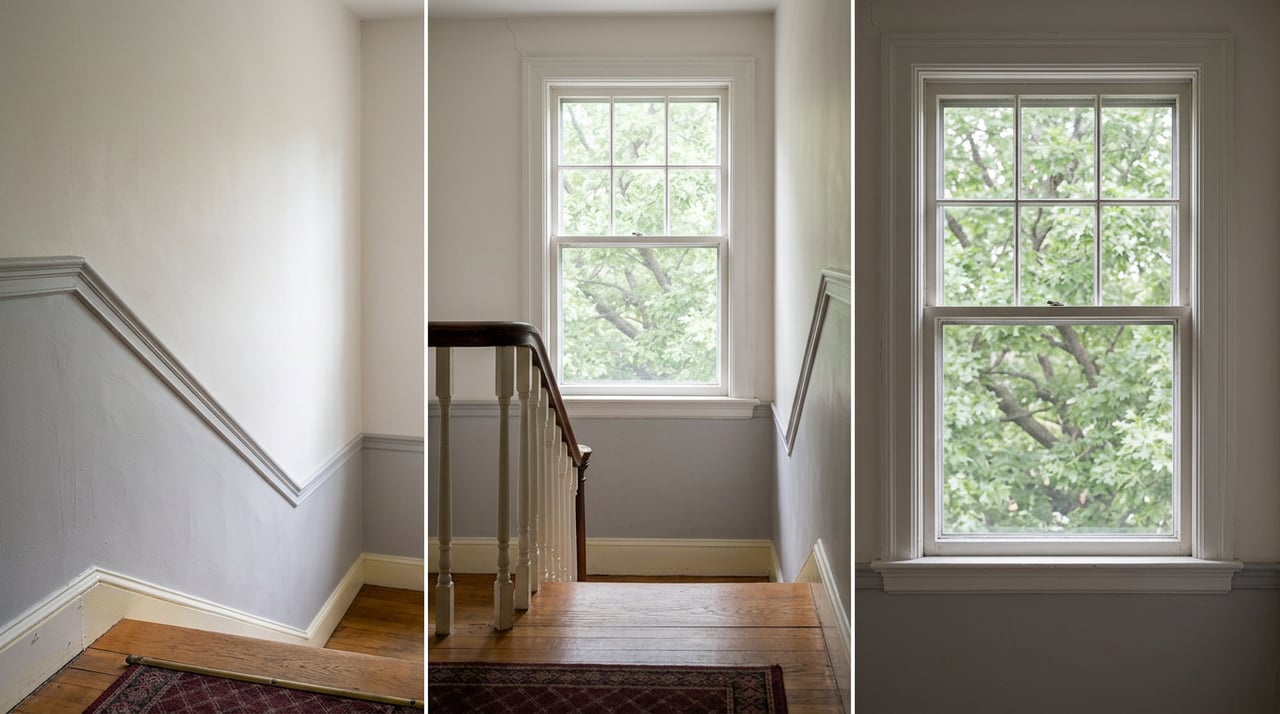
In broad terms, Yarmouth may call for deeper due diligence on older-home items like roofs, windows, insulation, heating systems, drainage, and deferred maintenance. Falmouth may offer more variety in age and condition, but often at a higher price point.
That is where a technical, property-by-property review matters. Looking beyond list price can help you avoid buying a house that appears affordable up front but needs significant work soon after closing.
What market conditions mean now
A stabilizing market can create opportunities, but it does not remove the need for preparation. CCIAOR’s reporting also noted that listings priced below $1 million averaged 34.4 median days on market, compared with 77 days for listings at $1 million and above.
That can affect both your pace and your leverage. If you are shopping below $1 million, you may still need to move quickly when a well-positioned property comes up. If you are considering a higher-priced second home, you may have a little more room for negotiation and due diligence.
Seasonal timing matters too, especially if rental income is part of your plan. According to WeNeedaVacation’s 2025 market update, demand rises in late spring, June through August are the strongest booking months, late July to mid-August is the highest-demand stretch on Cape Cod, and the last week of August is the hardest period to rent.
Should you count on rental income?
Rental income can help offset ownership costs, but it should be modeled carefully. The most important mindset shift is this: gross rent is not the same as net return.
Seasonality affects occupancy, and local rules affect what you can legally do with the property. Taxes, registration, management logistics, and vacancy can all reduce your actual return.
If your purchase depends on rental performance, it is smart to underwrite conservatively. That means looking at realistic booking windows, off-season slowdowns, and town-specific compliance requirements before you buy.
Short-term rental rules in Falmouth
Falmouth currently collects a short-term rental tax that includes 5.7% to the state, 6% to the town, 2.75% to the Cape Cod Water Quality Fund, and a 3% community impact fee on professionally managed units, according to the town’s Short-Term Rental Update page.
That same town resource says a draft bylaw under review would require a town license, a designated operator within 20 miles, 24/7 emergency availability during rental periods, parking and trash plans, and compliance with inspections. Falmouth also routes rental permits through PermitEyes, and its housing and rentals guidance points owners to state sanitary code and related health rules.
For buyers, the key takeaway is simple. If you want to rent your home, you need to confirm the current rules, the operational demands, and the true after-tax income before you make an offer.
Short-term rental rules in Yarmouth
Yarmouth is more explicitly regulated right now. The town states that all rentals must be registered yearly with the Health Department, and its short-term rental rules include annual registration, occupancy limits based on inspection, at least one parking space per bedroom, a ban on rentals of less than two consecutive nights, and a prohibition on large events, as outlined on the town’s local excise taxes and rental information page.
Yarmouth’s local rooms tax is 6%, for a total rooms tax rate of 14.45%. The current short-term rental bylaw also includes a sunset clause ending at 11:59 PM on November 30, 2026 unless it is renewed or replaced.
That makes rule-checking especially important. If you are buying in West Yarmouth with rental use in mind, you will want a current review of registration, occupancy, and operating requirements before you rely on projected income.
Budget beyond the purchase price
On Cape Cod, your monthly payment is only part of the ownership picture. A realistic budget should include taxes, insurance, maintenance, winterization, and any rental compliance costs that apply.
Environmental and infrastructure issues also matter. The Cape Cod Commission’s wastewater guidance explains that wastewater is the primary source of nitrogen to the region’s coastal embayments and that more aggressive wastewater management is needed across the Cape.
Flood risk belongs in your due diligence as well. Mass.gov notes that climate change is increasing flood risk in Massachusetts, and FEMA’s flood map service center reminds buyers that flood risk changes over time and that areas with a 1% annual chance of flooding are considered high risk.
If a home may be affected by flood exposure or septic concerns, those issues can influence insurance, maintenance, and long-term cost. Mass.gov also warns that flooding of septic systems can contaminate floodwater, which is another reason to take site and infrastructure review seriously.
Due diligence checklist for buyers
Before you buy a vacation home in West Yarmouth or Falmouth, it helps to review the property through both a lifestyle lens and an operating-cost lens.
Consider this checklist:
- Review current flood maps and ask about flood insurance needs
- Evaluate septic or wastewater conditions where applicable
- Inspect major systems, especially in older homes
- Budget for exterior upkeep and seasonal weather exposure
- Confirm town-specific short-term rental rules if rental use matters to you
- Model realistic rental income with taxes, vacancy, and management costs included
- Review local tax rates and total carrying costs, not just purchase price
This kind of planning can help you compare homes more accurately. It can also protect you from stretching on a property that looks perfect in summer but feels expensive or complicated to operate year-round.
Build the right local team
A vacation-home purchase on the Cape often works best when you treat it like a coordinated project. Based on the regulatory and maintenance factors in the local data, your team may include a buyer’s agent, a home inspector, a septic or wastewater specialist if needed, a lender, a real estate attorney, and tax or financial professionals who can help you model second-home and rental scenarios.
This is where informed guidance can make a real difference. A careful buying strategy is not only about finding a beautiful home. It is about understanding condition, forecasting costs, and negotiating with a clear picture of what ownership will really look like.
If you are weighing West Yarmouth versus Falmouth, the best choice is usually the one that fits both your lifestyle and your operating plan. If you want expert guidance on Cape Cod vacation homes, connect with Anne Kennedy / Homes for a thoughtful, data-driven approach to your next move.
FAQs
What is the main difference between buying in West Yarmouth versus Falmouth?
- West Yarmouth generally offers a lower median price point based on town-level data, while Falmouth tends to be higher-priced and may offer a somewhat newer mix of housing stock.
Are vacation homes in West Yarmouth and Falmouth good short-term rentals?
- They can have rental potential, but income depends on seasonality, vacancy, taxes, and town rules, so you should evaluate net return rather than headline rental rates.
What short-term rental rules should buyers check in Falmouth?
- Buyers should confirm current tax rates, permitting requirements, inspection rules, local operator requirements, and any active bylaw changes through the town’s short-term rental resources.
What short-term rental rules should buyers check in Yarmouth?
- Buyers should verify annual registration requirements, occupancy limits, parking standards, minimum stay rules, local tax rates, and the current status of the bylaw sunset timeline.
Why is due diligence especially important for Cape Cod vacation homes?
- Cape ownership often involves added considerations such as older housing stock, flood exposure, wastewater or septic issues, seasonal maintenance, and town-specific rental compliance.
How should you budget for a second home in West Yarmouth or Falmouth?
- You should budget for more than mortgage and down payment, including taxes, insurance, maintenance, winterization, possible flood-related costs, and any rental registration or management expenses.