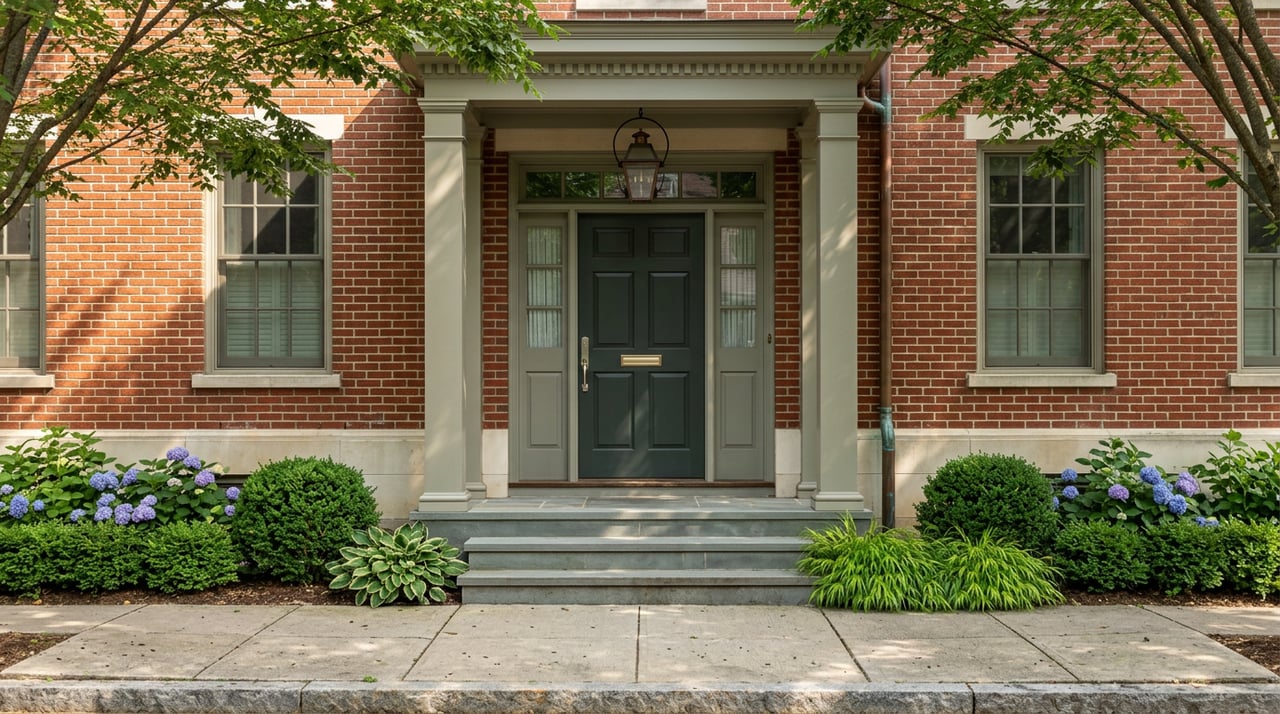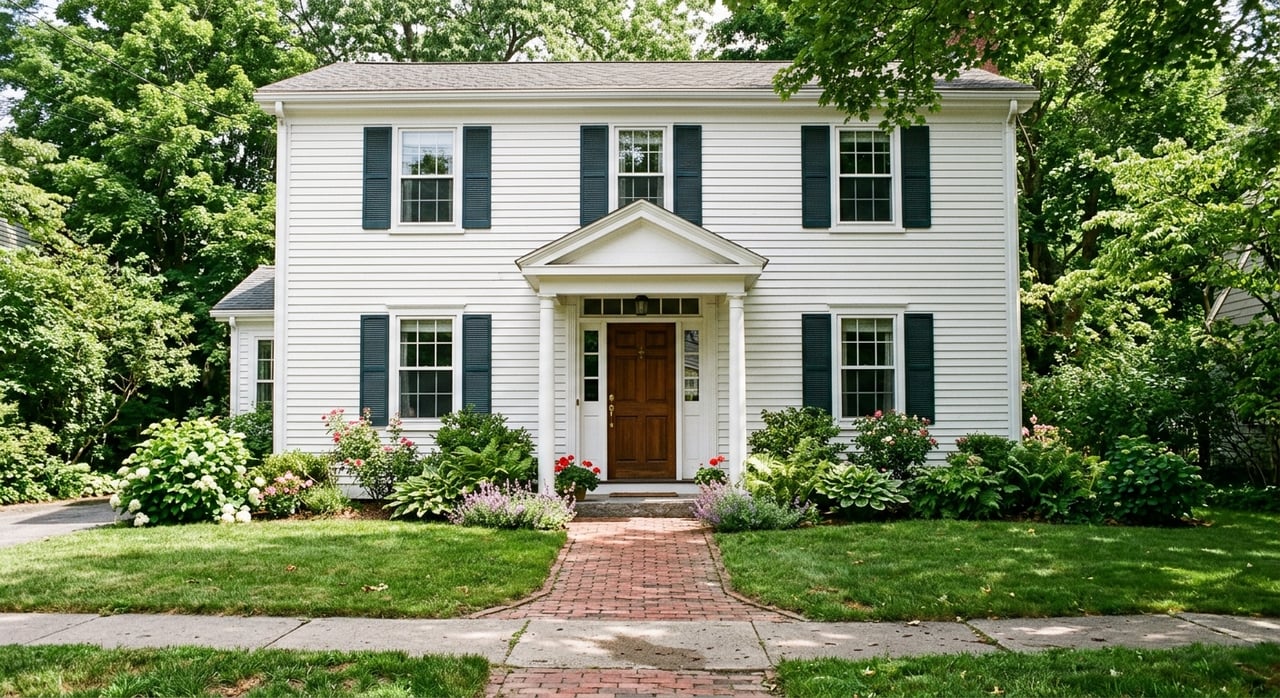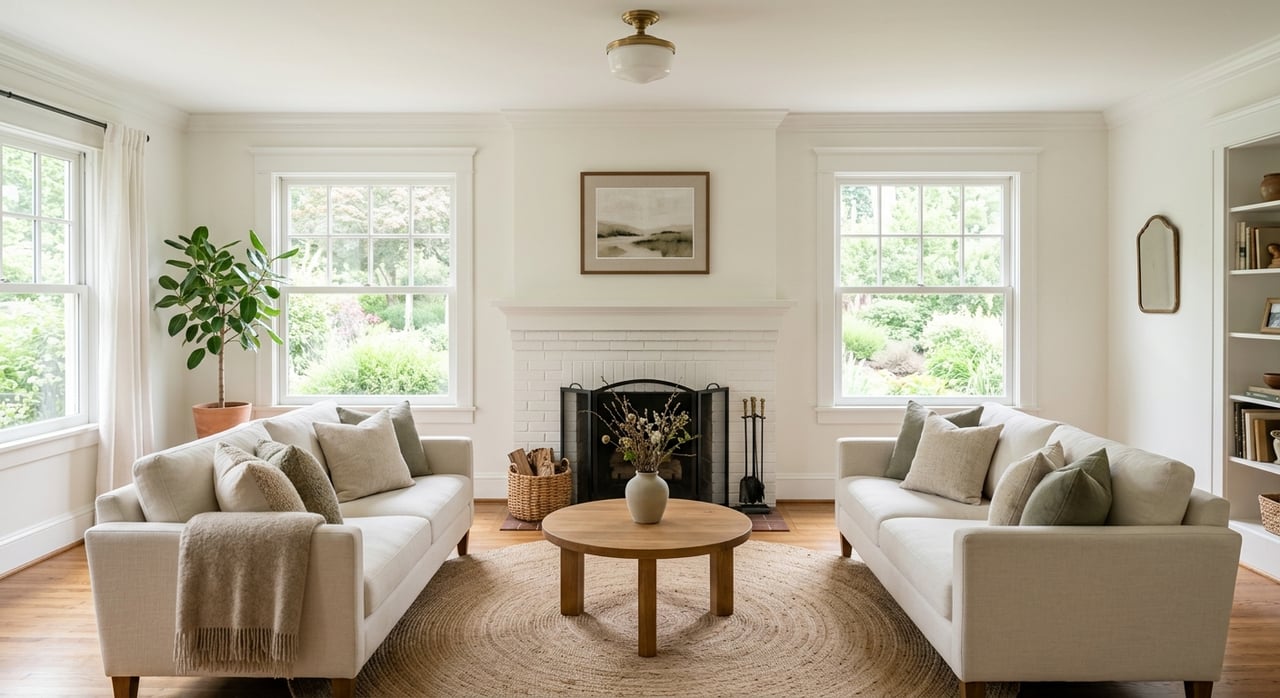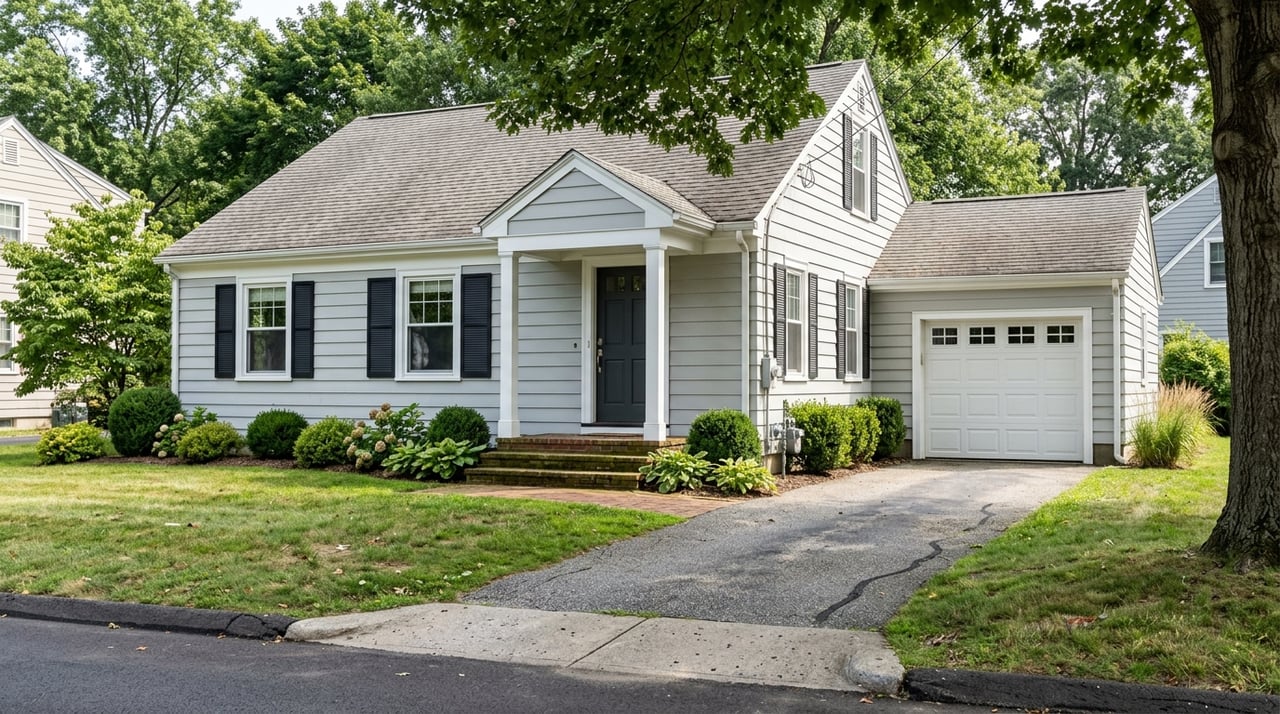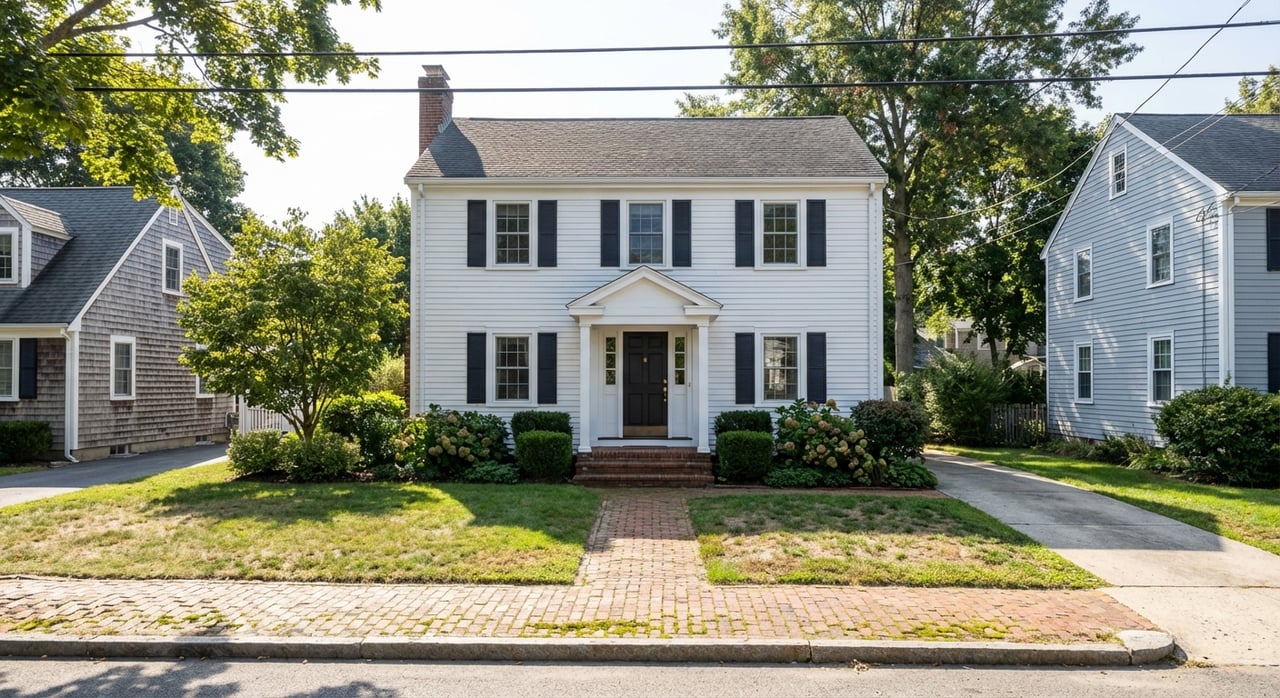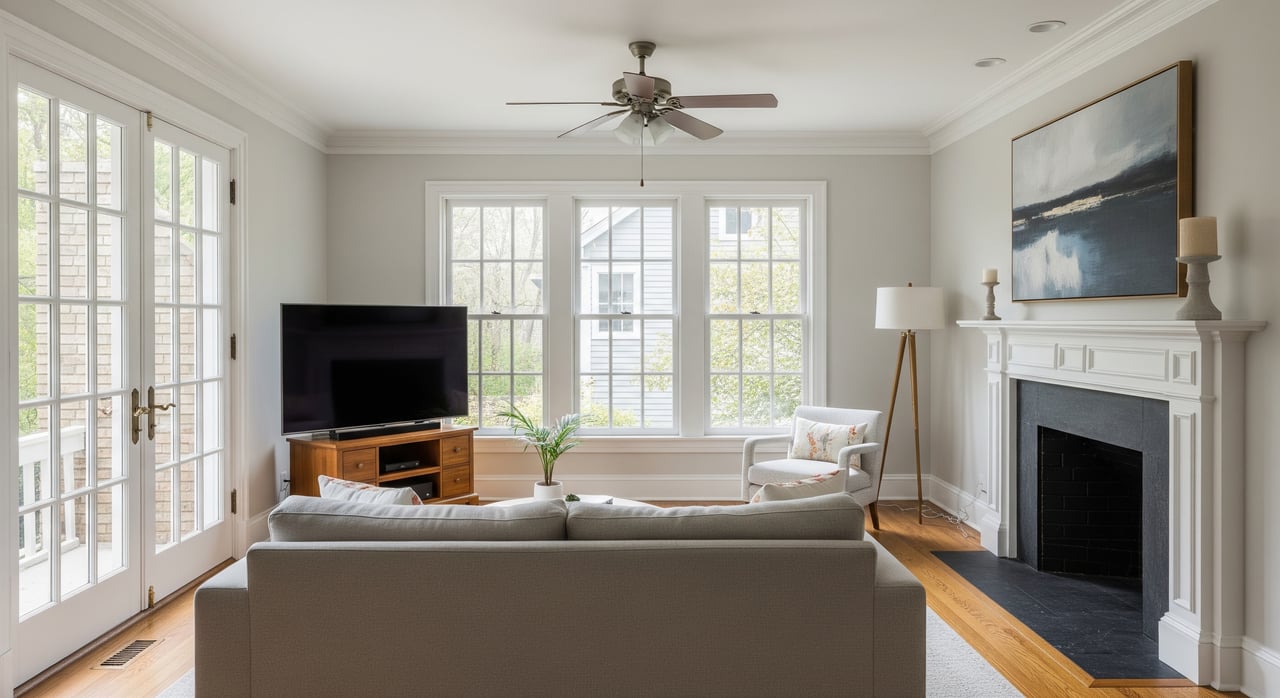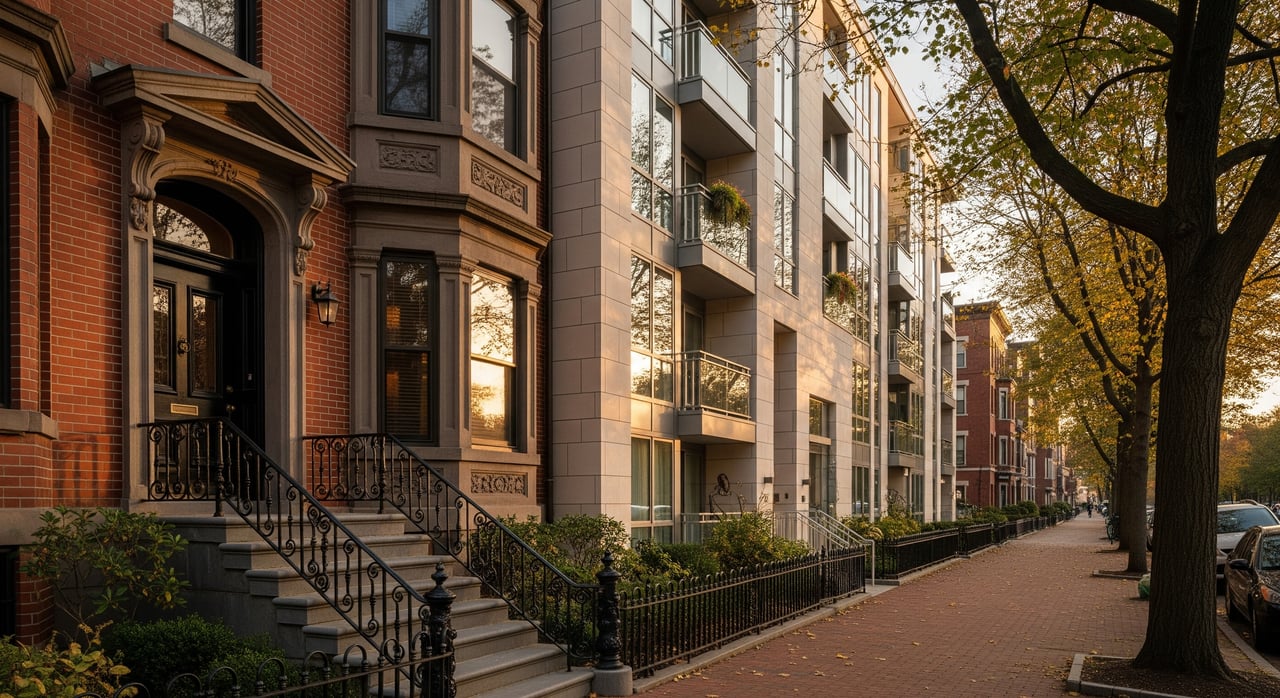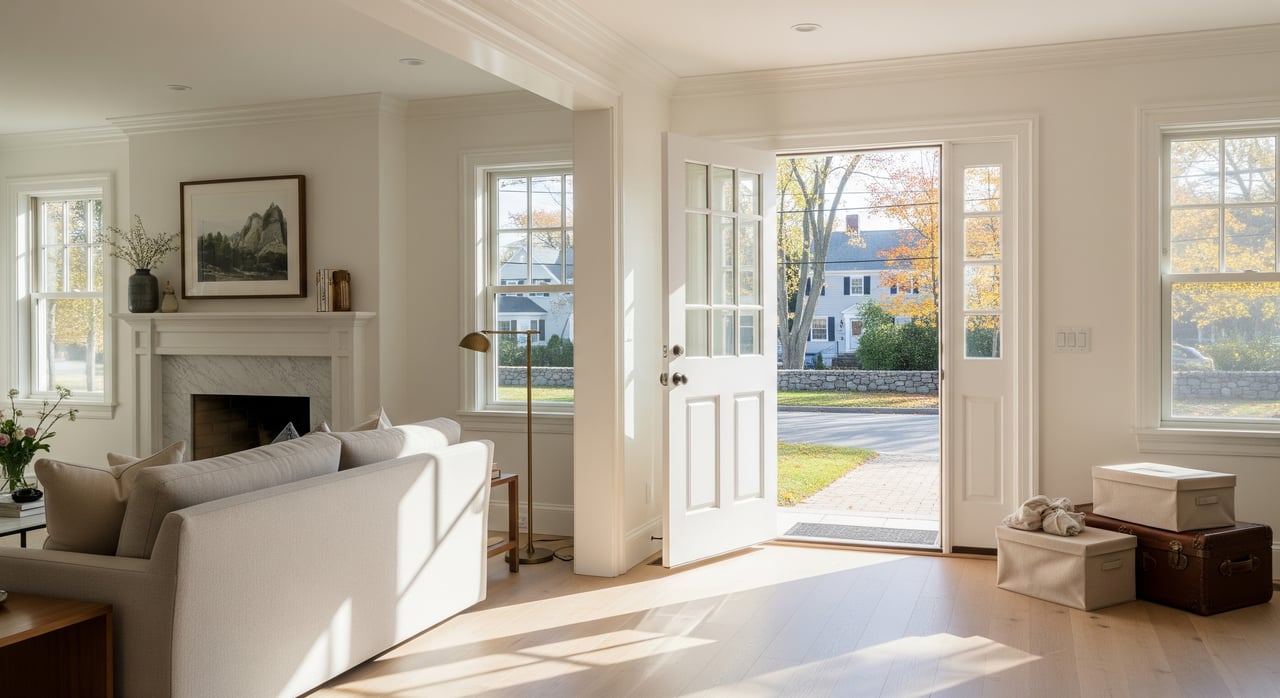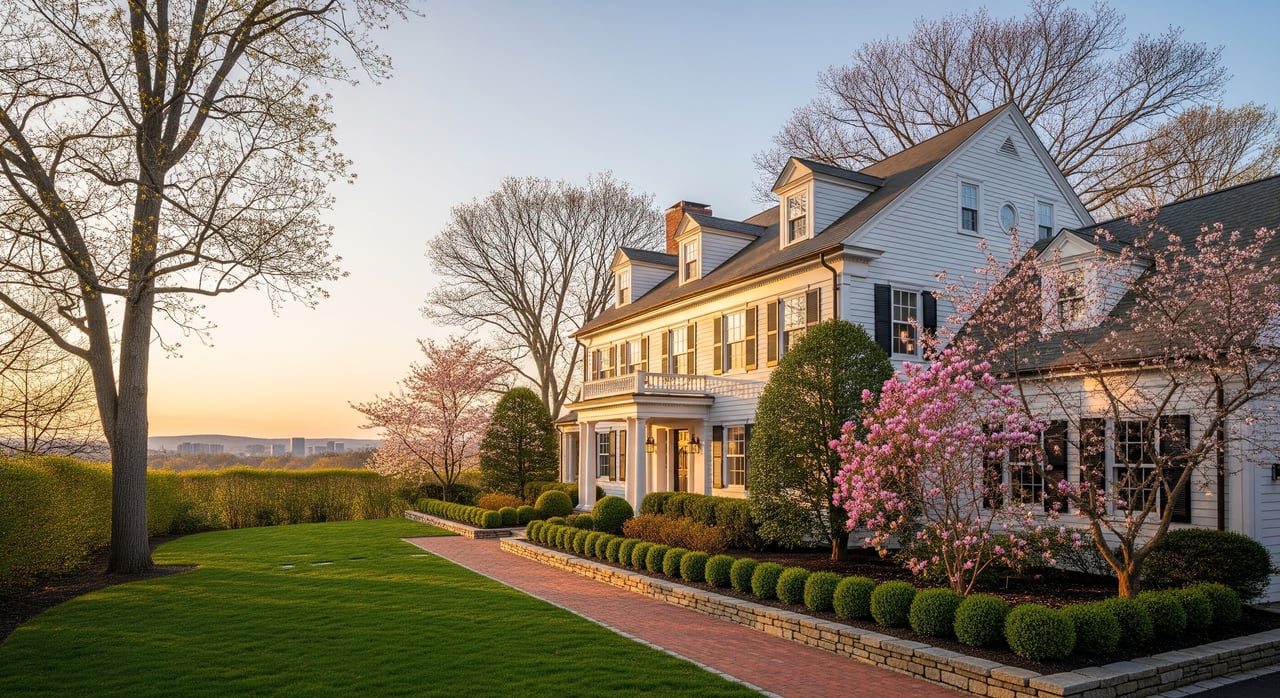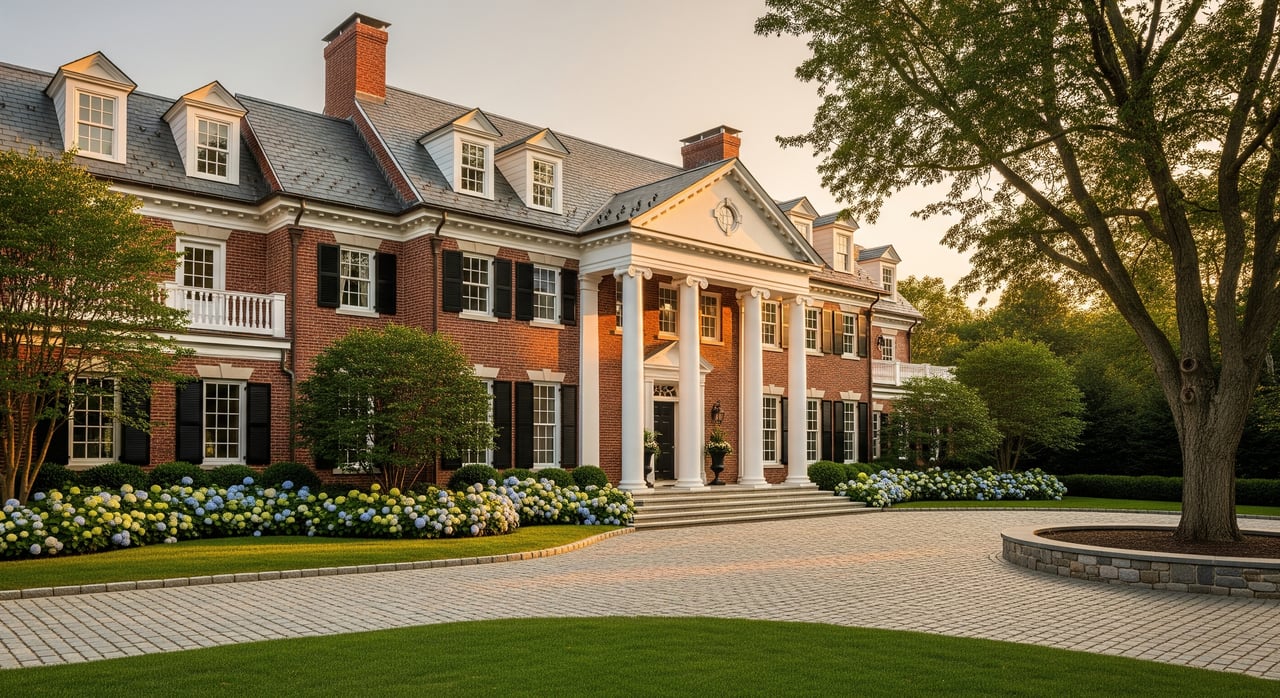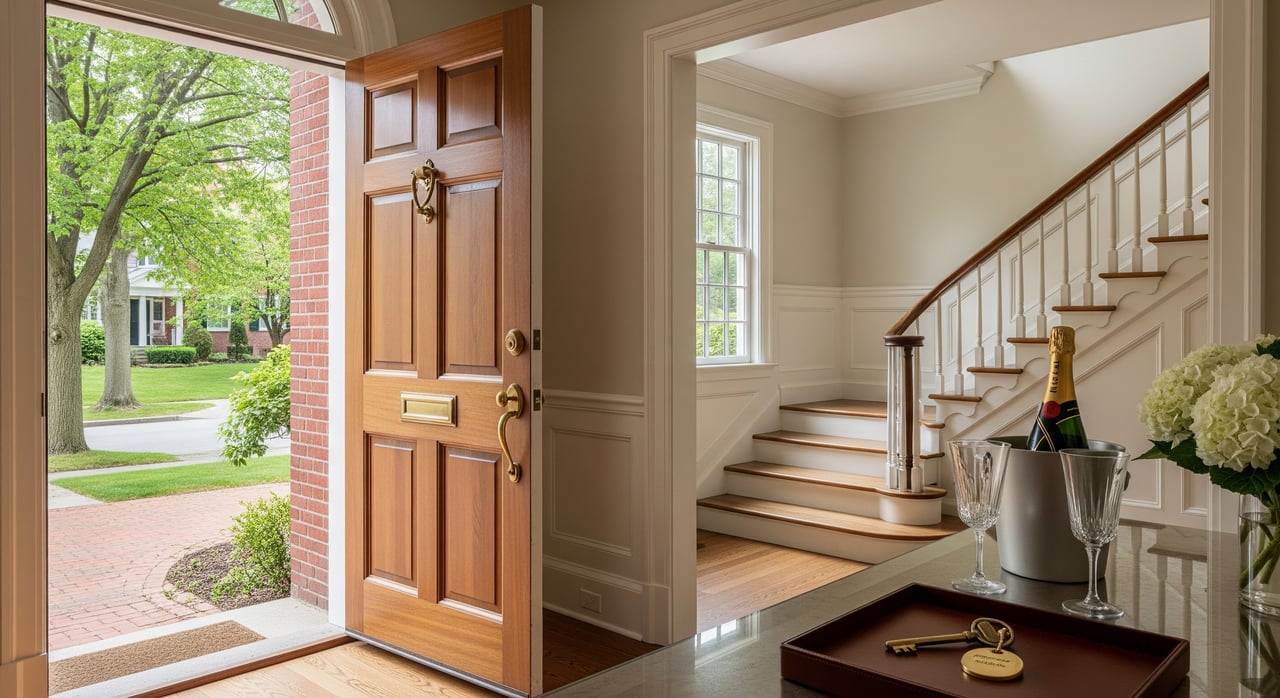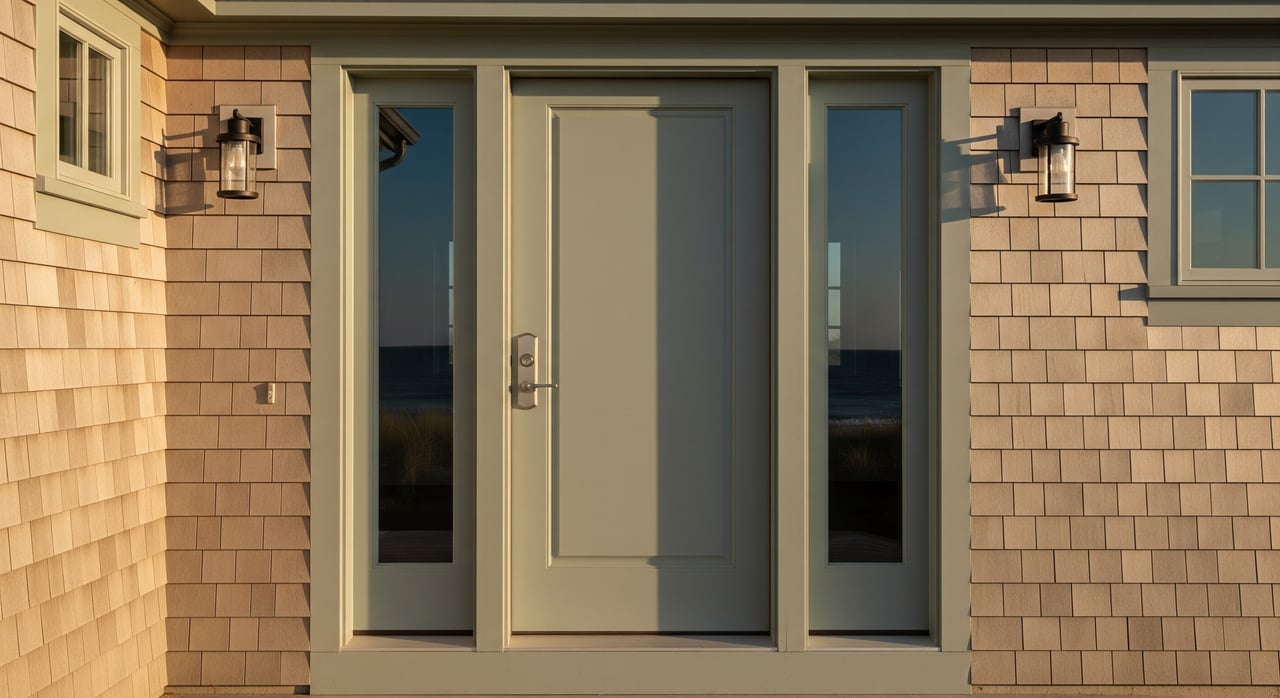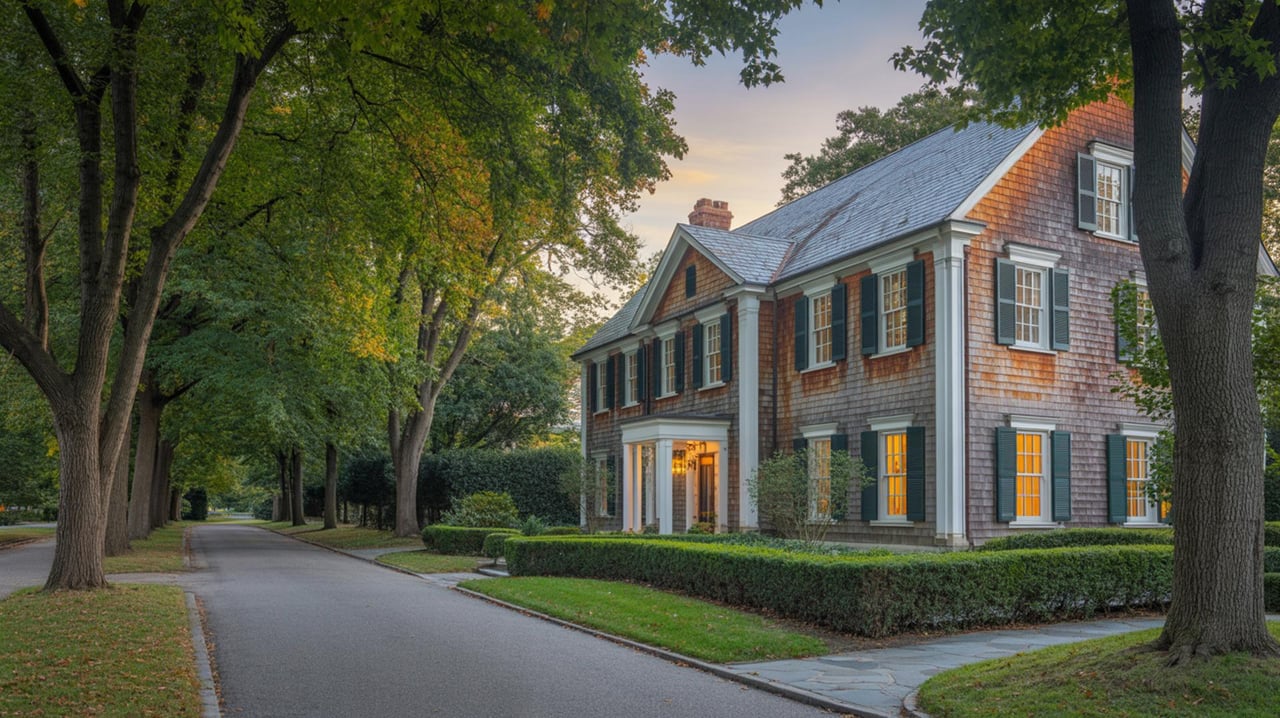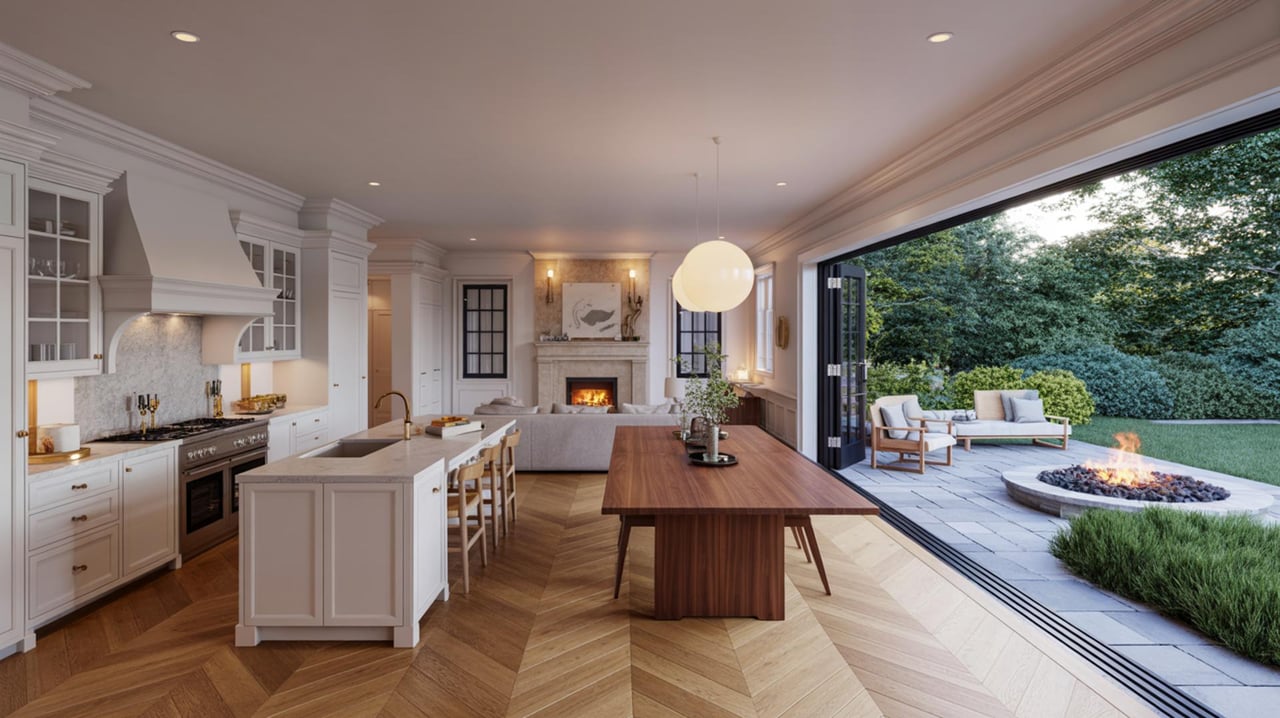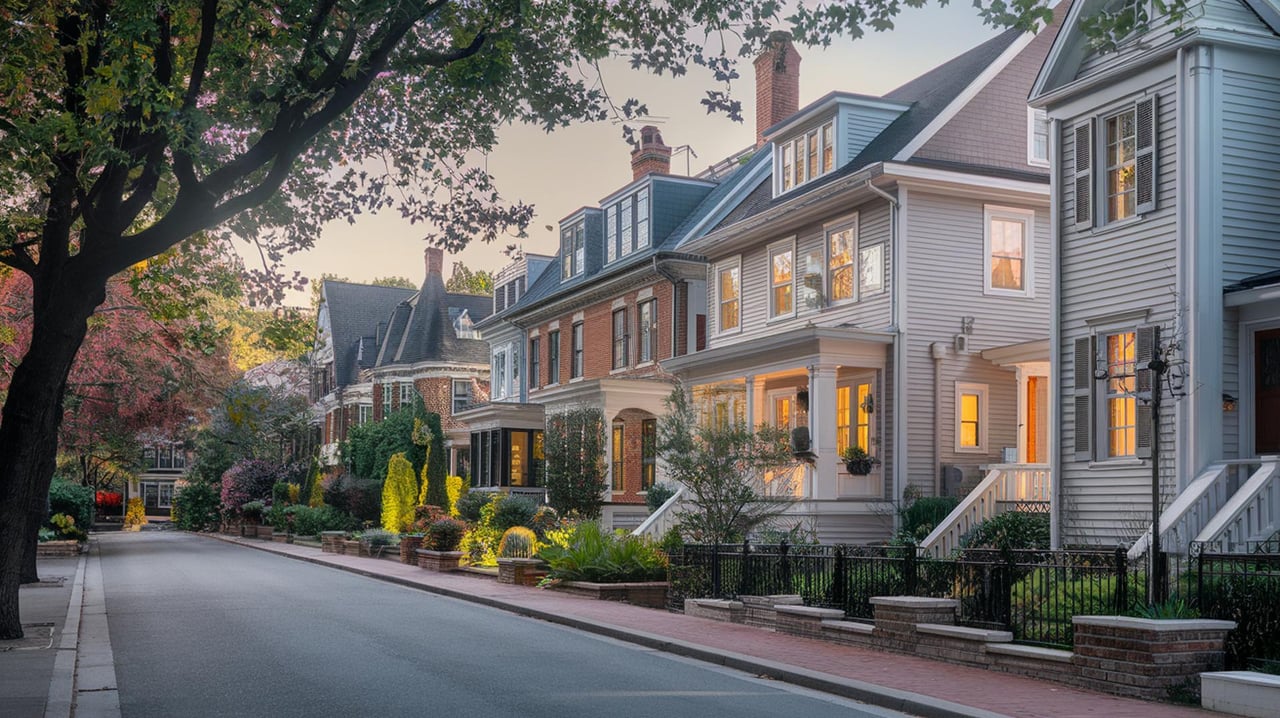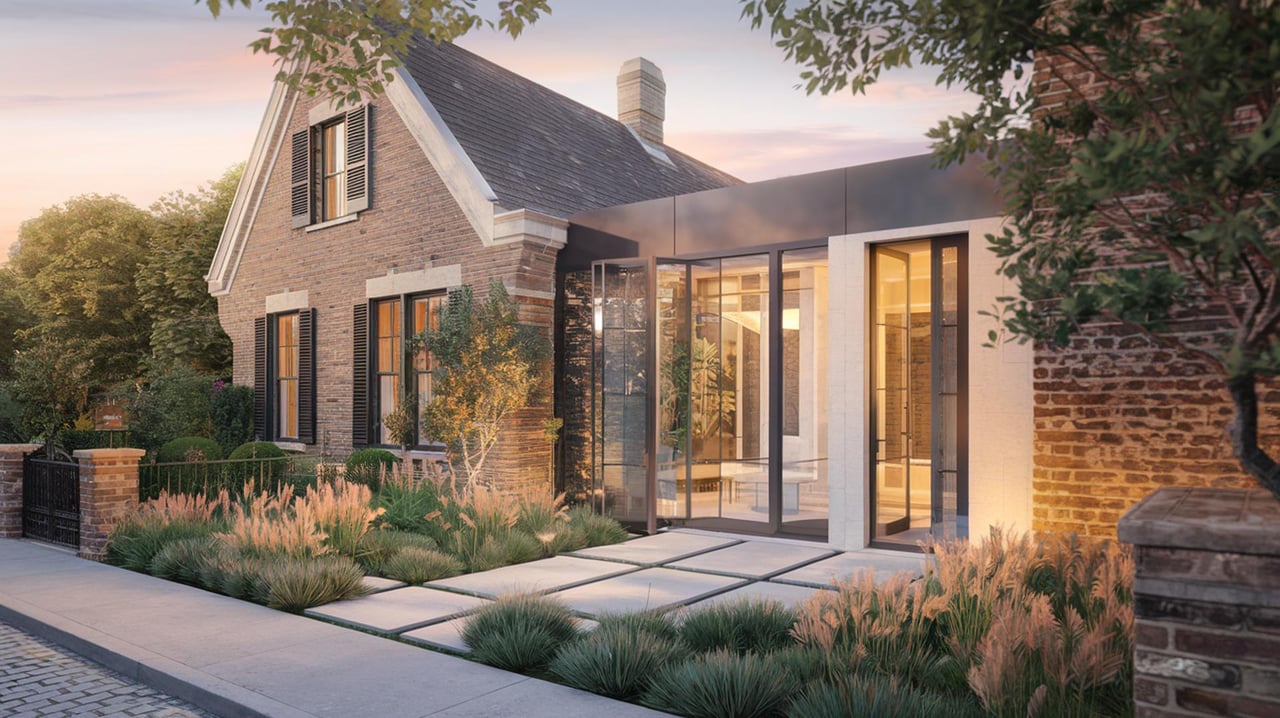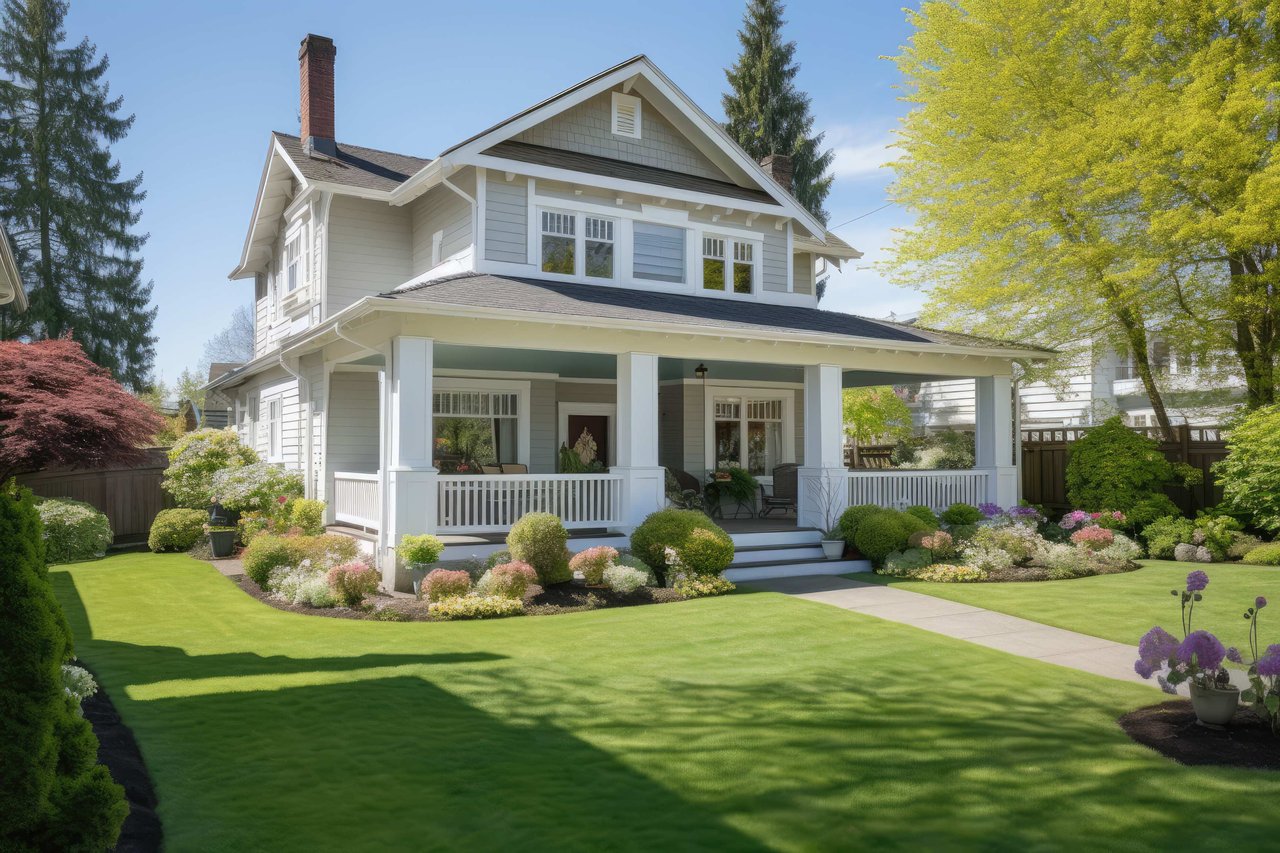
You love the character of your Brookline home, but you also know today’s buyers expect comfort, efficiency, and low-maintenance living. The good news is you can honor original details while making smart updates that boost appeal and value. In this guide, you’ll learn which projects resonate most with Greater Boston buyers, how Brookline’s preservation rules affect your plans, and a clear sequence to get from idea to market with fewer surprises. Let’s dive in.
Know your Brookline rules early
Brookline protects much of its historic fabric through Local Historic Districts and a preservation review process. Start by checking whether your property sits in an LHD and which exterior elements are reviewable using the town’s Preservation Commission resources. You can also review the town’s district maps and property lists to understand boundaries and whether past approvals exist.
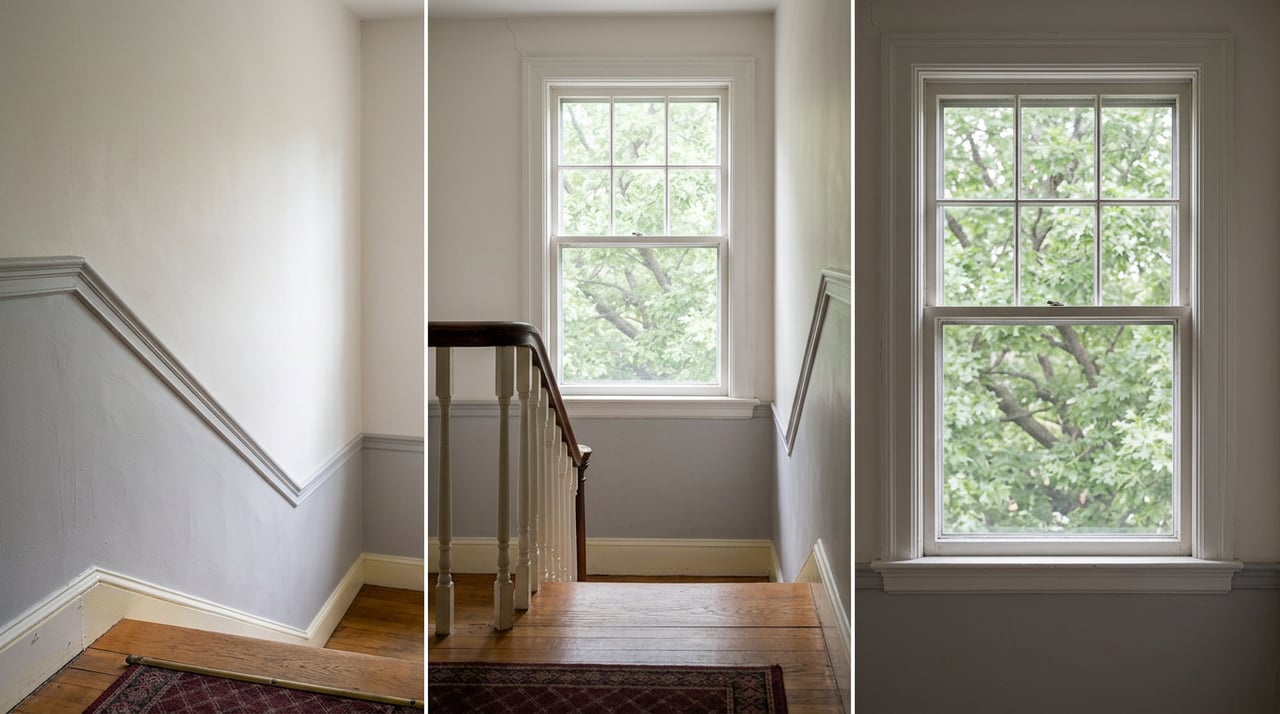
If your home is in an LHD and work is visible from a public way, plan on design review. The town’s published guidelines emphasize repair over replacement for character-defining features, including a clear preference that “existing windows should be repaired, not replaced,” as outlined in the Local Historic District Design Guidelines. Starting a conversation with staff early will save time and reduce redesigns.
Brookline has also adopted the State’s opt-in Specialized energy code focused on higher efficiency. Major additions or renovations may trigger stricter envelope and electrification requirements, so confirm thresholds before you finalize scope or budget by reviewing the town’s Specialized Code adoption documents.
What typically triggers review
Exterior features visible from a public way are often reviewable. That usually includes windows, siding, roofing details, porches, railings, doors, and new exterior openings. The guidelines strongly favor in-kind repair and historically accurate profiles, so factor that into pricing and lead times.
Timeline tips with preservation
- Book a preliminary consultation with Preservation staff before you commit to drawings or orders.
- Expect one or more public meetings for Certificate approvals, especially for visible changes.
- Build in lead time for specialty materials that match historic profiles and details.
What today’s buyers want
Buyer research consistently points to functional, energy-efficient homes with flexible spaces and updated kitchens and baths. According to the NAHB’s latest findings, buyers prioritize energy savings, low upkeep, and practical layouts over flashy add-ons. Review what’s trending in your segment in the What Home Buyers Really Want report and then tailor choices to Brookline comps.
Quick wins buyers notice
- A bright, clean kitchen with updated counters, lighting, and reliable appliances.
- At least one refreshed full bath with modern fixtures and good lighting.
- Laundry on a convenient level and practical storage.
- Usable outdoor areas for dining or play, with safe stairs and a sound porch.
High-ROI updates for historic homes
You do not need a full gut to impress today’s buyer. Regional benchmarking shows several projects that tend to recoup much of their cost at resale when done thoughtfully. The New England 2025 Cost vs. Value data highlights the following categories as strong performers, which can often be executed in historic homes without compromising character. Explore the regional figures here: New England Cost vs. Value 2025.
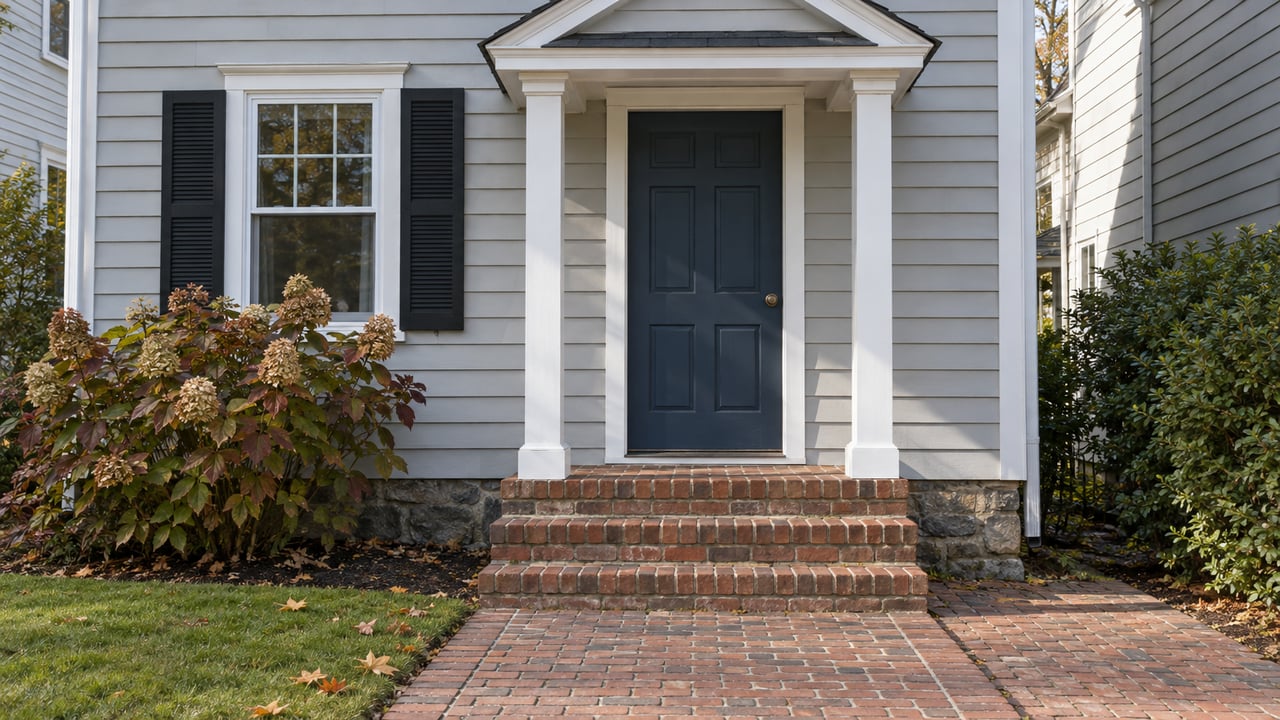
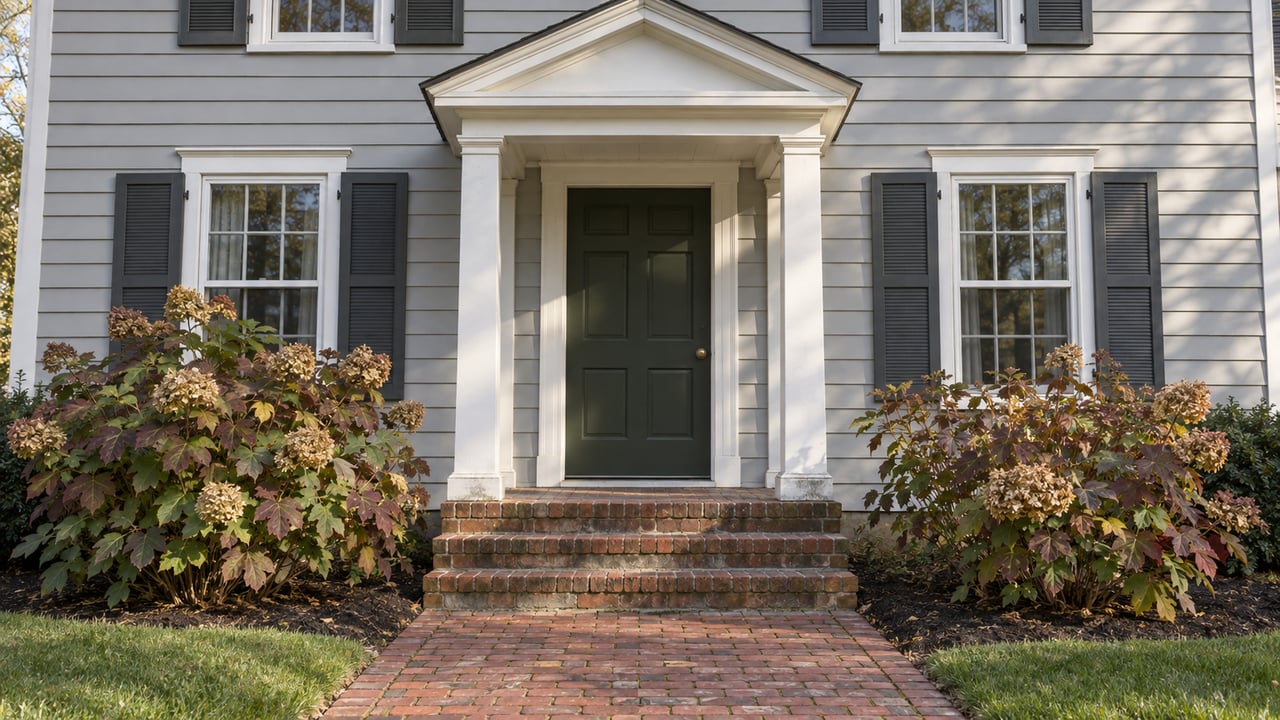
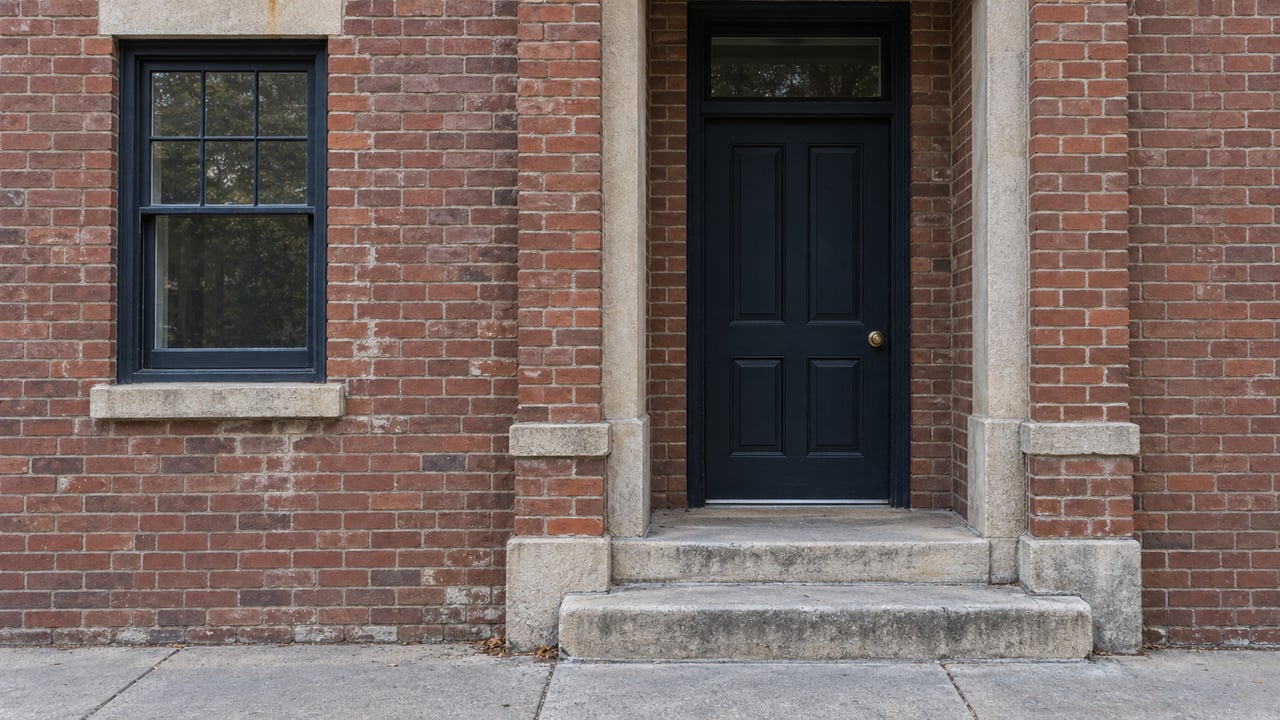
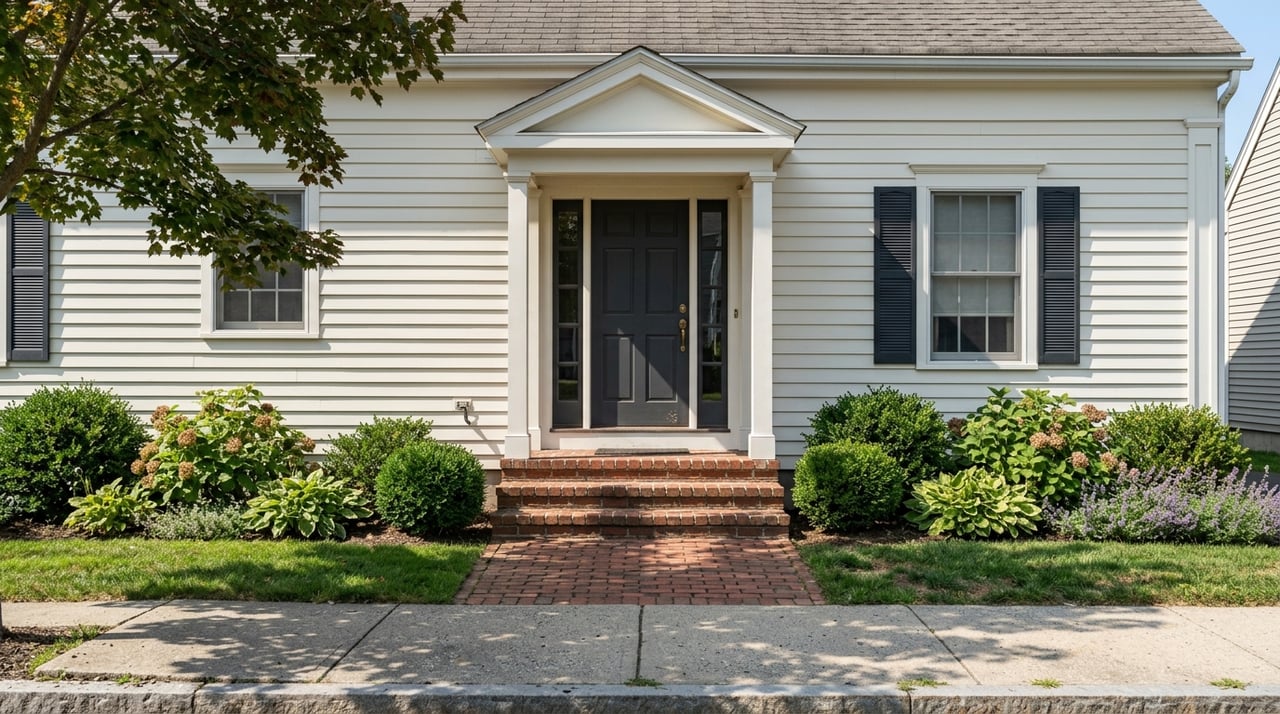
- Entry door replacement. Historically appropriate, well-insulated doors show excellent curb appeal and high recoup in the region, often above 180% depending on specifics.
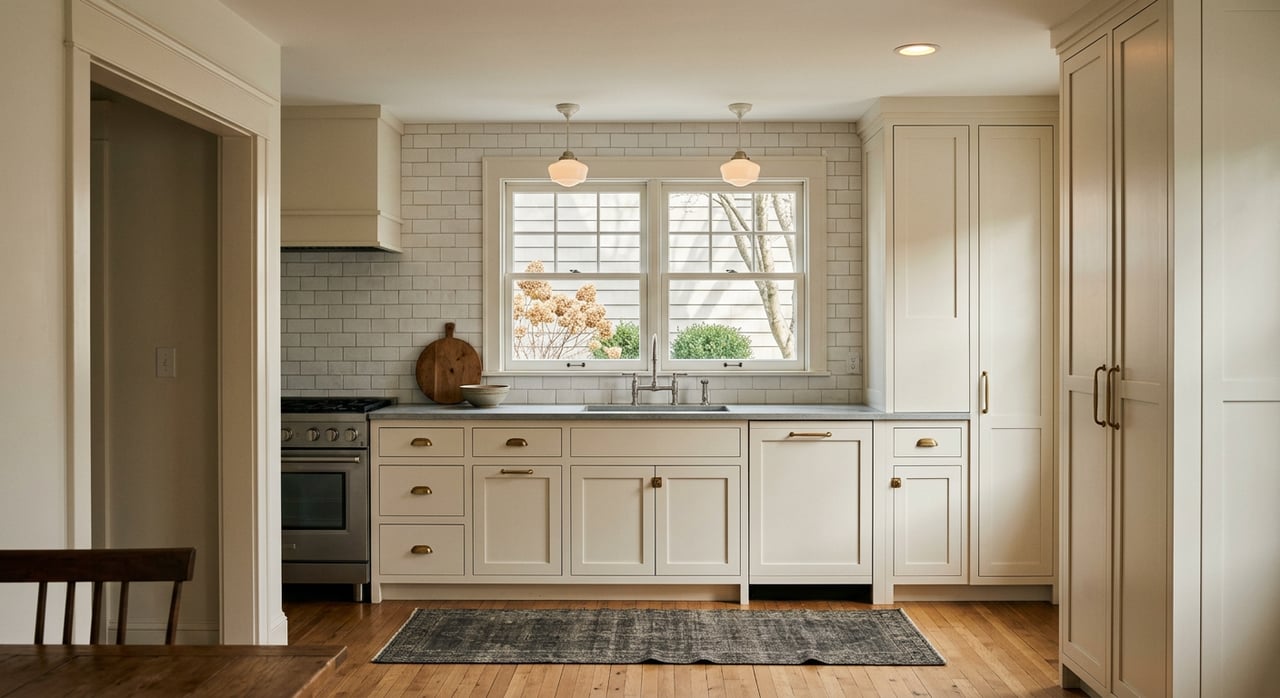
- Minor kitchen remodel. Targeted updates like cabinet refacing, new counters, fixtures, lighting, and midrange appliances can recoup around 113% regionally, sometimes more.
- Siding improvements. Where appropriate and reviewable, high-quality fiber-cement siding has shown strong recoup rates in New England. In LHDs, follow guidance for material choice and profiles.
- Midrange bath remodel. A clean-lined update with quality finishes generally performs well on resale.
- HVAC conversion and efficiency. Electrification and modern systems are increasingly attractive to buyers and can post compelling returns, but confirm local costs, incentives, and operational savings.
- Window projects. Full replacements often recoup less regionally, and in Brookline LHDs the guidelines prefer repair or historically accurate sash solutions. Investigate storms and restoration first.
Always size your project to the expected final sale price and your neighborhood comps. Brookline is a high-value market, so thoughtful, preservation-friendly improvements can shift buyer perception and reduce time on market.
Kitchens that fit a classic house
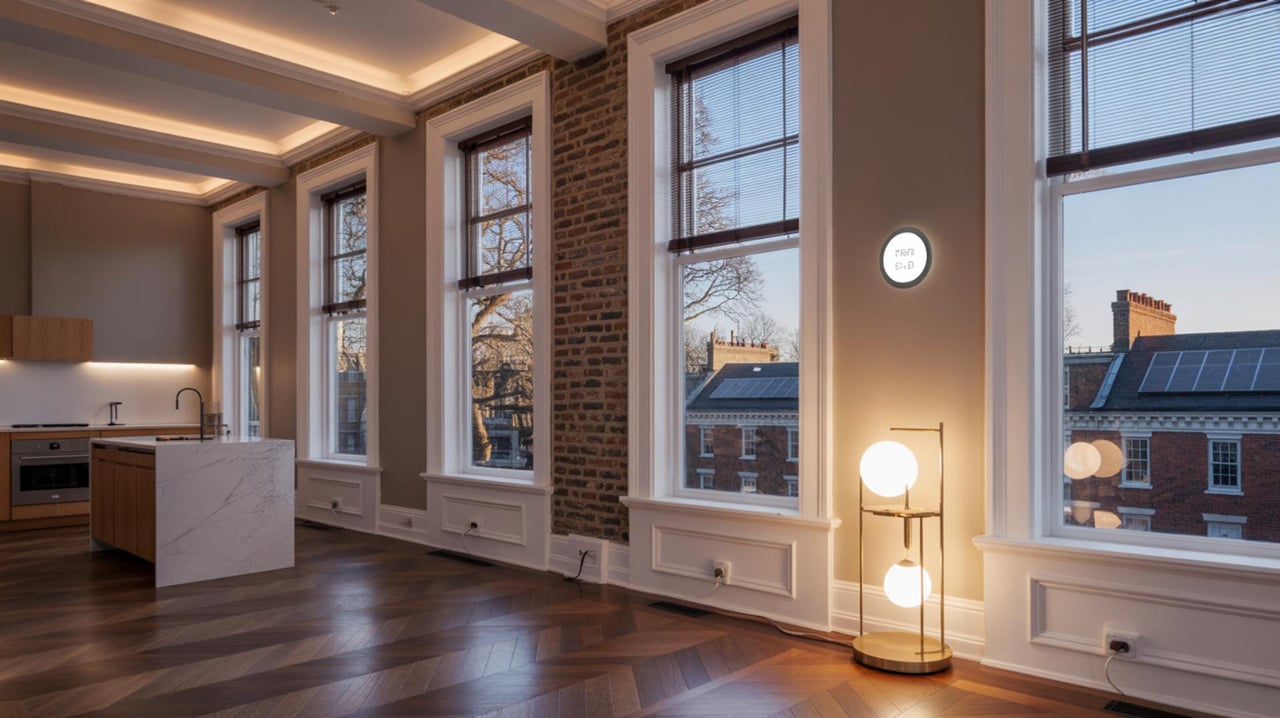
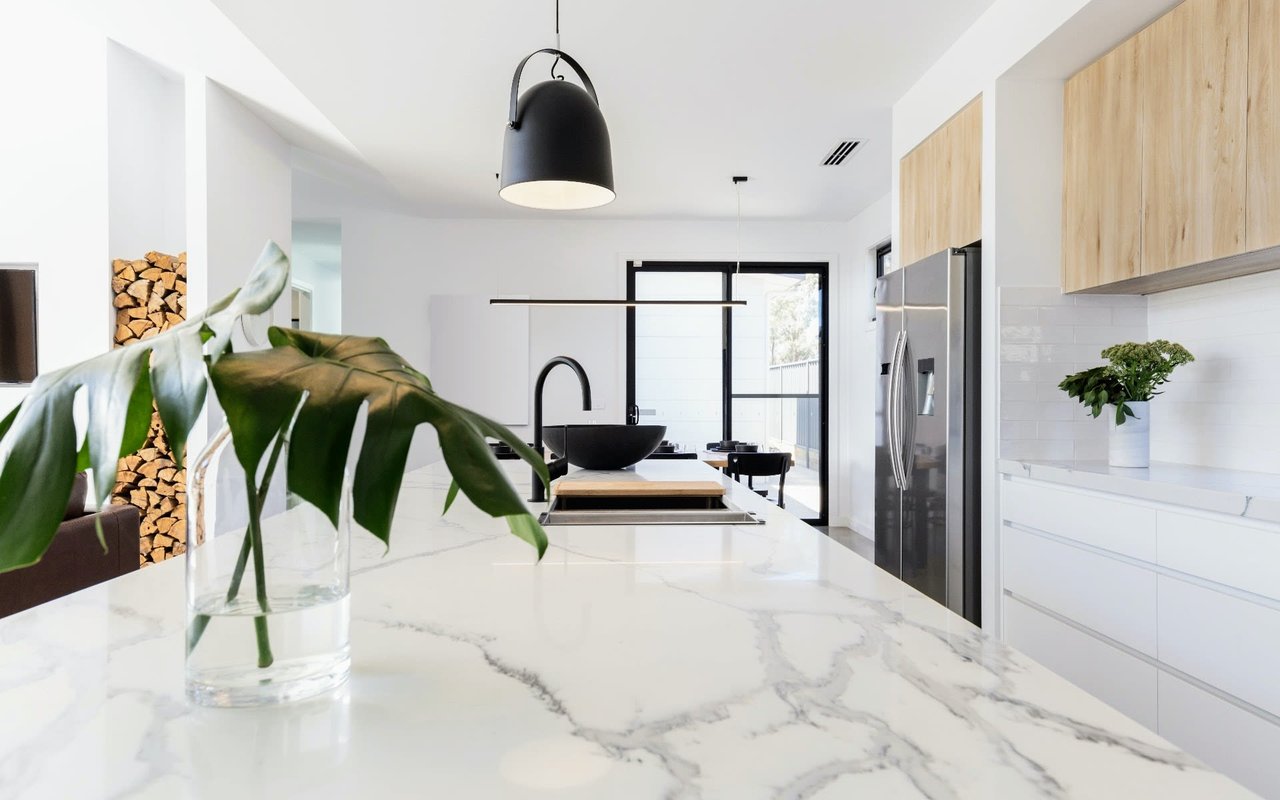
Start with form and function, then layer in style that respects the architecture. Consider cabinet painting or refacing, durable counters like quartz or honed stone, a simple backsplash, and under-cabinet lighting. Replace only what hurts the experience: old faucets, failing appliances, and poor task lighting. Keep trims and door styles consistent with the home’s period for a cohesive feel.
Bathrooms that feel fresh
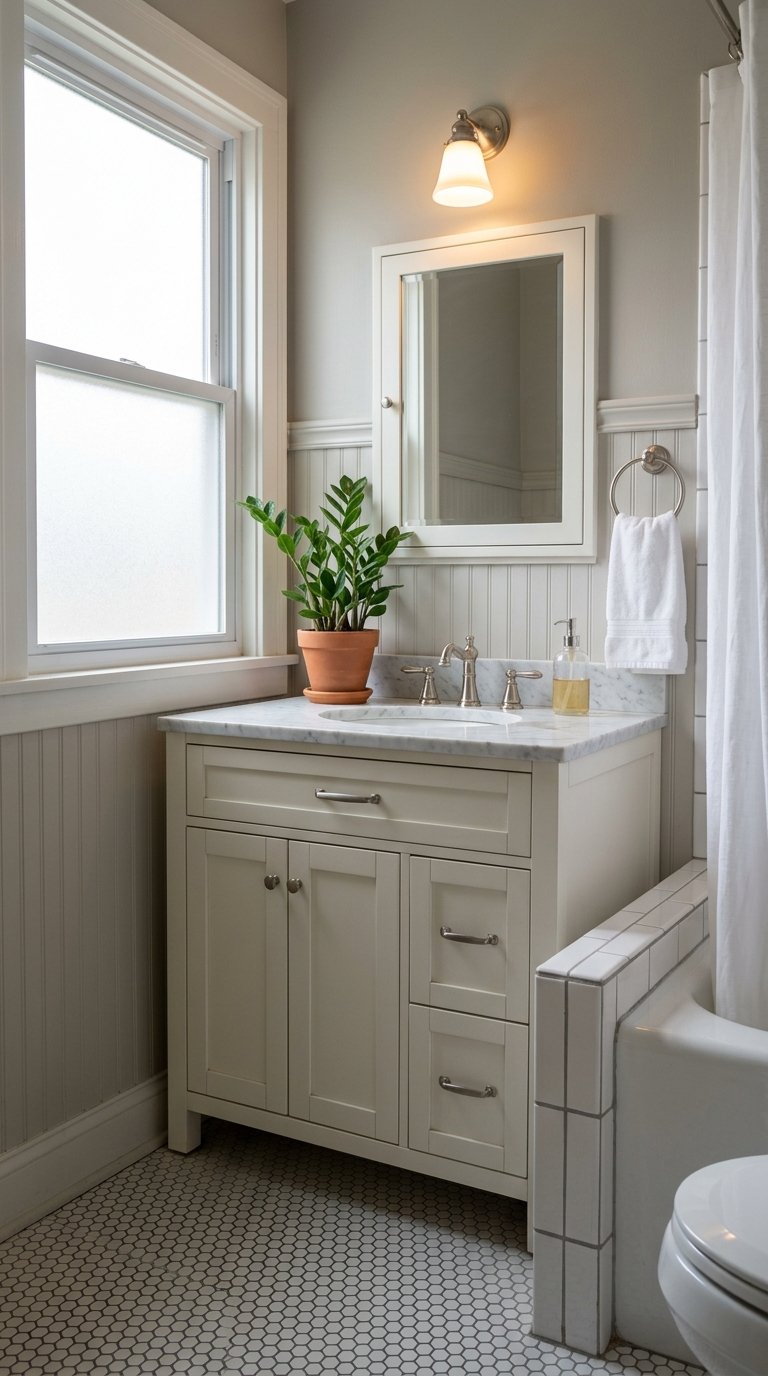
Aim for a bright, clean aesthetic: porcelain tile, a well-proportioned vanity, efficient fixtures, and layered lighting. A midrange remodel can dramatically improve desirability without the cost of custom stone or complex plumbing moves. If you have only one full bath, prioritize getting that space dialed in.
Curb appeal that passes preservation
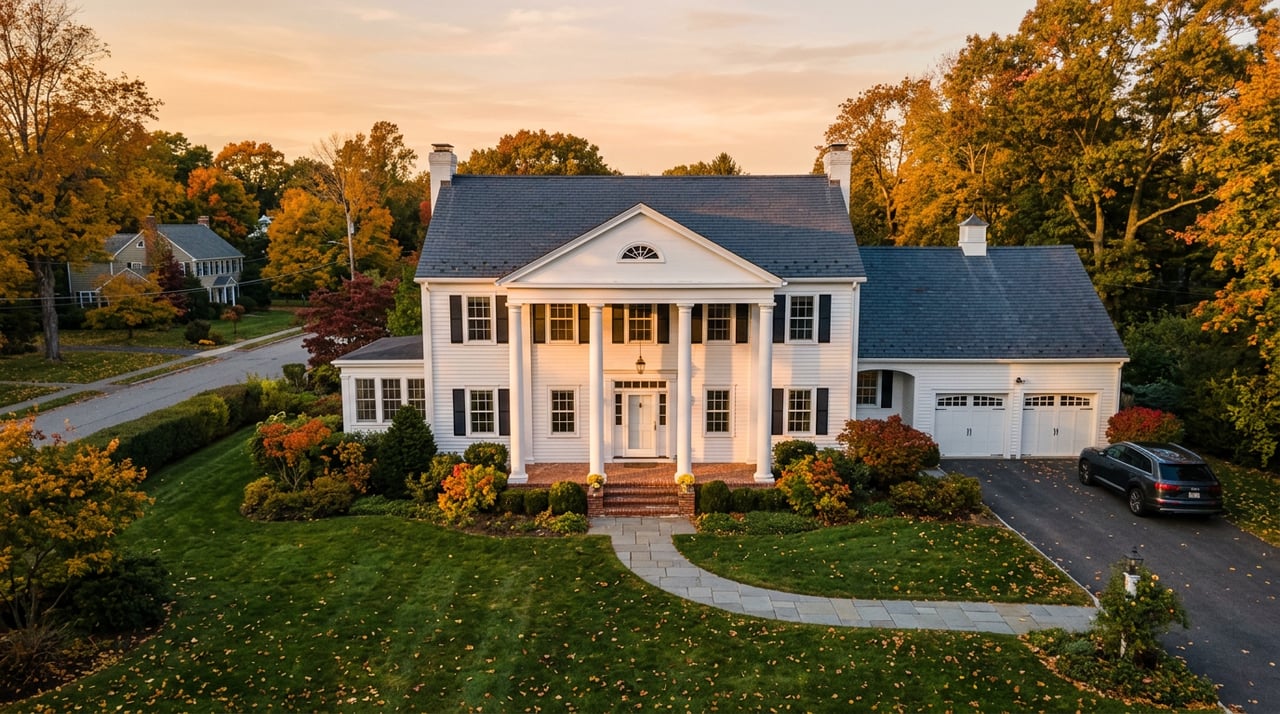
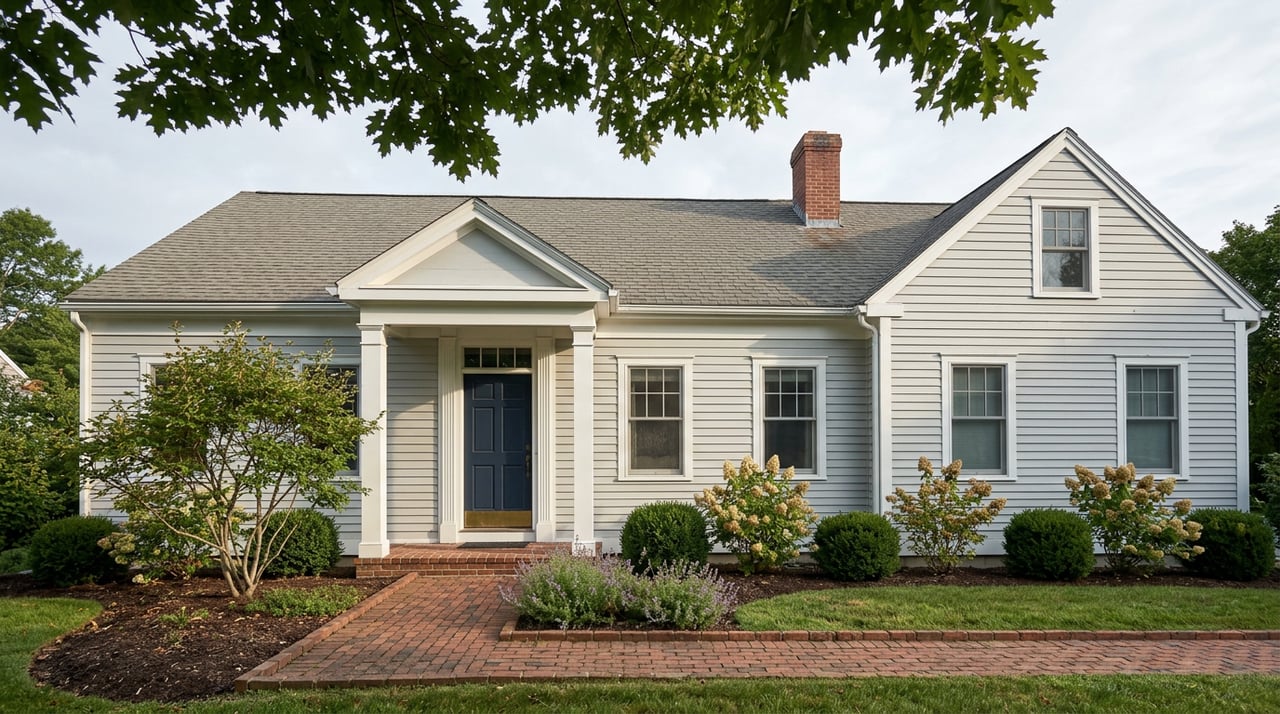
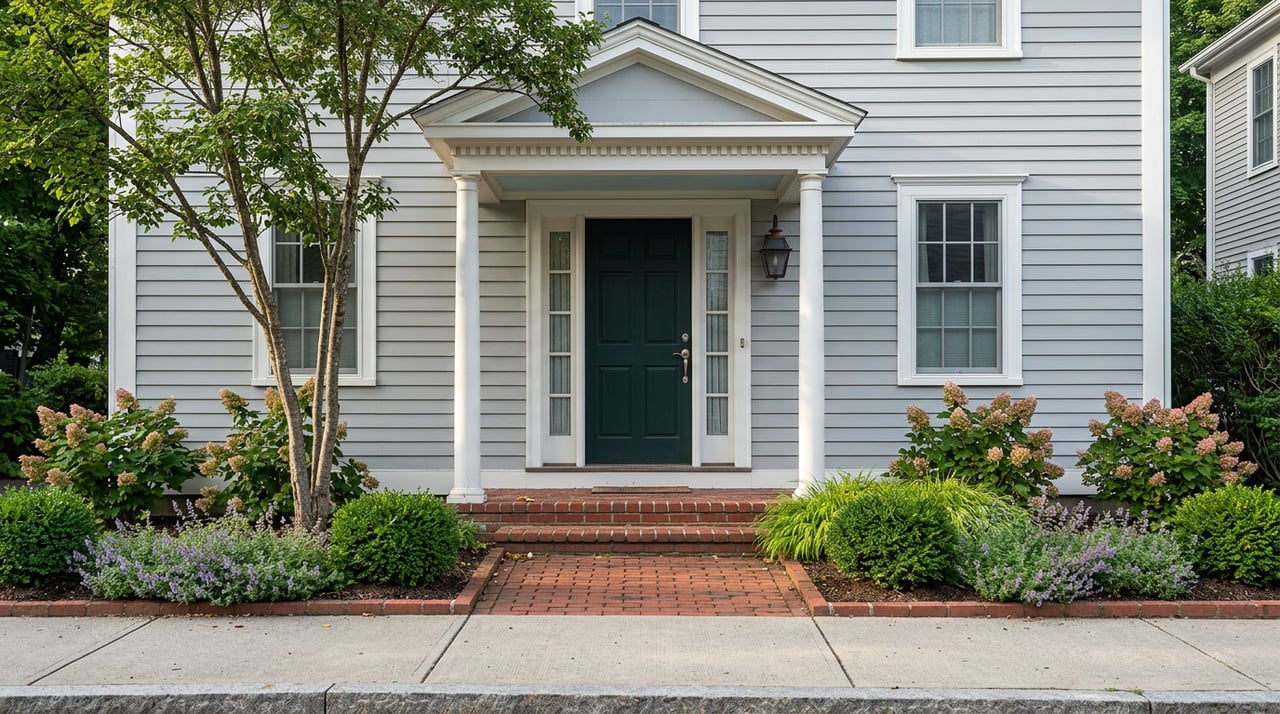
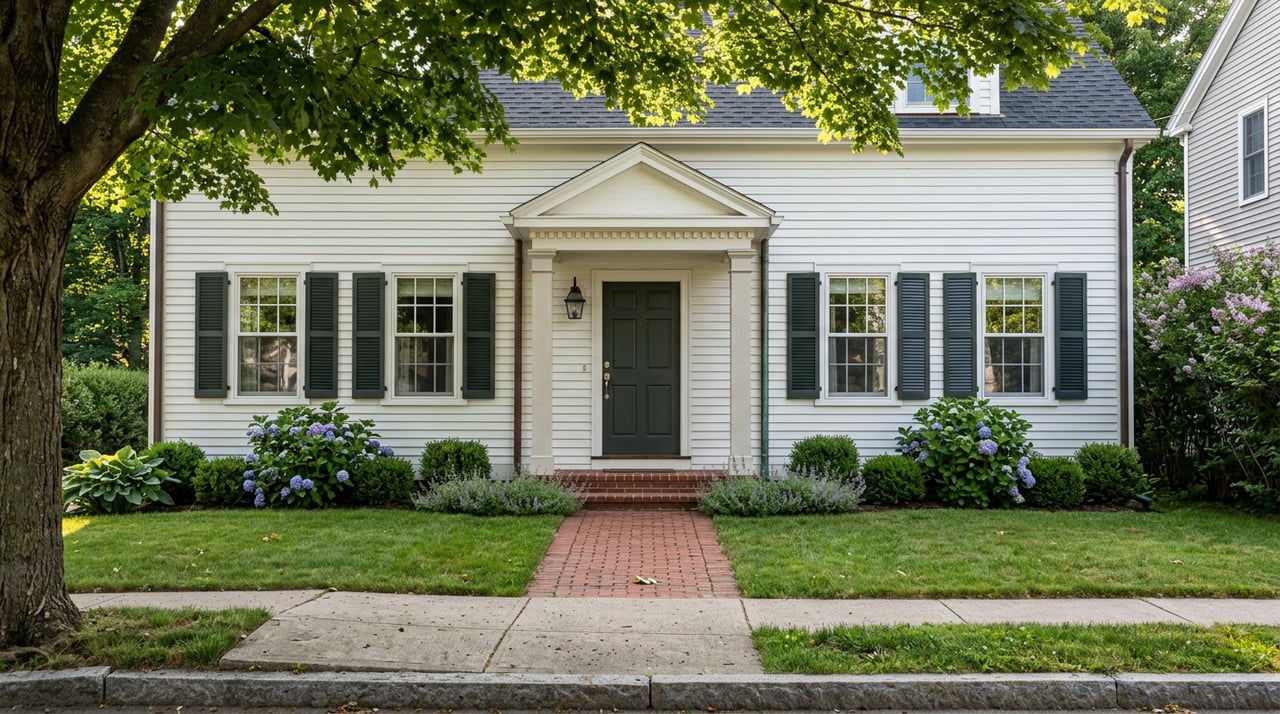
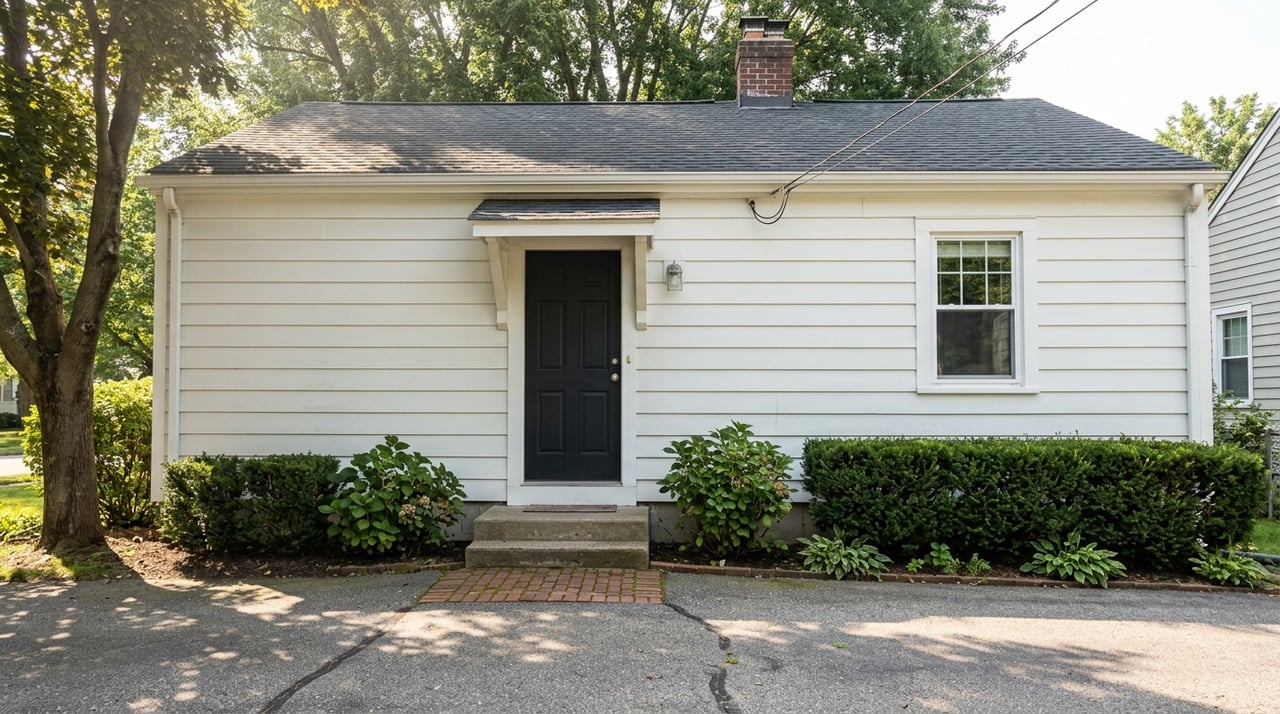
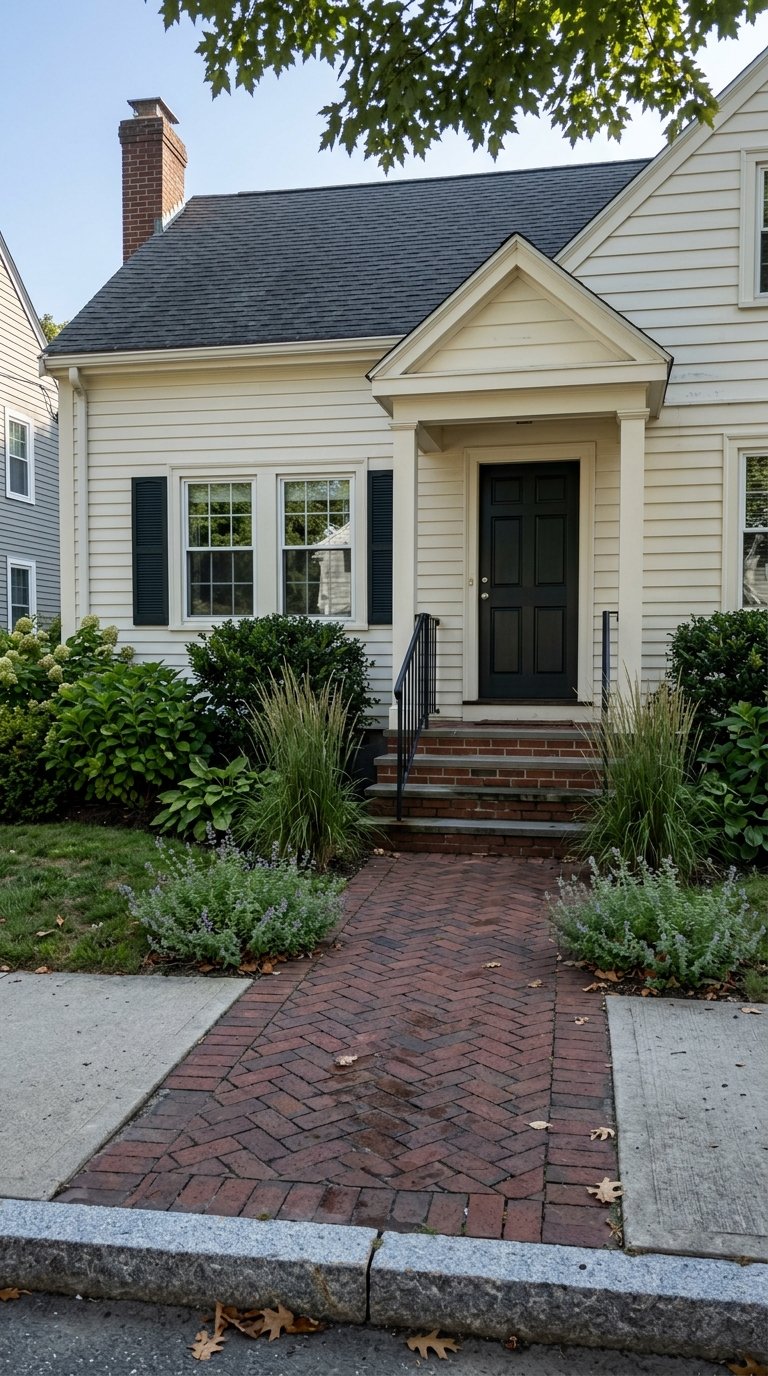
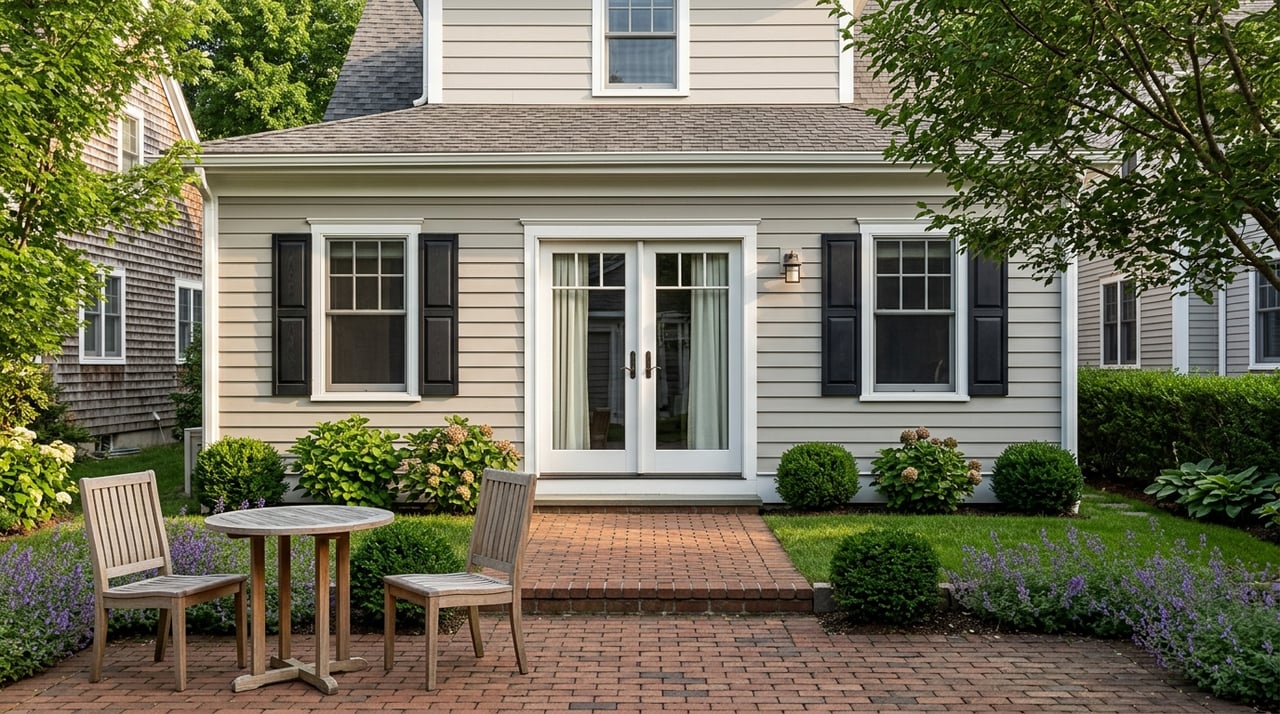
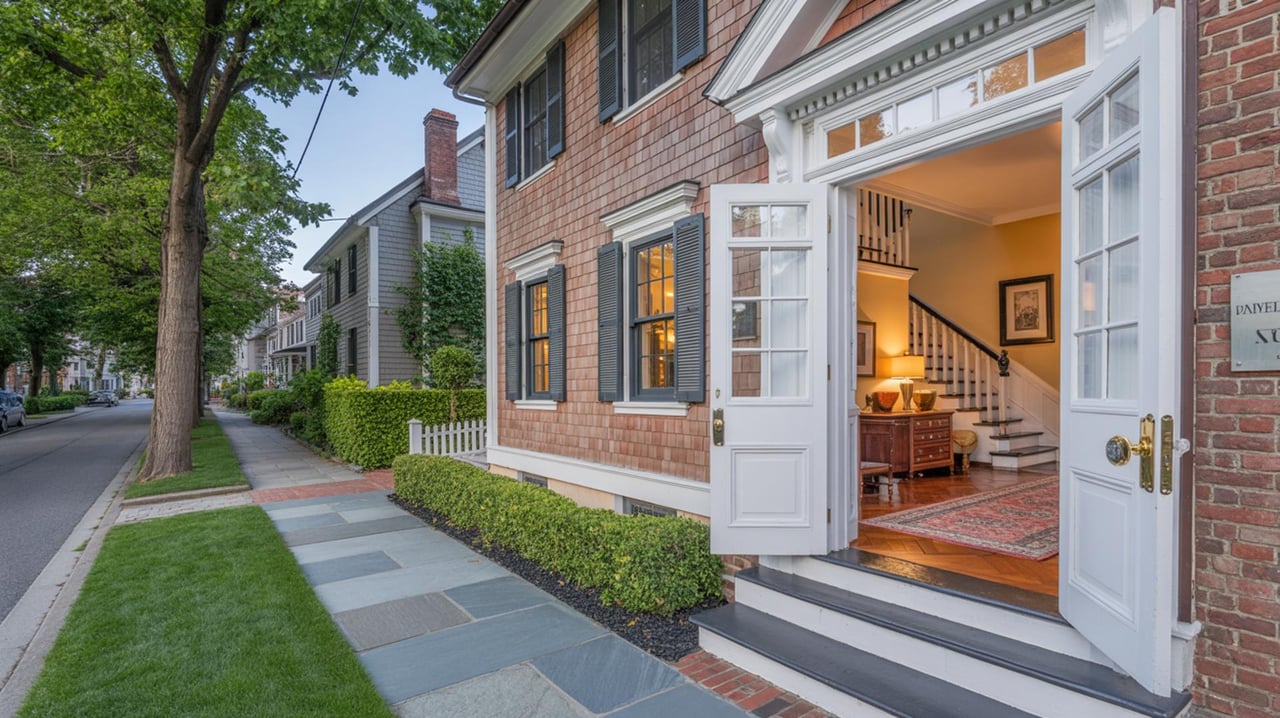
Focus on the entry sequence and envelope health. A period-appropriate door, crisp paint, repaired trim, and a safe, handsome porch rail go a long way. Coordinate any exterior tweaks with the Preservation Commission and use the town’s design guidelines as your playbook.
Energy and systems upgrades that sell
Heating and cooling are top-of-mind for Greater Boston buyers who value comfort and cost control. Replacing an aging boiler or oil system with efficient electric heat pumps can improve year-round comfort and reduce operating costs. Massachusetts homeowners can explore rebates and financing through Mass Save’s heat pump programs. Get a Home Energy Assessment early, line up approved installers, and document pre-approvals and final inspections for buyers and appraisers.
If your renovation crosses Specialized energy code thresholds, factor in tighter envelope and ventilation requirements. Confirm scope with the Building Department and your design team, referencing Brookline’s Specialized Code documentation to avoid mid-project surprises.
Safety, permits, and materials to plan for
Most structural, mechanical, electrical, gas, and plumbing work requires permits. In LHDs, preservation approval often comes first for visible exterior changes. Plan for common pre-1978 issues:
- Lead paint. The EPA’s Renovation, Repair and Painting rule requires lead-safe practices and certified firms for paint-disturbing work in pre-1978 homes. Review the EPA RRP guidance for consumers and keep your paperwork for buyers and lenders.
- Asbestos. Massachusetts enforces asbestos survey and notification rules. Many projects require the AQ-06 notification with a 10 working-day lead time. Learn the basics here: MassDEP AQ-06 construction and demolition notification. Hire licensed inspectors and abatement contractors when needed.
Document everything: permits, inspections, invoices, warranties, energy assessments, and rebate letters. Organized records help protect you during sale and support appraised value.
Smart financing and appraisal prep
If you plan to renovate before selling or right after buying, ask your lender about options that bundle improvements into a single mortgage. Fannie Mae’s HomeStyle Renovation program and FHA’s 203(k) can be useful for owner-occupants who need structure around contractor bids and draws. Compare down payment, rates, and timelines with a local lender, then align your scope to the loan’s requirements.
For appraisal, trackable value matters. Keep energy assessment reports, Mass Save pre-approvals, receipts for systems upgrades, and preservation certificates with final inspections. These documents help appraisers support higher comps and give buyers confidence in long-term ownership costs.
A practical sequencing roadmap
Use this high-level sequence to reduce risk and keep your project moving:
Confirm your status. Determine whether your home is in a Local Historic District and review any past approvals using the town’s district maps and property lists.
Meet preservation staff early. Bring sketches and photos to a preliminary review using the Preservation Commission’s process. Align on what is likely approvable before you order materials.
Investigate hazards. For pre-1978 homes, assume lead-safe practices are required and schedule any needed asbestos surveys. Follow EPA RRP rules and MassDEP notification where applicable.
Get an energy assessment. If you are pursuing rebates or electrification, start with a Mass Save assessment so you can design around incentives and installer requirements.
Pull approvals and permits. Submit preservation applications for any visible exterior changes and file your building permits per Brookline’s process. Plan schedules around meeting dates and inspections.
Build, inspect, document. Ensure lead-safe and asbestos-safe practices, complete inspections, and collect all paperwork for your sale packet.
Prioritize before you list
Focus first on health, safety, and reliability. Fix roof leaks, address drainage, remediate mold or moisture issues, correct known electrical hazards, and ensure your heating equipment is dependable. Clean up visible deferred maintenance so buyers see care, not projects.
Next, choose high-ROI, preservation-friendly updates sized to your likely sale price. A minor kitchen refresh, a midrange bath update, a smart entry door, porch repairs, and strategic energy improvements are proven winners in New England. Keep your records tidy so buyers and appraisers can see the full picture.
When to go bigger vs lighter touch
Go bigger when systems are at end of life or your layout blocks functionality. For example, converting to heat pumps during a broader electrical upgrade can make sense if your boiler is failing. Consider a fuller kitchen remodel when cabinetry is beyond repair or the space cannot function without reconfiguration.
Choose a lighter touch when the bones are good. Refacing solid cabinets, reglazing a vintage tub, and restoring original windows with storms may give you the look, comfort, and buyer appeal you want without triggering long reviews or major costs.
Ready to plan your update?
With careful planning, you can preserve the soul of your Brookline home and deliver the comfort and efficiency today’s buyers expect. If you want a cost-smart scope, reliable budgeting, and premium marketing when you are ready to sell, let’s talk. Connect with Anne Kennedy Homes for tailored renovation guidance and listing strategy. Get Your Free Home Valuation.
FAQs
Do I need permission to replace windows on a Brookline historic home?
- If your home is in a Local Historic District and the windows are visible from a public way, the town’s guidelines favor repair over replacement and require a Certificate through the Preservation Commission. Review the design guidelines before you plan or order.
What projects usually deliver the best resale ROI in New England?
- Regional data shows strong recoup for entry door replacements, minor kitchen remodels, certain siding projects, and midrange baths, with window replacements recouping less on average. See the New England Cost vs. Value 2025 benchmarks to prioritize.
Will switching from a boiler to heat pumps help my sale in Brookline?
- Many buyers value efficient heating and cooling, and documented operating-cost benefits can improve appeal. Explore rebates, assessment steps, and approved installers through Mass Save’s heat pump programs and keep your paperwork for buyers and appraisers.
What permits and safety rules apply to renovating a pre-1978 home in Brookline?
- Most trade work requires permits, and pre-1978 homes must follow lead-safe practices under the EPA’s RRP rule. Many renovations also require asbestos surveys and, when applicable, MassDEP AQ-06 notification with licensed abatement.
What financing lets me roll renovations into my mortgage?
- Ask your lender about Fannie Mae’s HomeStyle Renovation and FHA 203(k). These programs can combine purchase or refinance with improvements, subject to documentation and contractor requirements.