Buying your first home in Belmont can feel like jumping onto a moving train. Homes here sell quickly, inventory is limited, and competition is common. The good news is that with the right plan, you can move from overwhelmed to prepared. This step-by-step roadmap will show you how to budget, search smart, evaluate homes carefully, and make confident decisions in Belmont’s fast market. Let’s dive in.
Why Belmont feels competitive
Belmont is a seller-leaning market, which matters a lot if you are buying your first home. Recent market snapshots showed about 42 homes for sale, a median listing price of $1,572,450, and homes moving in roughly 12 to 16 days on market. Another key signal is that homes often receive multiple offers, with one report noting an average of 8 offers.
For you, that means preparation matters just as much as budget. In Belmont, waiting until you find the perfect home to get organized can put you behind. The buyers who tend to compete best are the ones who already know their numbers, financing range, and must-haves.
Step 1: Set a realistic budget
Before you tour homes, get clear on what you can comfortably afford each month. Your home budget depends on income, credit, monthly debt, your down payment, and your interest rate. It also needs to include costs beyond the mortgage itself.
First-time buyers often focus only on the down payment, but that is only part of the picture. Closing costs typically run about 2% to 5% of the purchase price, and you should also budget for moving expenses, repairs, furniture, and home improvements. In Belmont, local property taxes should be part of your monthly estimate too, with the FY2026 tax rate listed at $11.51 per $1,000 of assessed value.
Budget items to plan for
- Down payment
- Closing costs
- Monthly mortgage payment
- Property taxes
- Homeowners insurance
- Moving costs
- Immediate repairs or updates
- Basic furnishings and maintenance reserves
This is where a careful, numbers-based approach can really help. In a market with older housing stock and strong competition, you want to know not just what you can afford to buy, but what you can afford to own.
Step 2: Get preapproved early
A preapproval letter shows sellers that you are serious, but it is not the same as a guaranteed loan. It also usually expires within 30 to 60 days. In a market like Belmont, that timing matters.
If homes are moving in less than three weeks, you do not want to start your loan prep after you find one you love. Getting preapproved before you begin touring seriously gives you a stronger starting point and helps you act faster when the right home hits the market.
What preapproval helps you do
- Understand your price range
- Narrow your search efficiently
- Show sellers you are prepared
- Move faster when a home comes up
If you are exploring first-time buyer financing options in Massachusetts, MassHousing offers a path that includes a homebuyer education class and working with a MassHousing-approved lender. According to MassHousing, eligible loans may be used for single-family homes, condos, or owner-occupied 2-4 family properties.
Step 3: Explore help with upfront costs
Upfront cash is one of the biggest hurdles for first-time buyers. If that is true for you, it is worth looking into available programs early in the process rather than later.
MassHousing currently advertises down payment assistance of up to $30,000 statewide when paired with a MassHousing mortgage. Program rules and availability can change, so the best time to ask about eligibility is before you start making offers. That way, you can understand what support may fit your budget and timeline.
Step 4: Know what homes are most common in Belmont
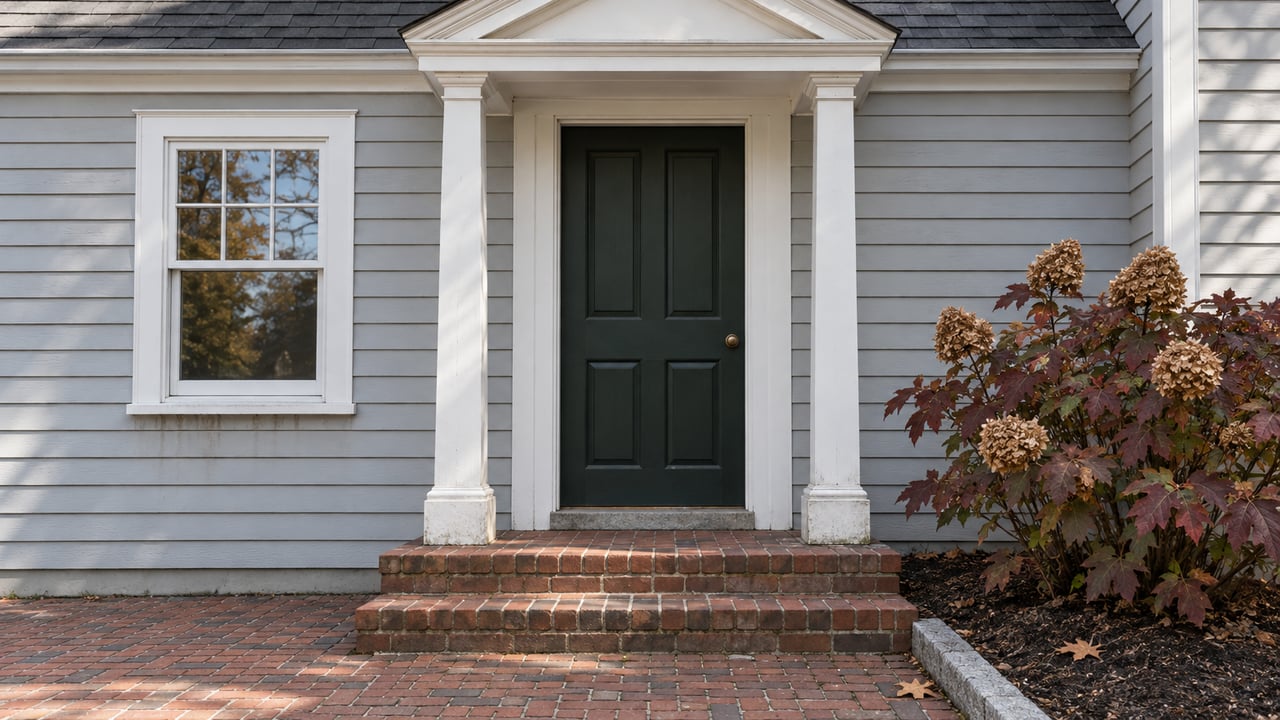
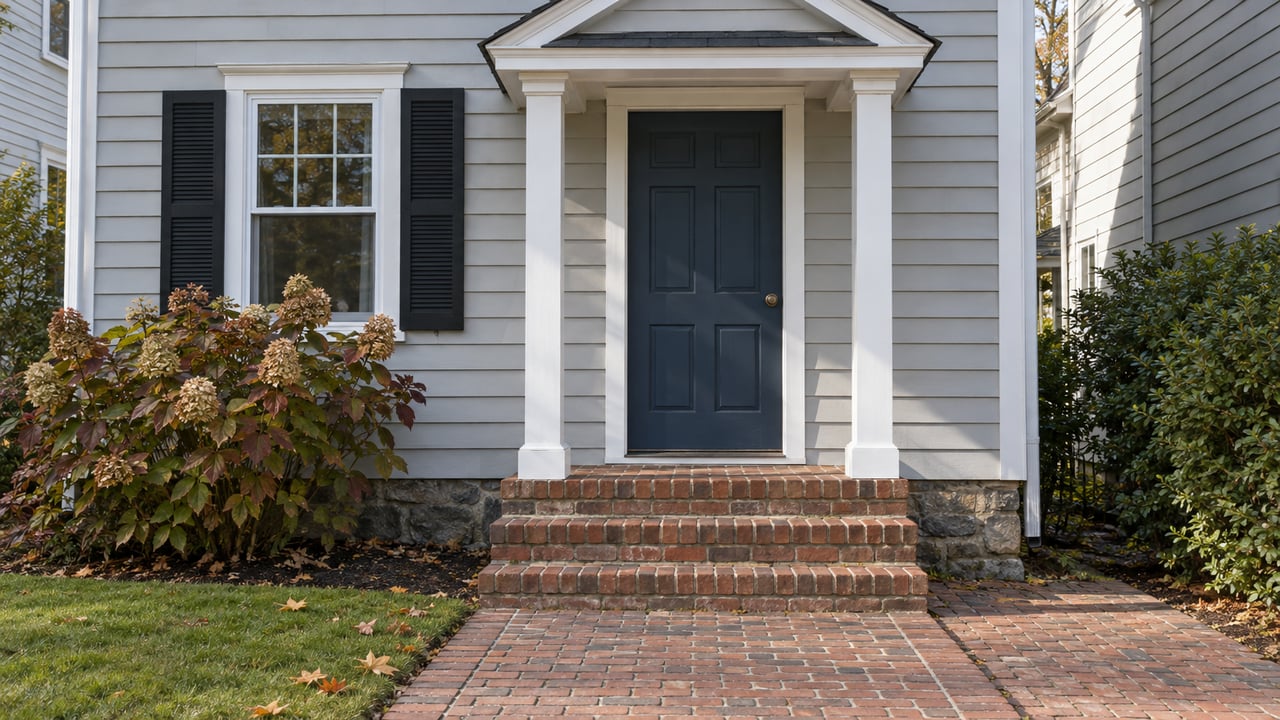
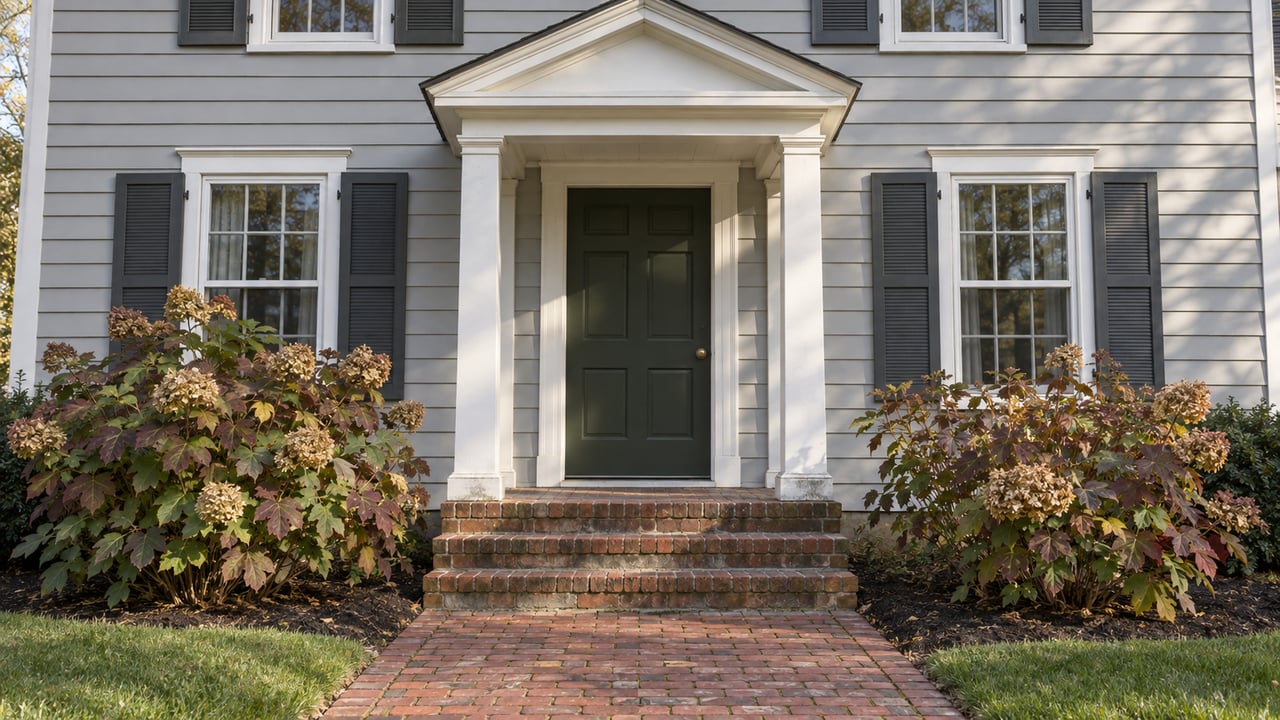
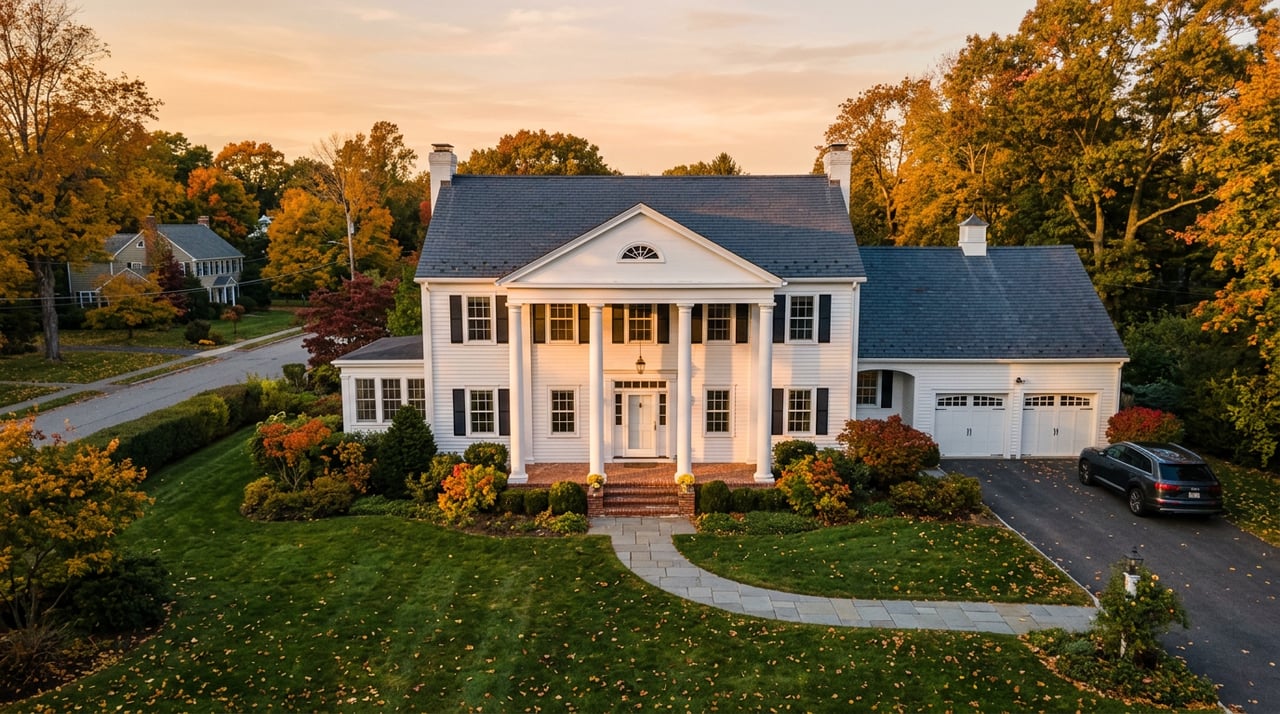
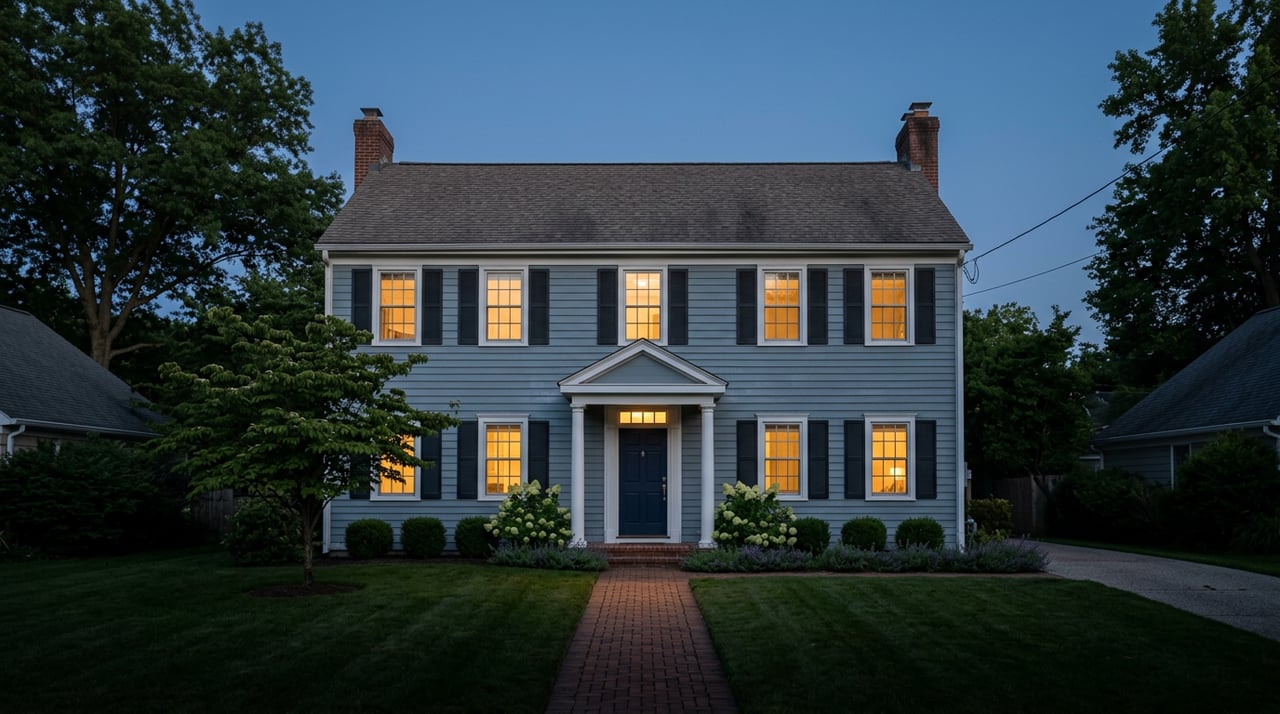
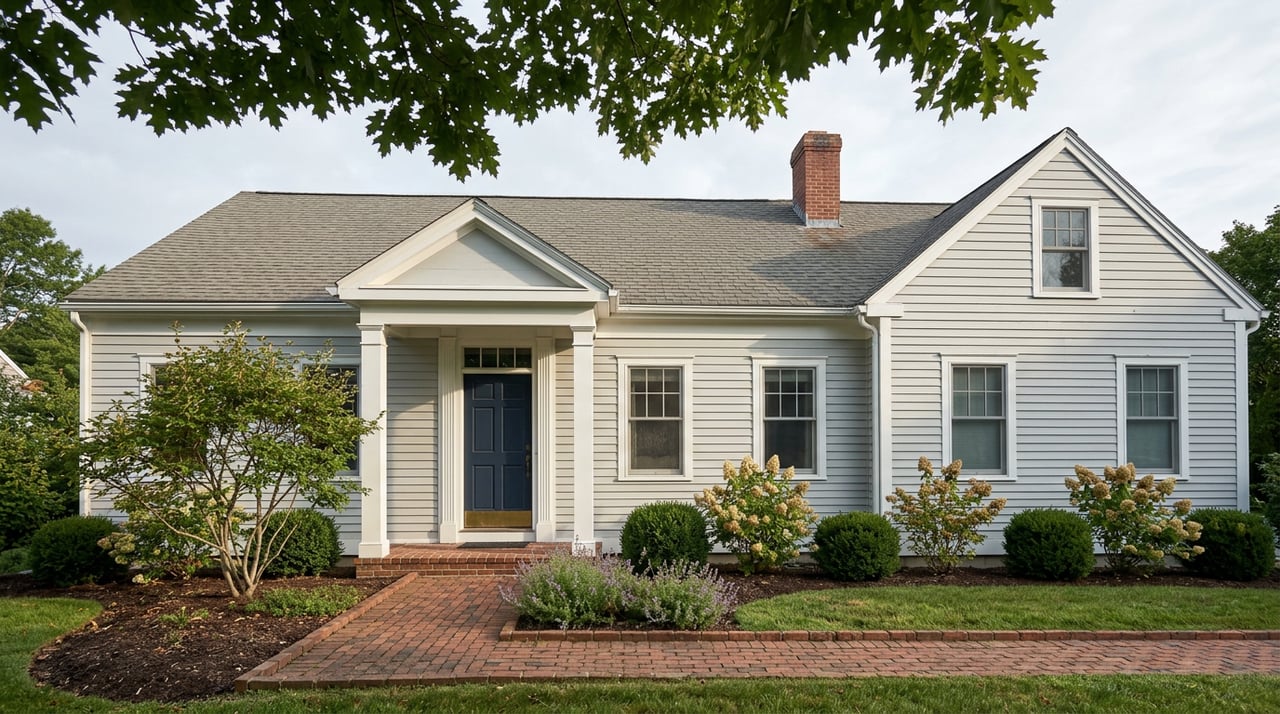
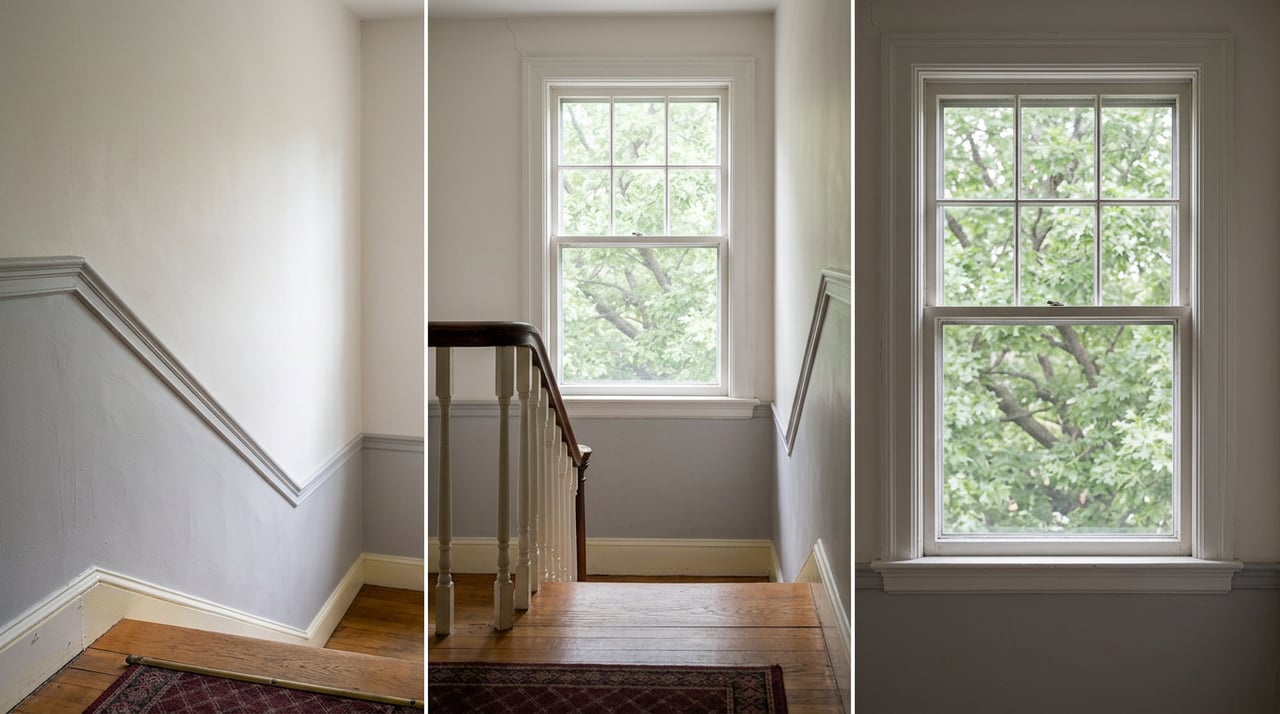
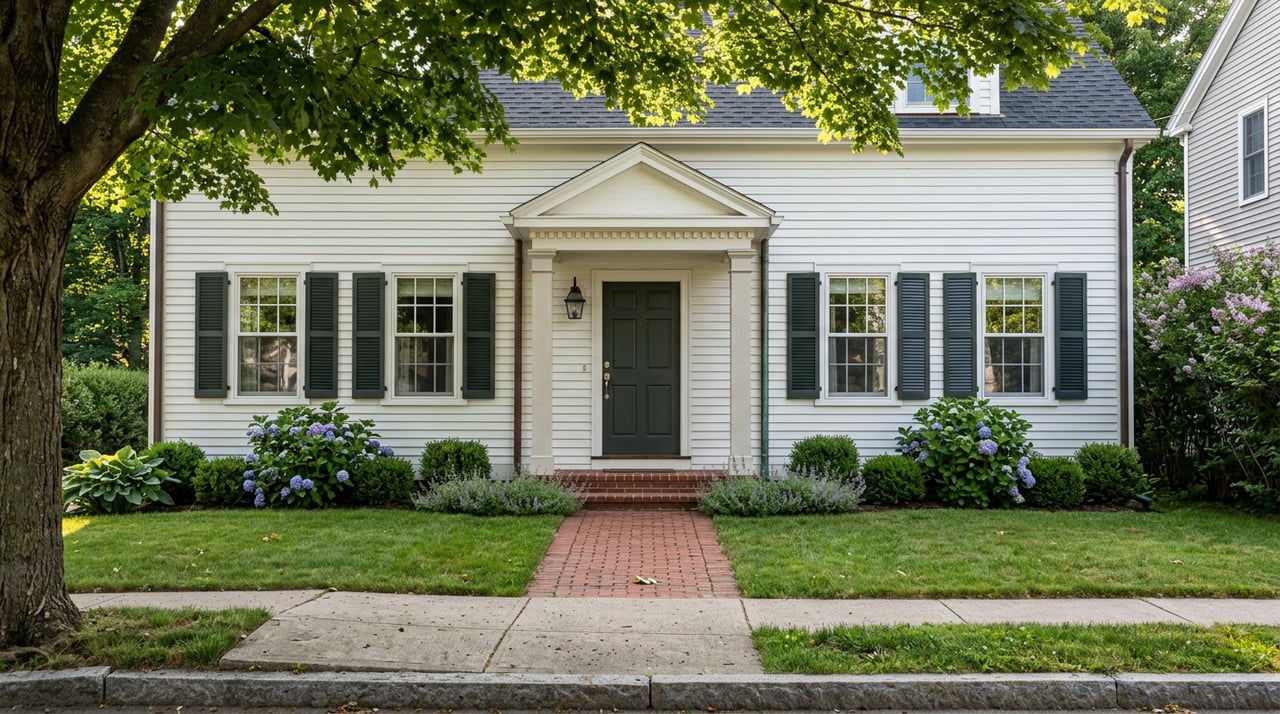
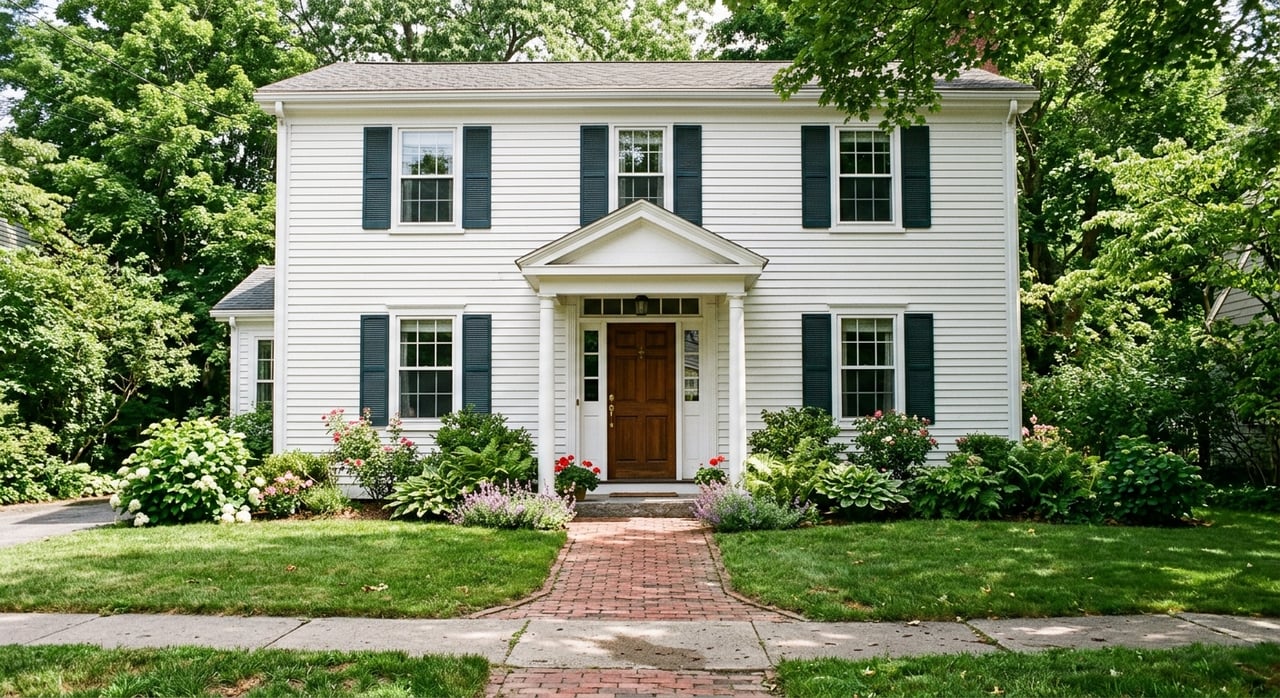
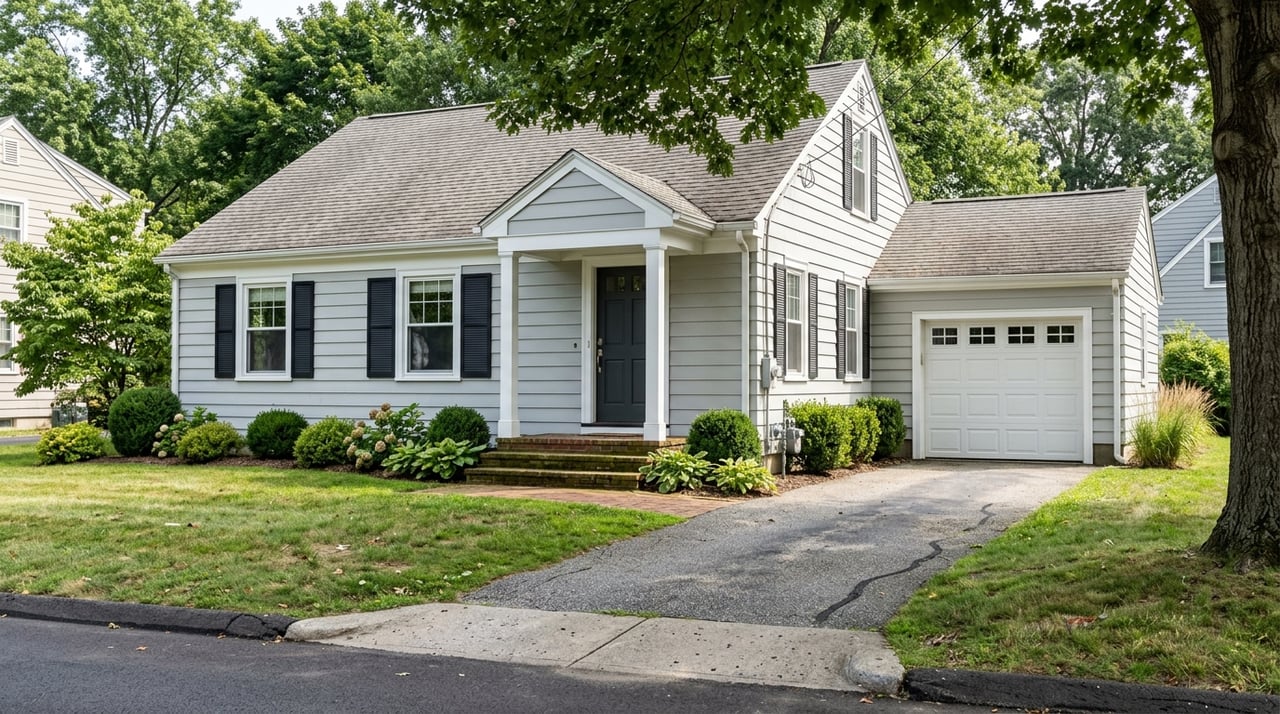
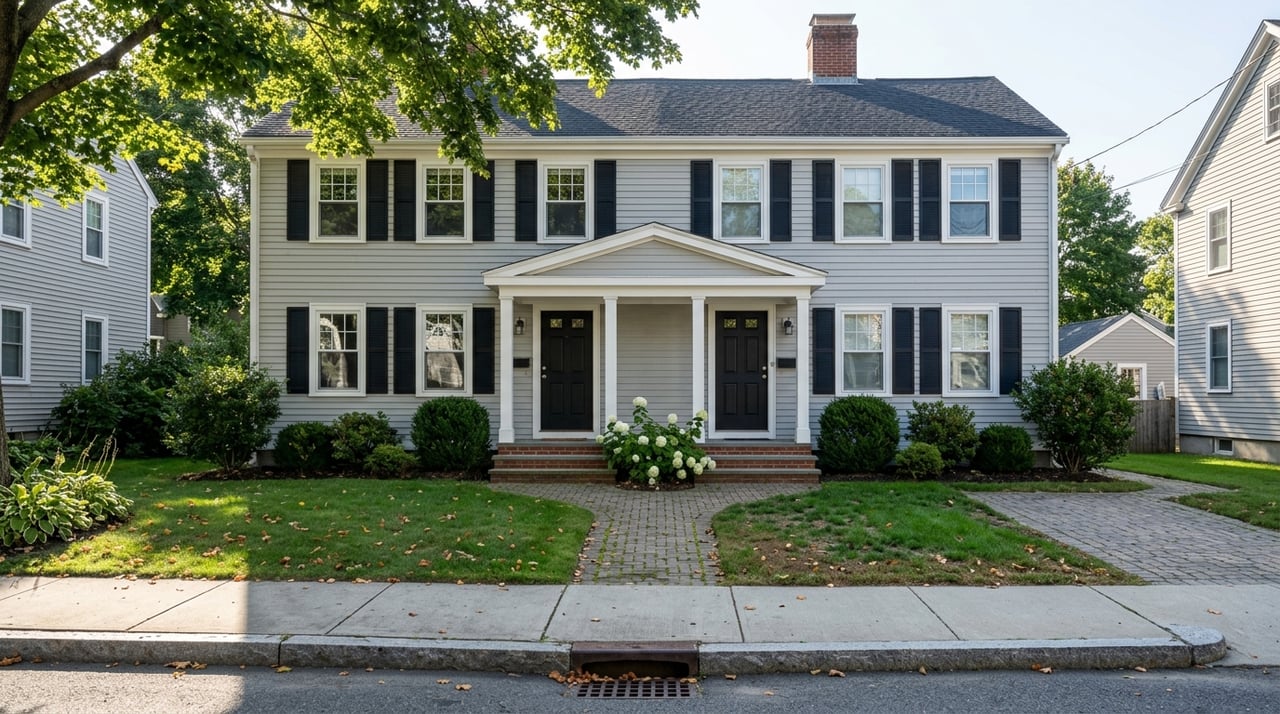
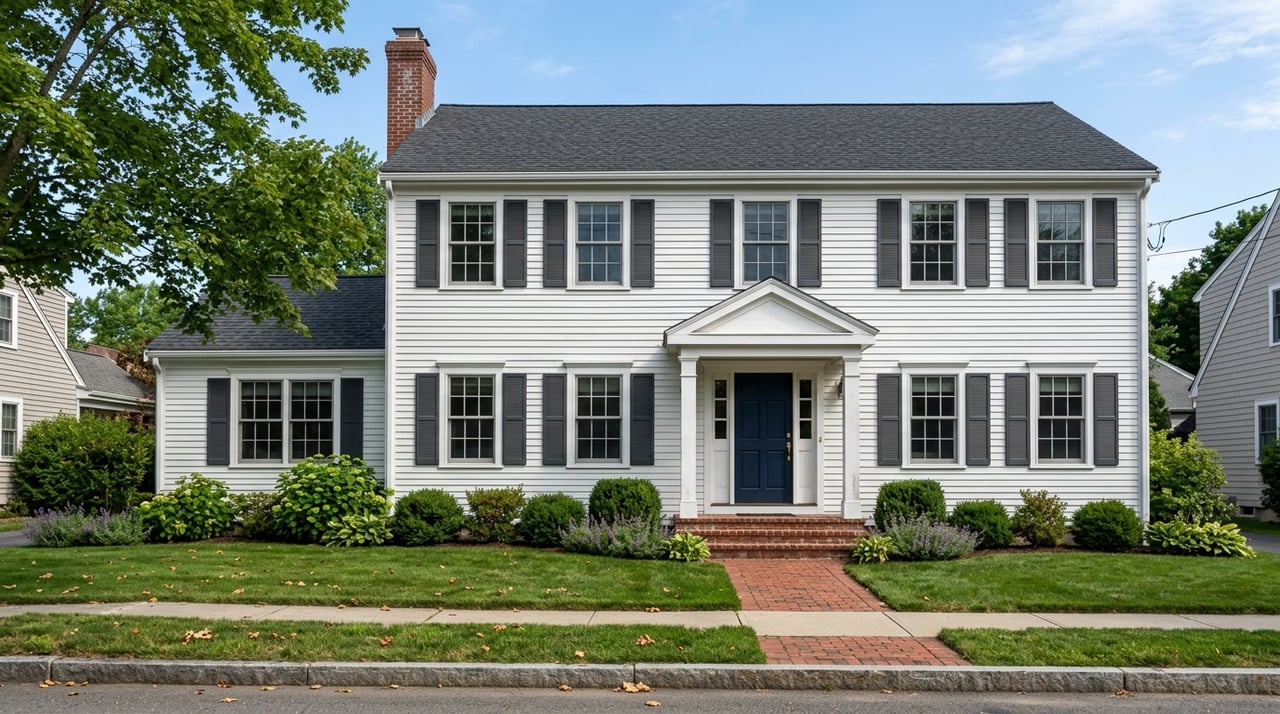
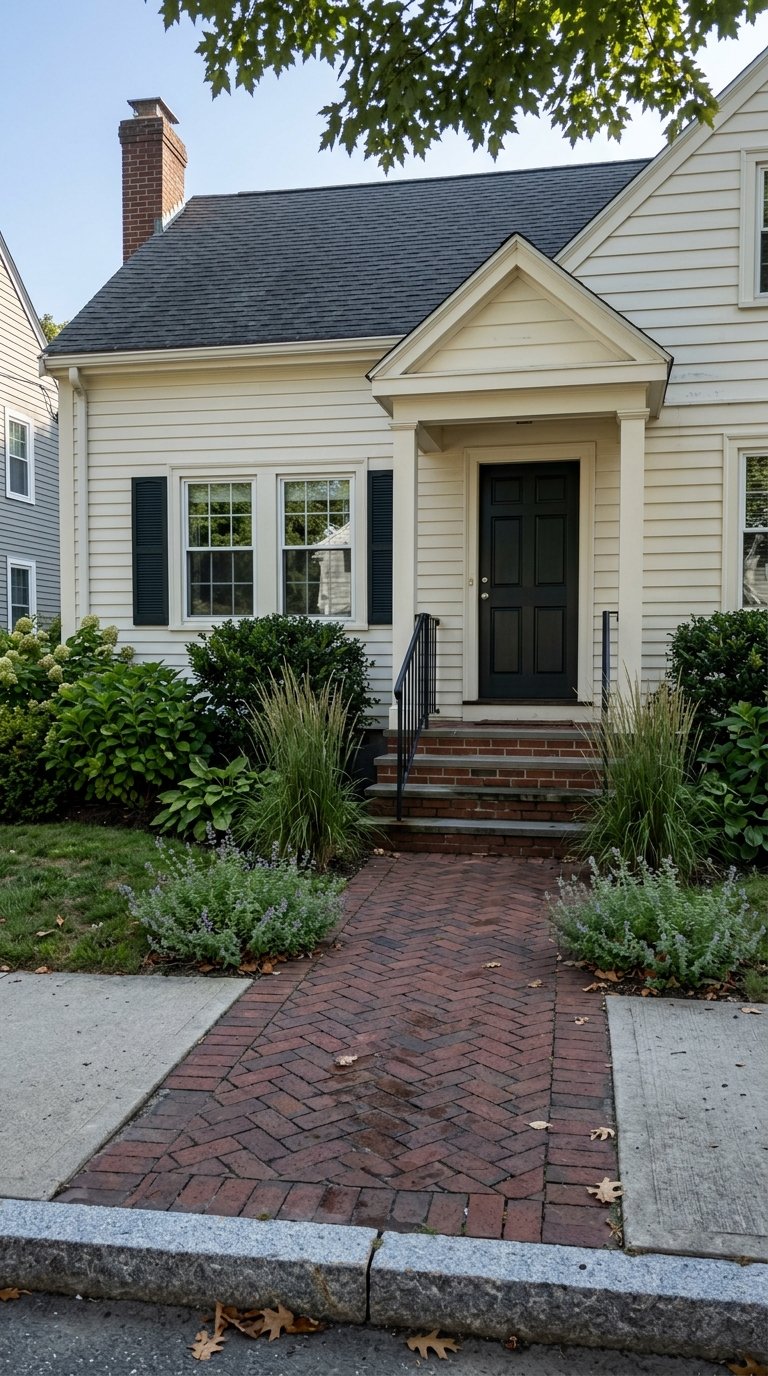
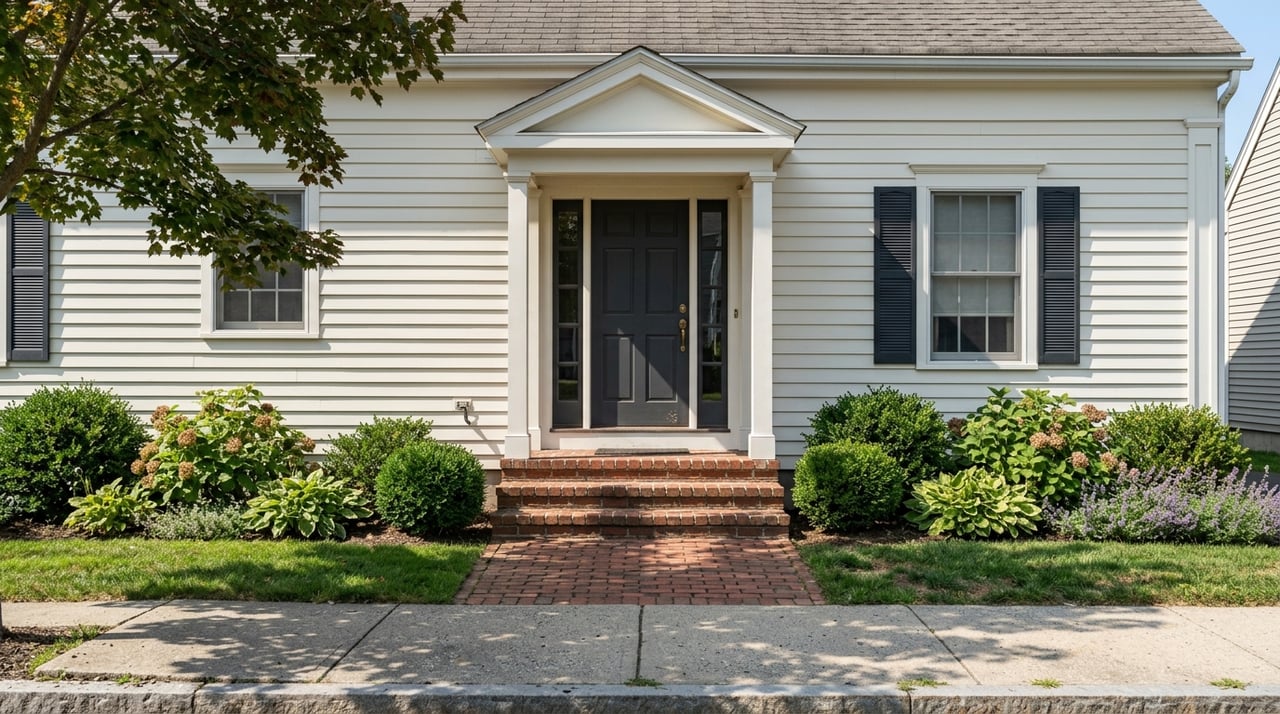
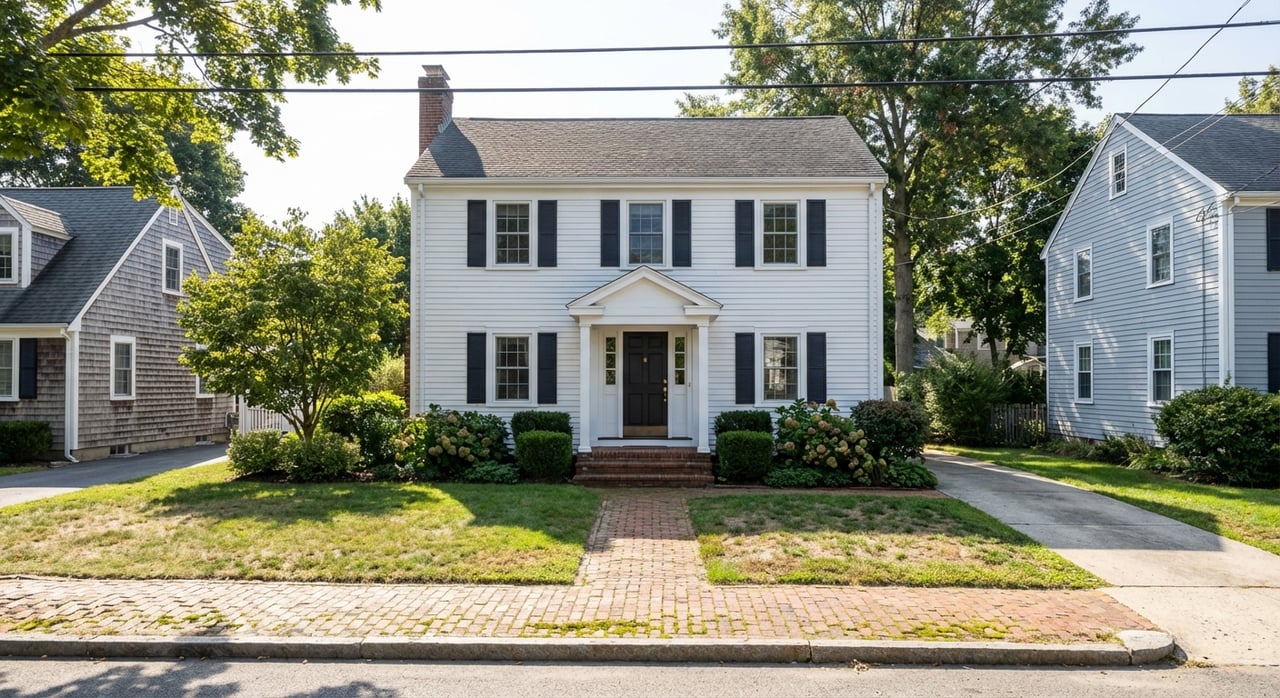
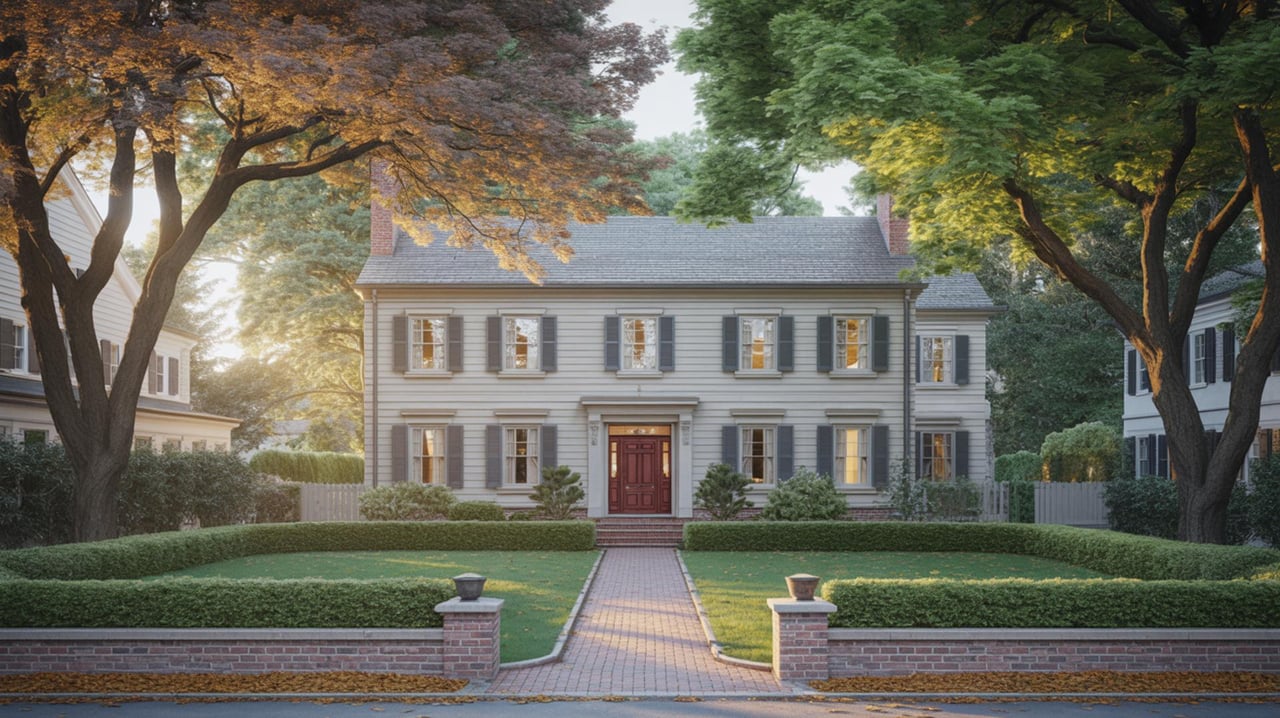
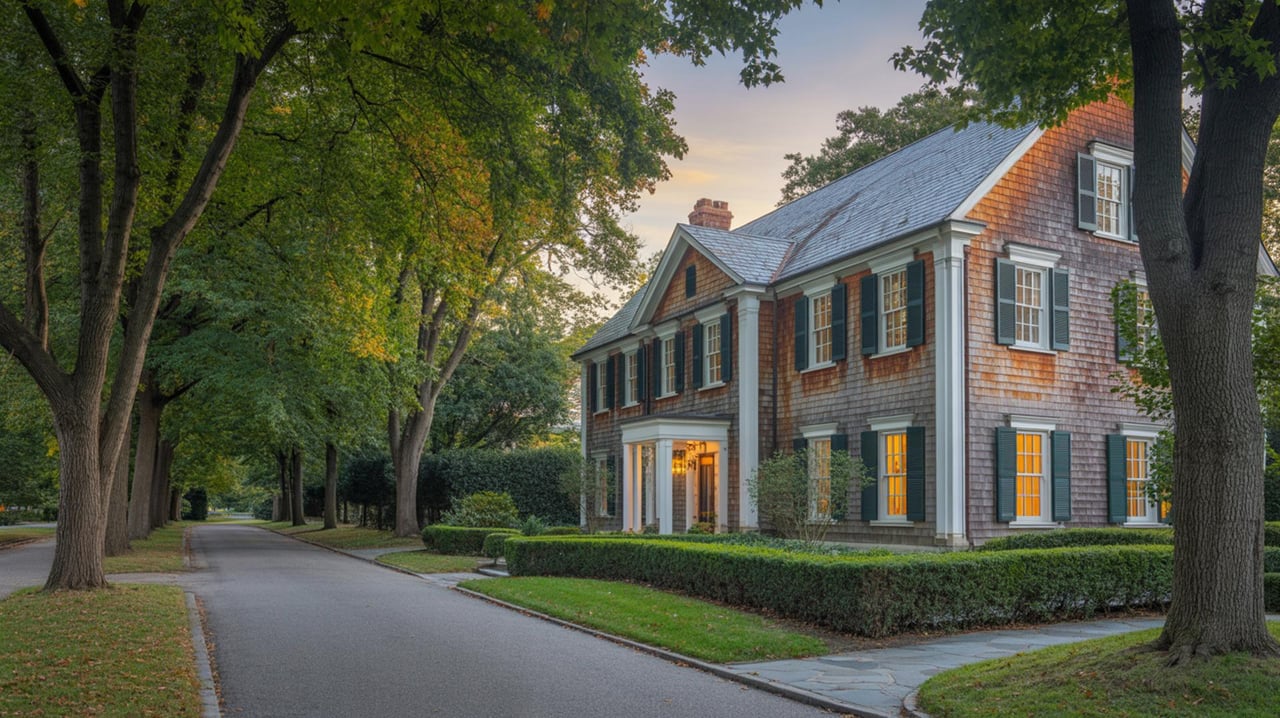
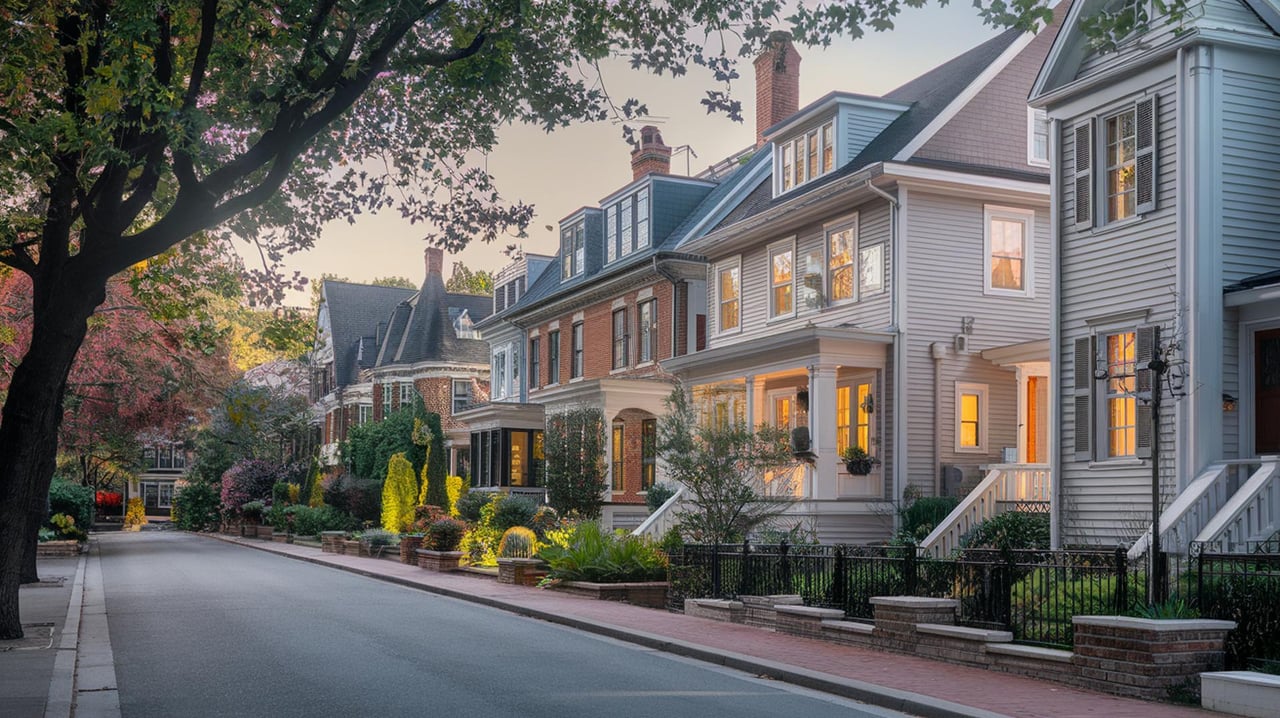
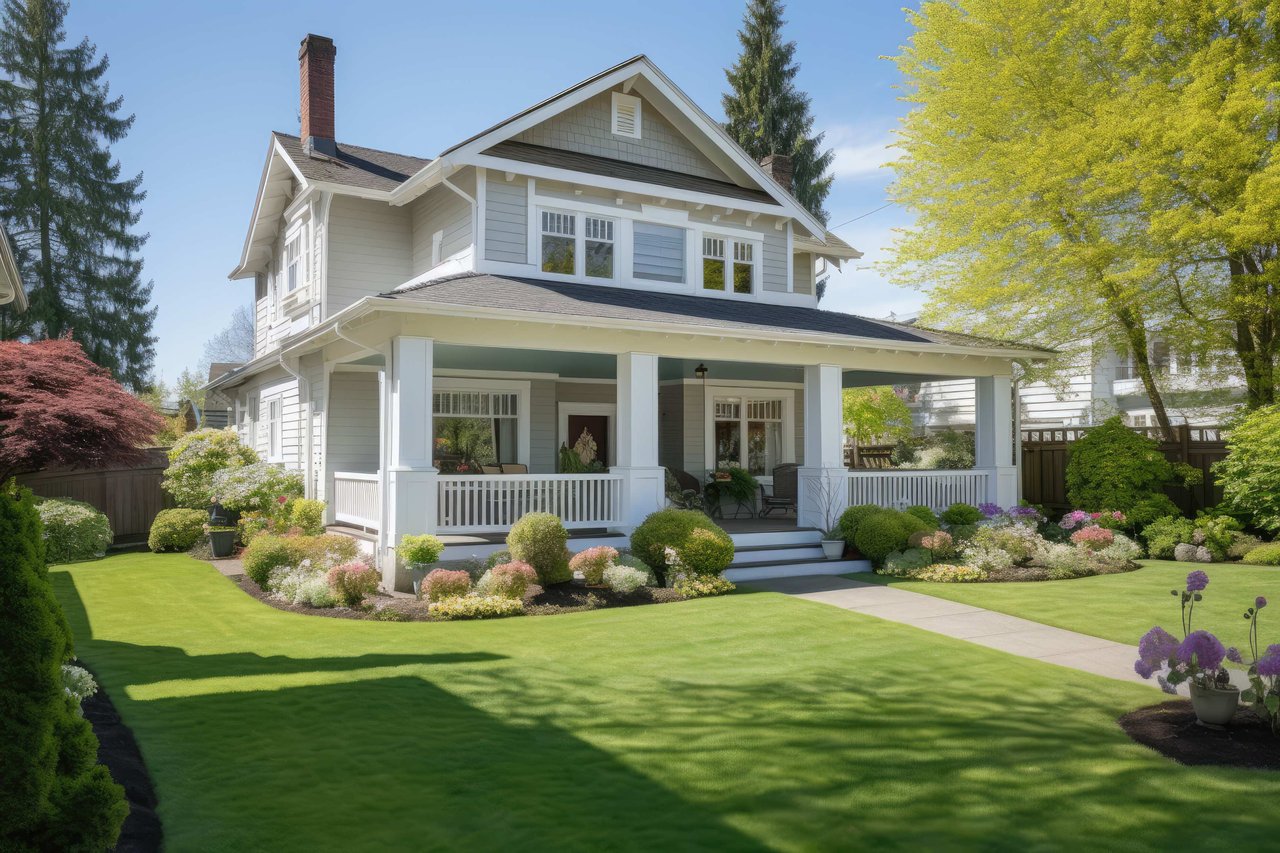
Belmont’s housing stock has a distinct profile. The town’s Housing Production Plan says detached single-family homes and duplexes make up more than 80% of the housing stock, and much of the housing was built before 1940. For first-time buyers, that means your search may include many older homes rather than a large supply of newer construction.
That does not mean older homes are a problem. It simply means you should be ready to evaluate condition, maintenance history, and future update needs more closely. It can also help you set expectations about layout, storage, systems, and renovation potential.
Property types you may see
- Detached single-family homes
- Duplexes
- Condos, depending on current inventory
- Owner-occupied 2-4 family options, depending on financing and availability
Belmont is also working on longer-term housing changes through efforts like MBTA Communities zoning updates, inclusionary zoning, and accessory dwelling units. That is useful context for the future, but today’s market is still defined by limited inventory and strong competition.
Step 5: Tour homes with a due-diligence mindset
In Belmont, touring a home is not just about whether you like the kitchen or the yard. It is also your chance to start assessing condition and future costs. In an older housing market, small details can affect your short-term budget and long-term plans.
As you walk through homes, pay attention to signs of maintenance, updates, and overall care. If you are considering a property because you think you can improve it over time, start asking practical questions early about what has already been done and what may still need attention.
Smart questions to raise while touring
- How old are major systems and components?
- What updates have been completed?
- Is there a record of past permits for major work?
- Are there visible signs of deferred maintenance?
- Would your planned changes likely require town approval?
Belmont’s Building Division notes that building work beyond ordinary repair requires a permit, and even window replacement requires one. Additions, structural work, and changes that increase habitable space or bedroom count also go through review for building code and zoning compliance. If you are buying with renovation in mind, that should be part of your early planning.
Step 6: Use local records to verify details
First-time buyers often assume the listing tells the whole story. In reality, it is smart to verify key property information using local records before making a major decision.
Belmont provides a real-estate database through the town website that can help you review assessing information and tax details. That can be useful when you want to confirm what is on record and better understand the property before you submit an offer.
This step can be especially valuable if you are comparing homes with different layouts, additions, or update histories. Clear records can help you ask better questions and avoid surprises later.
Step 7: Make an offer with a plan
Once you find a home you want, the pace can speed up quickly. In Belmont, where multiple offers are common, you may not have the luxury of days to think through every option. That is why your offer strategy should be discussed before you fall in love with a specific property.
A strong offer is not only about price. It is also about understanding your financing, timing, and the protections you want to keep in place. In a competitive market, some buyers consider waiving contingencies, but that is a decision you should think through carefully in advance.
Protections to think about ahead of time
- Inspection timing
- Financing contingency terms
- Closing timeline
- Deposit amount
- Final walk-through expectations
The goal is not to rush blindly. The goal is to make a thoughtful decision quickly because you already did the hard thinking earlier.
Step 8: Schedule inspection and review condition
A home inspection and an appraisal are not the same thing. The inspection helps you understand the property’s condition, while the appraisal supports the lender’s value assessment. If you move forward after an offer is accepted, the inspection should be scheduled as soon as possible so there is time to review findings and respond.
In Belmont, this step matters because many homes are older and buyers may be balancing competition with caution. If a home needs repairs, system upgrades, or future renovation work, those findings can affect your comfort level and your budget after closing.
For first-time buyers, this is where calm, practical analysis matters most. You are not looking for a perfect home. You are looking for a home whose condition, cost, and future work make sense for you.
Step 9: Prepare for closing
Closing is the final step in buying and financing your home, but there is still important work to do before signing. You should review your Closing Disclosure within the required timeframe when it applies and compare the final numbers to what you expected.
You should also complete a final walk-through before closing. This is your chance to confirm the property is in the agreed-upon condition and that any negotiated items have been handled.
If you are planning repairs or improvements after closing, remember that Belmont’s local departments handle permits and related approvals. Knowing that process early can help you move from purchase to project planning with fewer surprises.
A simple roadmap for first-time buyers
If you want a practical way to remember the process, keep it simple:
- Set your full budget, not just your down payment.
- Get preapproved before touring seriously.
- Explore first-time buyer assistance options early.
- Focus your search on realistic property types.
- Tour with condition and future costs in mind.
- Verify records and tax details through town resources.
- Build your offer strategy before you need it.
- Move quickly on inspection and review findings carefully.
- Confirm final numbers and complete your walk-through before closing.
Belmont can be a challenging place to buy your first home, but it is much more manageable when you approach it with preparation and clear expectations. In a market this competitive, confidence usually comes from planning, not from guessing.
If you want experienced guidance on buying in Belmont, especially when older homes, renovation questions, or fast-moving decisions are involved, Anne Kennedy / Homes can help you build a smart strategy from the start.
FAQs
How fast do first-time buyers need to act in Belmont?
- Belmont homes have recently been selling in about 12 to 16 days, and multiple offers are common, so being prepared before you start touring is important.
What should first-time buyers budget beyond the down payment in Belmont?
- You should budget for closing costs, moving expenses, repairs, furniture, home improvements, and local property taxes in addition to your down payment.
What types of homes are most common for buyers in Belmont?
- Belmont’s housing stock is dominated by detached single-family homes and duplexes, with many homes built before 1940.
What should first-time buyers check when touring older Belmont homes?
- You should pay close attention to condition, maintenance history, past updates, permit history, and whether your future renovation plans may require town approval.
What local tool can buyers use to verify Belmont property details?
- Belmont’s real-estate database can help you review assessing information and tax details before making an offer.
Is there down payment help for first-time buyers in Massachusetts?
- MassHousing currently advertises down payment assistance of up to $30,000 statewide when paired with a MassHousing mortgage, subject to eligibility and program terms.