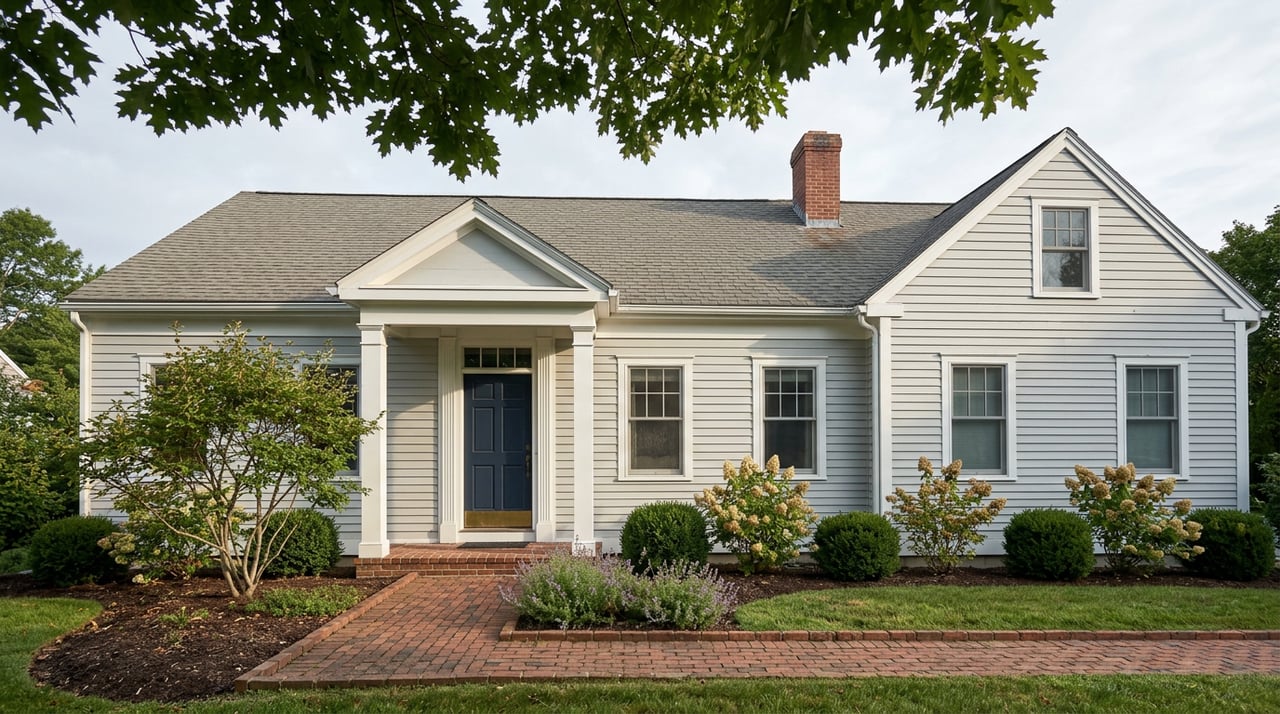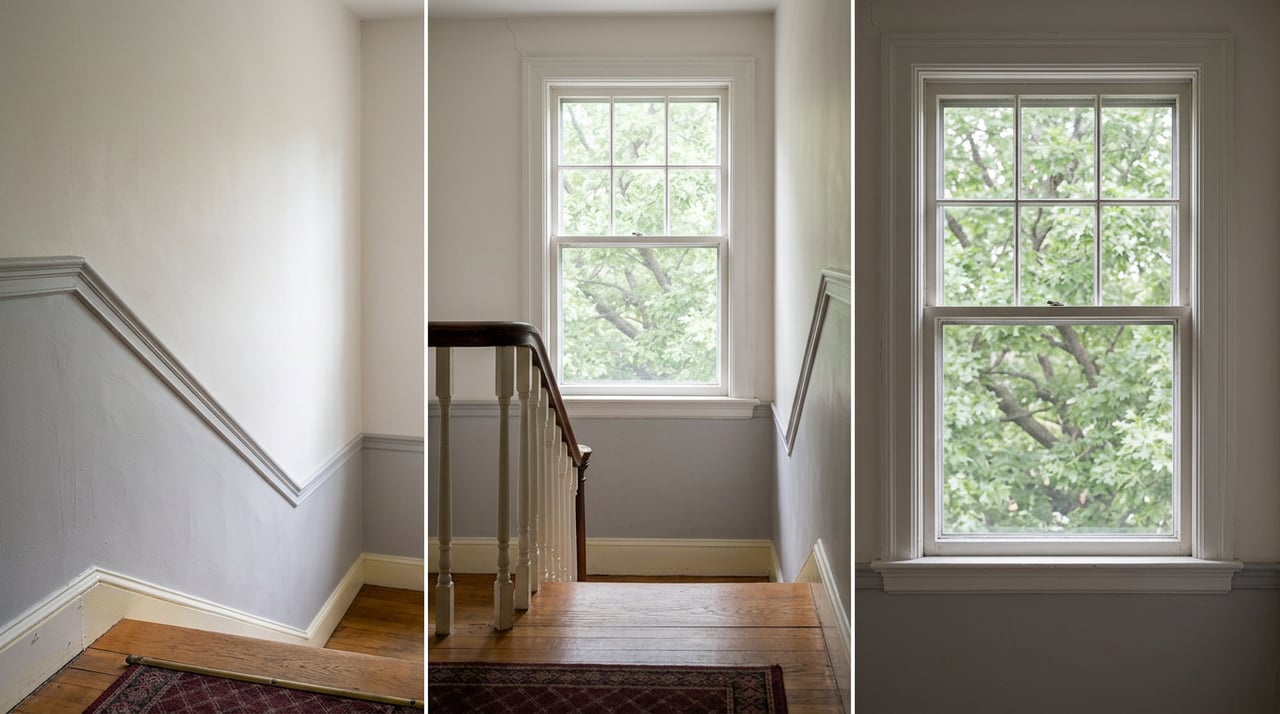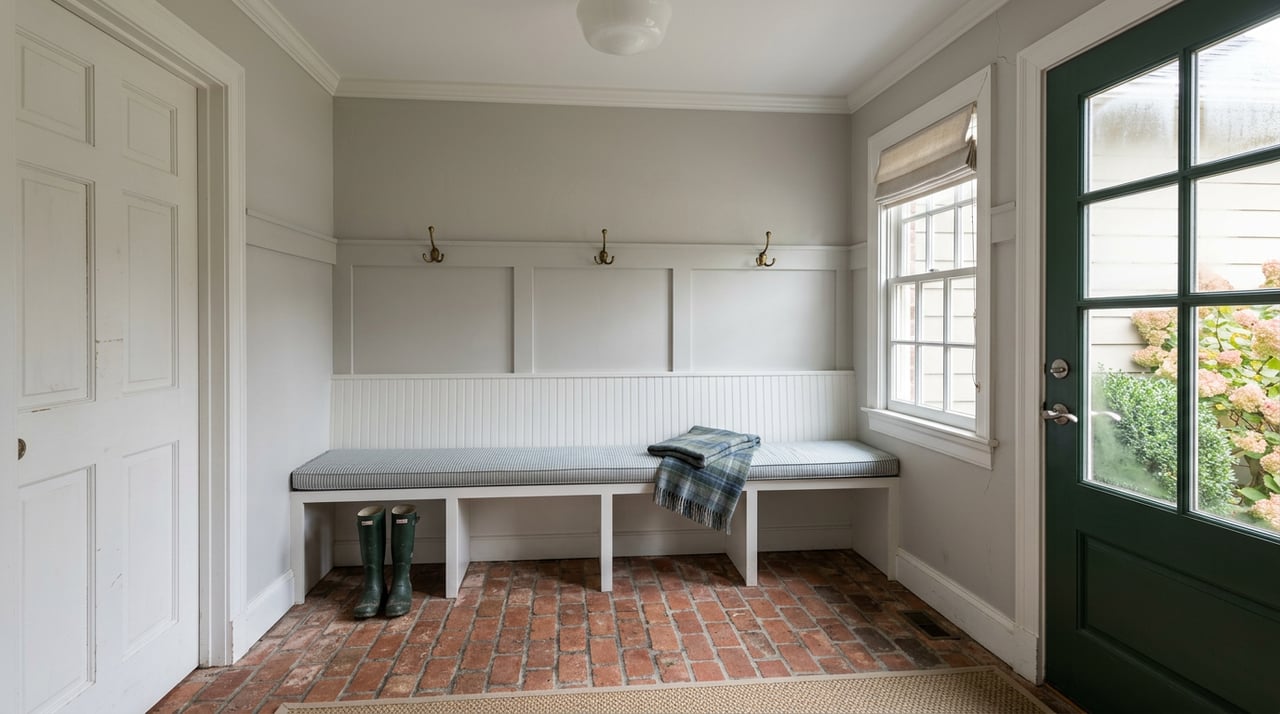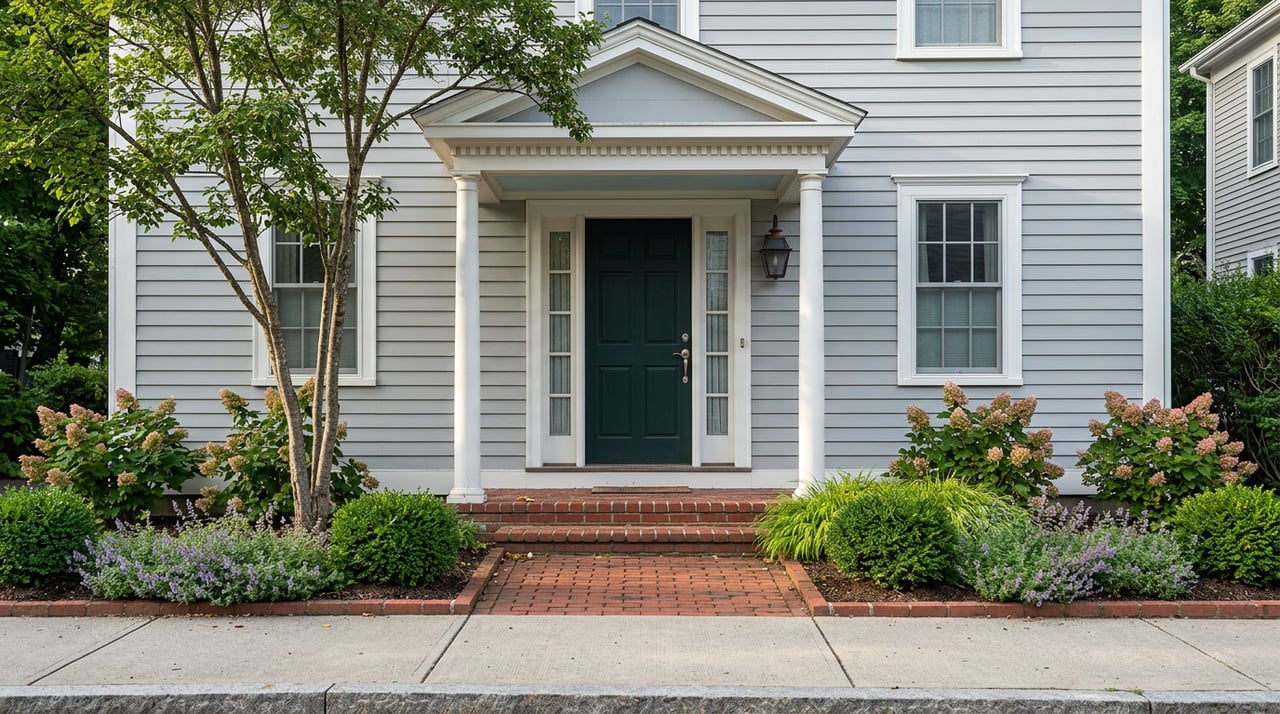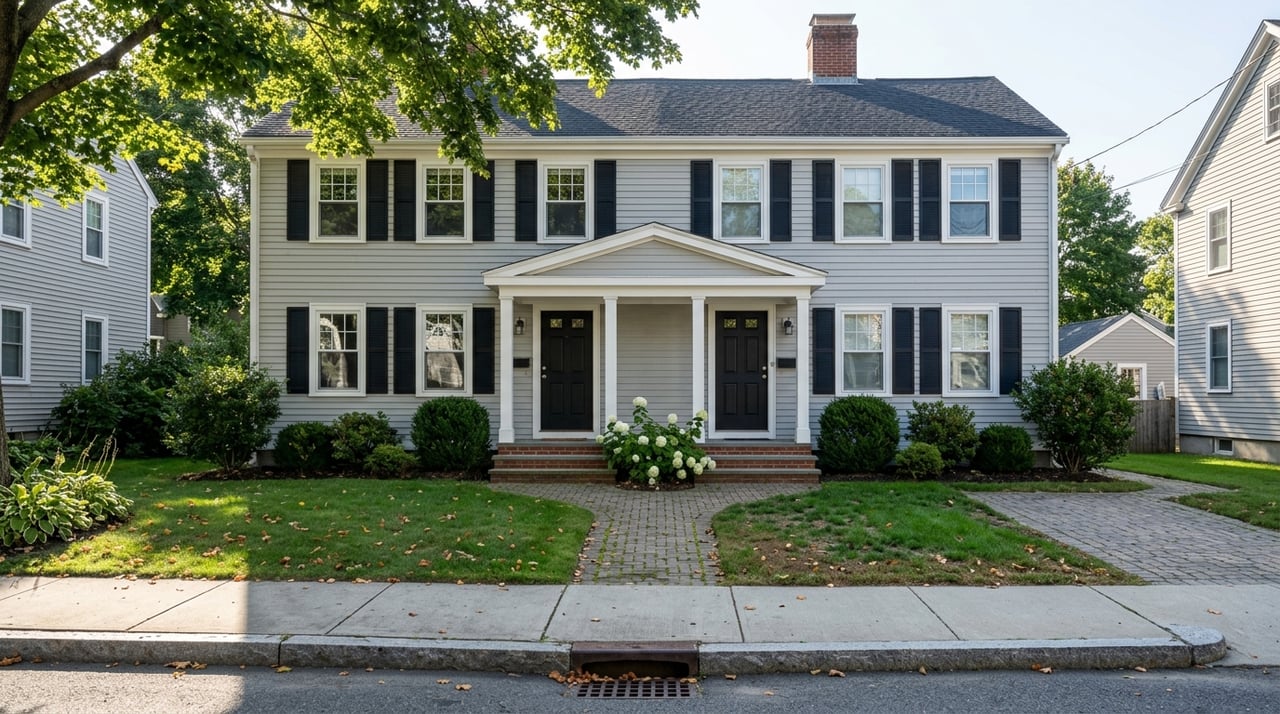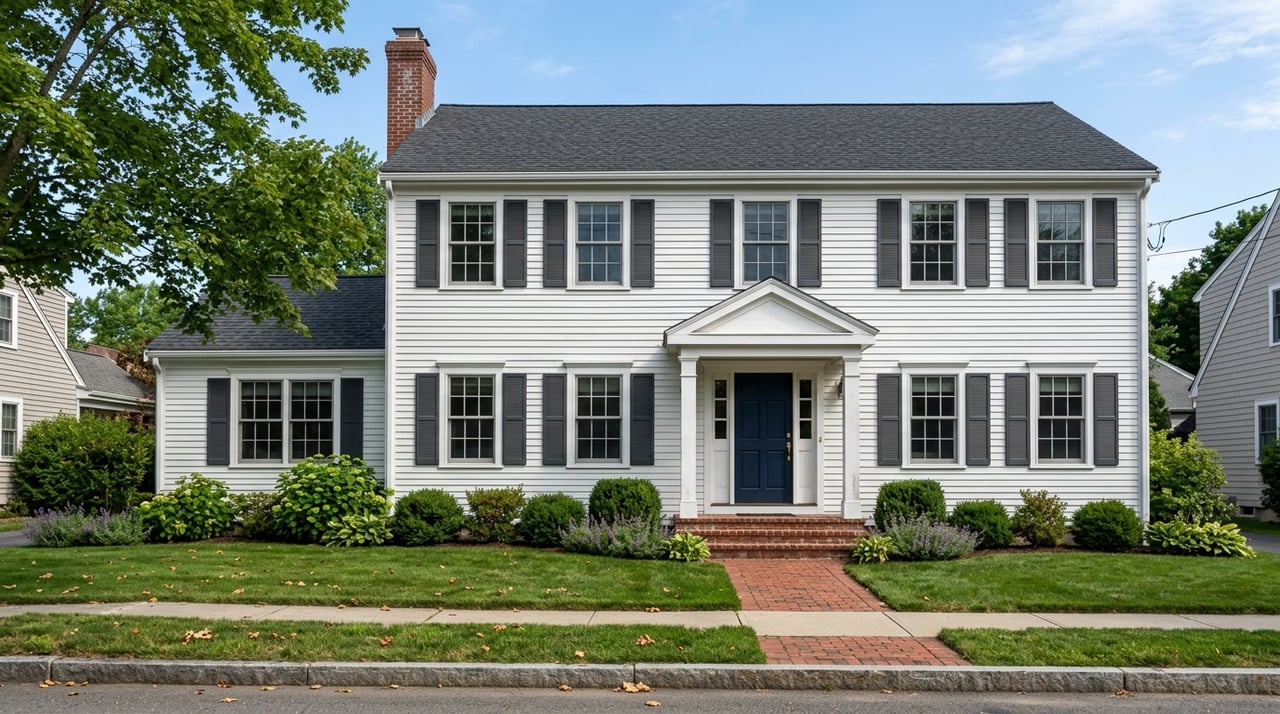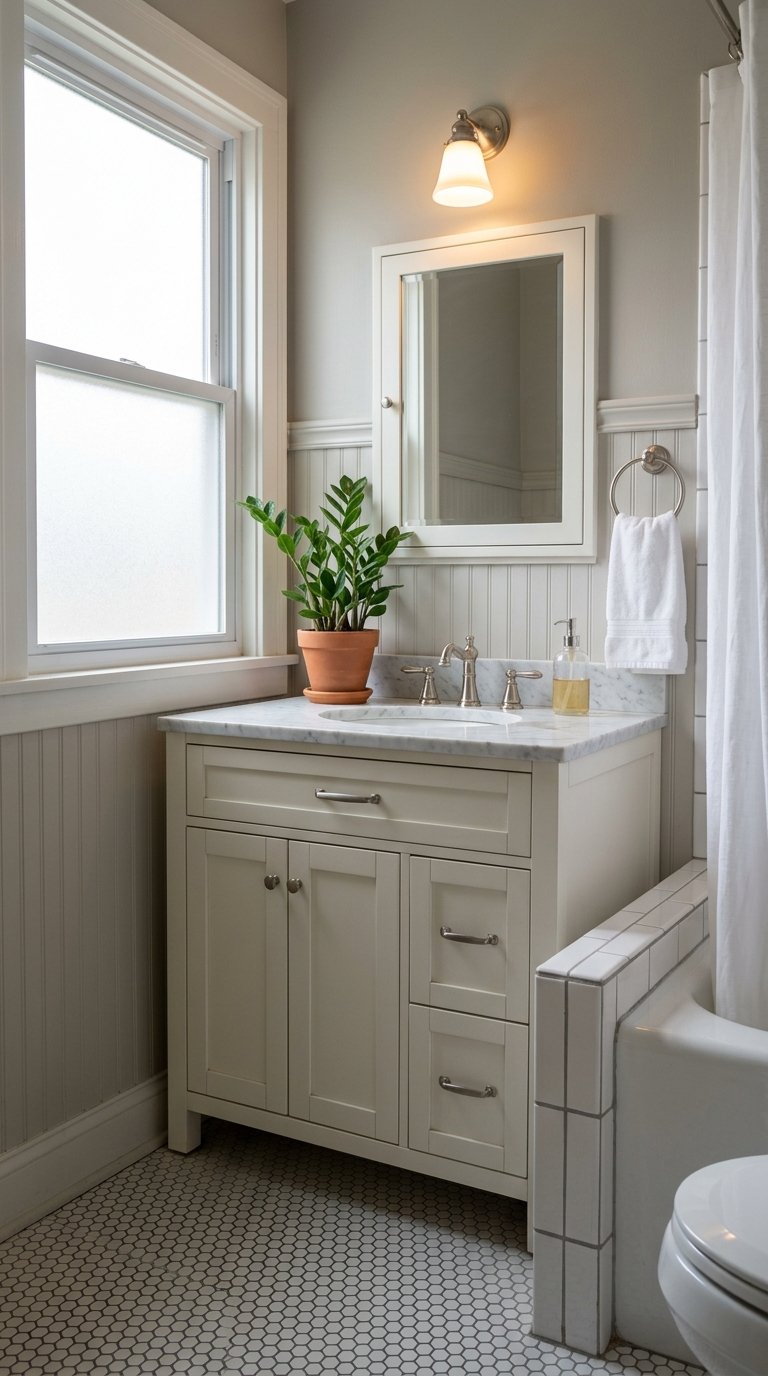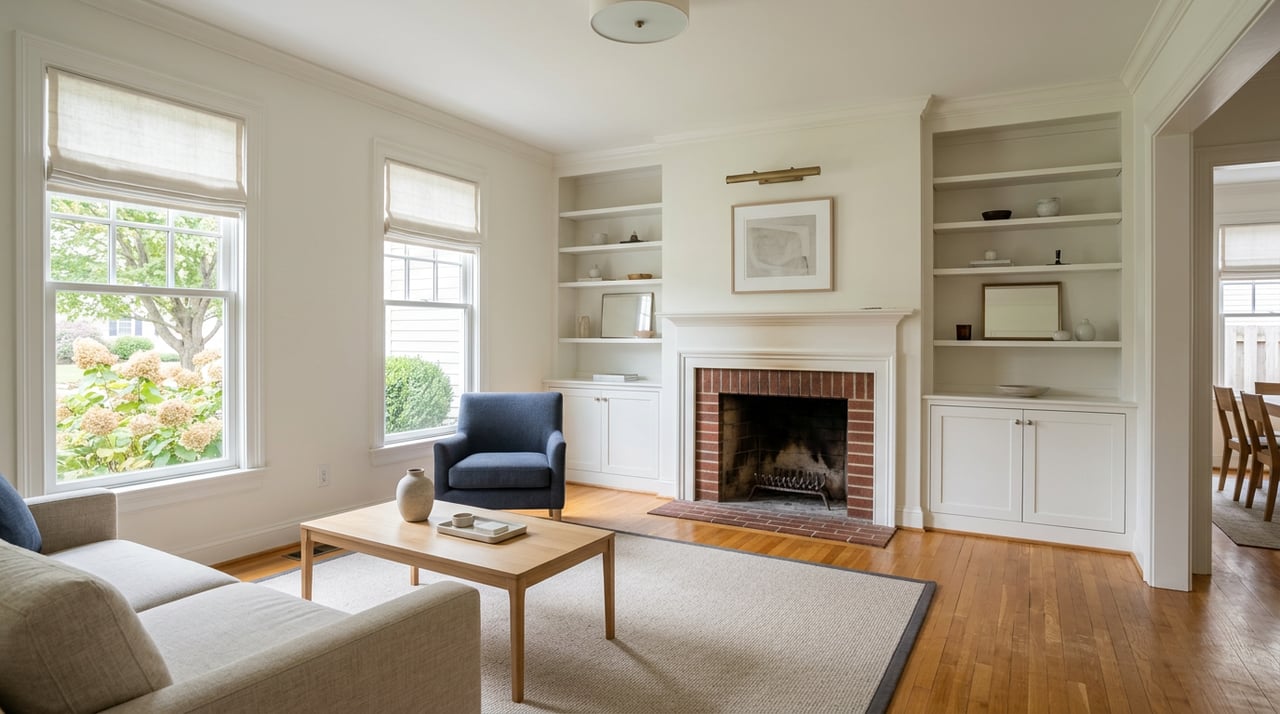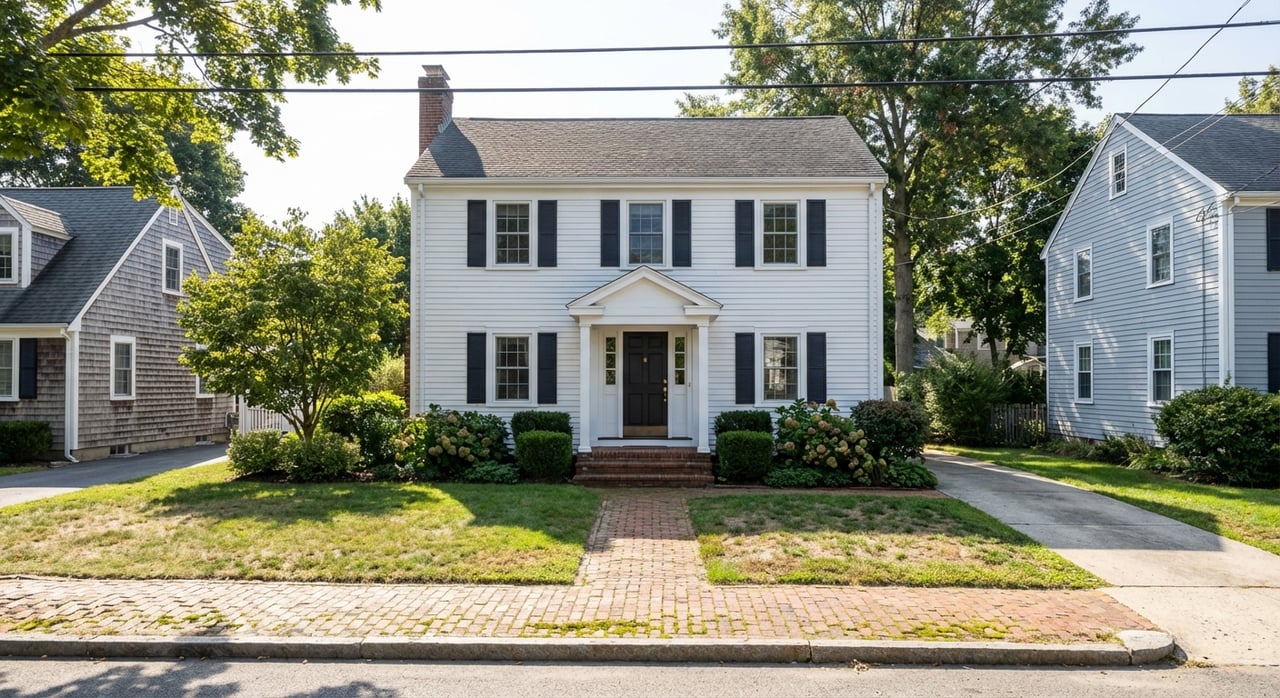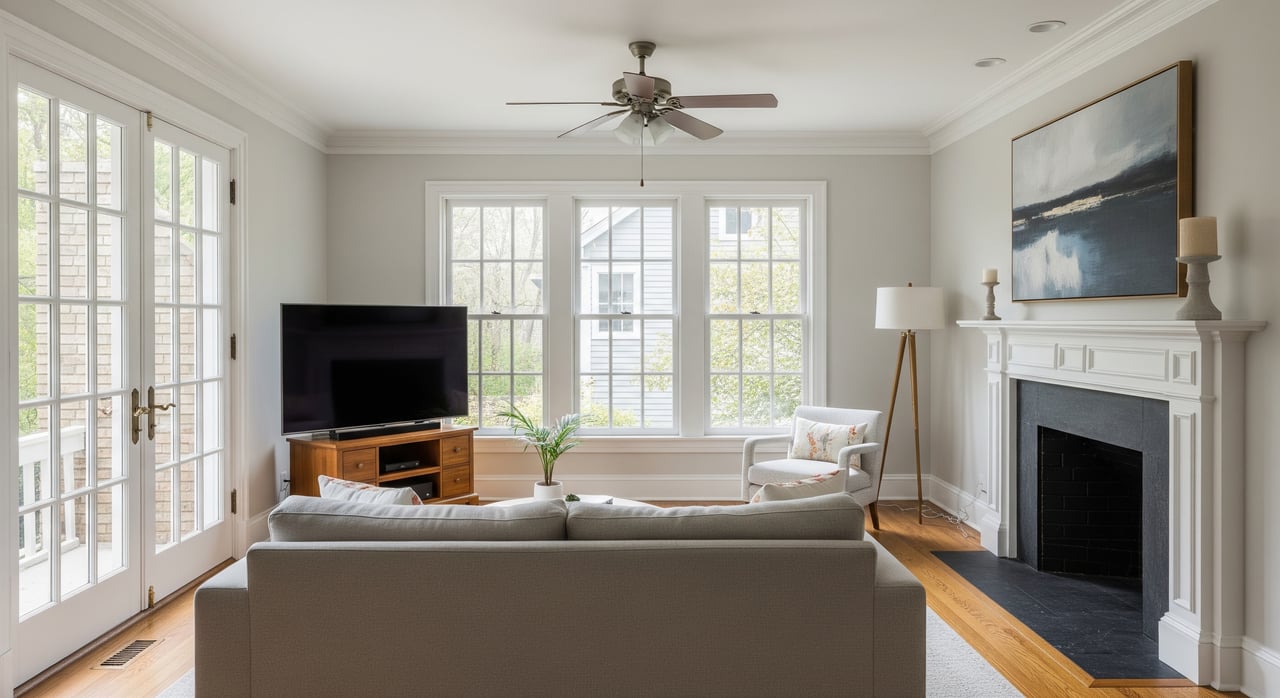
If you are getting ready to sell in Newton, it is easy to wonder whether a renovation will boost your price or just eat up time and money. That question matters even more here, where many homes are older, buyers notice condition quickly, and the market is still active enough for well-prepared listings to stand out. In this guide, you will learn which updates are often worth doing, which ones are usually better left alone, and what Newton-specific rules can affect your decision. Let’s dive in.
Why renovation decisions matter in Newton
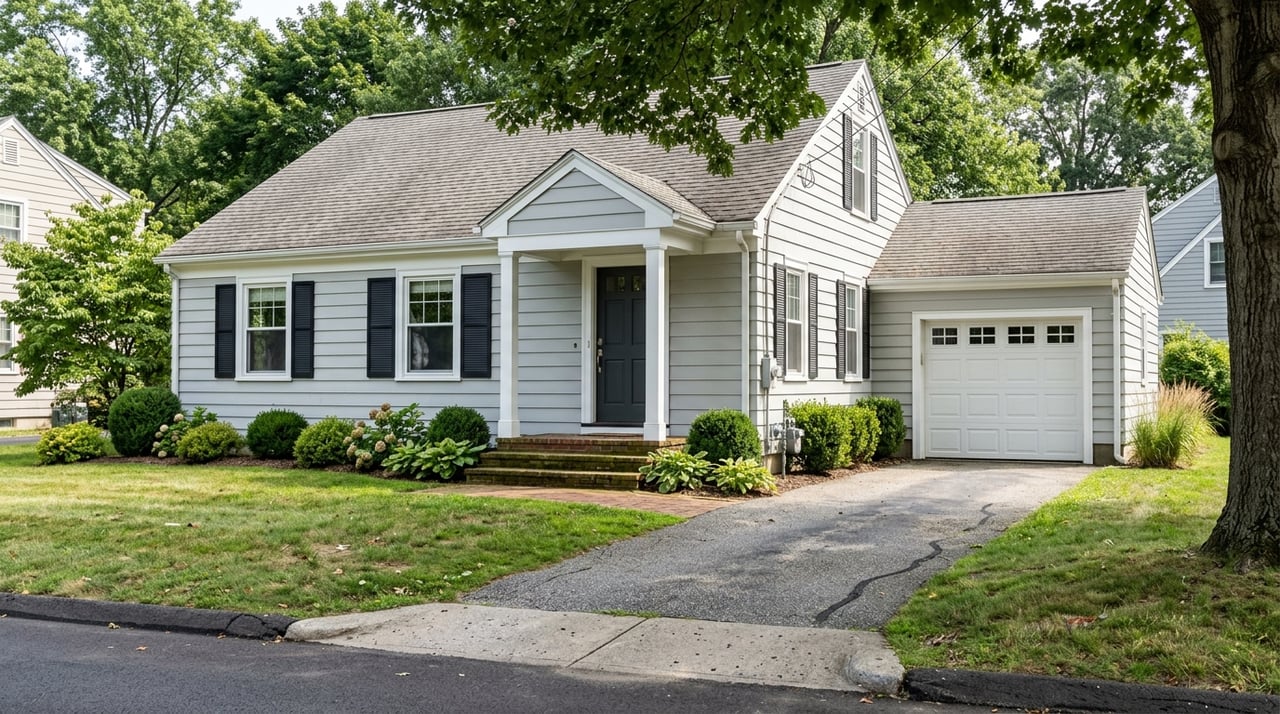
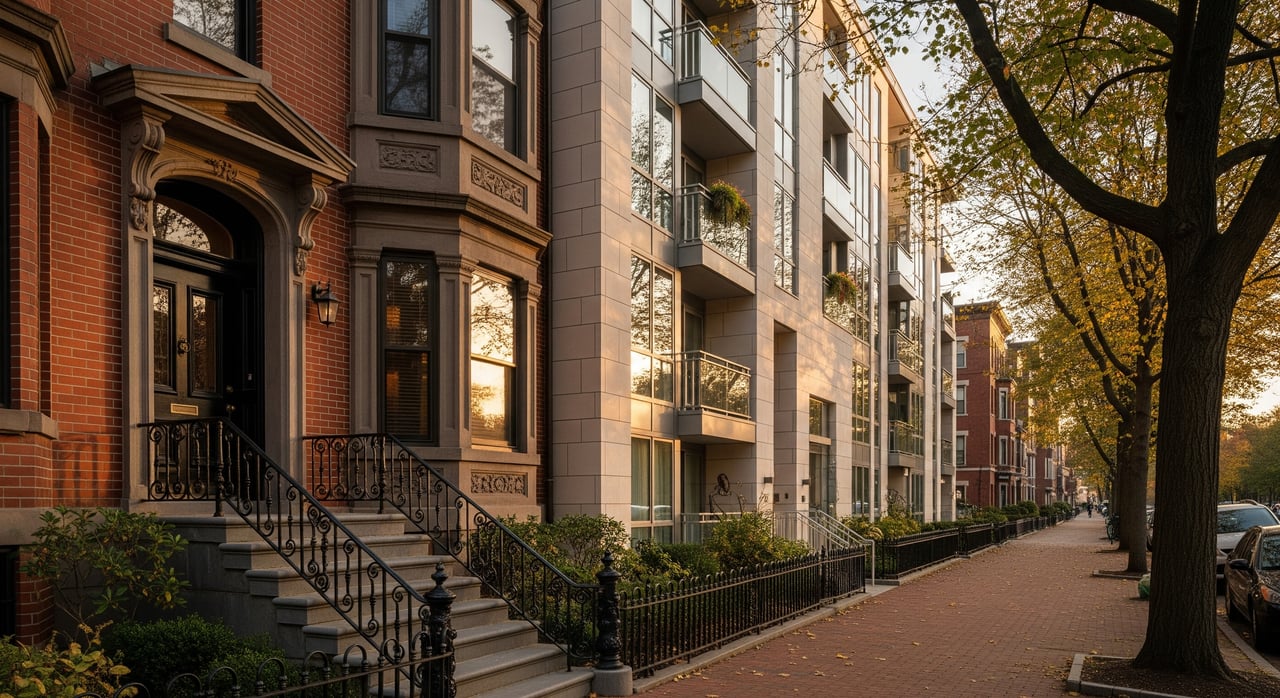
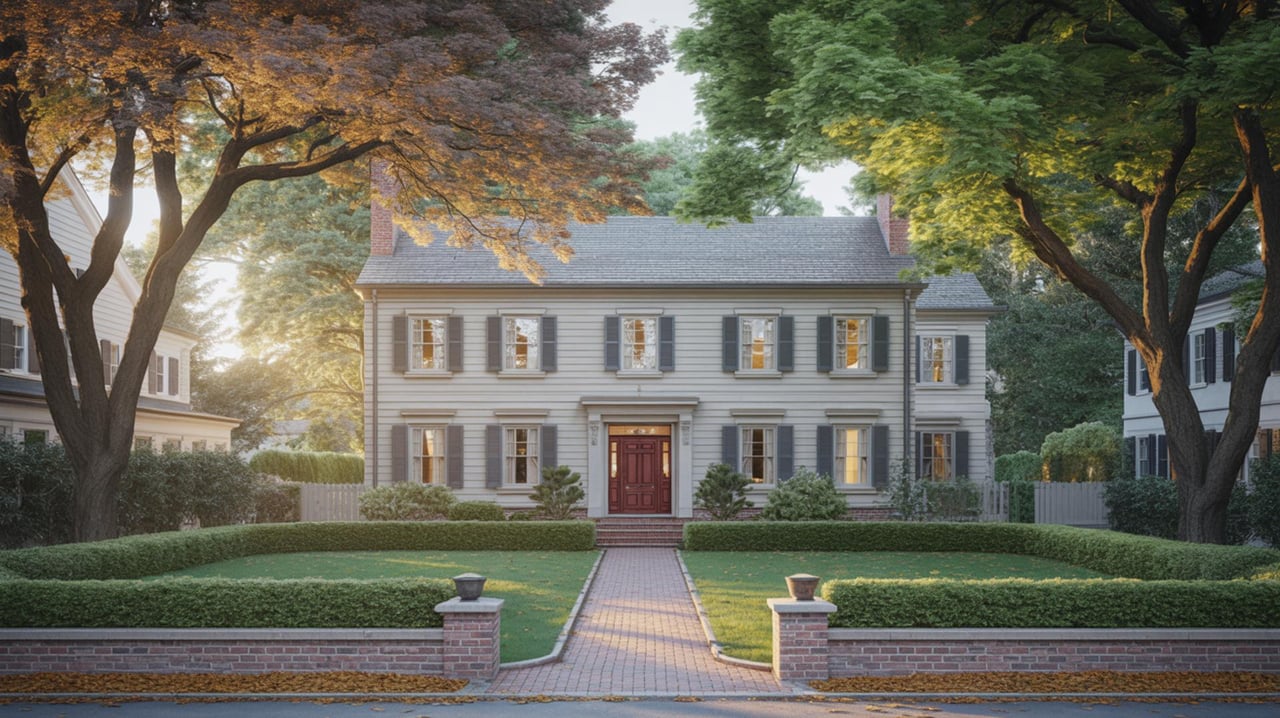
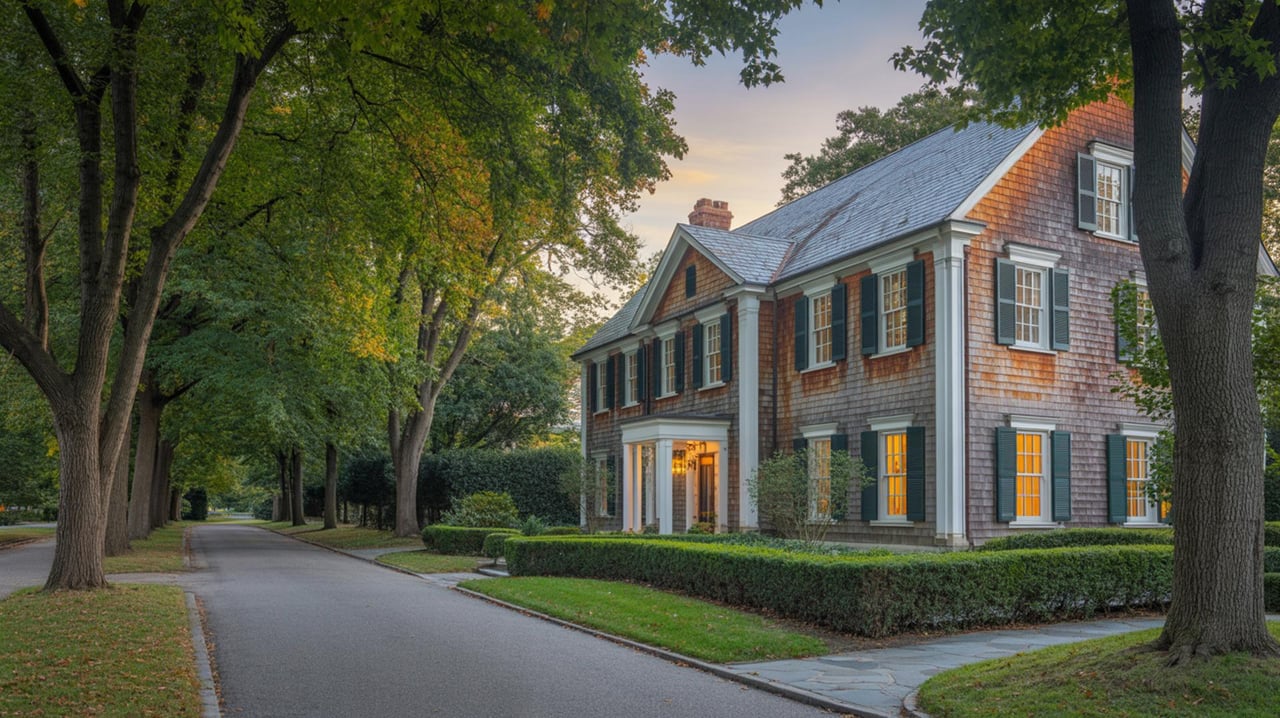
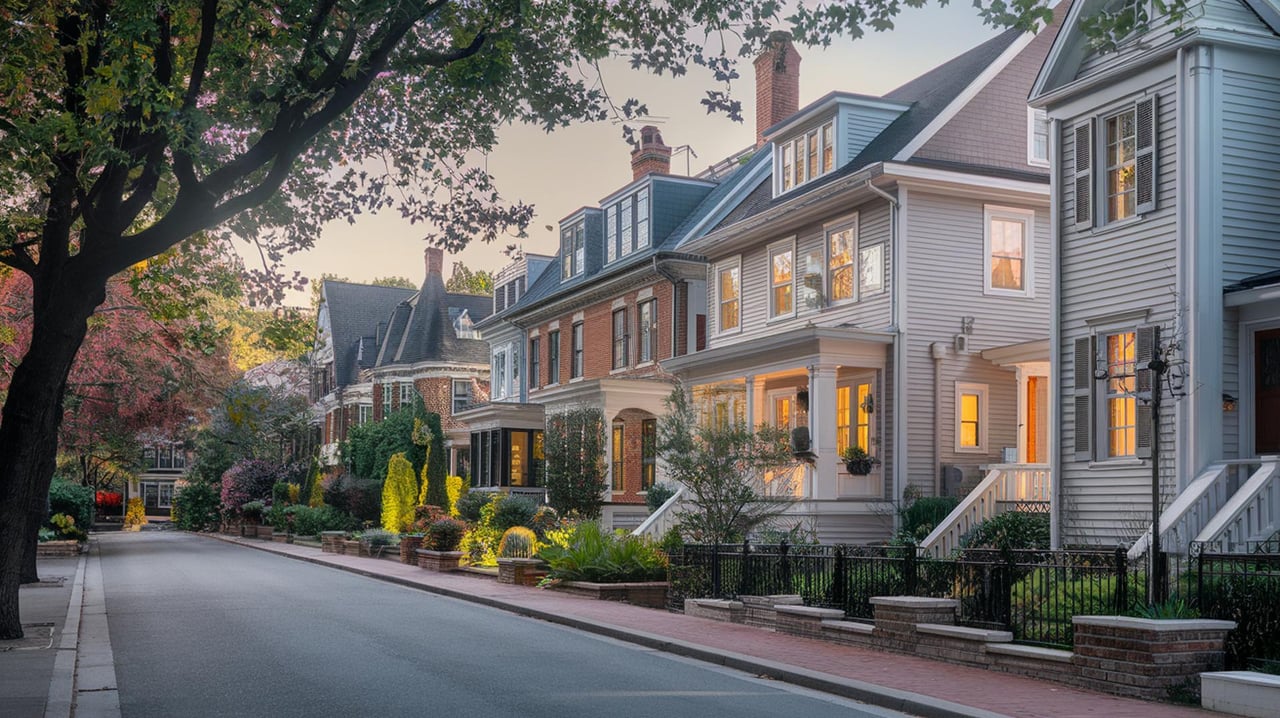
Newton is a market where preparation can make a real difference, but not every project is a smart bet. A 2025 City of Newton residential market study reports that 69.8% of occupied units in the primary market are owner-occupied, and nearly half of units were built in 1939 or earlier. That means many sellers are working with homes that have character, but also age-related maintenance, systems, and compliance considerations.
The market still shows strong demand, yet buyers can be selective. Spring 2026 data from Realtor.com and Redfin show median sold prices around $1.5 million to $1.61 million, homes selling in roughly 25 to 27 days, and sale-to-list performance near 99% with about three offers on average. In plain terms, Newton remains expensive and active, but condition and presentation still matter.
Start with the goal, not the project
Before you renovate, ask a simple question: Are you trying to fix a problem, improve first impressions, or build value? Those are not always the same thing. The best pre-sale decisions usually solve issues that could turn buyers off, slow down offers, or create inspection concerns.
In Newton, that often means resisting the urge to over-improve. Because the housing stock is older, many homes benefit more from focused repair and refresh work than from a full custom remodel. A practical plan usually starts with what buyers will notice right away.
Updates that are easiest to justify
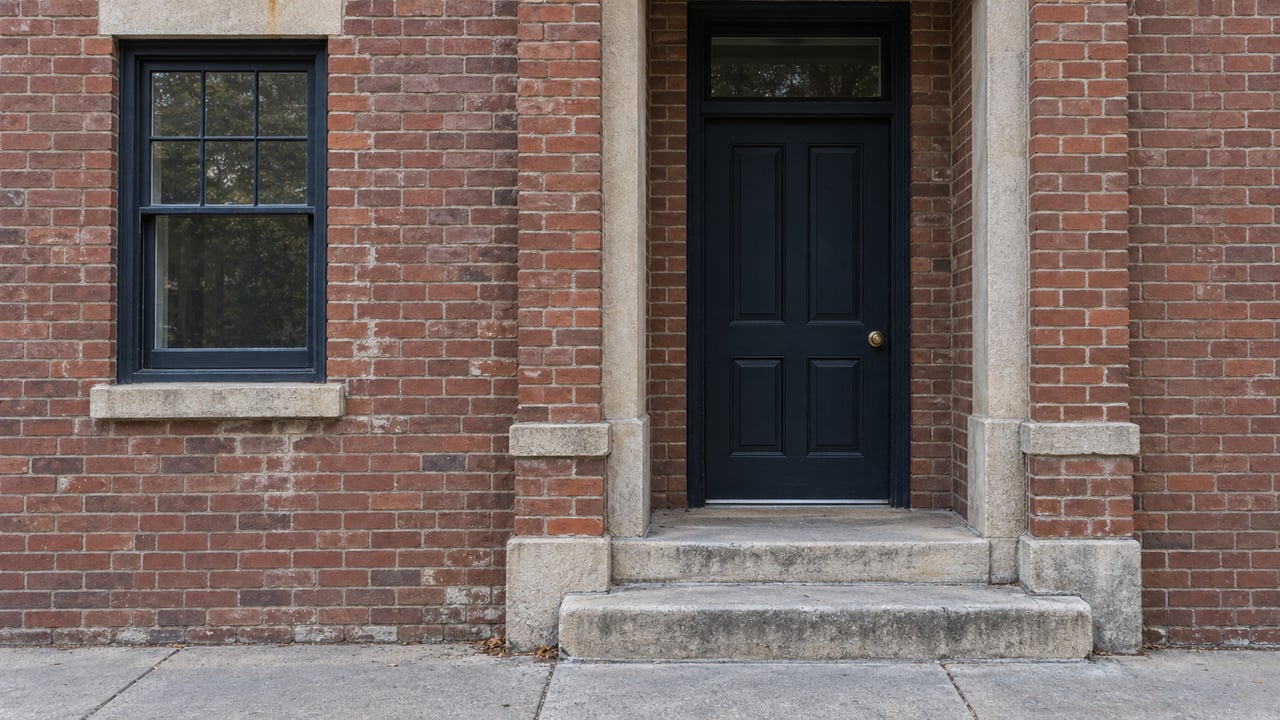
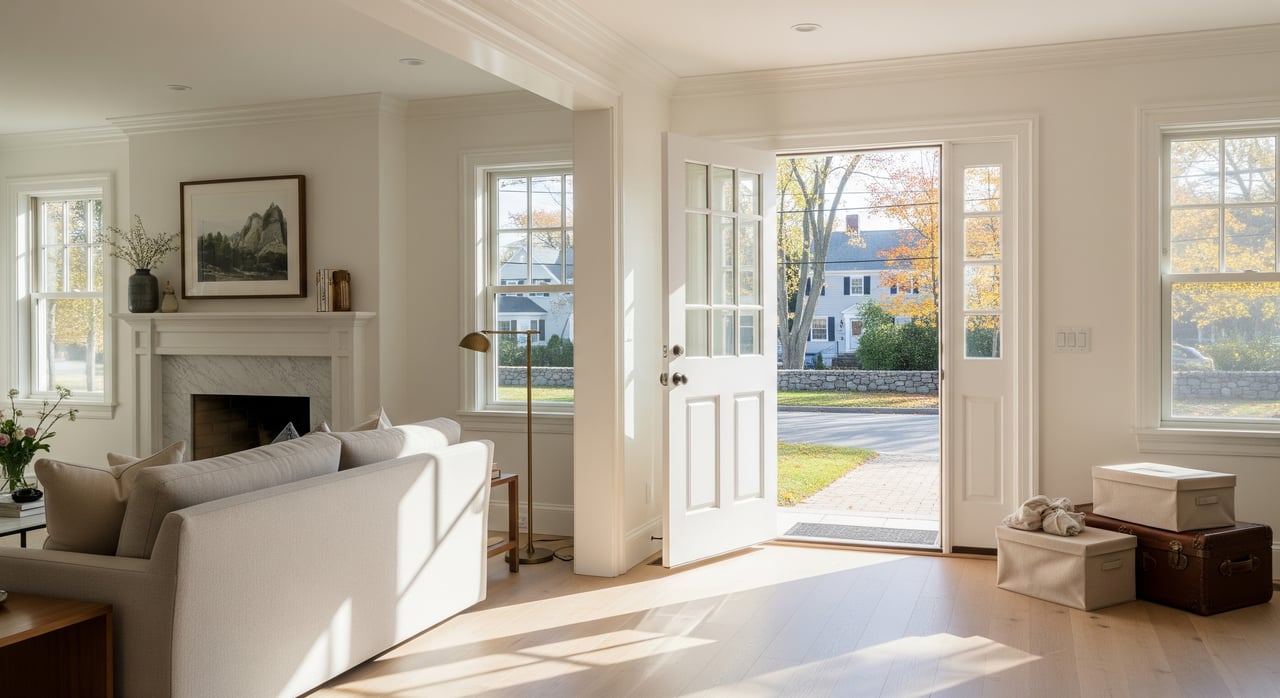
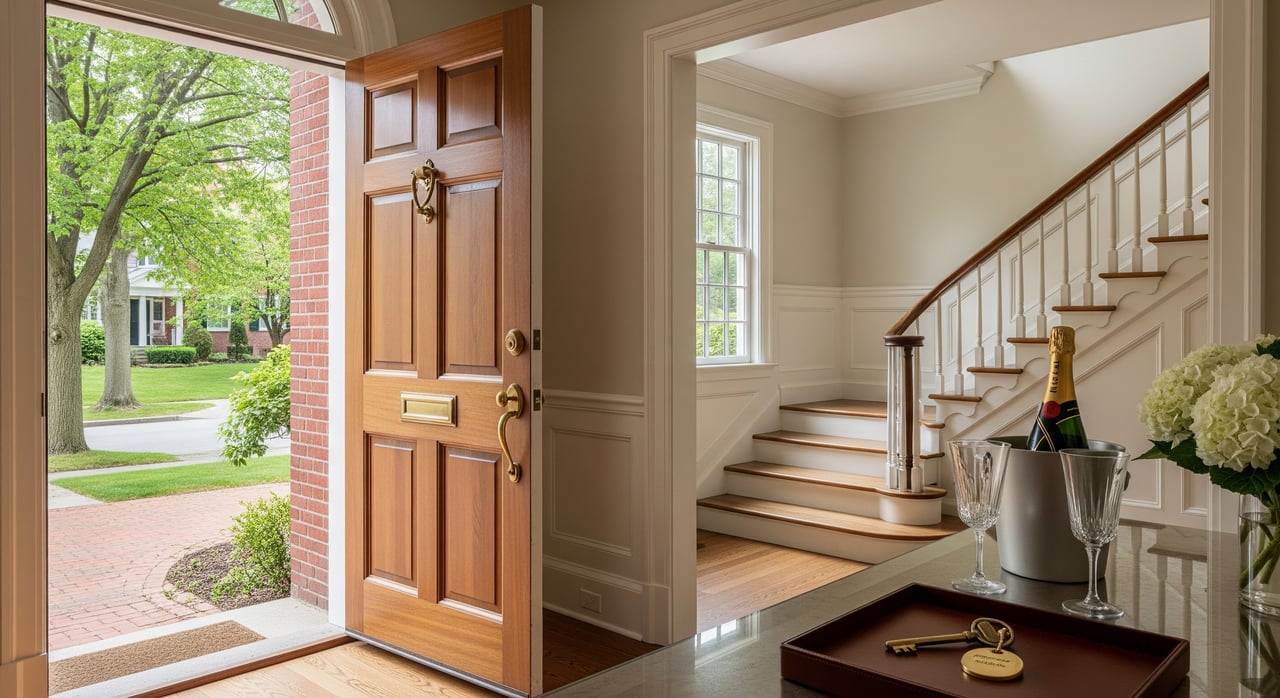
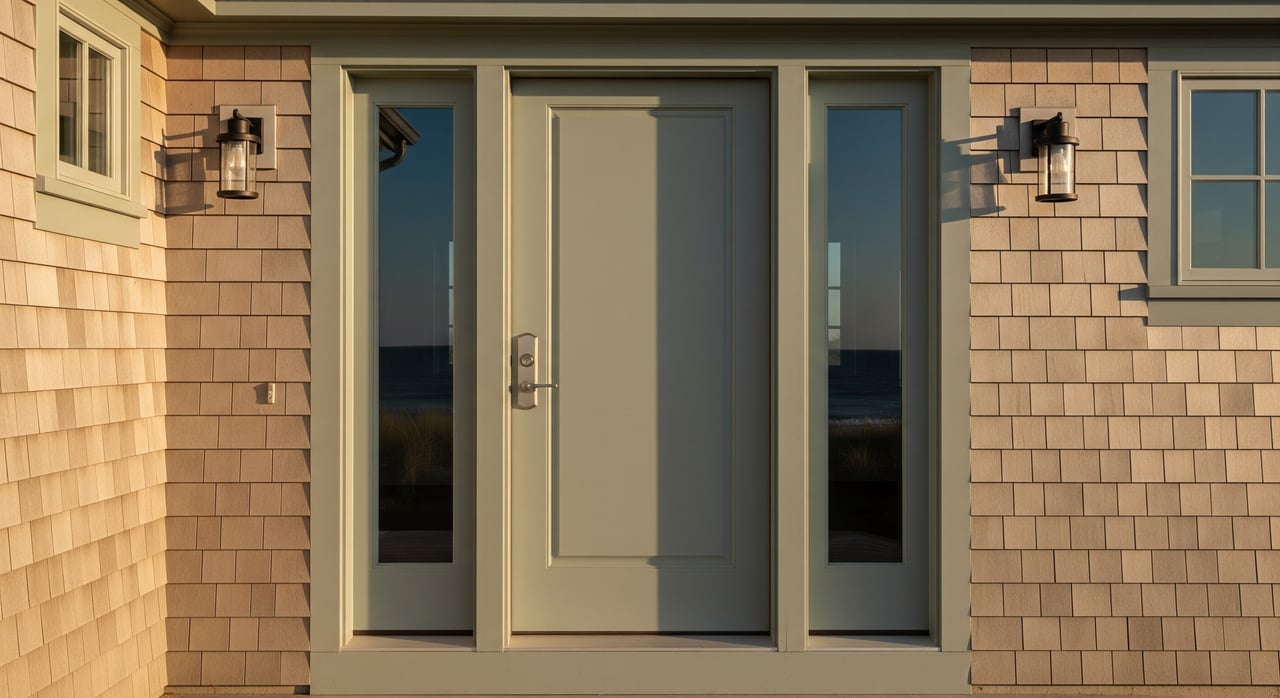
The strongest pre-sale projects are usually visible, broadly appealing, and relatively simple to complete. According to the 2025 NAR Remodeling Impact Report, a new steel front door had 100% cost recovery, a closet renovation had 83%, and a new fiberglass front door had 80%. REALTORS also most often recommend painting the entire home, painting a single room, and installing a new roof before listing.
That does not mean you should automatically do all of them. It does suggest that practical, universal improvements tend to make more sense than highly personalized upgrades. In many Newton homes, the best return comes from making the property feel well cared for and easy to move into.
Smart pre-sale updates to consider
- Fresh interior paint in neutral tones
- Repairing deferred maintenance that buyers will notice
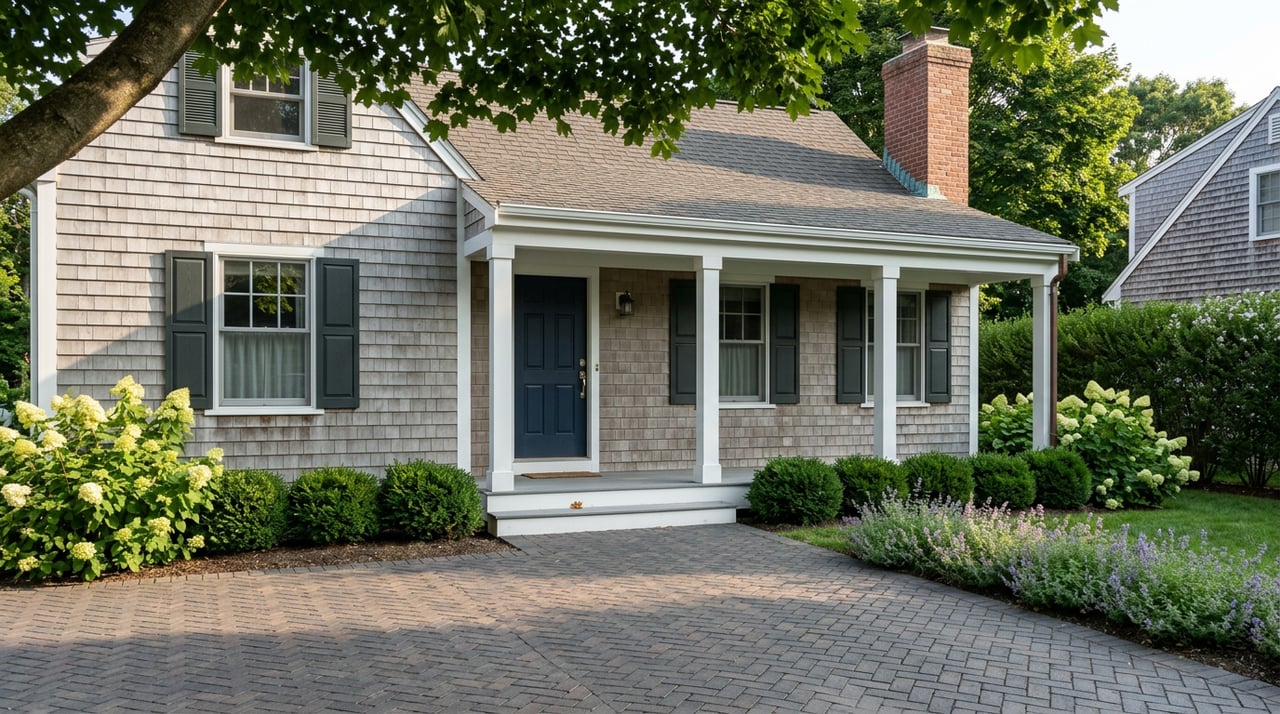
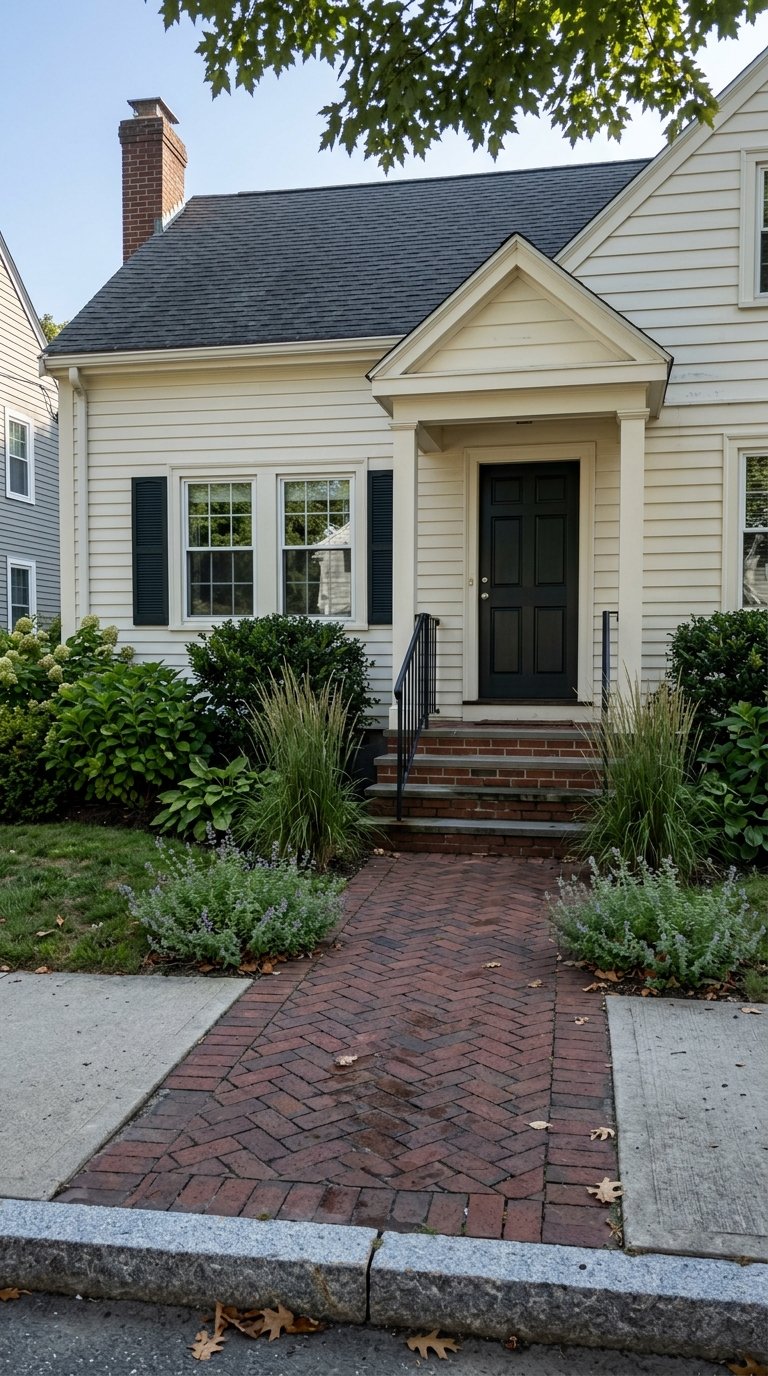
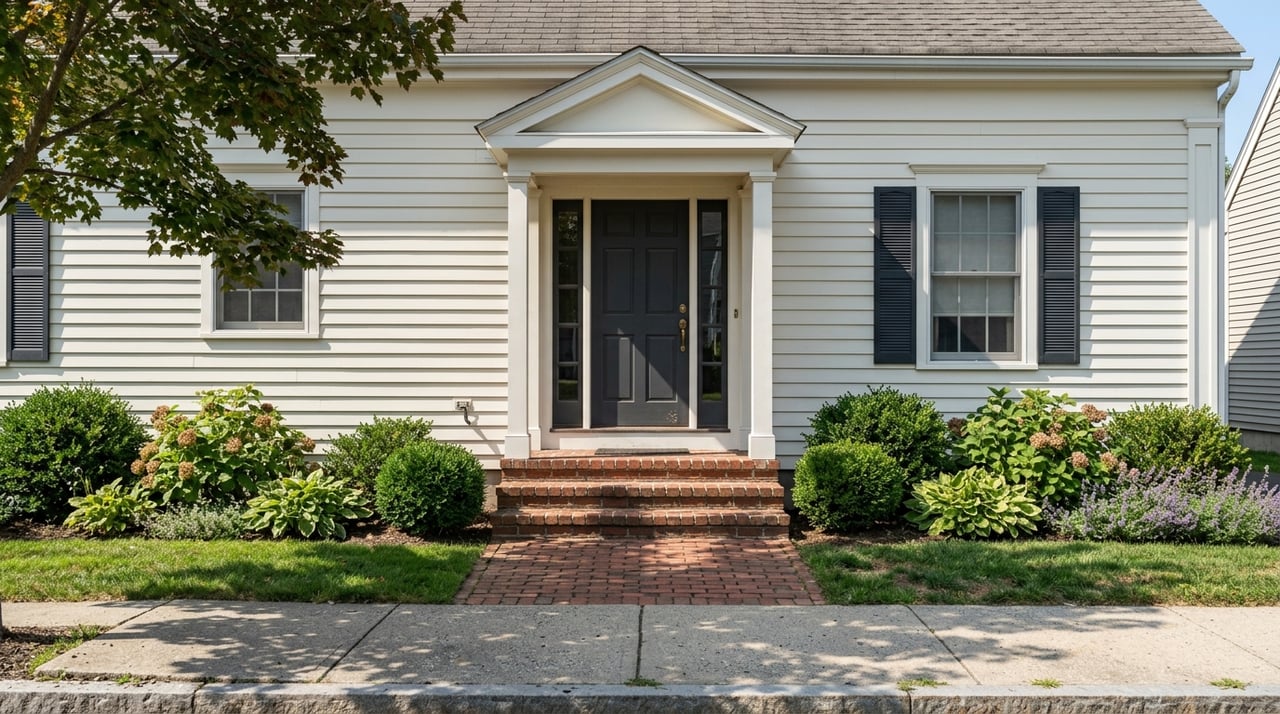
- Updating a worn front door
- Tidying closets and storage areas
- Addressing an aging roof if it is a clear concern
- Improving lighting, hardware, and other small finish details
These projects help buyers focus on the home itself rather than the work they think they will need to do right away.
Is a kitchen remodel worth it?
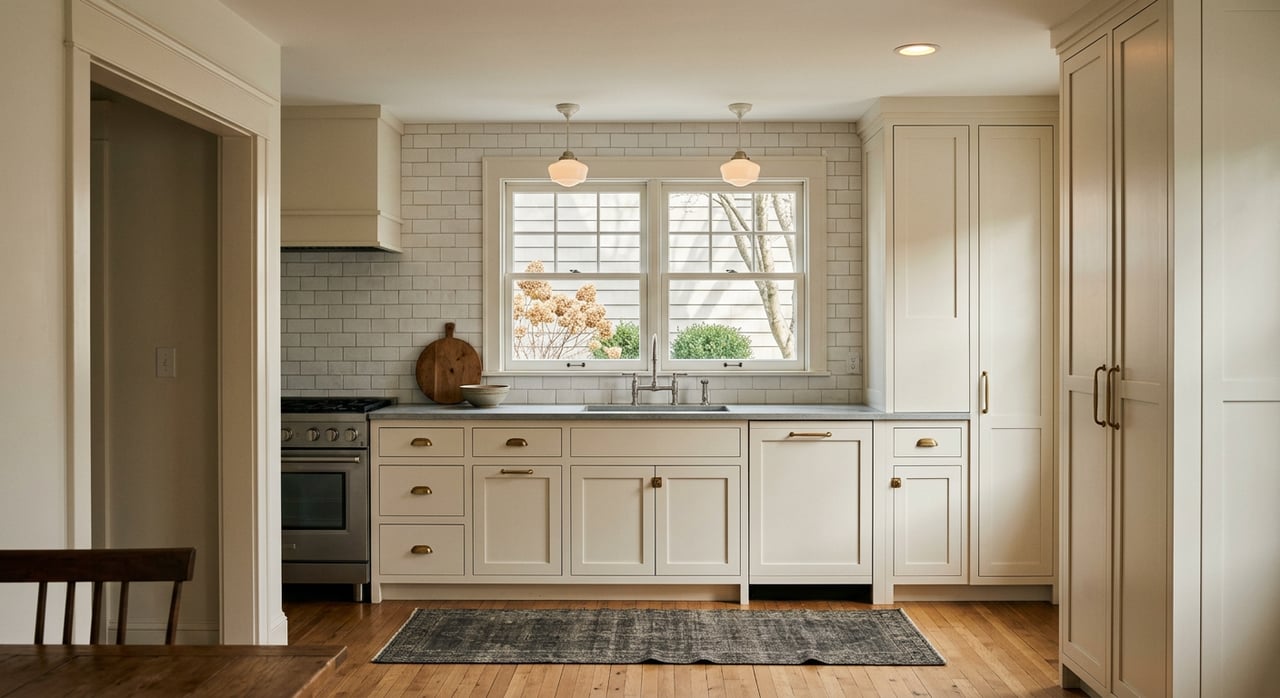
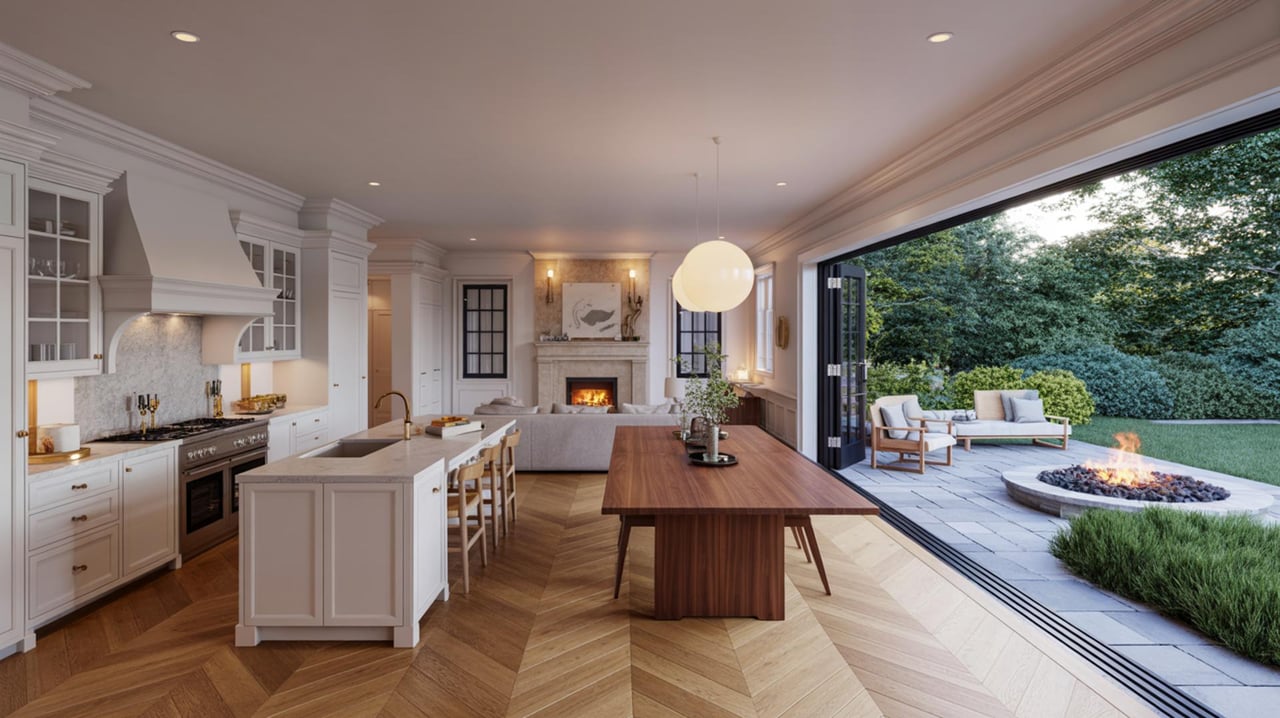
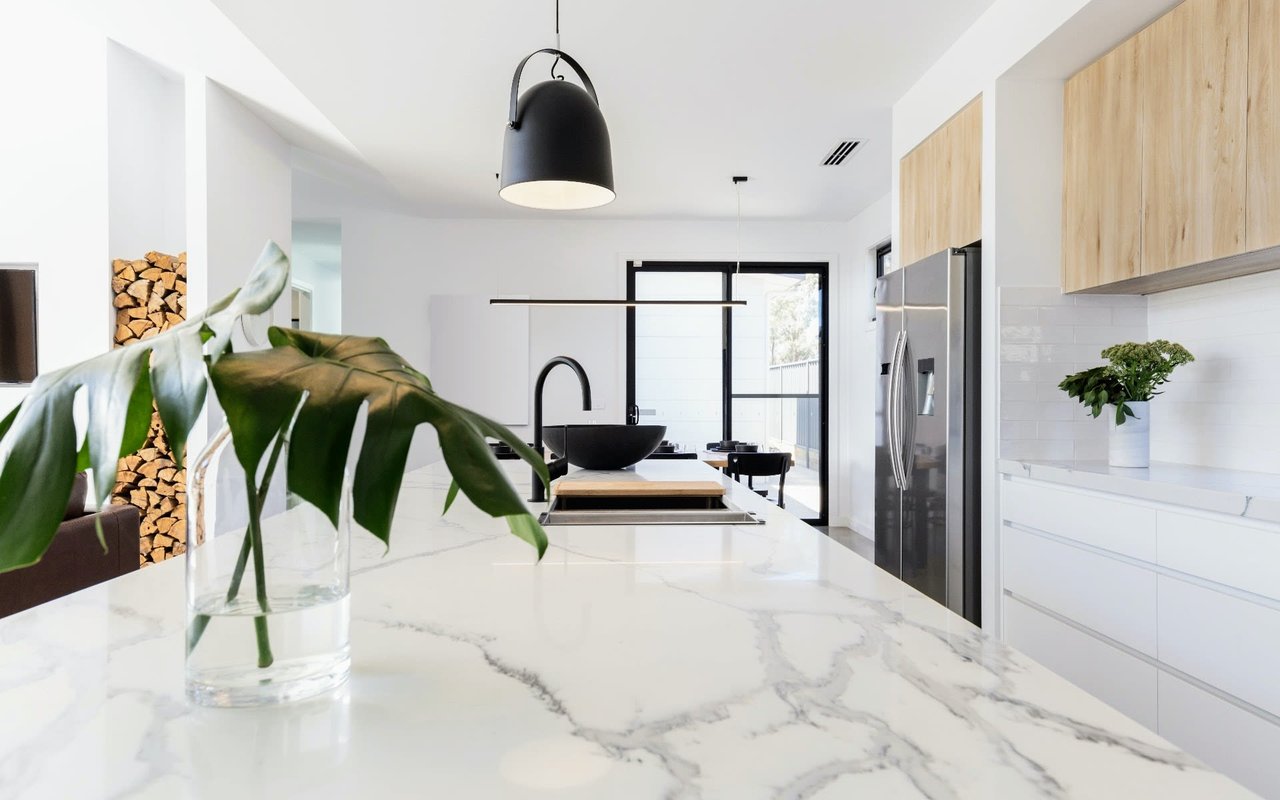
Usually, a modest kitchen refresh is easier to defend than a full remodel. NAR data shows kitchen upgrades are in demand, but the strongest cost recovery tends to come from smaller replacement-style projects rather than major custom overhauls. For most sellers, that points toward practical improvements instead of a dream renovation.
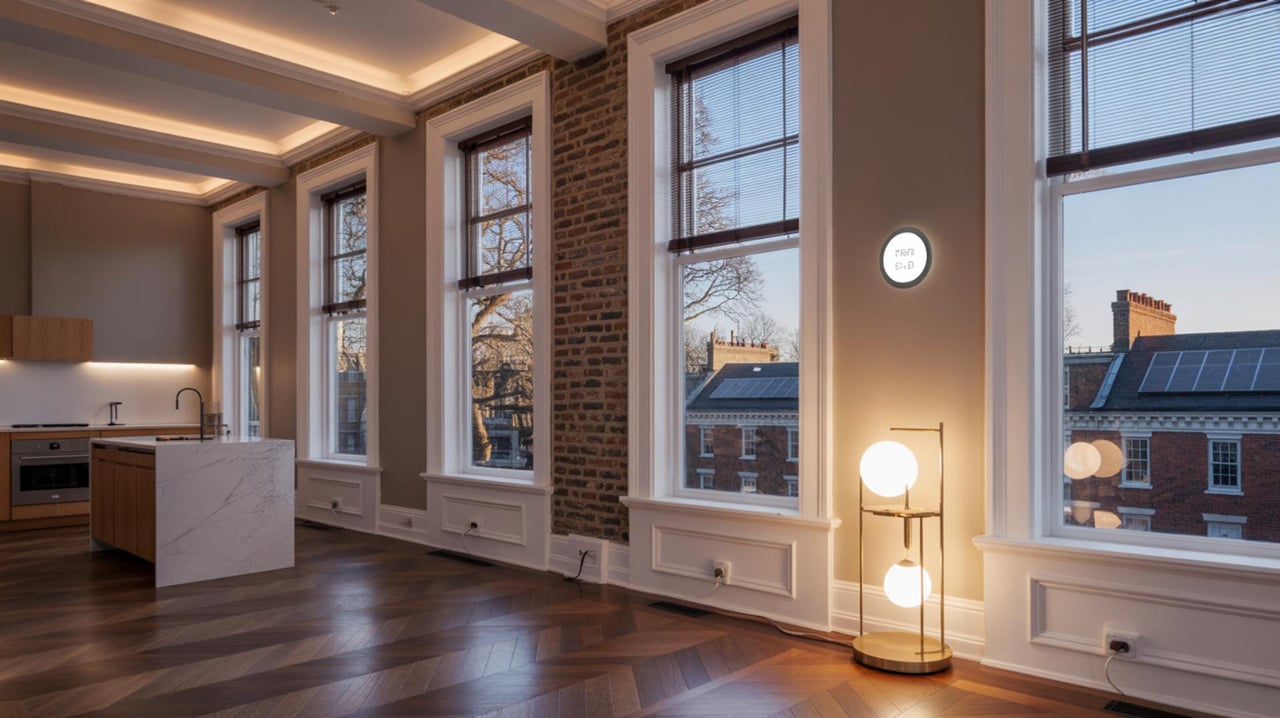
If your kitchen is functional, think in terms of clean, neutral, and well-maintained. You may benefit more from paint, hardware, lighting, minor repairs, and presentation than from tearing out cabinets or reworking the layout. Buyers in Newton often appreciate updated spaces, but they may still prefer to make major style decisions themselves.
When bigger projects usually do not make sense
Large renovations can be hard to justify right before a sale. Full kitchen rebuilds, high-end bath overhauls, additions, or accessory dwelling unit projects often cost more, take longer, and carry more risk than sellers expect. Unless the home has a clear functional problem, those projects are often better left to the next owner.
That is especially true in Newton, where major work can involve more approvals and more time. The city says projects requiring a special permit typically go through a City Council process that takes about 3 to 4 months from zoning review through the public hearing stage, and more complex projects can take 6 months or more. If your goal is to sell in the near future, that timeline alone can change the math.
Newton rules that can affect your decision
One of the biggest mistakes sellers make is budgeting for the renovation itself without budgeting for the process around it. In Newton, permits, inspections, historic review, and energy-code requirements can all shape your timeline and cost. That means a project that looks straightforward on paper may be less appealing once local rules are factored in.
Newton’s Inspectional Services Department issues permits for construction, reconstruction, alteration, repair, and demolition, and final inspections are required. The city also notes that old open permits are not closed automatically, so it is important to confirm permit status before making final payment to contractors and well before you list the home.
Historic review can affect exterior work
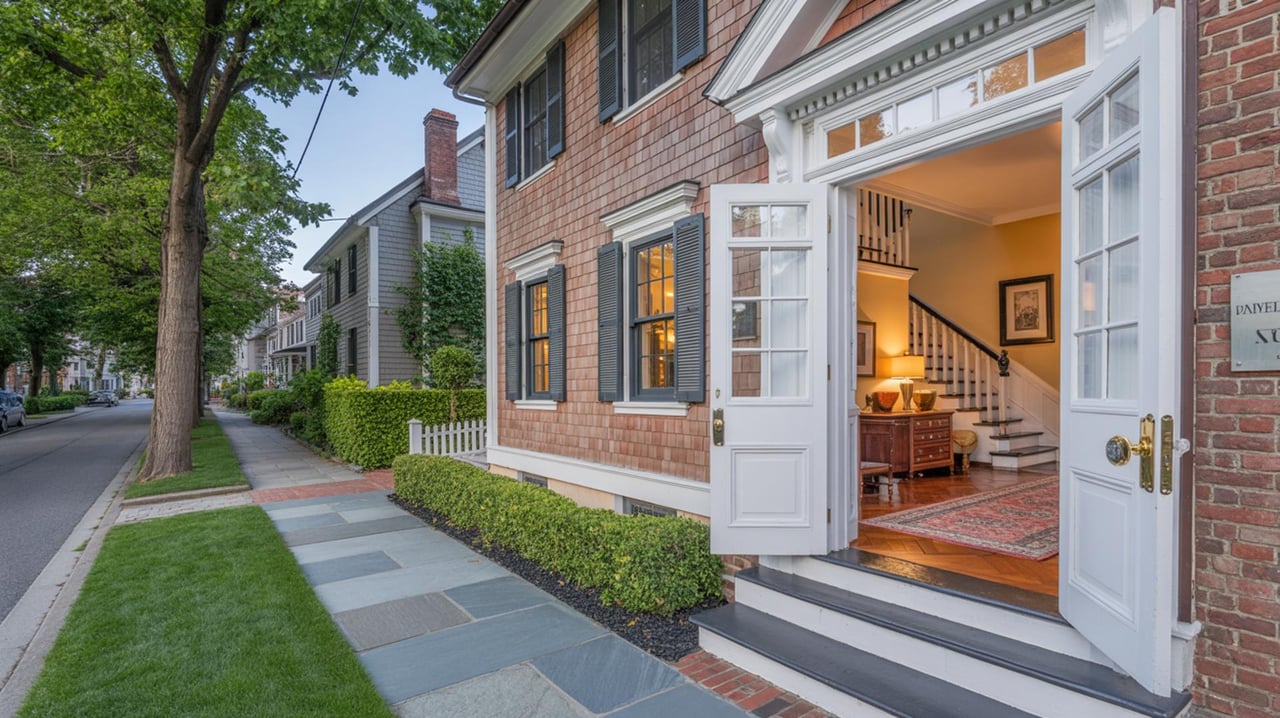
If you are thinking about replacing windows or making visible exterior changes, location matters. Newton says properties in Auburndale, Chestnut Hill, Newtonville, and Newton Upper Falls are in local historic districts where exterior alterations or site changes need Historic District Commission review. The city also says properties more than 50 years old outside those districts may still need Historical Commission review for exterior alterations or demolition.
That means even a project that seems simple, like exterior replacement work, may not be as quick as you hoped. If your timeline is tight, it is smart to confirm review requirements before committing.
Major work can trigger energy-code requirements
Newton also has newer electric and energy-code rules that can affect major renovation projects. The city says all new construction and major renovations must use electricity instead of fossil fuels for heating, cooling, cooking, and clothes drying, with hot water required to be electric or thermal solar. Complete building permit applications received after January 1, 2024 are also subject to the Specialized Stretch Code.
For sellers, the key takeaway is simple: large-scope renovations can pull in broader requirements than expected. That is another reason smaller, targeted improvements often make more sense before listing.
Do not forget the tax impact
Renovation decisions are not just about resale value. Newton assessors state that renovations, additions, or improvements can increase a property owner’s tax liability. The city also issues a supplemental tax bill when construction increases building value by more than 50% and the occupancy permit is issued.
That matters in a city where the median assessed single-family value is $1,503,500 and the median annual property tax for a median-priced single-family home is about $14,568. If you are considering major work before selling, the tax side should be part of the conversation.
Older homes require extra care
Because so much of Newton’s housing stock predates 1978, lead compliance is a real issue for sellers planning renovation work. Newton’s housing information says CLPPP records lead history for homes and daycares built before 1978. Federal law requires disclosure of known lead-based paint information for most pre-1978 home sales, and Massachusetts requires lead notification before signing a purchase and sale agreement for pre-1978 residential premises.
For renovation work, Massachusetts says paid renovation, repair, and painting work that disturbs enough painted surface in pre-1978 homes must be done by a lead-safe renovation contractor. In practical terms, even a cosmetic project may need more planning if it affects older painted surfaces.
A good first step for Newton sellers
If your home has comfort issues, draftiness, or older systems, it may be worth starting with a lower-risk diagnostic step before committing to major work. Mass Save offers no-cost home energy assessments, incentives for insulation and efficient equipment, and 0% financing for eligible energy-efficient improvements. For some sellers, that can help identify whether a comfort or utility issue is worth addressing before the home hits the market.
This kind of review can be especially useful in older Newton homes, where hidden inefficiencies may be contributing to how the home feels during showings. You do not always need a big renovation to improve buyer perception.
A practical decision framework
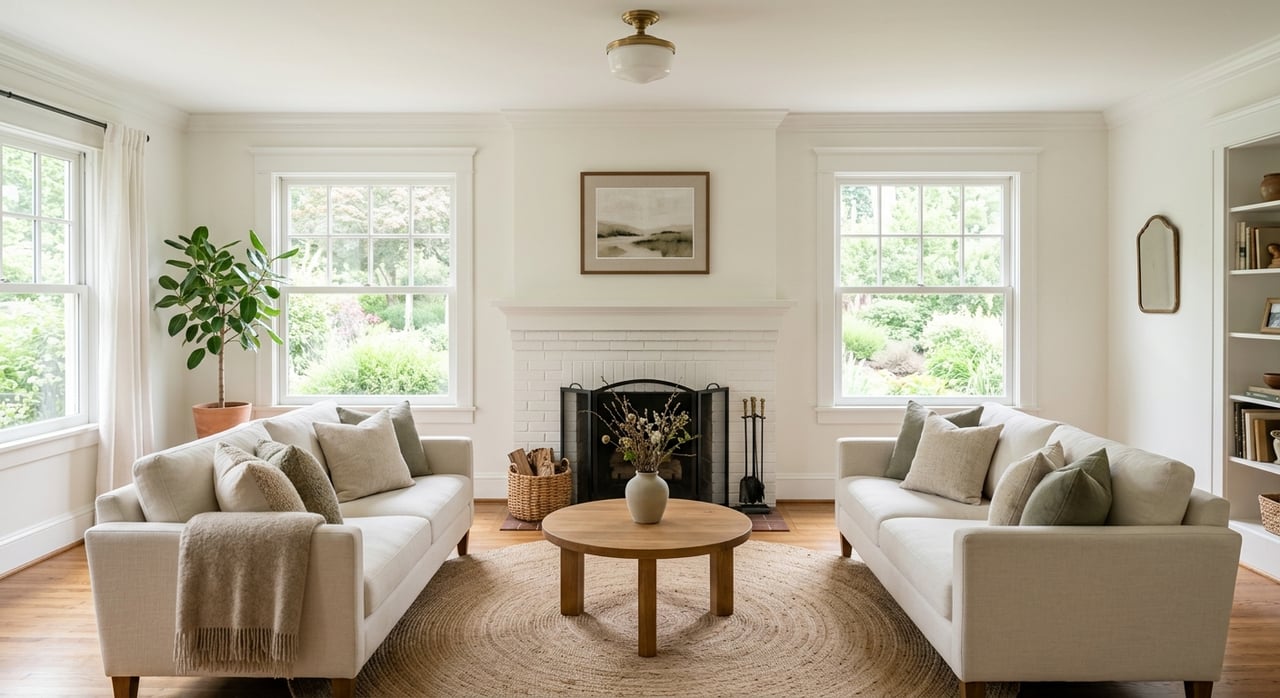
If you are deciding whether to renovate before selling your Newton home, a simple framework can help. Focus first on issues that affect safety, function, and buyer confidence. Then consider cosmetic updates that improve presentation without expanding the project scope.
A smart order of operations often looks like this:
- Fix health and safety concerns
- Repair obvious deferred maintenance
- Address permit or inspection issues early
- Make a few neutral cosmetic improvements
- Skip major personalized renovations unless they solve a clear marketability problem
This approach fits both the local housing stock and the realities of Newton’s permitting, historic review, lead, energy-code, and tax environment.
The best answer is usually property-specific
There is no one-size-fits-all answer because every Newton home enters the market with a different mix of condition, layout, buyer appeal, and timing. A dated kitchen in an otherwise polished home may call for a light refresh. A house with visible deferred maintenance may benefit more from repairs than from design upgrades.
That is why the best pre-sale renovation plan is usually the one tied to your actual home, your timeline, and the buyers most likely to respond to it. In many cases, thoughtful preparation and disciplined spending produce a better outcome than a large last-minute remodel.
If you want a clear, numbers-driven plan for your home, Anne Kennedy / Homes can help you evaluate which updates are worth doing, what to skip, and how to position your property for a strong sale.
FAQs
Should you renovate before selling a Newton home?
- Usually, you should focus first on health and safety issues, deferred maintenance, and a few neutral cosmetic updates rather than a major custom renovation.
Is a full kitchen remodel worth it before selling in Newton?
- Usually not, unless the kitchen has a major functional problem. A modest refresh is often easier to justify than a full rebuild.
Do Newton sellers need permits for renovation work before listing?
- Many types of construction, alteration, repair, and demolition work require permits in Newton, and final inspections are required.
Can exterior renovations in Newton need historic review?
- Yes. Homes in certain local historic districts need review for exterior changes, and some older properties outside those districts may also need Historical Commission review.
Can a major renovation affect property taxes in Newton?
- Yes. Newton assessors say renovations and improvements can increase tax liability, and a supplemental tax bill may apply when construction increases building value by more than 50% and an occupancy permit is issued.
What should sellers of older Newton homes know about lead rules?
- For many pre-1978 homes, lead disclosure and notification rules apply at sale, and paid renovation work that disturbs enough painted surface must be done by a lead-safe renovation contractor under Massachusetts rules.
Is an energy assessment useful before selling a Newton home?
- It can be. Mass Save offers no-cost home energy assessments and incentives that may help you decide whether comfort or efficiency issues are worth addressing before listing.