Thinking about buying a two-family in Newton? You are not just comparing one home to another. You are weighing layout, legal use, renovation history, future flexibility, and carrying costs in a market where inventory can be tight and pricing can vary widely. If you want to buy smart, it helps to know what experienced buyers look at before they make an offer. Let’s dive in.
Why Newton two-families stand out
In Newton, two-families occupy a very specific place in the market. The city’s housing strategy notes that detached single-family homes make up most of the housing stock, while duplexes and triplexes add ownership diversity but do not automatically solve affordability.
That context matters when you start comparing options. A two-family in Newton is often less about chasing a bargain and more about gaining flexibility. For many buyers, that can mean living in one unit and renting the other, holding both units as rentals, or preserving the option to use the property differently later.
The assessor’s office has also noted that similarly sized single-family homes have generally sold for more than two-families in the same neighborhood. At the same time, the price gap has narrowed as two-family prices have risen faster over the last five calendar years.
What the numbers suggest
Newton’s FY2026 median assessed value is $1,213,950 for two-family homes, compared with $1,503,500 for single-family homes. At the FY2026 residential tax rate of $9.69 per $1,000, a median two-family implies roughly $11,900 per year in property tax, or about $990 per month before exemptions.
Current listing portals also show a wide range of asking prices. Recent market snapshots show thin inventory, with active multi-family listings in Newton spanning from about $999,000 to well above $2 million.
That broad spread tells you something important. Bedroom count alone will not tell you value. In Newton, pricing often reflects location, condition, layout, systems, parking, and whether the property offers clear owner-occupancy or rental flexibility.
Layout matters more than buyers expect
One of the biggest mistakes buyers make is treating every two-family as if it functions the same way. In Newton, that is rarely true.
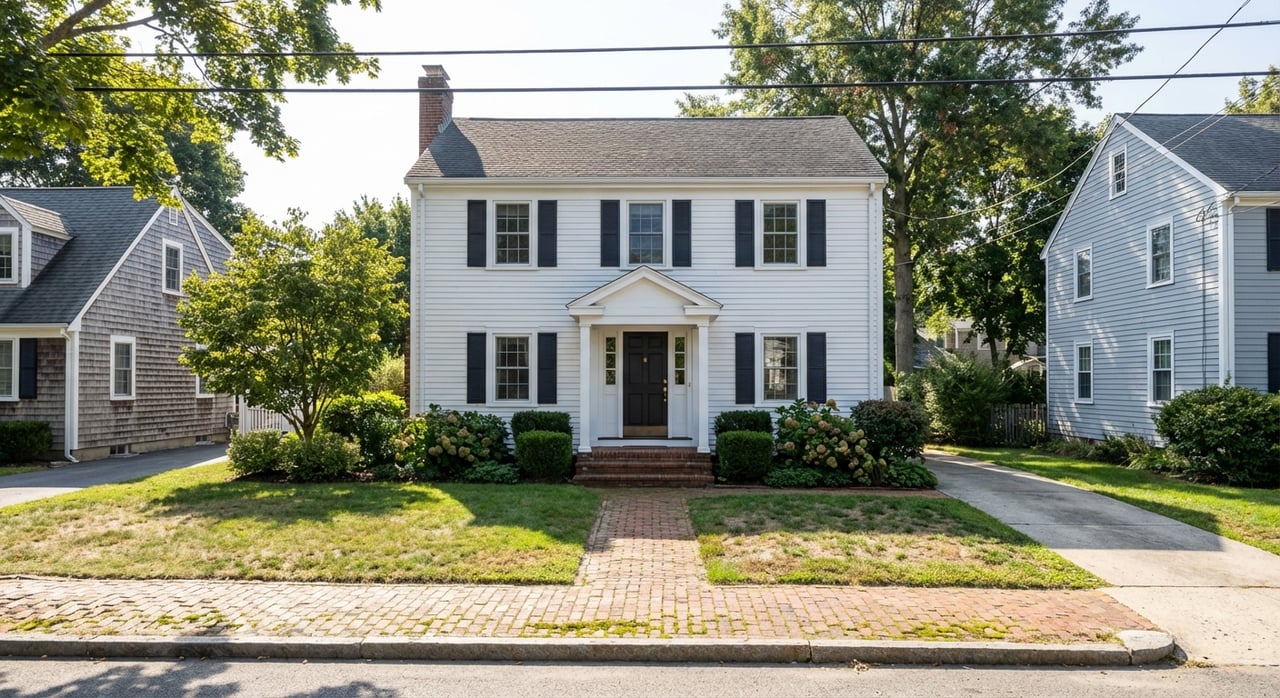
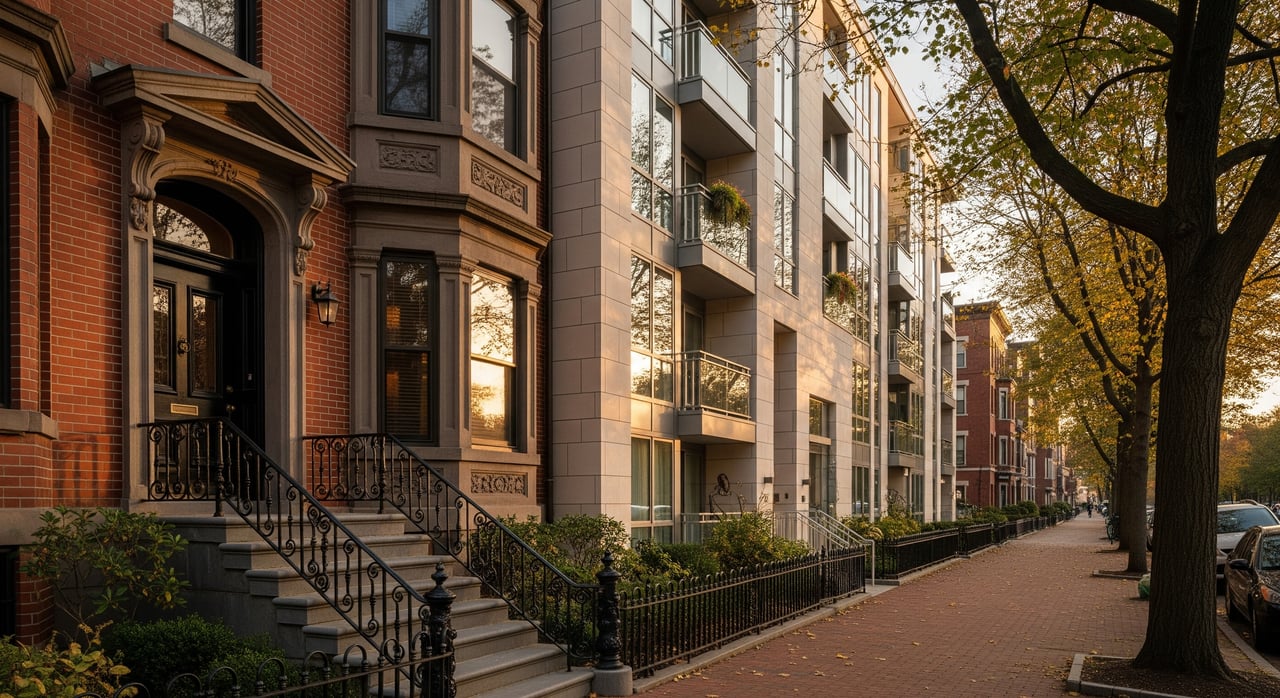
City sales records and current listings show a wide mix of building types, including Victorian, Colonial, Old Style, Duplex, and more conventional Two Family forms. Many date from the late 1800s through the 1970s and later, which means you are often comparing homes with very different renovation histories and floor plans.
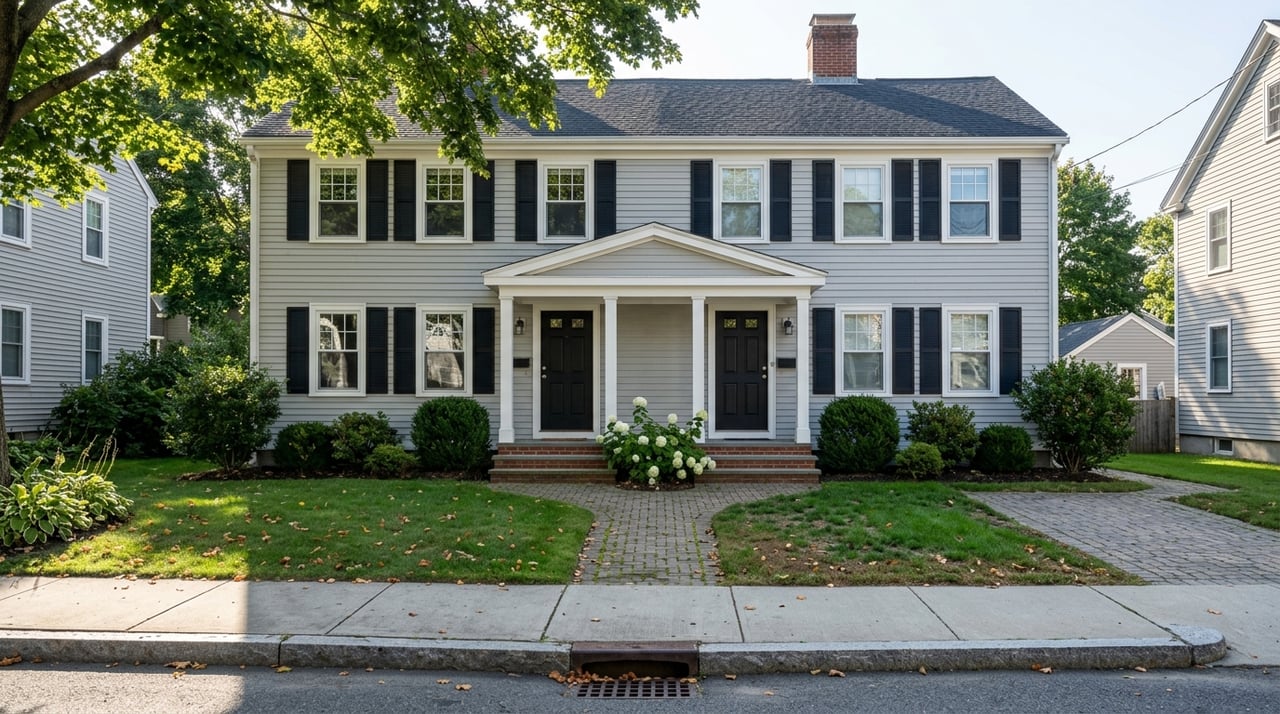
Some properties are side-by-side duplexes. Others are stacked units with one apartment on the first floor and another above. Some have townhouse-style configurations, while others are marketed as homes that could work as either a two-family or a single-family alternative.
When you tour, focus on how the property actually lives. Ask yourself:
- Do the units offer enough privacy?
- Is there practical parking for both households?
- Are laundry and storage clearly divided?
- Are the utilities separate?
- Would the layout still make sense if your plans change later?
A two-family that looks great on paper can feel much less functional in person. Savvy buyers pay close attention to circulation, noise transfer, entrances, basement access, and whether outdoor space feels shared or reasonably divided.
Older homes can mean more moving parts
Many Newton two-families are older wood-frame properties. That can bring character and flexibility, but it can also mean more systems to evaluate and more capital needs to plan for.
A two-family often has more complexity than a comparable single-family. You may be looking at two kitchens, multiple baths, separate heating systems, older electrical work, or exterior maintenance that has been handled unevenly over time.
That is why reserve planning matters. Before you buy, look closely at the age and condition of the roof, windows, boilers or heating systems, electrical service, plumbing, exterior siding, porches, and any finished basement areas.
If the home needs work, Newton does offer a Housing Rehabilitation Program for owner-occupied single- and two-family homes. The program includes listed benefits such as 0% deferred-payment loans and grant-funded hazard abatement or deleading, with eligible work including roofs, boilers, windows, electrical upgrades, weatherization, accessibility changes, and lead or asbestos remediation.
Legal use is not the same as marketing language
This is one of the most important points in Newton. You should verify what is legally existing rather than relying only on how a property is described in a listing.
A seller or listing may highlight flexibility, but your due diligence should go deeper. Confirm the legal unit count and review whether the current setup aligns with city records and the applicable zoning district.
Newton’s zoning rules still distinguish between single-residence and multi-residence districts. Under the current ordinance, detached two-family is allowed by right in MR1 through MR4 and is not allowed in SR1 through SR3.
That means you should not assume a single-family parcel can be turned into a two-family simply because the lot seems large enough. Newton is compliant with the MBTA Communities law, but that does not erase the need to confirm the current zoning path for the specific property.
What to know about VCOD and conversions
Some buyers are drawn to village-center locations because they see future potential. Newton’s Village Center Overlay District, or VCOD, is designed for village centers and transit-rich areas, and its MRT zone is intended to help preserve existing homes through conversion to multiple units and small-scale multifamily buildings.
But there is an important catch. A site must opt into the overlay before those standards apply. Until that happens, the underlying zoning remains in control.
In practical terms, that means future conversion potential may be real, but it should never be assumed. If your plan depends on adding units, changing use, or major reconfiguration, make sure you understand which zoning district applies and what permit path would be required.
ADUs can add another layer of flexibility
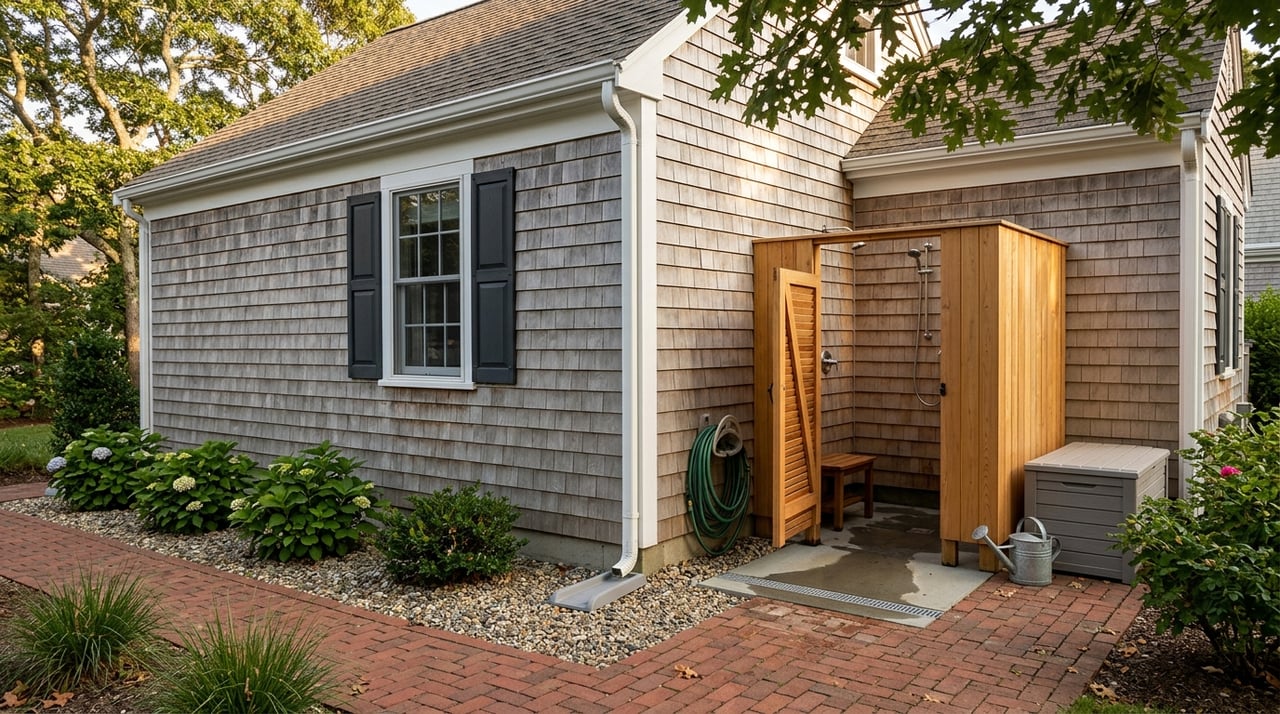
For some buyers, the more realistic path is not a major conversion but an accessory dwelling unit. Newton allows one ADU on any single- or two-family home regardless of zoning district.
The ADU can be internal or detached, cannot be sold separately, and cannot be used as a short-term rental. If an older carriage house or historically sensitive structure is involved, historic review may also matter.
This can be useful if you are thinking long term. An ADU may create added flexibility for guests, extended household needs, or other future uses allowed by local rules, but it is still important to confirm feasibility property by property.
Renovation can change your carrying costs
If you are buying a value-add property, renovation budgeting should include more than construction cost. In Newton, improvements can increase assessed value, and supplemental tax bills can follow construction that increases building value by more than 50%.
That does not mean you should avoid renovation. It means you should underwrite the full picture, including possible tax changes, not just the upfront contractor estimate.
This is where a technical lens can make a difference. Buyers who understand both renovation scope and future carrying costs are often better positioned to decide whether a fixer-upper truly offers value.
How savvy buyers frame the decision
In Newton, the appeal of a two-family often comes down to optionality. The assessor’s office has explicitly noted that two-family properties have become more popular because rental income can help offset the mortgage.
Still, the best purchase is not always the one with the highest projected rent. It is often the property that gives you the clearest mix of legal certainty, livable layout, manageable condition, and future resale appeal.
As you compare options, it helps to think in terms of use cases:
- Live in one unit, rent one unit if you want monthly offset and owner-occupancy
- Full rental hold if the layout and systems support smoother property operations
- Future single-family use if the building could make sense as one larger home later
- ADU-enhanced flexibility if the lot and building support a compliant accessory unit
The smartest buyers test each property against the plan they have now and the plan they might have five years from now.
Questions to ask before you offer
If you are serious about a Newton two-family, these are the questions worth answering early:
- Is the unit count legal and documented?
- Are gas, electric, and heating systems separately metered or shared?
- How much privacy does each unit really have?
- Does the parking setup work for two households?
- What repairs or capital projects are likely in the near term?
- If you want to renovate, what work might affect the assessment?
- If you want to add an ADU or convert space, what zoning district and permit path apply?
- Would the property still be attractive at resale if your original plan changes?
These questions may sound simple, but they can save you from expensive assumptions.
The bottom line on buying a Newton two-family
A two-family in Newton can be a smart purchase, but it rewards careful analysis. This is a market where layout, legal use, condition, and flexibility often matter more than headline square footage or bedroom count.
If you approach the search with a clear plan and strong due diligence, you can spot the difference between a property that merely looks versatile and one that truly supports your goals. In a city with older housing stock, varied zoning, and a broad range of price points, that is often what separates a confident buy from a costly compromise.
If you want a thoughtful second opinion on a Newton two-family, from layout and renovation risk to resale flexibility, Anne Kennedy / Homes can help you evaluate the details with clarity.
FAQs
What should buyers check before buying a two-family in Newton?
- Buyers should verify the legal unit count, zoning district, separate utilities, parking, layout privacy, renovation history, and likely near-term repair needs.
How much are property taxes on a Newton two-family?
- Based on Newton’s FY2026 median assessed value for a two-family of $1,213,950 and the residential tax rate of $9.69 per $1,000, the annual property tax is about $11,900, or roughly $990 per month before exemptions.
Can you convert a single-family home into a two-family in Newton?
- Not automatically. Whether a property can be converted depends on the applicable zoning district and permit path, and buyers should not assume a parcel can become a two-family just because it has extra space.
Are ADUs allowed on two-family homes in Newton?
- Yes. Newton allows one accessory dwelling unit on any single- or two-family home regardless of zoning district, subject to the city’s ADU rules.
Why do buyers choose two-family homes in Newton?
- Many buyers value the flexibility to live in one unit and rent the other, hold the property for rental income, or preserve future options for reconfiguration or single-family use.
Do renovations on a Newton two-family affect taxes?
- They can. Newton notes that improvements may increase assessed value, and supplemental tax bills can follow construction that increases building value by more than 50%.