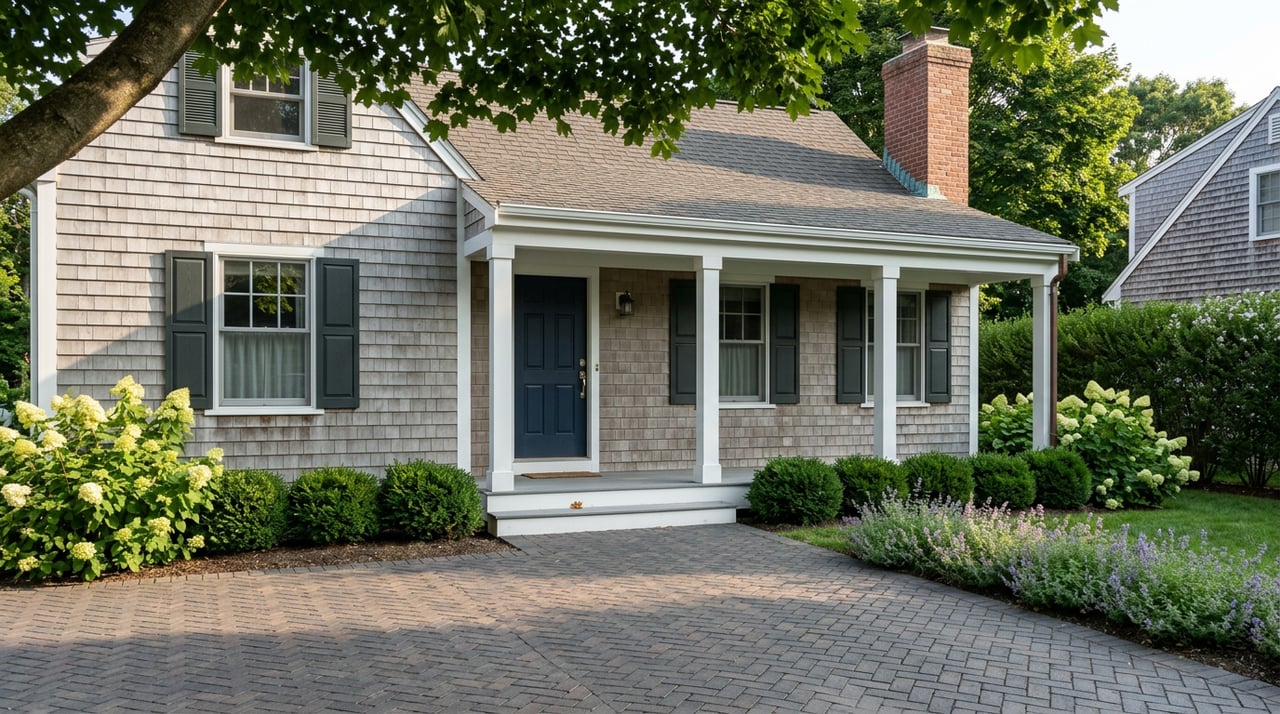
If you picture a Cape Cod vacation home as a simple summer escape, you are only seeing part of the story. Owning one can be deeply rewarding, but it also comes with a very specific rhythm shaped by seasonality, coastal upkeep, and, for some owners, rental rules. If you are thinking about buying in places like West Yarmouth, Falmouth, or nearby Cape areas, it helps to know what daily life and ownership actually look like before you commit. Let’s dive in.
Cape ownership is highly seasonal
A Cape Cod vacation home usually does not function like your primary residence. According to a Cape-wide survey from the Cape Cod Commission and UMass Donahue Institute, about 41% of Cape Cod homes were seasonal, which shows just how common part-time ownership is across the region.
That same survey found most second homes were single-family properties, and 70% were within one mile of the coast. In other words, many buyers are choosing the classic Cape experience: a detached home near the water that serves as a retreat first and a full-time house second.
For many owners, the home sees heavy use in summer and much lighter use in winter. Owners and their families averaged about 20 days in August, but only about 3 days per month during the winter months. That seasonal swing shapes nearly every part of ownership, from utilities and maintenance to furnishing and security planning.
Summer is the center of the calendar
If you own a vacation home on the Cape, summer becomes your operational center. Occupancy typically rises from about one person in winter to four or five people in July and August, which means the home may feel quiet for much of the year and suddenly become very active in peak season.
That shift affects more than your schedule. It also affects wear and tear, cleaning needs, parking logistics, outdoor maintenance, and how you prepare the property for guests or extended family. A house that works well for one or two people in February may need a very different setup for a full August week.
This is one reason Cape homes often require thoughtful planning instead of casual ownership. You are not just buying a place to visit. You are managing a property that changes character with the seasons.
Most owners use the home themselves
Many buyers assume a Cape vacation home is mainly a rental investment, but that is not the norm. The Cape-wide survey found that most owners used the property primarily for themselves, and only 29% had rented it in the prior five years.
When owners do rent, the most common pattern is weekly, in-season use. That means some people offset costs during high-demand periods, but many are not operating full-time rental businesses. In practice, a Cape vacation home is often a hybrid asset: part getaway, part financial commitment, and sometimes part rental opportunity.
That distinction matters when you run the numbers. If your plan depends heavily on rental income, you need to evaluate that carefully rather than assume the home will pay for itself. Many owners choose the property first for lifestyle, then decide whether limited rentals make sense.
Remote ownership is part of the job
Because so few second homes have year-round residents, long-distance management is common. The same survey found that only 9% of second homes had a year-round resident, which helps explain why many owners need systems for check-ins, seasonal opening and closing, and vendor coordination.
In real life, that means you may need reliable help even if you are very hands-on. Owners commonly rely on Cape-based construction services, trade and repair services, and landscape or yard services. Some also use snow plowing and private trash collection, depending on the property and how often they visit in colder months.
This is where local guidance can make a real difference. If you are buying from Greater Boston or farther away, you need to think beyond the purchase itself and plan for how the home will function when you are not there.
Coastal maintenance is real
Cape Cod ownership comes with a maintenance profile that is different from many inland suburban homes. Barnstable County notes that much of Cape Cod is in flood zones and that hurricanes, storm surge, and flash floods occur on the Cape.
That does not mean every property carries the same risk, but it does mean you should approach due diligence carefully. Barnstable County’s coastal guidance recommends elevating utilities, improving drainage, and buying flood insurance. It also notes that work in a floodplain needs permits, which can affect how you budget for updates or protective improvements.
For buyers, this is where technical review matters. A beautiful coastal home may still need practical upgrades, especially if you want to reduce future risk and avoid surprises after closing.
Septic and wastewater should stay on your radar
Waterfront and near-water living often comes with extra infrastructure questions. Cape Cod Commission wastewater guidance says the region depends heavily on septic systems, which can protect health but do little to remove nitrogen.
For owners, that makes wastewater more than a background issue. It can affect maintenance planning, property use, and how you think about future improvements. If you are comparing homes, it is wise to understand the property’s setup early so you can make a more informed decision.
This is especially important with a second home because maintenance issues can be easier to miss when you are not on site full time. A clear picture of systems and likely upkeep is part of buying well.
Renting adds another layer of work
If you plan to rent your Cape home, even occasionally, ownership becomes more operational. Massachusetts treats short-term rentals as stays of 31 days or less, and the room occupancy excise applies.
The state also requires operators and intermediaries to register with the Department of Revenue on MassTaxConnect, even if no tax is owed. In addition, Mass.gov says short-term rentals are subject to specific insurance requirements, including a $1 million liability standard unless equivalent coverage is supplied through the hosting platform.
This is manageable, but it is not casual. Once you cross into rental use, you are dealing with taxes, insurance, local rules, and health and safety expectations alongside the ordinary demands of ownership.
Local rules vary by town
One of the most important realities of Cape ownership is that town-level process matters. Even within the same region, two towns can handle rentals differently.
Yarmouth provides a clear example. The town says all rentals must be registered yearly with the Health Department, the fee is $80 per calendar year, and failure to register can lead to fines up to $300 a day. Occupancy limits are tied to septic design and bedroom size, and the town notes inspections and common health and safety checks such as smoke and carbon monoxide detectors, egress, utilities, and trash and recycling arrangements.
Falmouth uses a different framework. The Health Department handles rental permits through PermitEyes and enforces the state sanitary code, while the Planning Board created a Short-Term Rental Working Group in 2024 to review rules and consider a formal registration process. Falmouth’s short-term-rental tax page says the current breakdown is 5.7% to the state, 6% to the town, 2.75% to the Cape Cod Water Quality Fund, and a 3% community impact fee for professionally managed units.
The takeaway is simple: if rental income is part of your plan, you need to evaluate the rules in the exact town where you want to buy.
Shoulder seasons can change the equation
Not every Cape town functions the same way outside of peak summer. The survey found that Mid Cape and Upper Cape areas, including towns like Yarmouth and Falmouth, had more rental usage in spring, fall, and winter than Lower and Outer Cape towns.
That makes these areas useful examples for buyers who want more than an eight-week summer story. You may find a pattern that supports shoulder-season use, occasional rental income, and more active property management through more of the year.
This does not guarantee income or fit for every property, but it does suggest that some locations support a more flexible ownership model. If you want a home that feels useful beyond July and August, town selection becomes a major strategic decision.
What surprises buyers most
For many buyers, the biggest surprise is that a Cape vacation home is not just about buying the right view or beach access. The real experience also includes planning for weather exposure, off-season monitoring, wastewater systems, and local compliance if you rent.
Massachusetts also created a Seasonal Communities designation in 2024 for places with substantial seasonal variation in housing demand and visitor populations. That reinforces what many owners already know: Cape Cod operates in a distinct market context, not a typical suburban one.
The good news is that this complexity can be navigated well with the right expectations. If you understand the ownership rhythm from the start, you can buy with more confidence and choose a property that actually fits how you plan to use it.
If you are weighing a Cape purchase from Greater Boston, it helps to look at the home through both a lifestyle lens and an operational one. That means thinking about enjoyment, seasonal patterns, maintenance exposure, and any renovation or carrying-cost implications before you make an offer.
A Cape Cod vacation home can absolutely be a meaningful long-term asset and a place your family returns to for years. The key is going in with a realistic plan, clear numbers, and local guidance that matches the property and the town.
If you are considering a seasonal home in West Yarmouth, Falmouth, or nearby Cape areas, Anne Kennedy / Homes can help you evaluate the ownership realities, renovation questions, and market fit so you can move forward with clarity.
FAQs
How often do owners typically use a Cape Cod vacation home?
- Owners and their families averaged about 20 days in August and about 3 days per month in the winter months, according to the Cape Cod Commission and UMass Donahue Institute survey.
Do most Cape Cod vacation-home owners rent their property?
- No. The survey found that only 29% of second-home owners had rented the property in the prior five years, and the most common rental pattern was weekly in-season use.
What maintenance issues matter most for a Cape Cod vacation home?
- Coastal owners should pay close attention to flood exposure, storm planning, drainage, utility elevation, and septic or wastewater considerations.
What counts as a short-term rental in Massachusetts?
- Massachusetts treats short-term rentals as stays of 31 days or less.
What should buyers know about renting a vacation home in Yarmouth, MA?
- Yarmouth requires yearly rental registration through the Health Department, charges an $80 annual fee, and can issue fines up to $300 a day for failure to register.
What should buyers know about renting a vacation home in Falmouth, MA?
- Falmouth handles rental permits through its Health Department, enforces the state sanitary code, and applies local and state short-term-rental taxes, with an added community impact fee for professionally managed units.