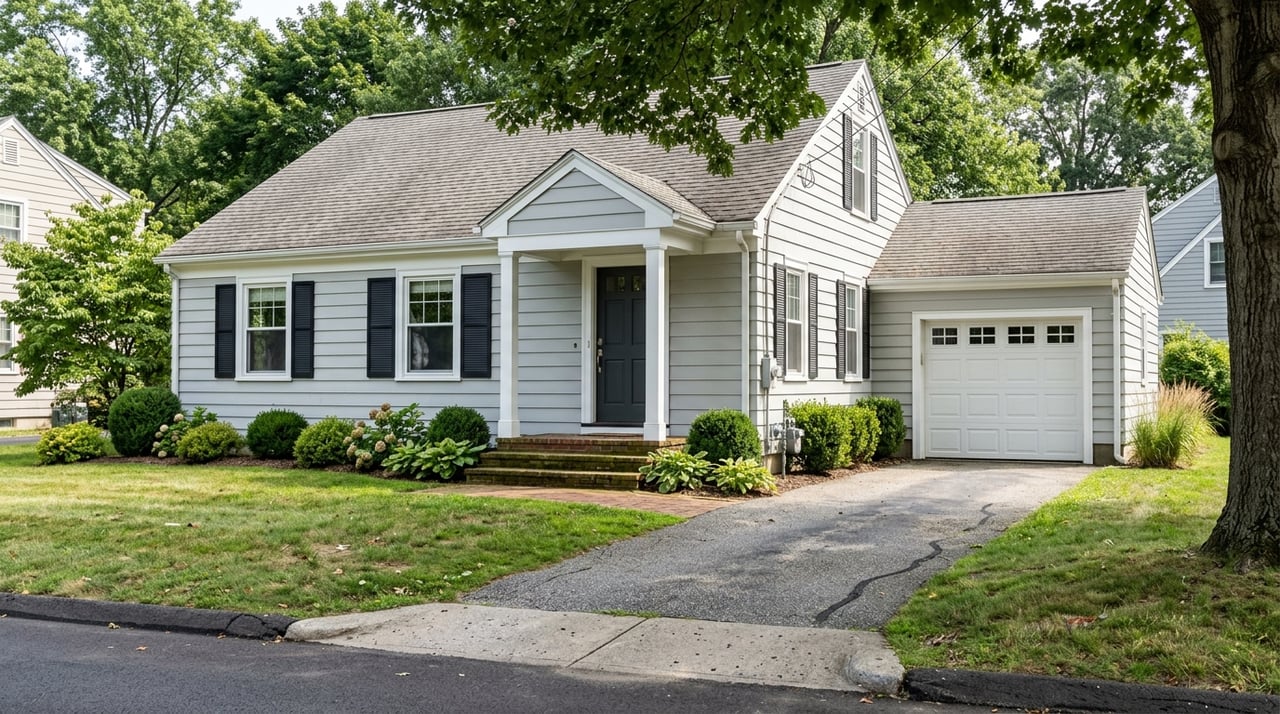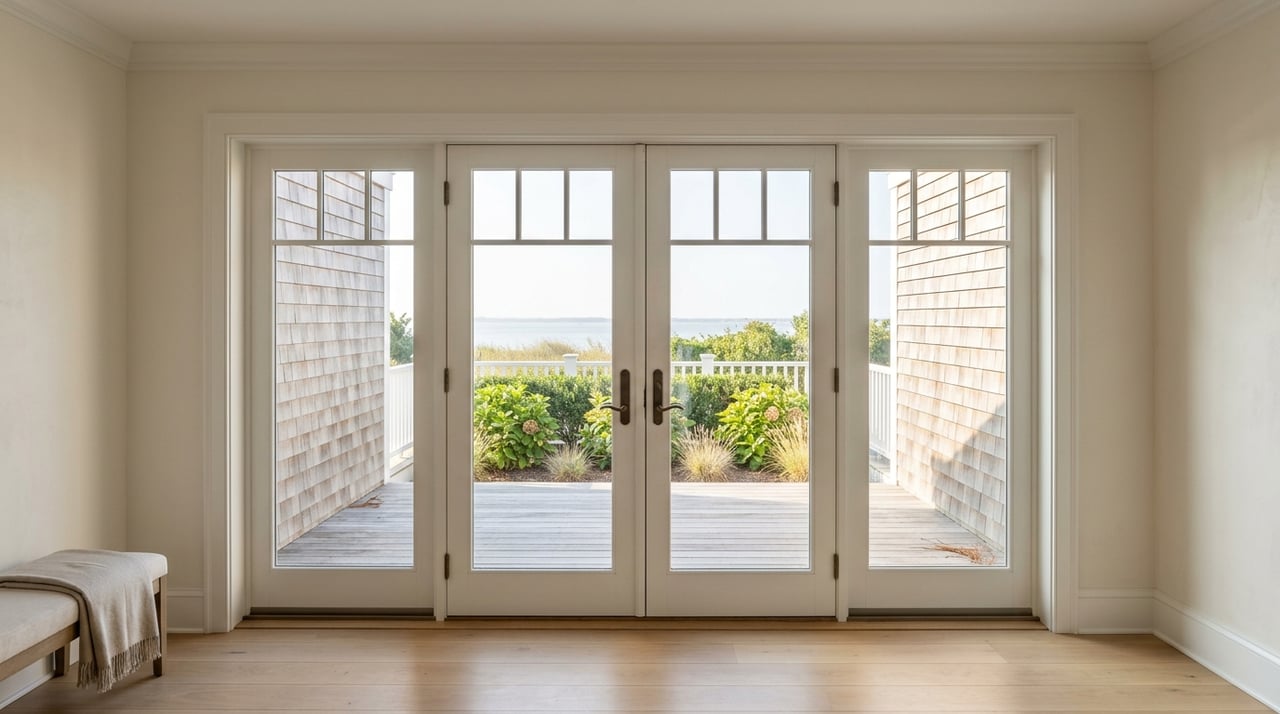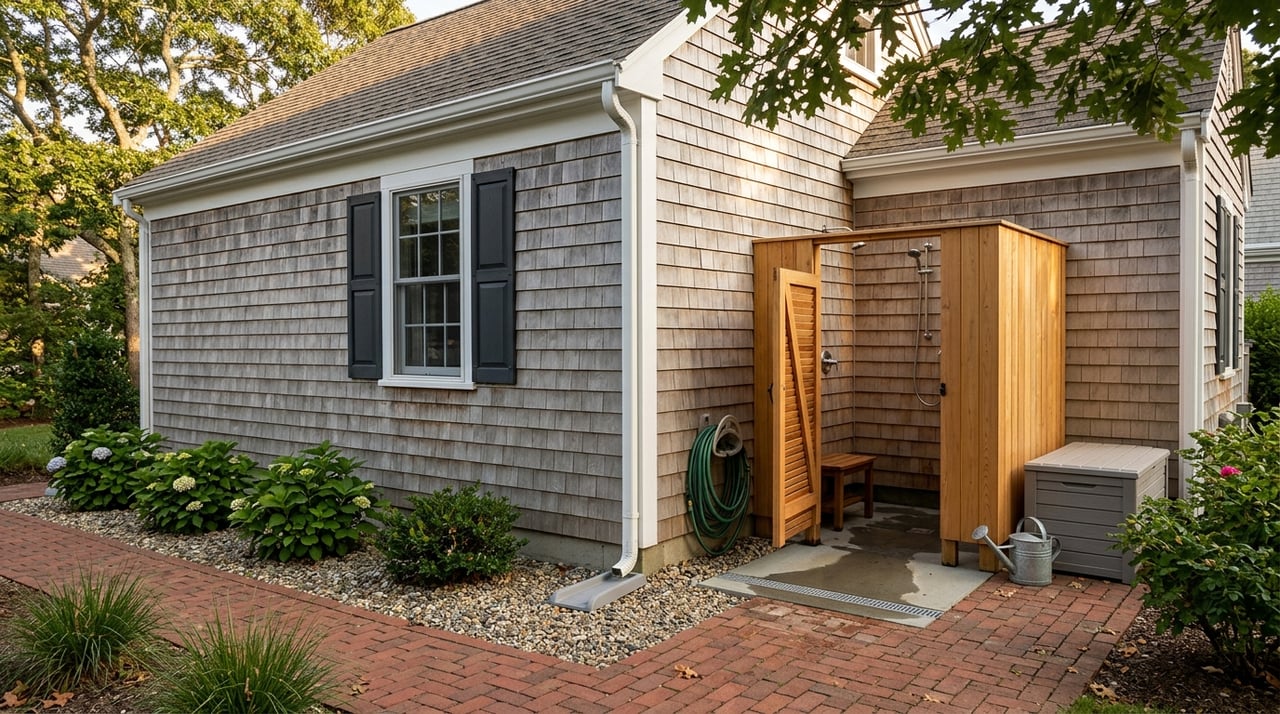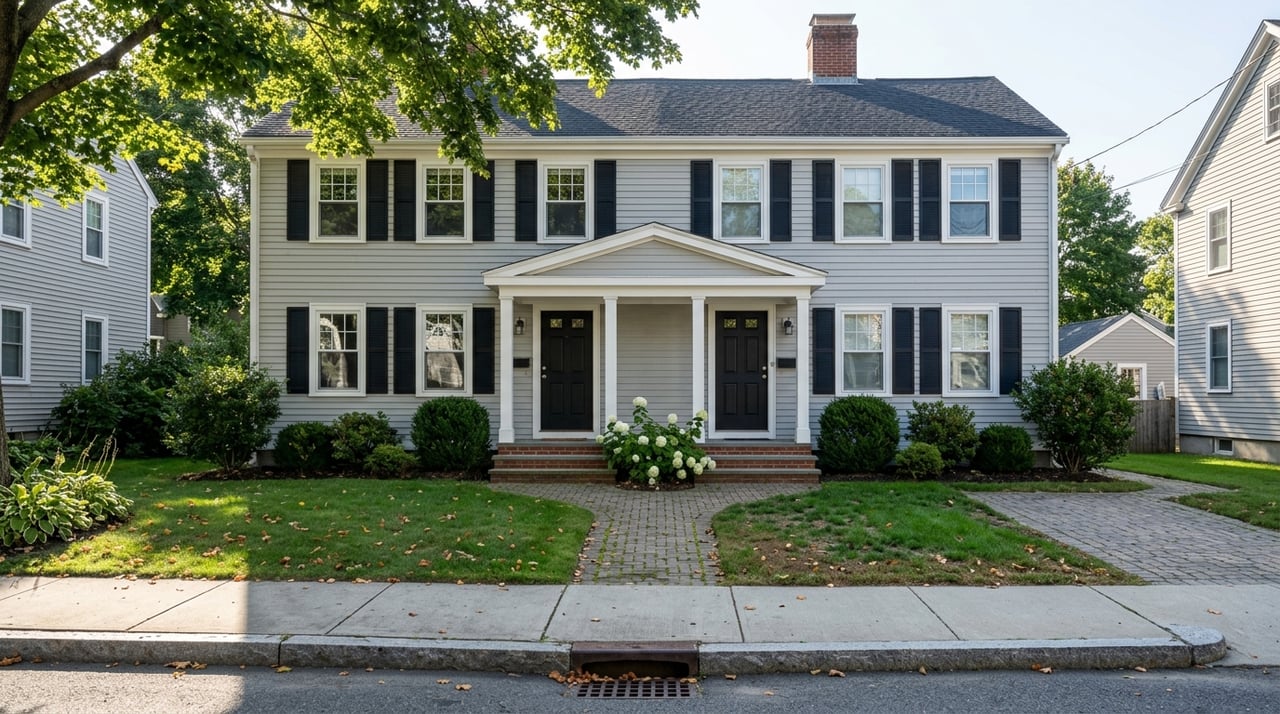
Selling a waterfront home on Cape Cod can feel simple from the outside. The view sells itself, right? In reality, buyers often look just as closely at flood exposure, shoreline paperwork, septic timing, and launch presentation as they do at the water. If you are planning to sell a waterfront home in West Yarmouth or Falmouth, a smart prep plan can help you protect value, avoid delays, and make a stronger first impression. Let’s dive in.
Why timing matters on Cape Cod
Barnstable County remains a supply-constrained market, but it is more measured than the peak frenzy years. In Q1 2026, the median single-family sale price reached $760,000, and in April 2026 the median single-family sale price was $830,000.
That does not mean every home moves at the same pace. According to the Cape Cod & Islands Association of REALTORS®, listings priced at $1 million and above averaged 77 median days on market in Q1 2026, compared with 34.4 days for listings below $1 million. For many waterfront sellers, that is an important reminder that pricing, preparation, and positioning still matter.
If you want to target a spring launch, the prep window often starts much earlier. With Realtor.com identifying April 12 through 18, 2026 as the national best week to list, winter or early spring can be a practical time to finish repairs, gather documents, and prepare media.
Start with waterfront due diligence
Waterfront homes often need more pre-listing review than inland properties. Before you think about photos or pricing, it helps to confirm the details that buyers and their attorneys are likely to ask about.
This step is especially important in West Yarmouth and Falmouth, where wetlands rules, shoreline structures, and flood-zone questions can affect both marketing and closing timelines. A smooth sale usually starts with clean information.
Check flood exposure early
Massachusetts identifies Special Flood Hazard Areas as places subject to the 1% annual chance flood. If your home is in one of these areas and you have a mortgage, lenders usually require flood insurance.
The state also provides a Sea Level Rise and Coastal Flooding Viewer with 2030, 2050, and 2070 scenarios. For waterfront sellers, this is useful early in the process because buyers may ask about current flood exposure as well as future coastal risk.
Review wetlands and conservation issues
In Falmouth, the Conservation Commission regulates work within 100 feet of resource areas. Town materials also note that most floating docks need Conservation Commission and Massachusetts Department of Environmental Protection approval.
In Yarmouth, work in wetlands, within 100 feet of wetlands, within 200 feet of a river or perennial stream, or in a flood zone likely requires conservation approval. Yarmouth also notes that open Orders of Conditions recorded against the deed can affect closing, so it is wise to review those items before going live.
Verify docks, seawalls, and moorings
If your property includes shoreline features, confirm the paperwork before you market them as part of the sale. Yarmouth advises Realtors to verify valid permits and licenses for docks, revetments, and seawalls.
In Falmouth, moorings do not convey with a property. Yarmouth also has some no-dock and no-mooring zones. These details matter because buyers may assume water access features transfer automatically when they do not.
Don’t leave septic and documents for later
One of the most common seller mistakes is waiting too long to handle property documentation. On waterfront homes, that delay can be costly because buyers often expect answers quickly.
A few early tasks can make the whole sale more orderly and less stressful.
Plan for Title 5 timing
If your home uses septic, Title 5 generally requires inspection at or within two years before title transfer. If weather prevents the inspection before sale, MassDEP allows it to be completed up to six months after the sale with written notice to the buyer.
That said, do not treat septic as a last-minute item. Yarmouth’s FAQ says septic design and review can take 2 to 3 months, so any repair or compliance issue can affect your listing timeline.
Handle lead paint paperwork early
If the home was built before 1978, Massachusetts requires Property Transfer Lead Paint Notification. This is not something to leave until an offer is accepted.
Getting this paperwork organized before photo day and before showings begin can help reduce friction once buyers start asking questions.
Gather plans and permit history
Waterfront buyers often want to understand improvements, shoreline work, and lot details. Plot plans, permit records, and related documents can support that conversation.
In Falmouth, the town says the engineering office does not keep plot plans, and they may instead be found in closing papers or with the mortgage company. That makes early document gathering especially important.
Focus on improvements buyers notice first
Not every pre-listing project needs to be large or expensive. The goal is to improve how buyers experience the home online and in person.
National staging research supports this approach. NAR’s 2025 staging report found that 83% of buyers’ agents said staging made it easier for buyers to picture the home as a future residence.
Prioritize visible fixes and decluttering
If full staging is not practical, start with decluttering and visible repairs. In the same NAR report, 51% of sellers’ agents said they did not stage homes but instead advised sellers to declutter or repair issues before listing.
For a waterfront home, simple improvements can go a long way. Clean sightlines, fresh exterior areas, and a tidy waterfront edge can help buyers focus on the setting instead of distractions.
Stage the rooms that matter most
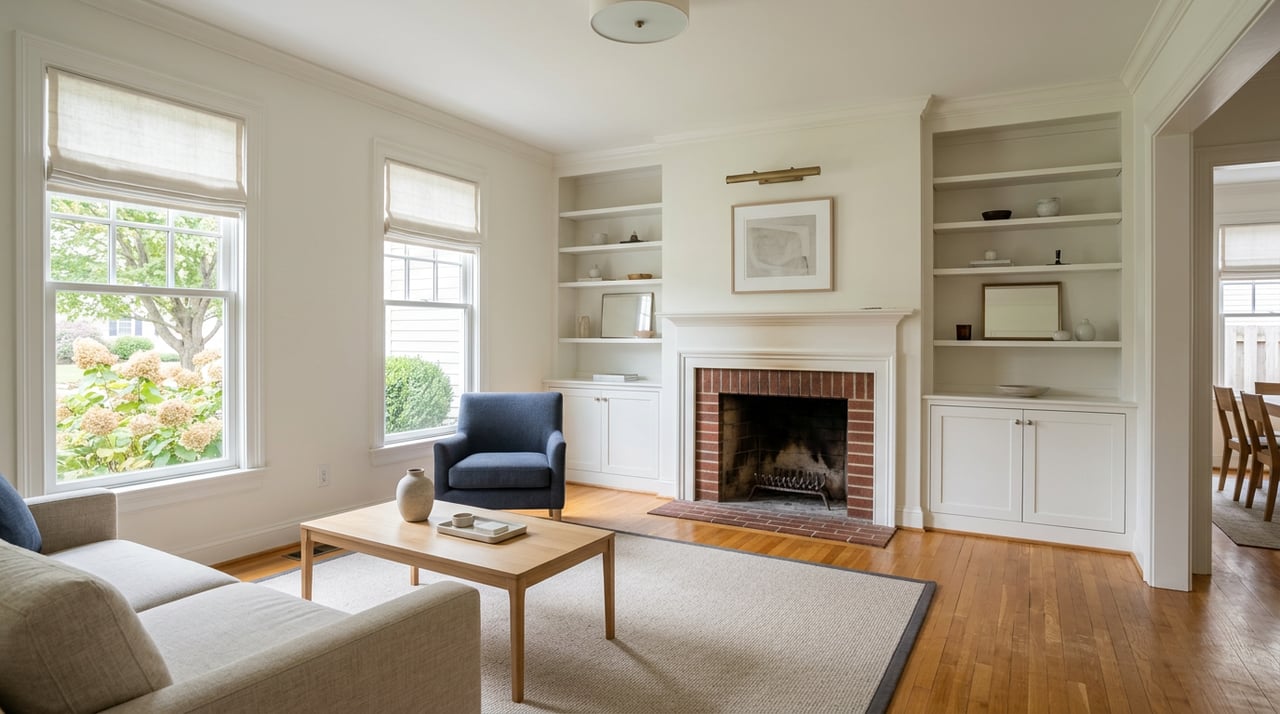
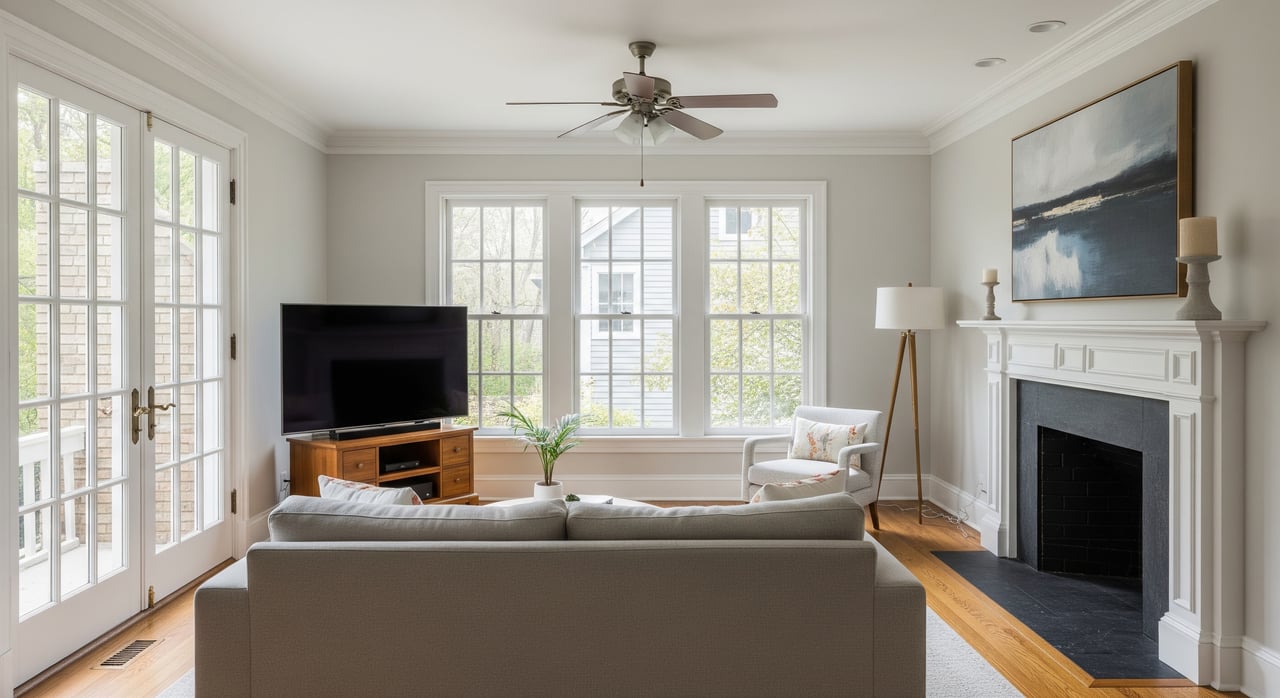
Buyers’ agents ranked the living room, primary bedroom, kitchen, and yard or outside space as the most important areas to stage. That order is useful when you are deciding where to spend time and money.
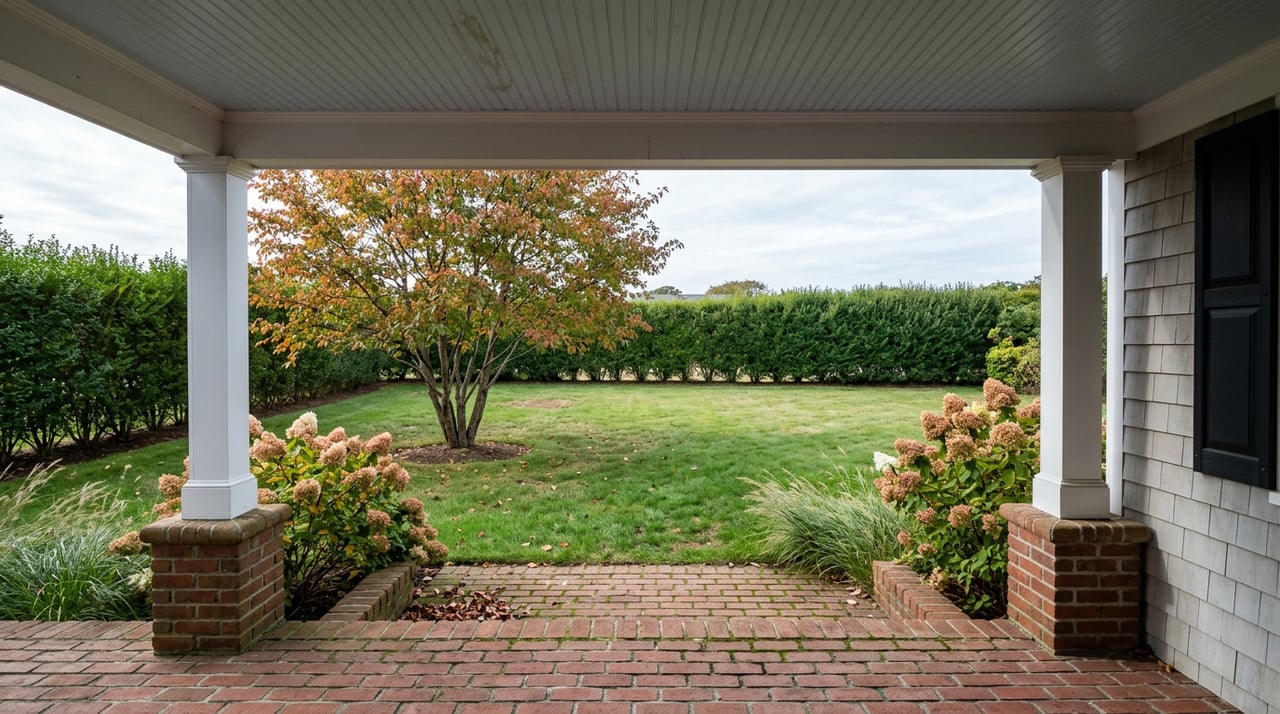
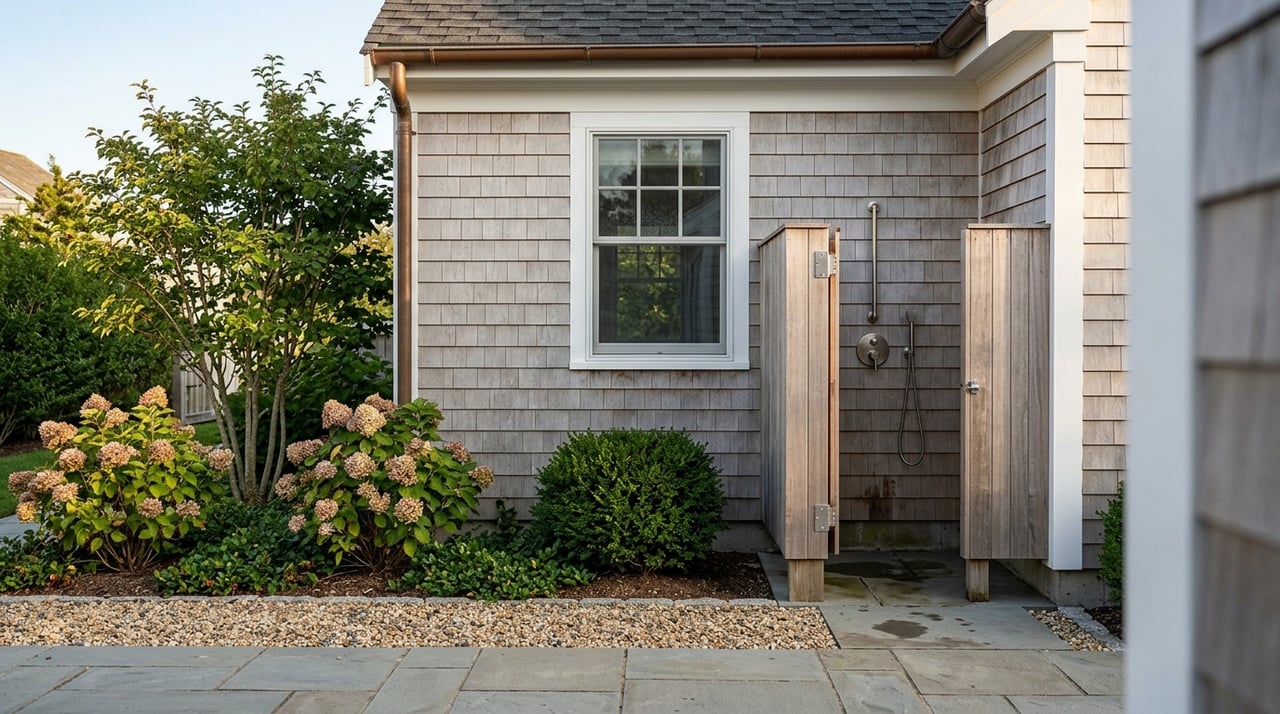
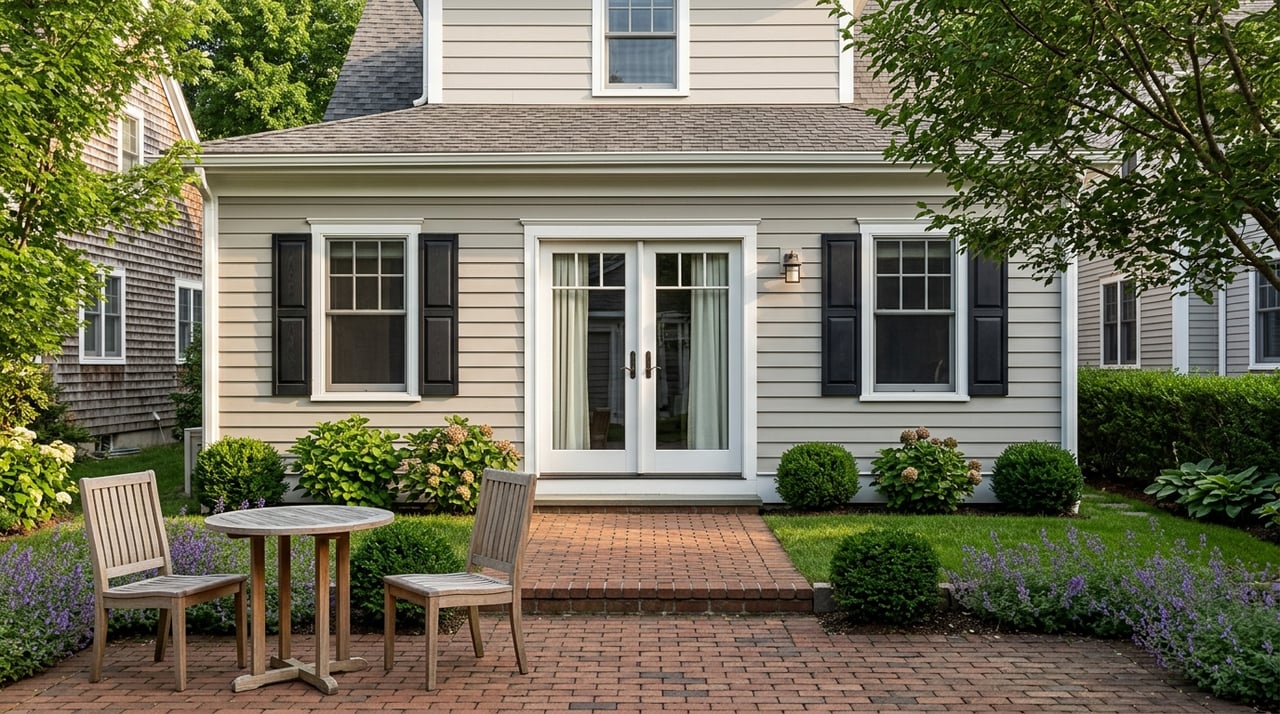
On Cape Cod, outside space carries extra weight for waterfront and near-water homes. Decks, patios, lawn areas, and water-facing sitting spaces often shape the emotional first impression.
Treat launch as a coordinated event
A waterfront home should not just be listed. It should be launched.
NAR notes that visibility starts at launch, not weeks later, and that the first few days online carry extra weight. Early views, saves, and shares can influence traction, which means the home should be fully ready before it hits the market.
Invest in strong visuals
NAR’s research shows that 81% of buyers found listing photos to be the most useful online feature, and 52% found the home they purchased online. Buyers’ agents also rated photos, videos, and virtual tours as highly important.
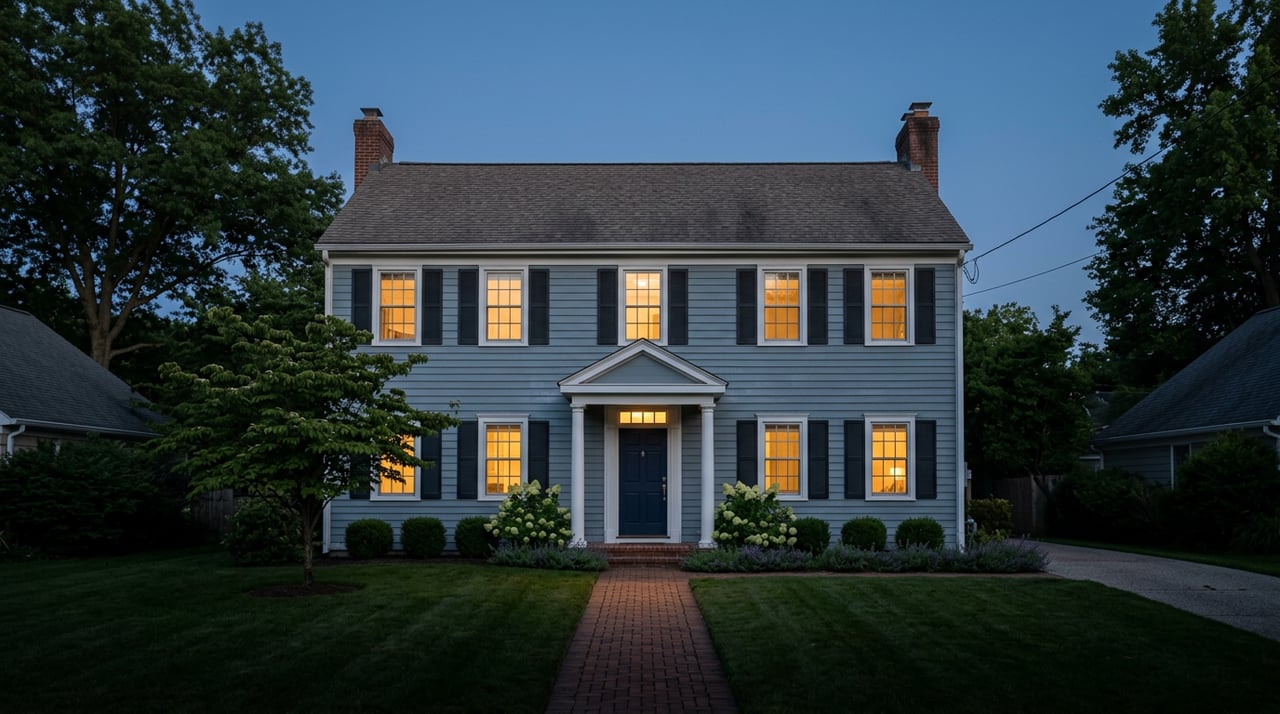
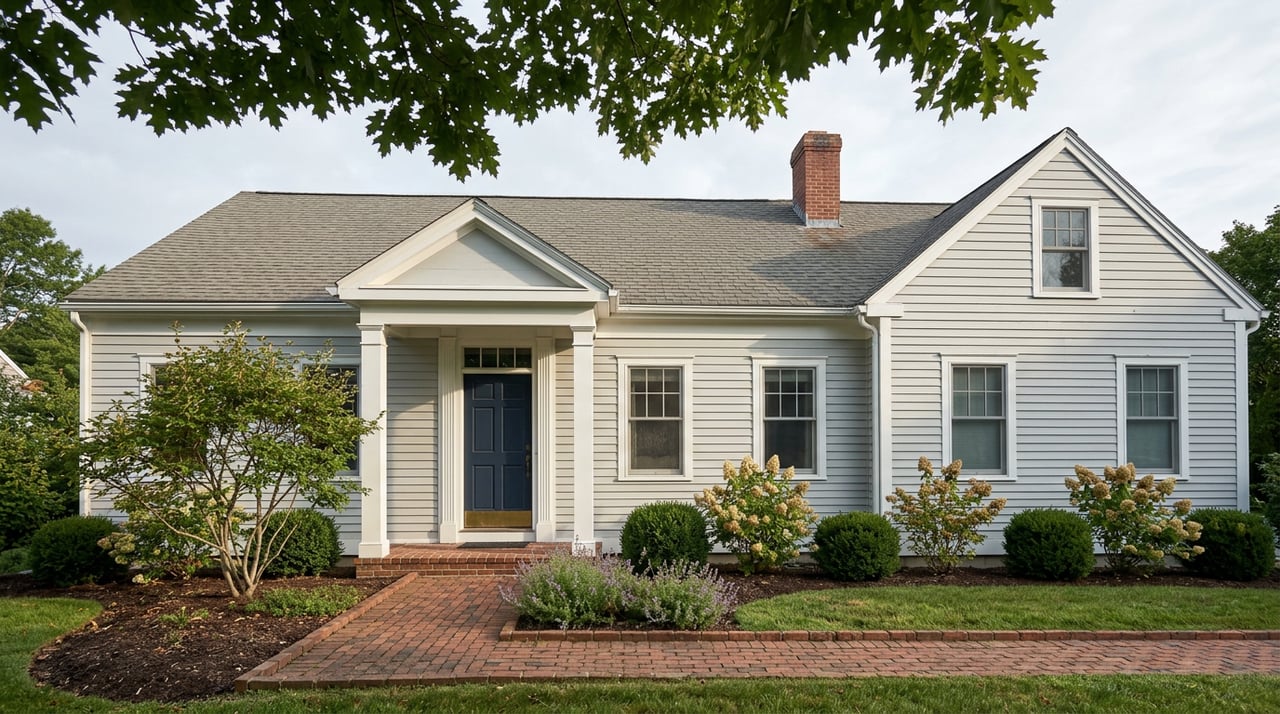
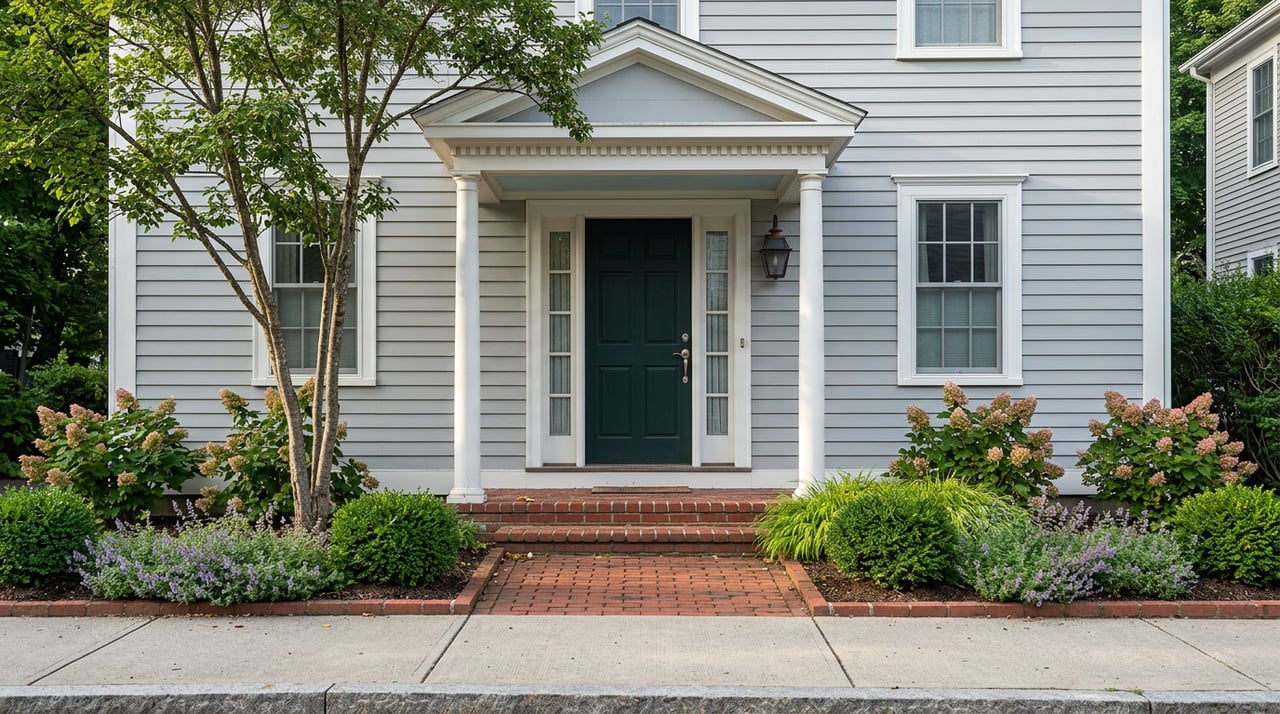
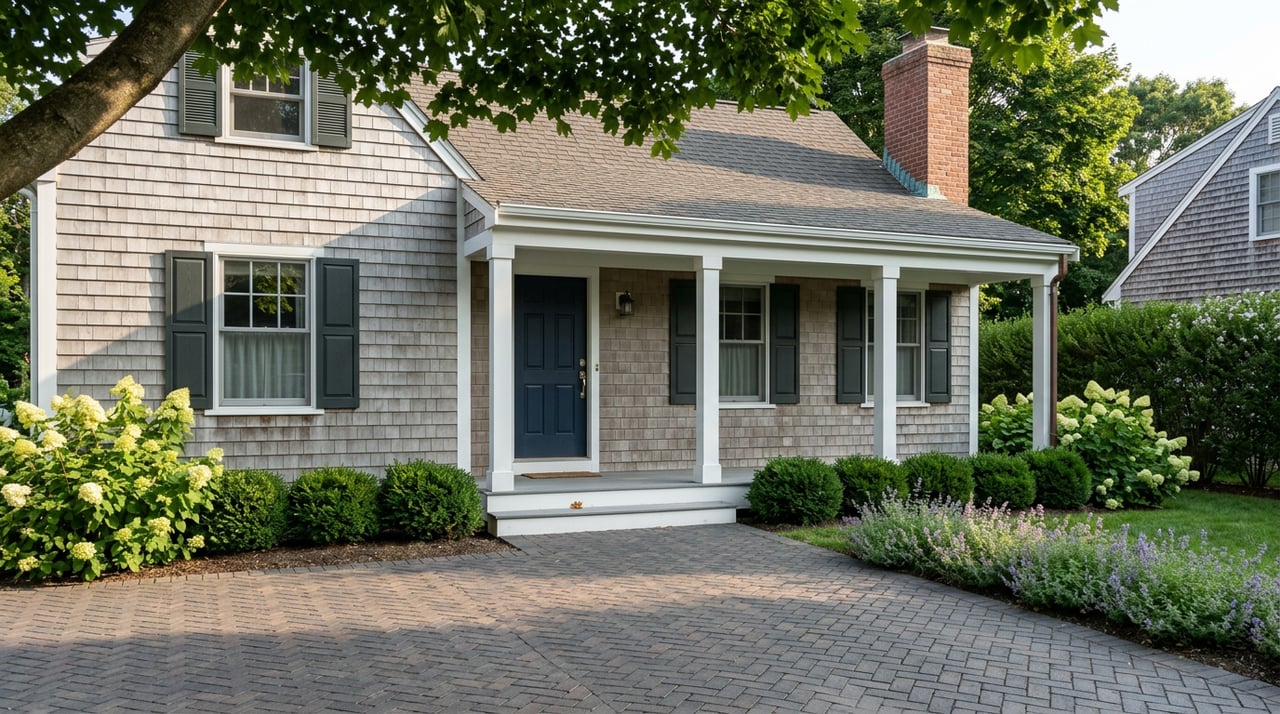
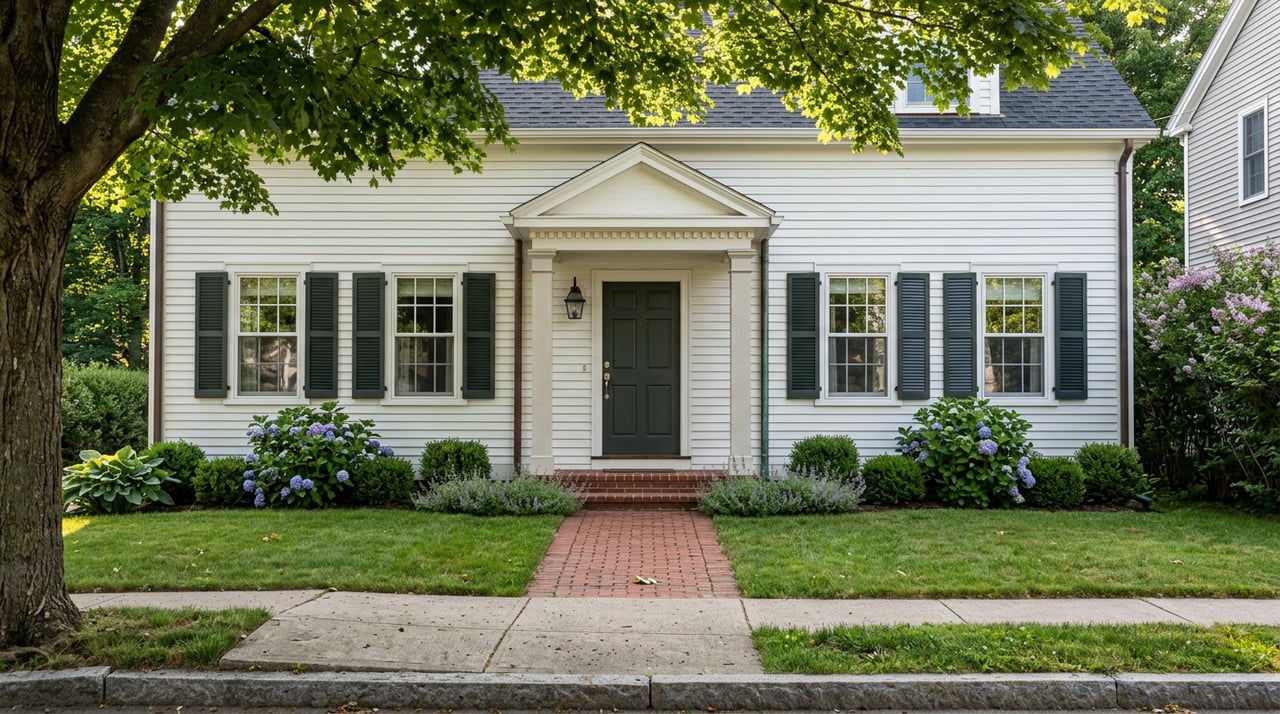
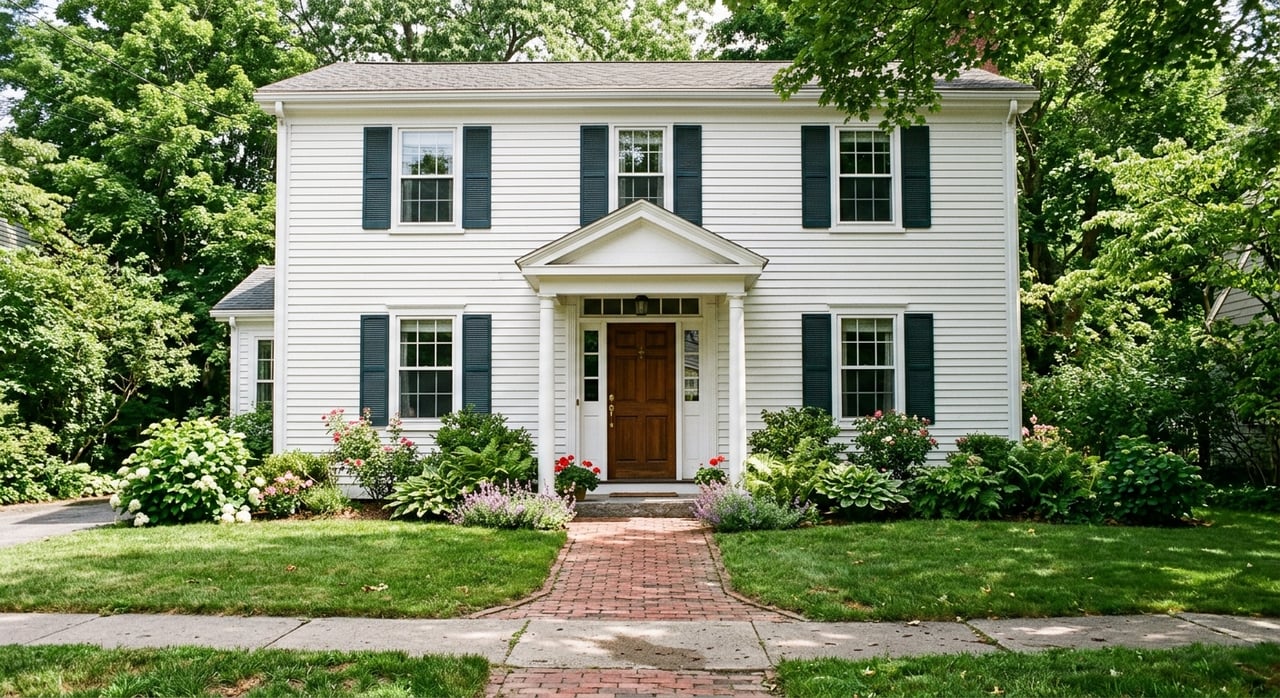
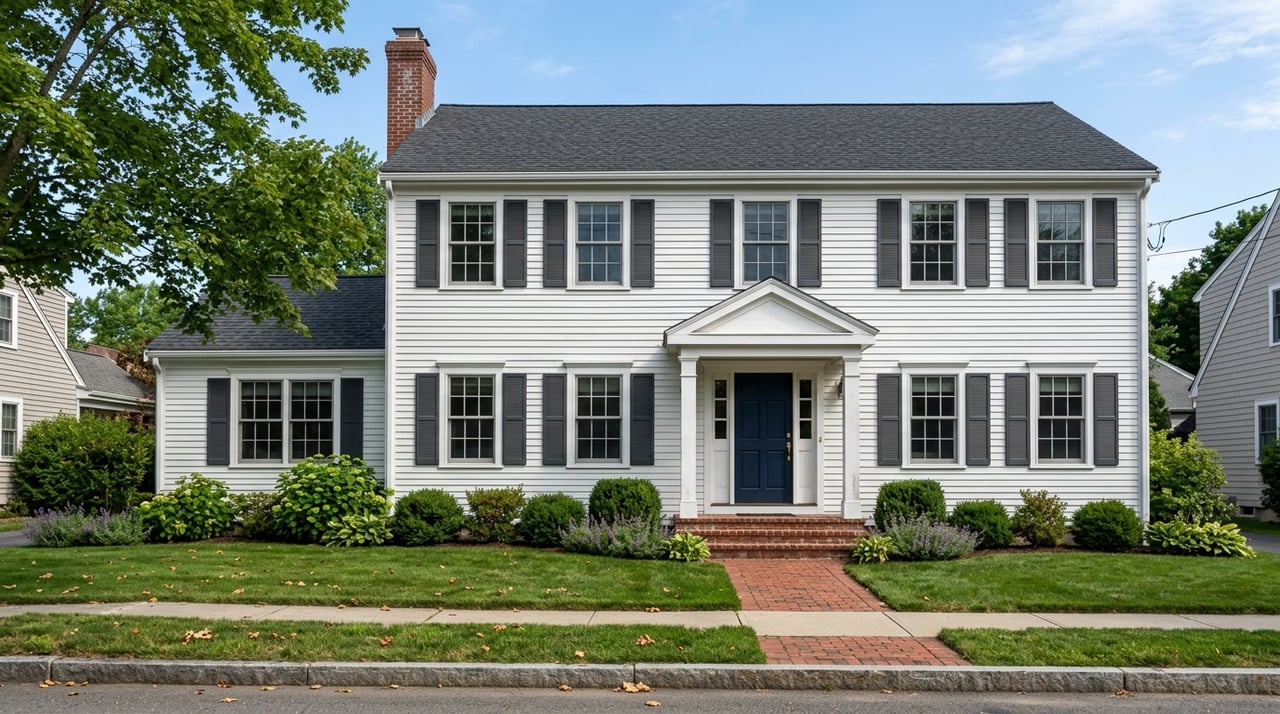
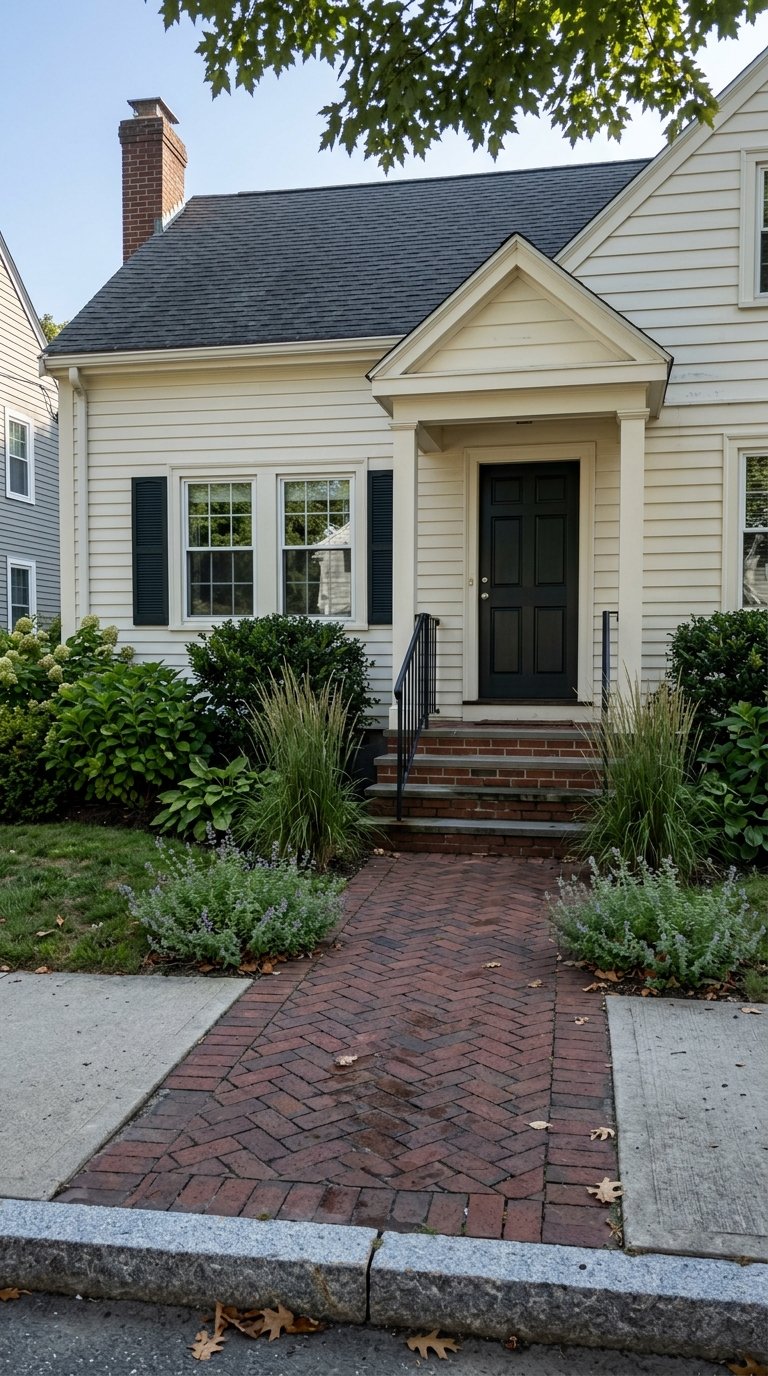
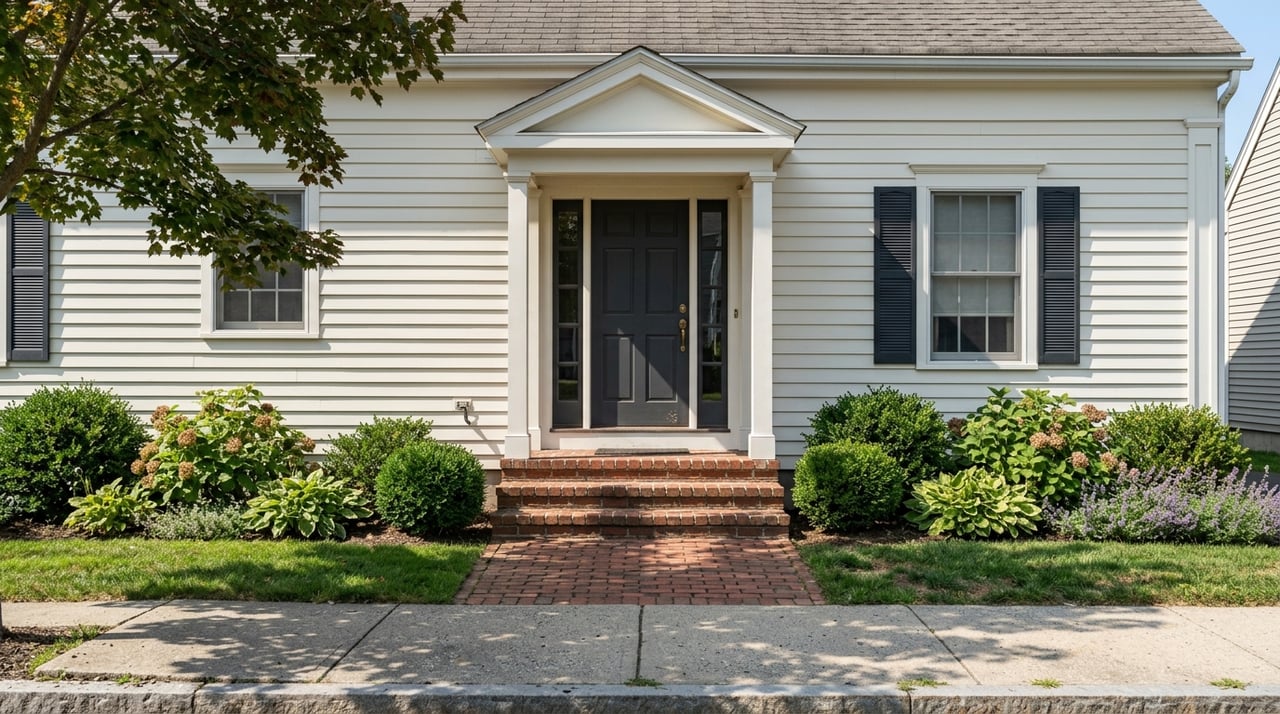
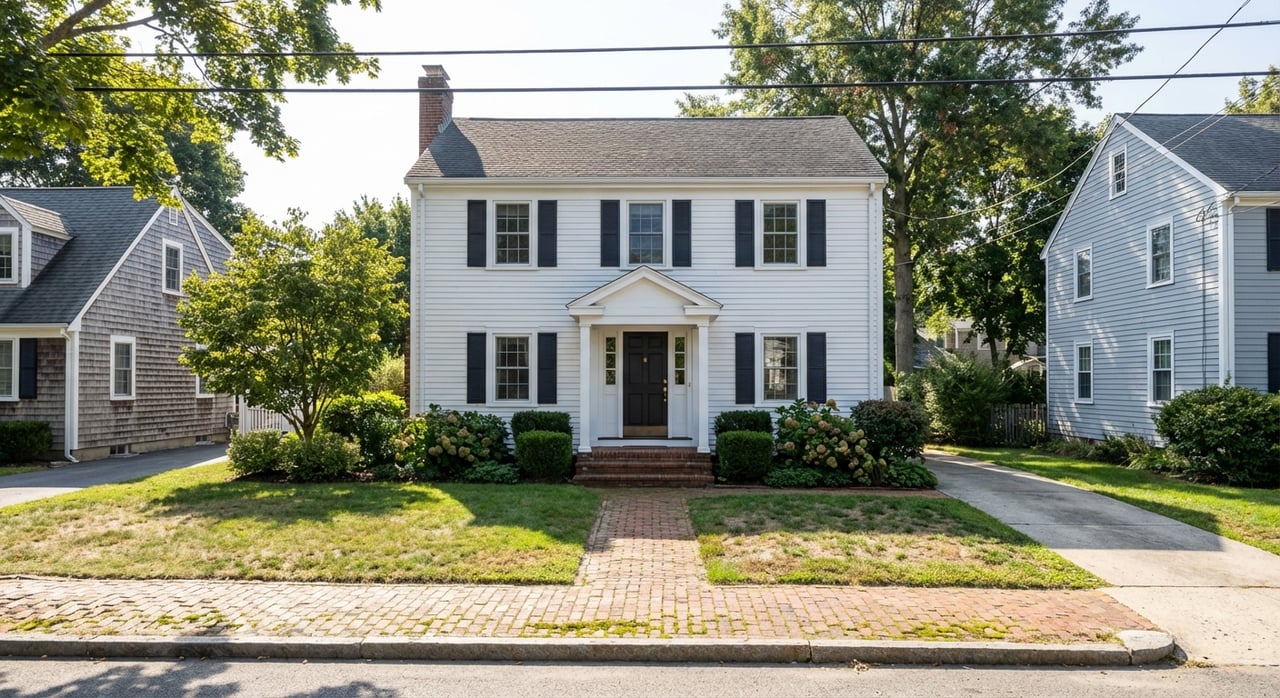
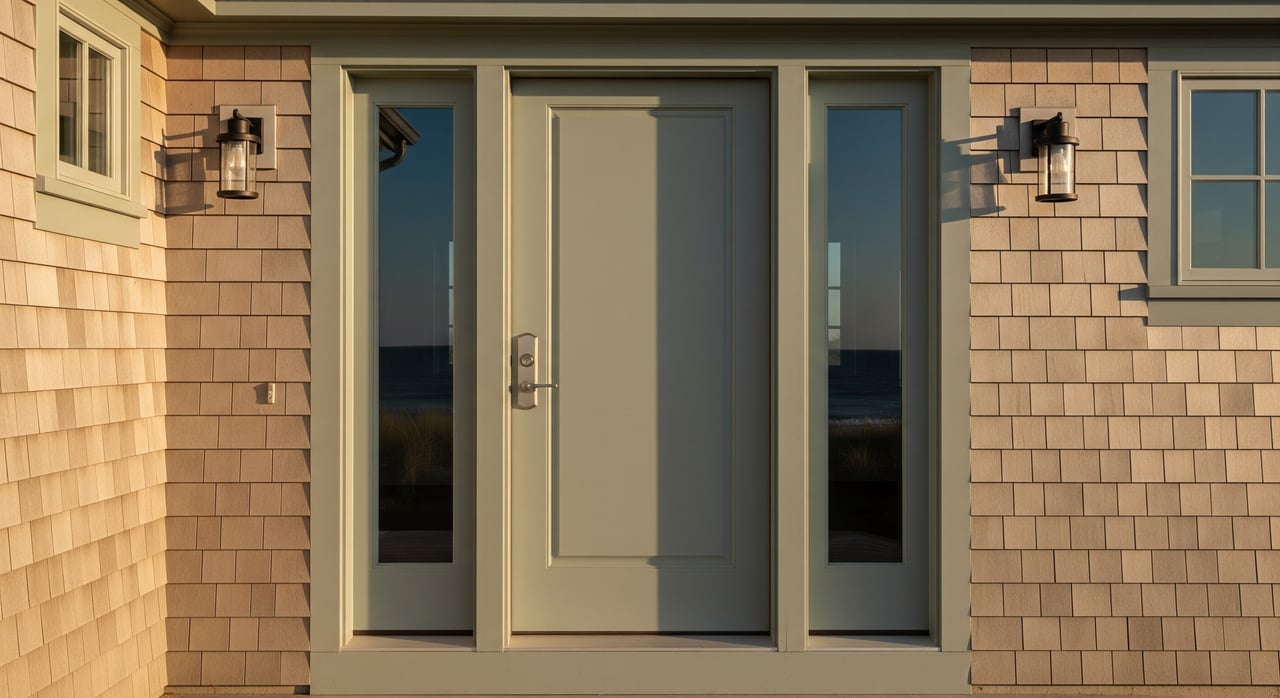
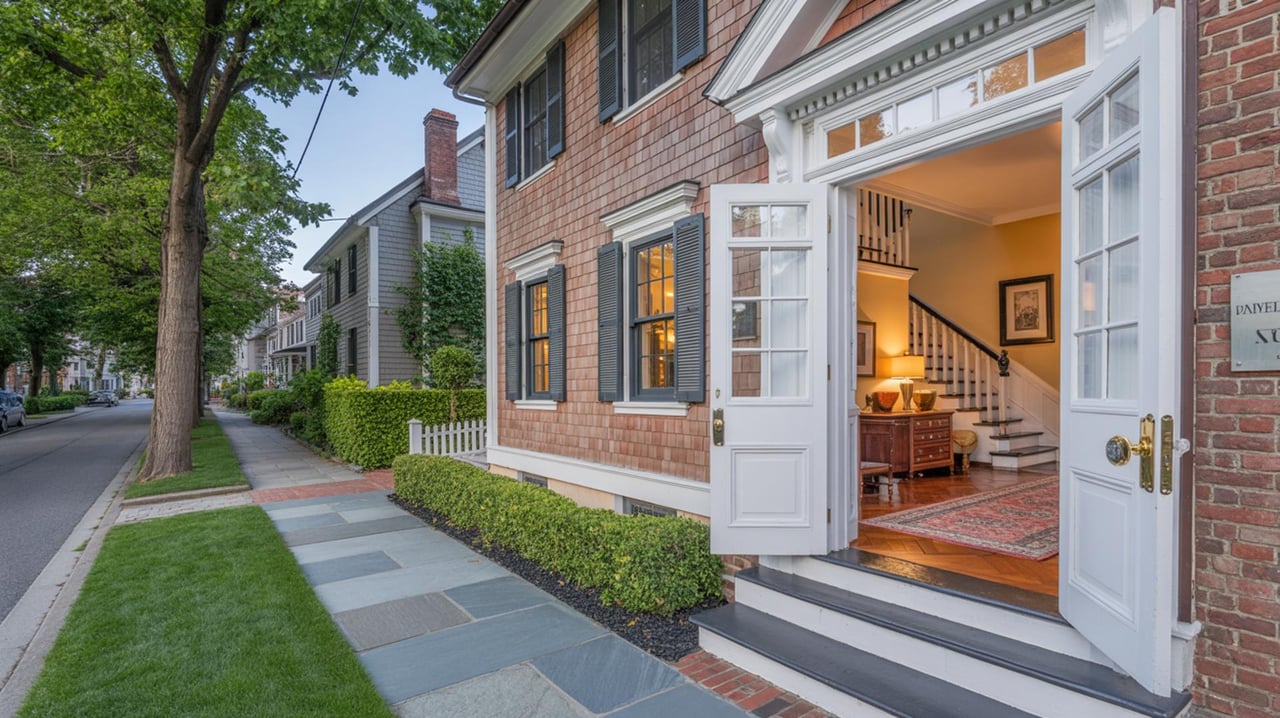
For waterfront homes, exterior presentation matters twice. It works as the online lead image and as the first in-person impression. NAR also notes that a strong exterior shot or lifestyle-focused photo can outperform a generic wide room image.
Use broad distribution from day one
NAR defines MLS syndication as MLS distribution of listings to third-party websites. In practical terms, that means a premium waterfront launch should plan for broad exposure rather than depending on a single channel.
This is where a coordinated listing strategy matters. Pricing, photography, video, listing copy, and distribution all work best when they are prepared together, not one at a time.
A practical timeline for sellers
Every property is different, but waterfront homes usually benefit from a longer runway. The more your home depends on permits, septic work, or shoreline documentation, the earlier you should begin.
Here is a practical planning framework based on the timelines in the research.
6 or more months out
Use this window if you may have:
- Septic design or repair issues
- Dock, seawall, or revetment paperwork to verify
- Wetlands or conservation questions
- Missing permit records or plot plans
Because Yarmouth says septic design and review can take 2 to 3 months, and some coastal approvals may require local and state review, these items deserve extra time.
3 to 6 months out
This is often the sweet spot for homes that need standard seller prep, such as:
- Repairs and maintenance
- Decluttering and storage planning
- Staging decisions
- Lead paint paperwork
- Permit and document organization
This timeline also gives you room to make thoughtful choices instead of rushing.
4 to 6 weeks out
Use the final stretch for launch execution, including:
- Professional photography
- Video and virtual media
- Listing copy and pricing strategy
- Final home prep
- MLS entry and distribution planning
Because early online activity matters, your home should look complete and market-ready before the first public launch.
Why this prep can pay off
In a market where supply remains limited but buyer behavior is more selective, preparation helps you stand out. That is especially true for waterfront homes, where buyers often weigh emotion and due diligence at the same time.
A well-prepared listing sends a clear message. It shows that the home has been thoughtfully presented, the property details have been reviewed, and the sale is being handled with care.
If you are thinking about selling a waterfront home in West Yarmouth or Falmouth, the best next step is often to build a plan before you pick a list date. For tailored guidance on pricing, prep, visual marketing, and launch strategy, connect with Anne Kennedy / Homes.
FAQs
What is the best time to start planning a waterfront home sale in West Yarmouth or Falmouth?
- If your home may have septic, conservation, wetlands, dock, seawall, or permit issues, starting 6 or more months ahead is often wise. For more typical prep, 3 to 6 months gives you time to handle repairs, documents, and marketing without rushing.
What waterfront property issues can delay a sale in Yarmouth or Falmouth?
- Common issues include flood-zone questions, wetlands or conservation approvals, open Orders of Conditions, septic inspection or design timing, and missing permits or records for docks, seawalls, revetments, or other shoreline improvements.
Does a mooring transfer with a waterfront home in Falmouth?
- No. Falmouth states that moorings do not convey with a property, so sellers should be careful not to market them as if they automatically transfer.
Do I need a septic inspection before selling a waterfront home in Barnstable County?
- If the home uses septic, Title 5 generally requires inspection at or within two years before title transfer. If weather prevents inspection before sale, MassDEP allows completion up to six months after sale with written notice to the buyer.
What improvements matter most before listing a waterfront home on Cape Cod?
- Visible repairs, decluttering, strong exterior presentation, and attention to the living room, primary bedroom, kitchen, and outside space tend to have the biggest impact on buyer perception online and in person.