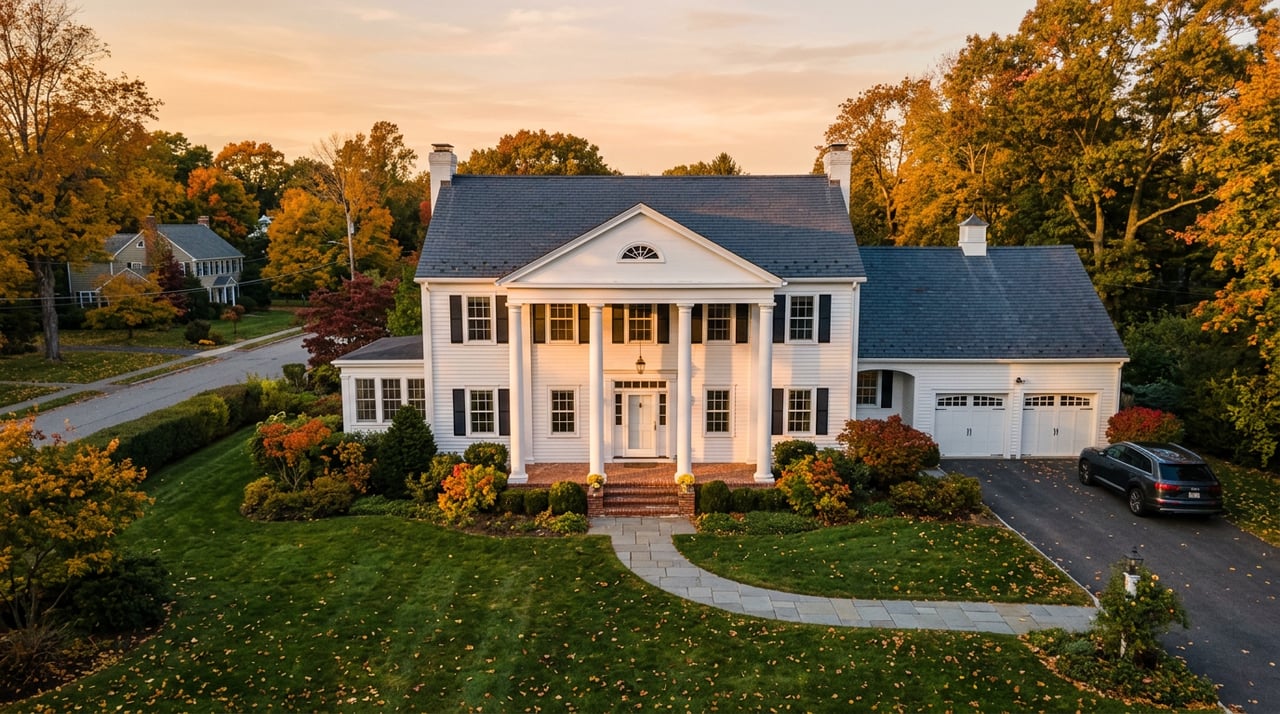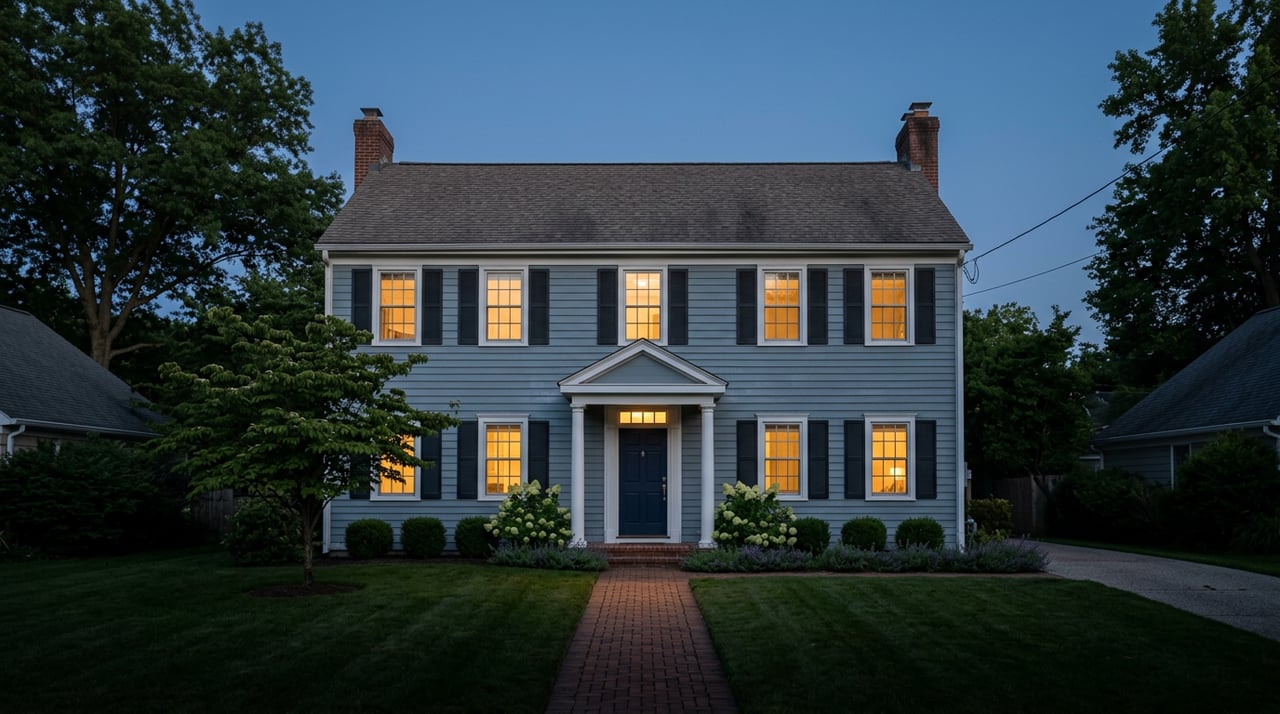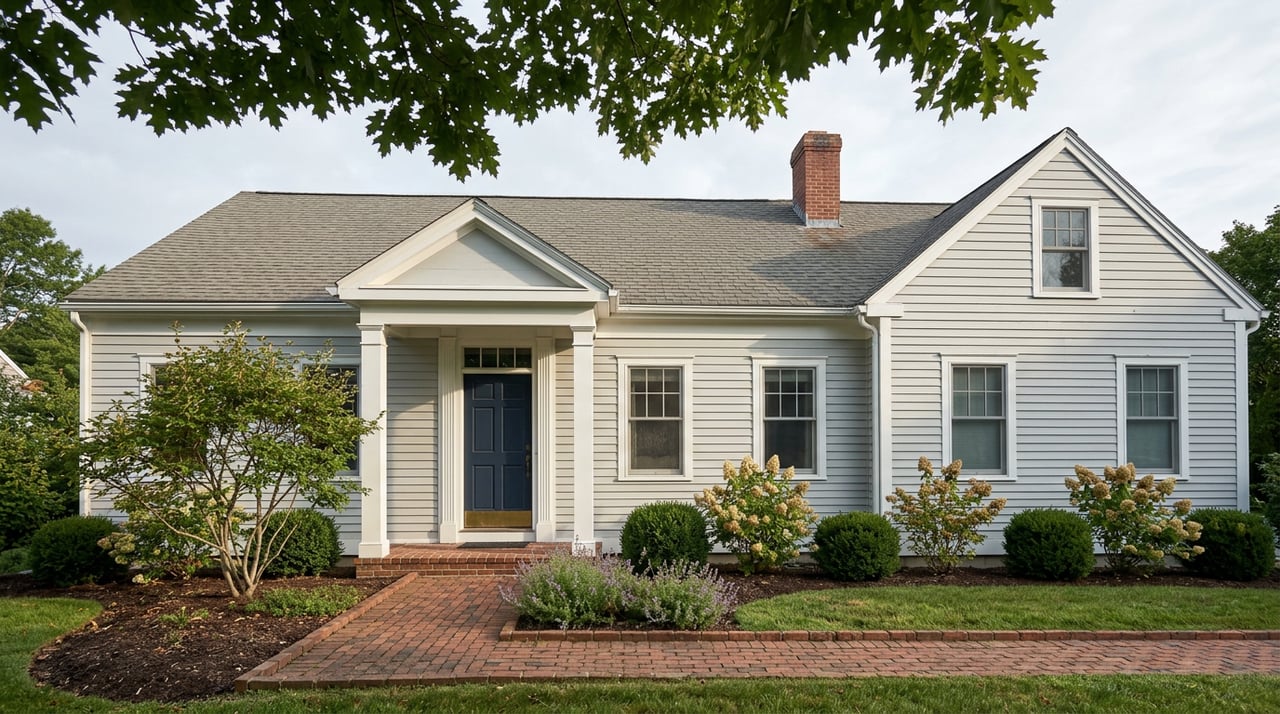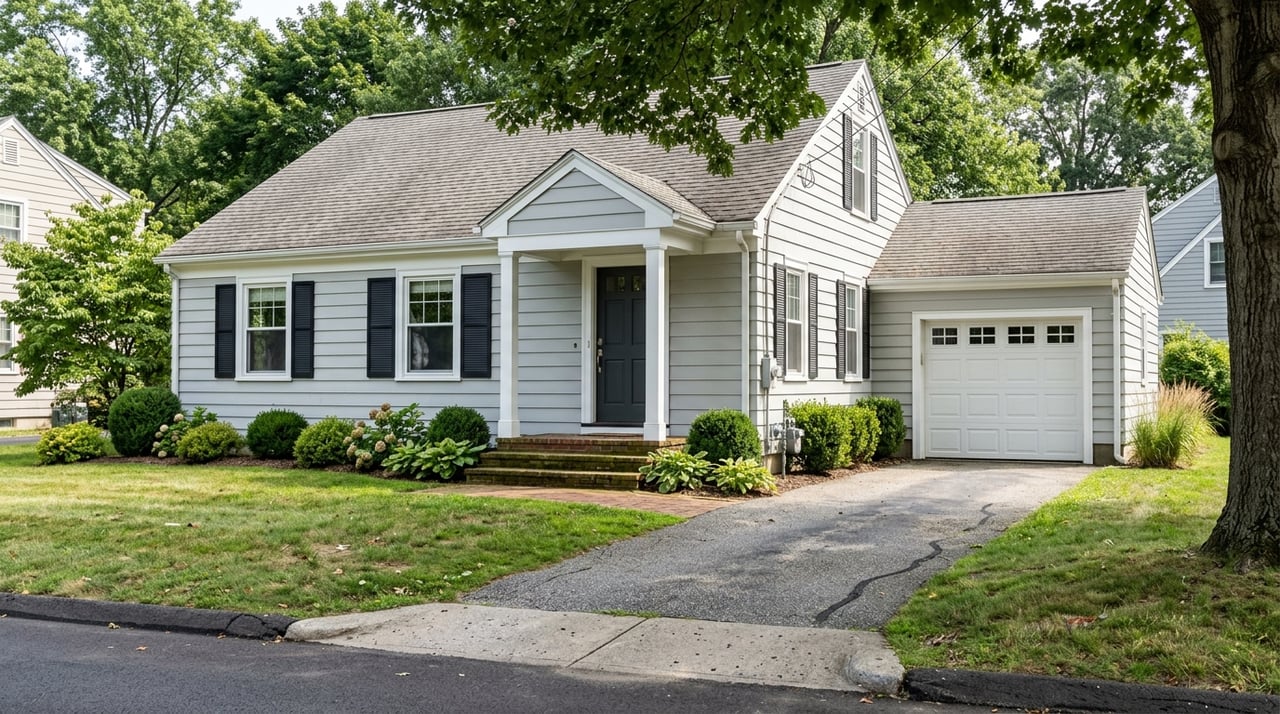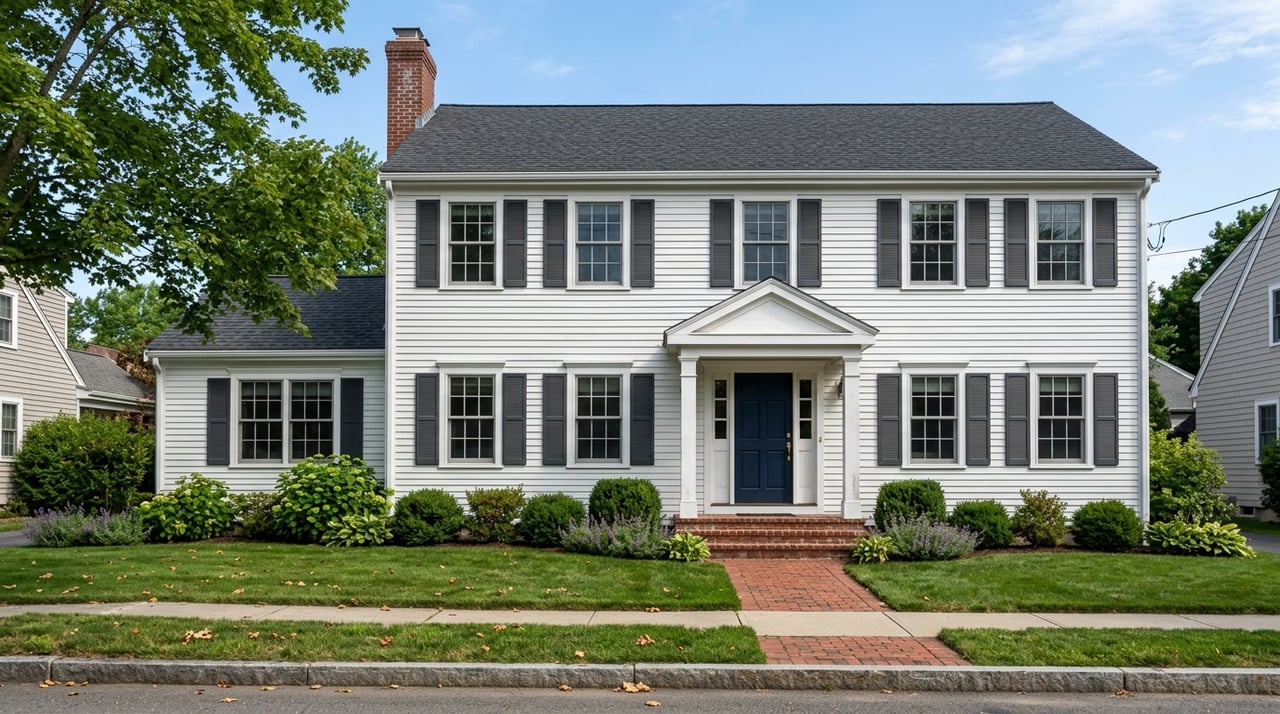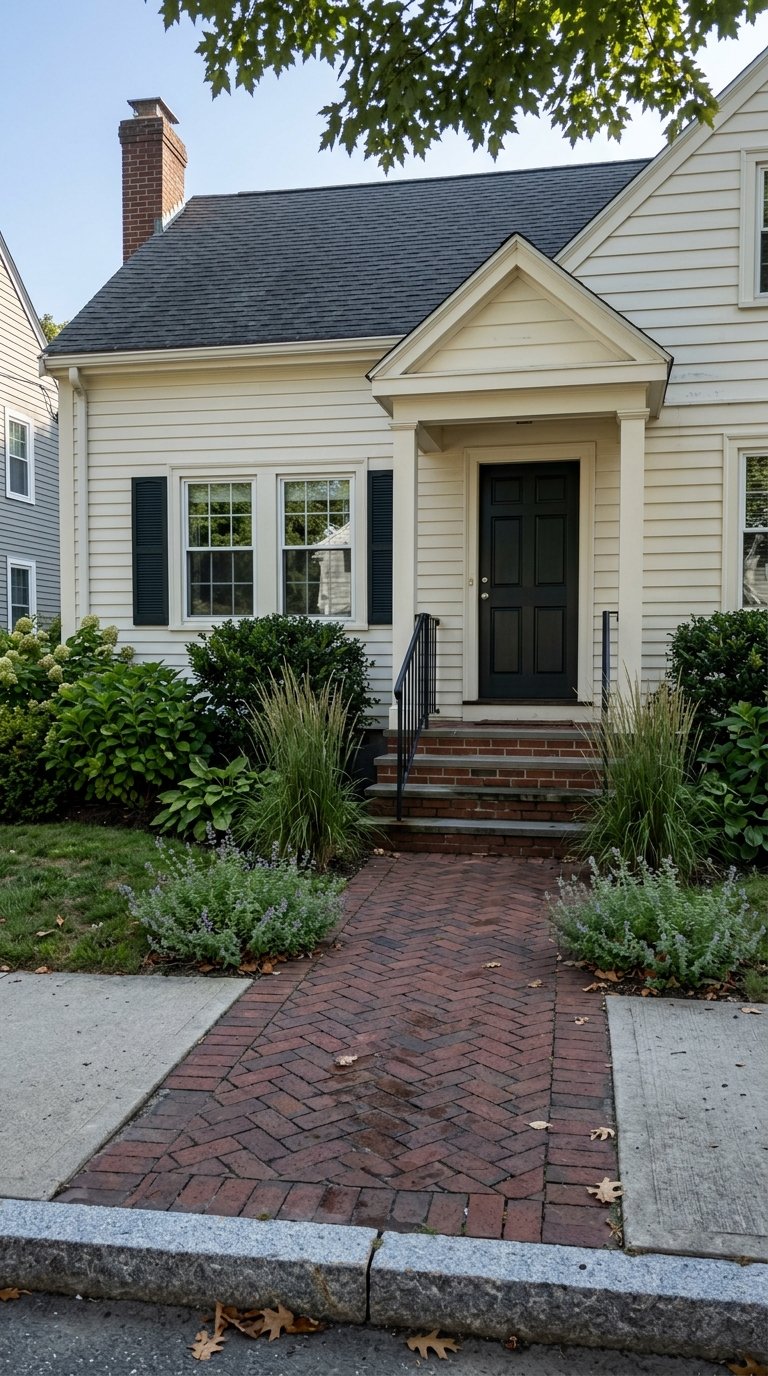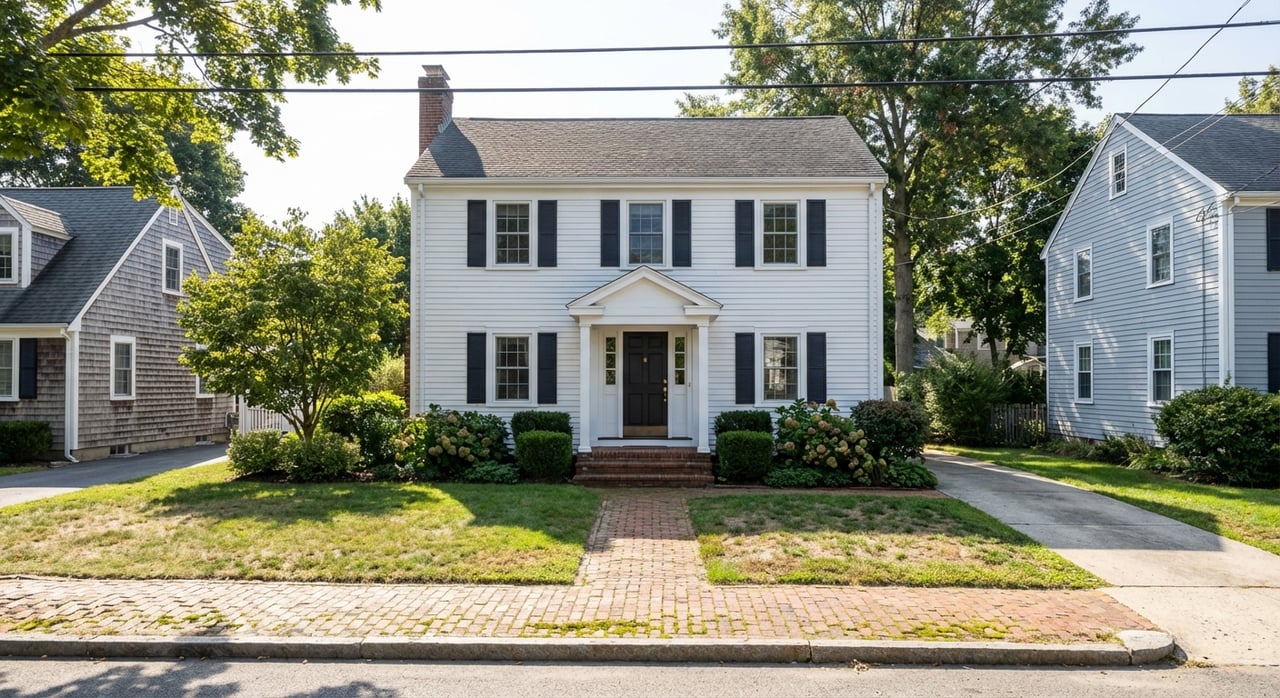
A Newton seller lists a single-family home for $1.5 million, closes near asking, and starts scrolling Back Bay listings with a number in mind: sell high, buy lower, bank the difference. On paper, Boston's citywide condo median sat near $750,000 in April 2026, according to Greater Boston Association of Realtors data. Subtract that from a Newton sale and the spread looks like a six-figure windfall.
It rarely works out that way, and the reason has nothing to do with negotiating skill. It comes down to how the two property types get priced in the first place.
Two Different Pricing Systems, One Assumed Windfall
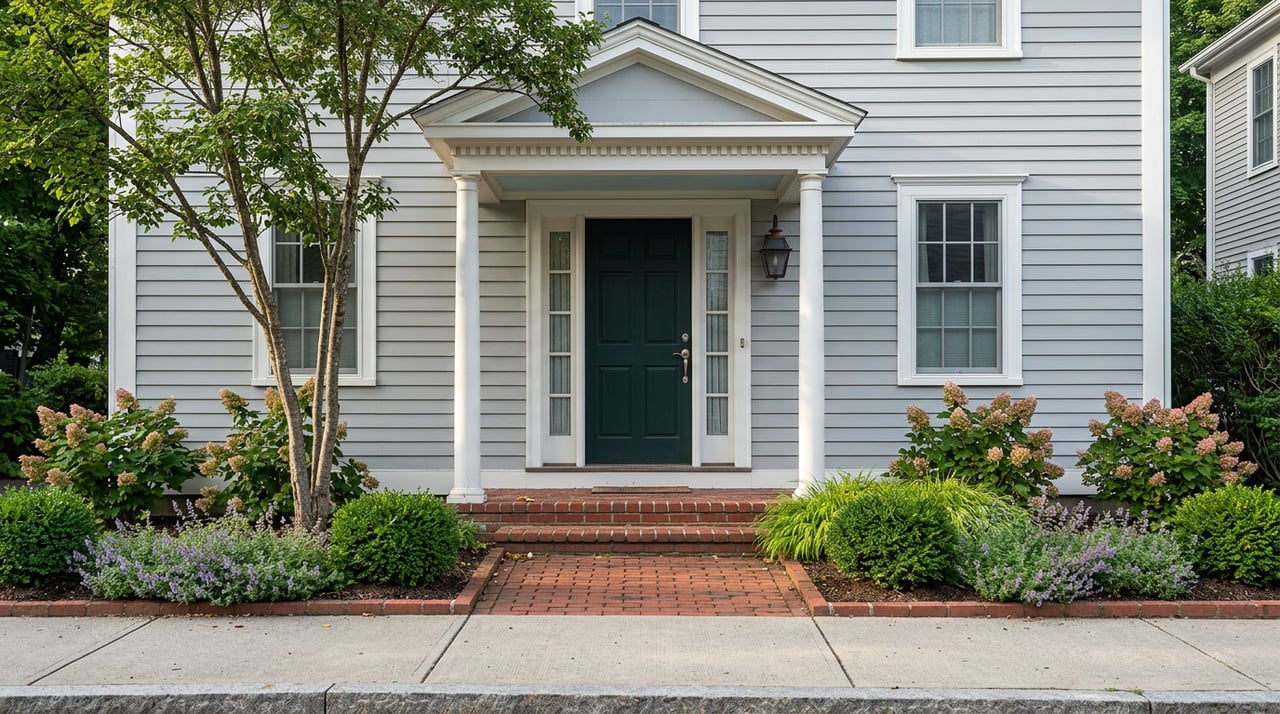
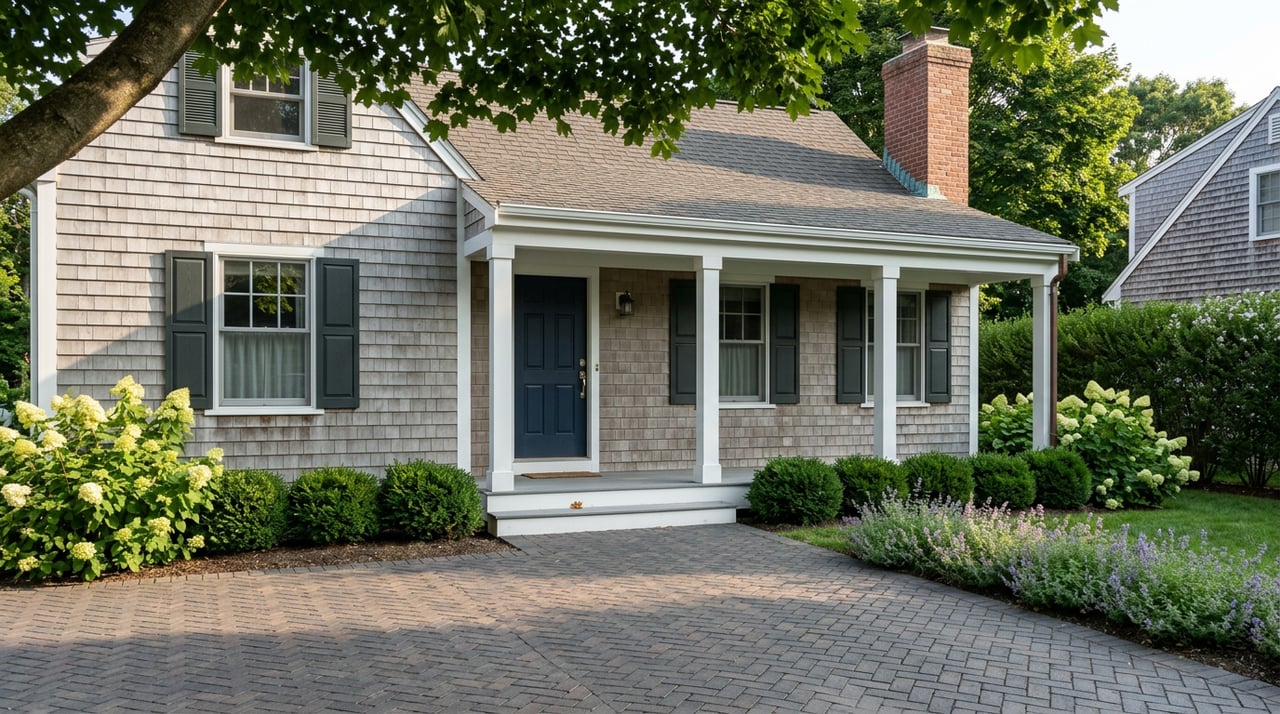
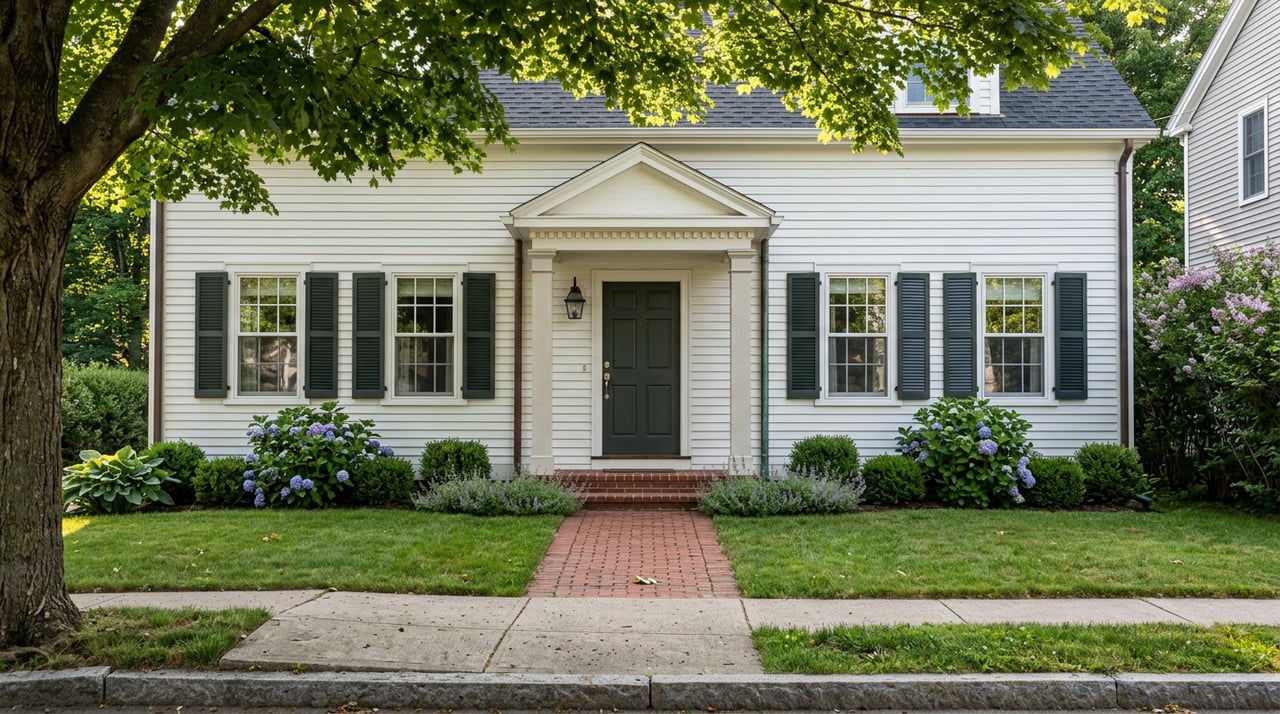
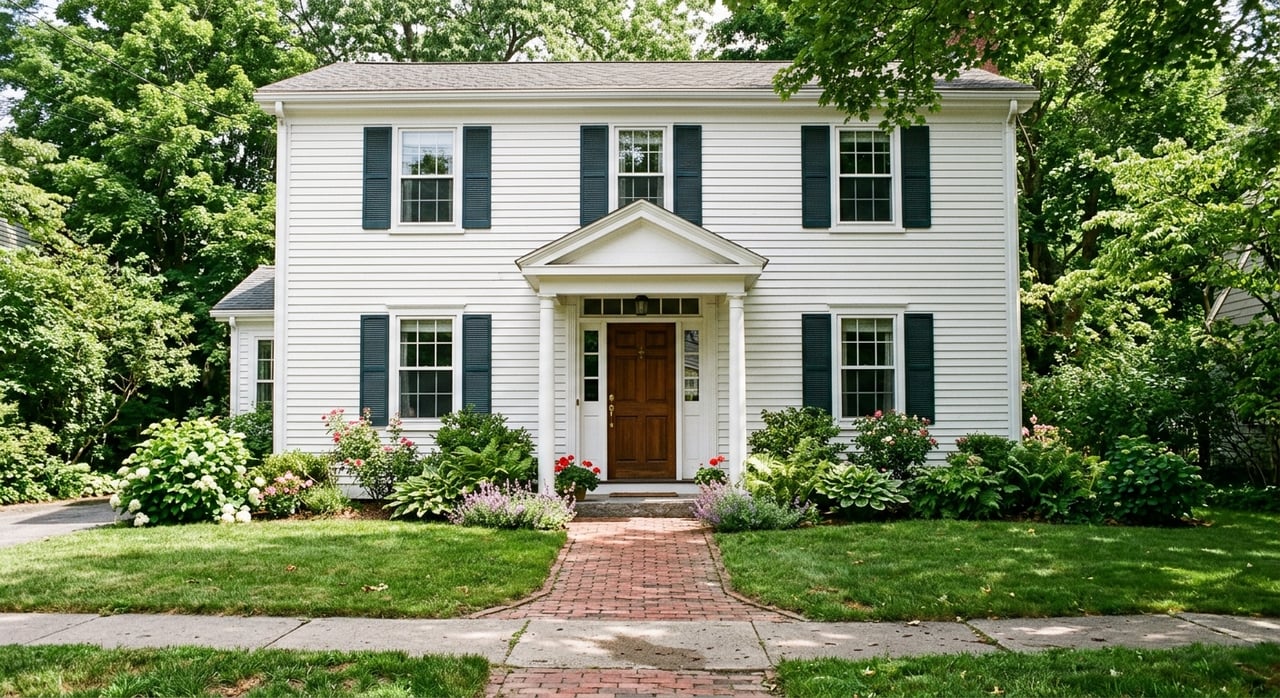
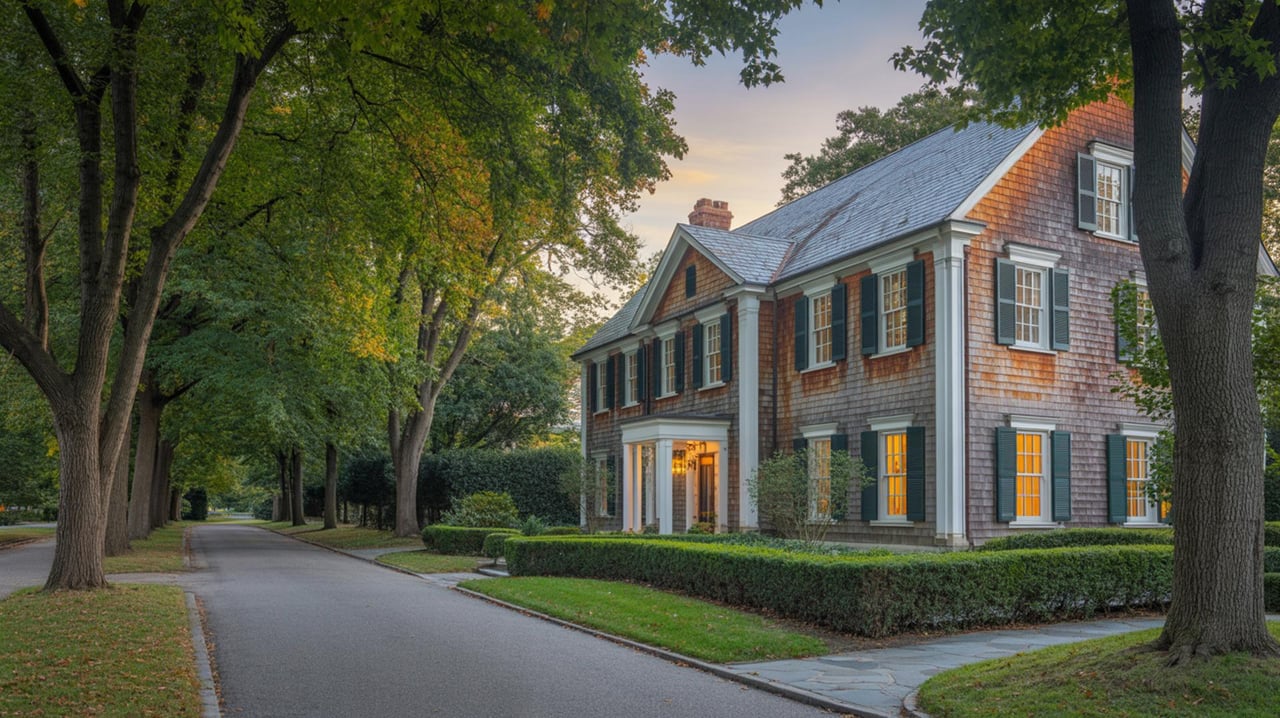
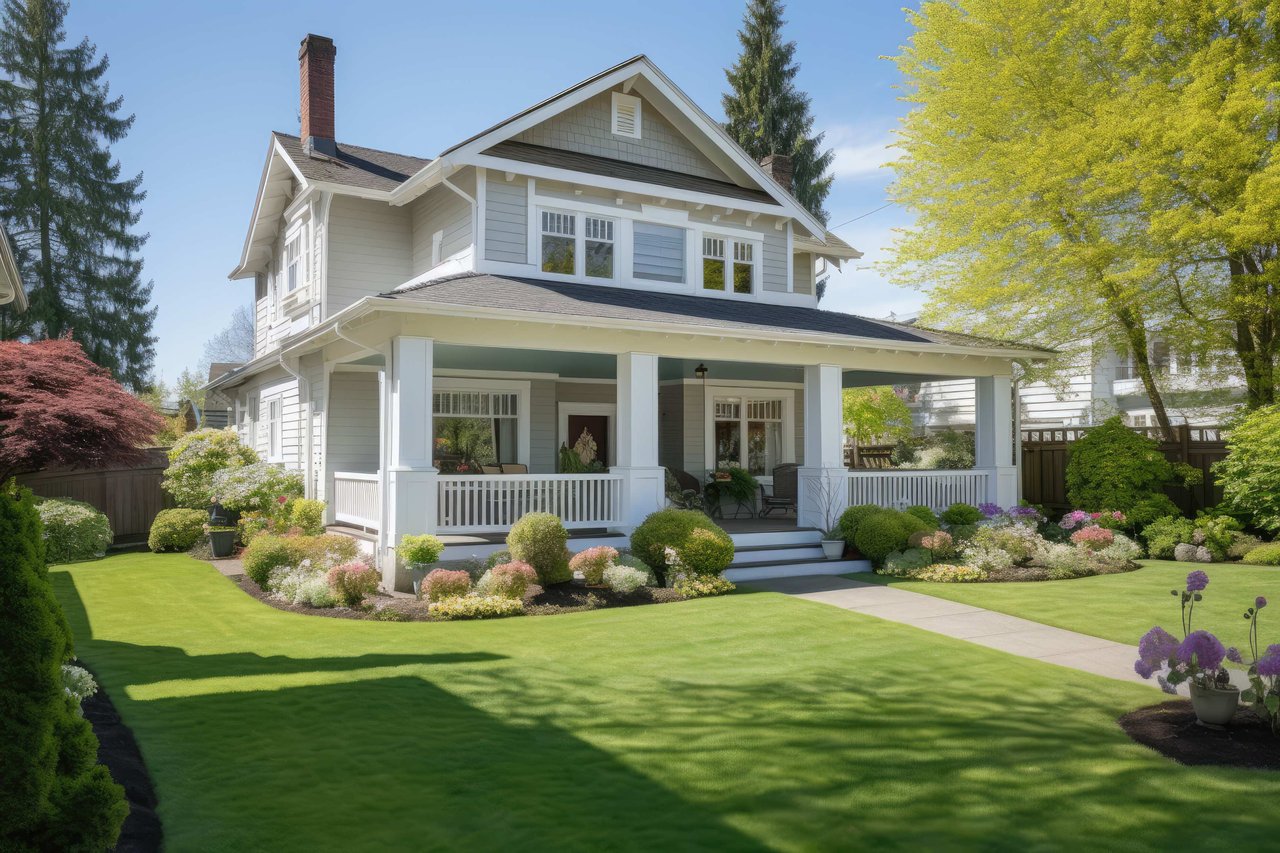
A suburban house is priced the way most buyers expect: land, square footage, condition, lot size. A Newton colonial with 2,800 square feet on a quarter acre gets valued against other 2,800-square-foot colonials on quarter-acre lots nearby. Square footage does most of the work.
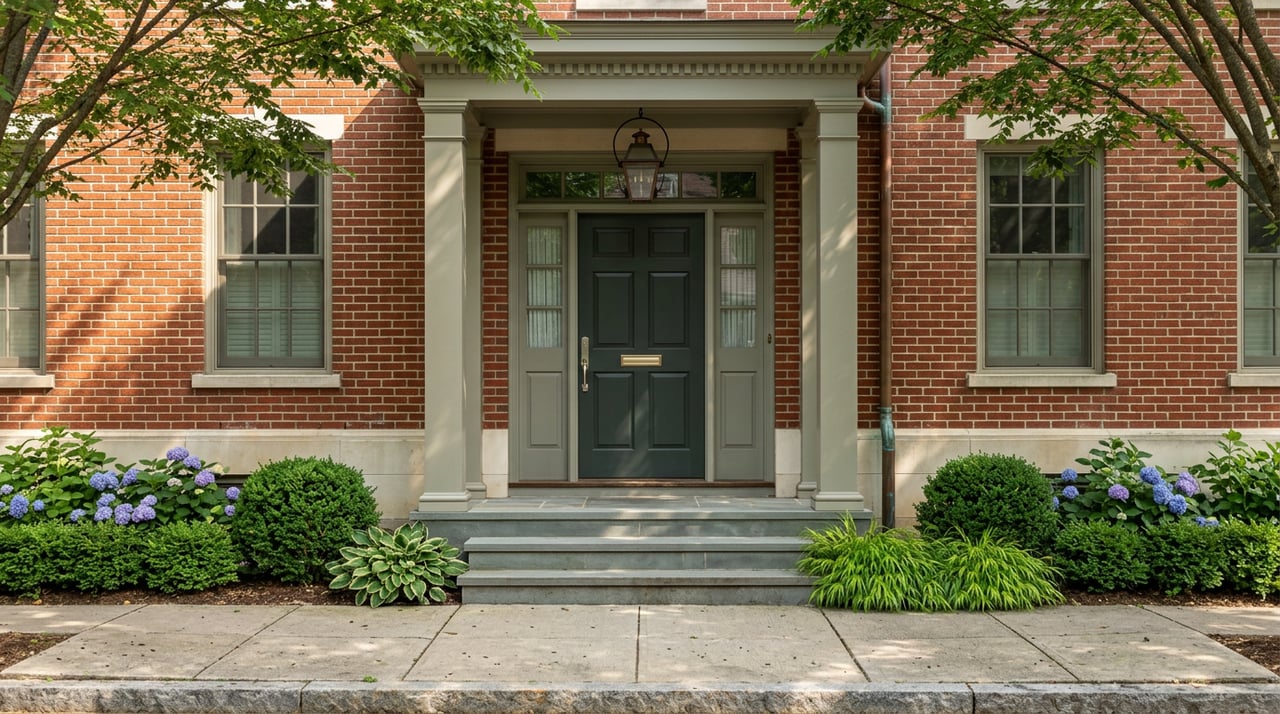
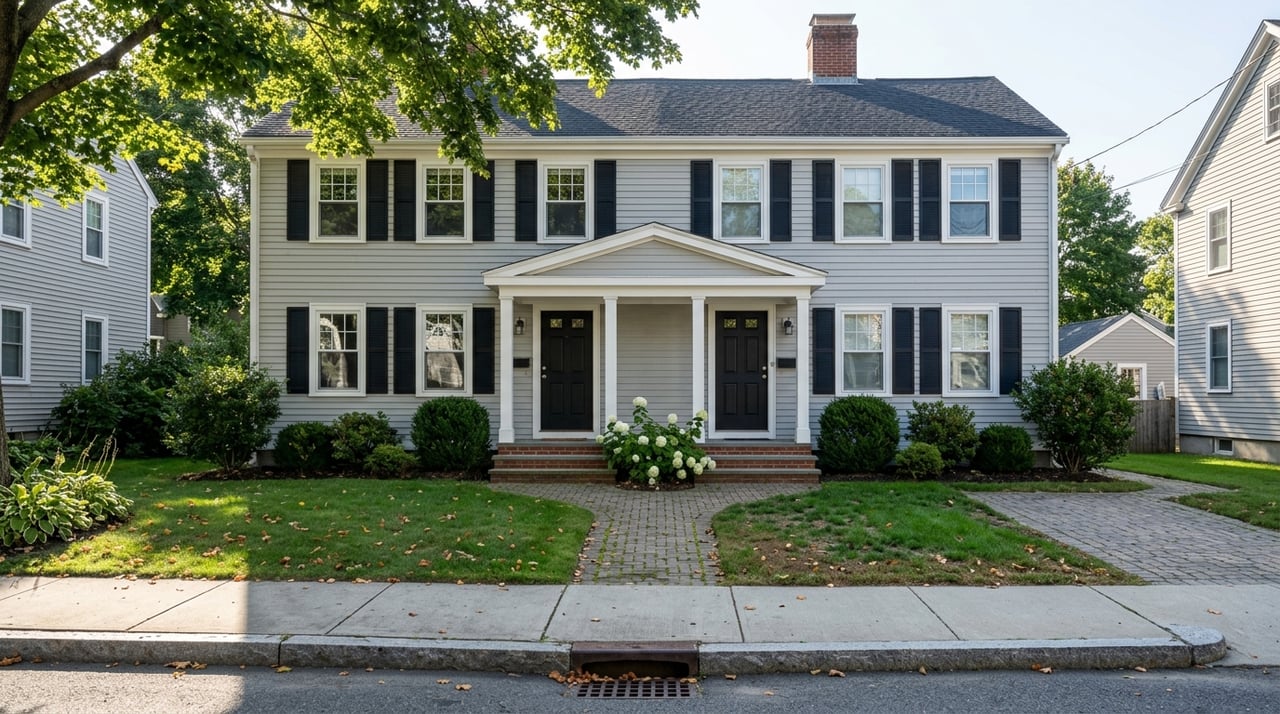
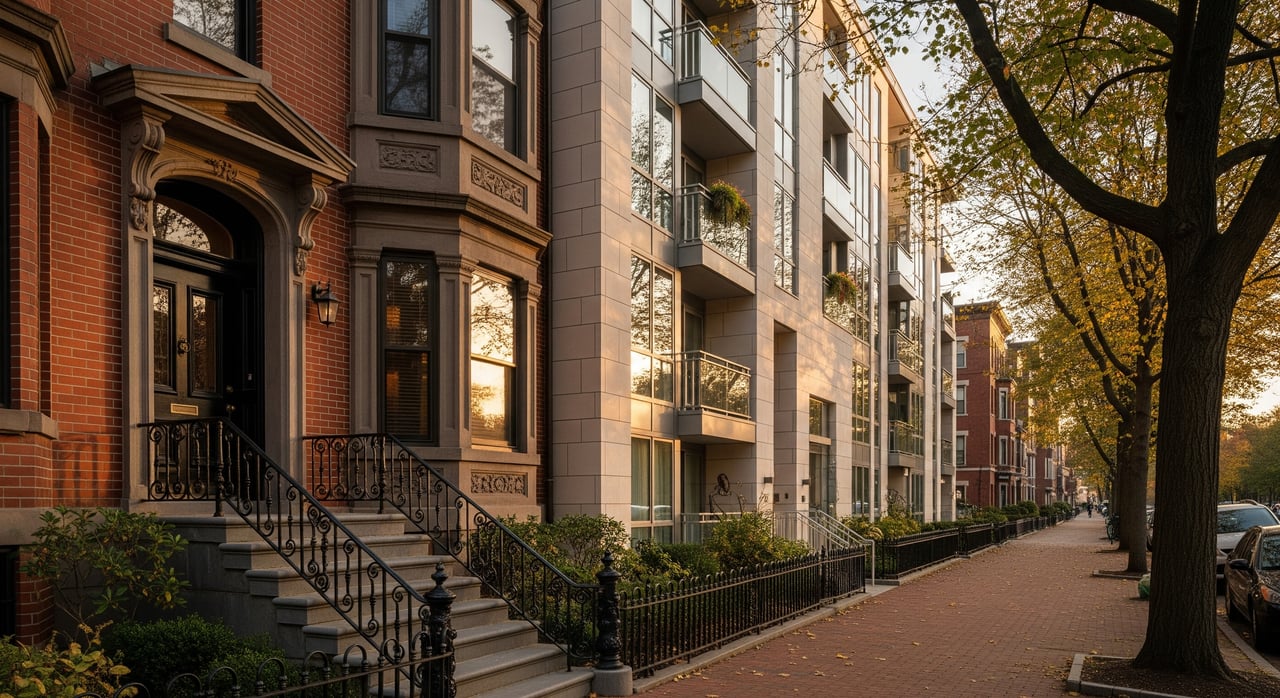
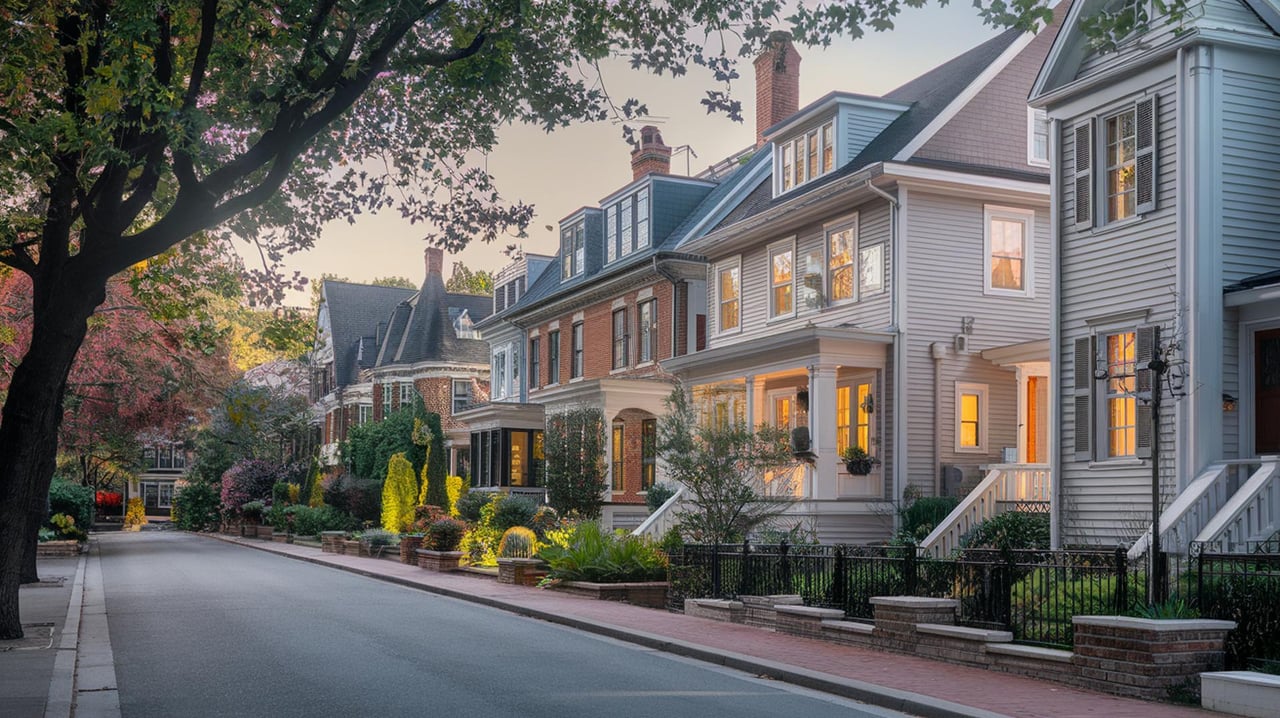
A condo in one of Boston's in-demand neighborhoods gets priced on something else entirely: walkability, building services, elevator access, doorman coverage, parking, and proximity to the Public Garden or the Financial District. Square footage matters, but it's one input among several, and in the neighborhoods downsizers actually want, it's rarely the deciding one.
That's why a Newton seller who nets $1.5 million and expects to "buy down" into a comfortable two-bedroom with cash left over often finds the math tighter than the headline suggests. In Back Bay, median price per square foot ran about $1,627 in mid-2026. A modest 1,000-square-foot two-bedroom in a building like the Clarendon or along the Comm Ave corridor lands well north of $1.6 million before parking or a garage spot gets added. The seller hasn't downsized their housing cost. They've downsized their square footage and kept the price roughly flat.
Newton's Median Isn't a Starting Point, It's an Average of Very Different Villages
The comparison gets murkier once you look at where in Newton the house actually sits. Citywide, Newton's single-family median sat at $1.5 million as of February 2026. But that number blends villages like Newton Corner and Nonantum, which have historically traded well below the citywide figure, with Newton Centre, where the March 2026 median reached $2.4 million. A seller in Chestnut Hill or Newton Centre is working with a very different starting number than a seller in Newtonville or Nonantum, and that gap should shape which Boston neighborhoods even make sense to consider.
This is the piece that gets lost in generic downsizing advice: the "average" savings quoted in a national guide assumes an average Newton house and an average Boston condo. Neither exists. The real math has to start with your village, not the city median.
The Research Behind the Pattern
Housing researchers have flagged this exact friction. Jennifer Molinsky at Harvard's Joint Center for Housing Studies has documented that people who want to downsize while staying close to their existing community often find it harder to free up cash than people willing to relocate entirely. Boston is a clean example. The neighborhoods most familiar to a Newton or Brookline household, walkable, well-served by transit, close to the Public Garden or the hospitals, are exactly the neighborhoods where condo pricing has caught up to suburban pricing on a per-square-foot basis.
Staying close to your old life and freeing up equity are, in a lot of Boston submarkets, competing goals.
Four Ways Newton Sellers Actually Move, and What Each One Actually Nets
Local downsizing patterns tend to sort into four groups, and they produce very different outcomes:
Stay-local, trade a house for a nearby condo. Sellers coming from Chestnut Hill or west Newton who want to stay in the same orbit often land in Brookline's Coolidge Corner or Washington Square. They keep their doctors, their congregation, their neighbors. They also pay a premium for that continuity, and this is consistently the pattern with the smallest financial gain.
Trade up to the in-town lifestyle. Back Bay, South End, and Seaport draw sellers who want walkability, restaurants, and culture within a few blocks. Seaport ran the highest per-square-foot pricing in the city as of early 2026, around $2,200, with typical two-bedrooms landing between $1.8 million and $2.0 million. Back Bay sits close behind at roughly $1,627 per square foot. South End is comparatively the value play among the three, with 2026 market snapshots putting per-square-foot pricing closer to $1,100 to $1,160 depending on the data window and building type. All three are lifestyle decisions. None of them reliably free up meaningful cash against a $1.5 million-plus Newton sale.
Prioritize value with strong transit. Brighton, Watertown-adjacent condo stock, and parts of Quincy offer meaningfully lower pricing while still keeping a reasonable commute into the city. This is where the financial case for downsizing actually holds up, though it usually means trading the Back Bay fantasy for a less glamorous zip code.
Stay inside Newton, just in a different property type. Condos in Newton Highlands, Newtonville, and Nonantum tend to trade below the citywide condo median, and for sellers who don't need the density of downtown Boston, this route keeps them in the same school-district familiarity and community ties without taking on Back Bay-level pricing per square foot.
| Path | Typical destination | Per-square-foot range | Financial outcome |
|---|---|---|---|
| Stay-local | Coolidge Corner, Washington Square | Premium pricing for the area | Smallest gain, priced for continuity |
| In-town lifestyle | Back Bay, South End, Seaport | Roughly $1,100 to $2,200 | Lifestyle purchase, not a cash-out |
| Value and transit | Brighton, Watertown-adjacent, parts of Quincy | Meaningfully below downtown pricing | Best chance at real savings |
| Stay in Newton | Newton Highlands, Newtonville, Nonantum condos | Below Newton's citywide condo median | Keeps community ties, moderate savings |
The Line Item That Doesn't Show Up on the Comps
There's a cost that never appears in a per-square-foot comparison and still erodes the math: the condo fee. A single-family homeowner in Newton doesn't pay a monthly association fee. A condo buyer does, and a spring 2026 industry survey put the median monthly condo fee in Boston at $386, with close to 30 percent of owners paying more than $500 a month. Fees have also been trending upward across the market, driven by rising insurance and maintenance costs in older buildings. Roll a few hundred dollars a month into the comparison over a decade and the "savings" from downsizing shrink further, especially in older Back Bay and Beacon Hill conversions where building systems are aging and reserve funds are catching up.
There's also a tax conversation that belongs earlier in the process than most sellers realize. A highly appreciated Newton property, especially one owned for decades, can generate a capital gain large enough to interact with the state's income surtax on high earners in the year of sale. That's not a reason to avoid selling. It's a reason to talk to a CPA before setting a target list price, not after the offer is already accepted.
What This Means If You're Weighing the Move
None of this is an argument against downsizing into Boston. Plenty of Newton sellers make the move and are genuinely happier for it, closer to restaurants, closer to grandkids in the city, done with yard work and roof replacements. The point is narrower: the number that makes the move look automatically profitable is a citywide average, and averages hide exactly the information a downsizer needs before listing.
The right first step isn't touring condos. It's running the actual comparison, your specific Newton village against the specific Boston neighborhoods you'd consider, priced per square foot, with condo fees built into the monthly math rather than left out of it. That's a different exercise than checking a median price online, and it's the one that keeps a downsizing decision from turning into a surprise six months after closing.
A Few Questions Worth Asking Before You List
Does downsizing from Newton to Boston ever actually save money? Yes, particularly for sellers willing to consider Brighton, Watertown-adjacent buildings, or parts of Quincy rather than Back Bay or Seaport. The savings shrink the closer you stay to the most walkable, amenity-dense parts of downtown.
Is staying in Newton and downsizing to a condo a real option? For sellers who value community continuity more than an in-town Boston address, yes. Newton Highlands, Newtonville, and Nonantum condos trade below the citywide condo median while keeping familiar schools, doctors, and neighbors nearby.
What should I do before I list my Newton home if I'm planning to downsize? Get a clear per-square-foot comparison between your specific Newton village and the Boston neighborhoods you're considering, and talk to a CPA about the tax picture before you set a list price, not after you've accepted an offer.
If you're weighing a move like this and want the actual numbers run for your specific Newton village against the Boston neighborhoods you're considering, including what a renovation or a building's condo fee structure might mean for your total cost, that's the kind of forecasting Anne M. Kennedy does before you ever put a sign in the yard. Get Your Free Home Valuation and start with the real math instead of the median.