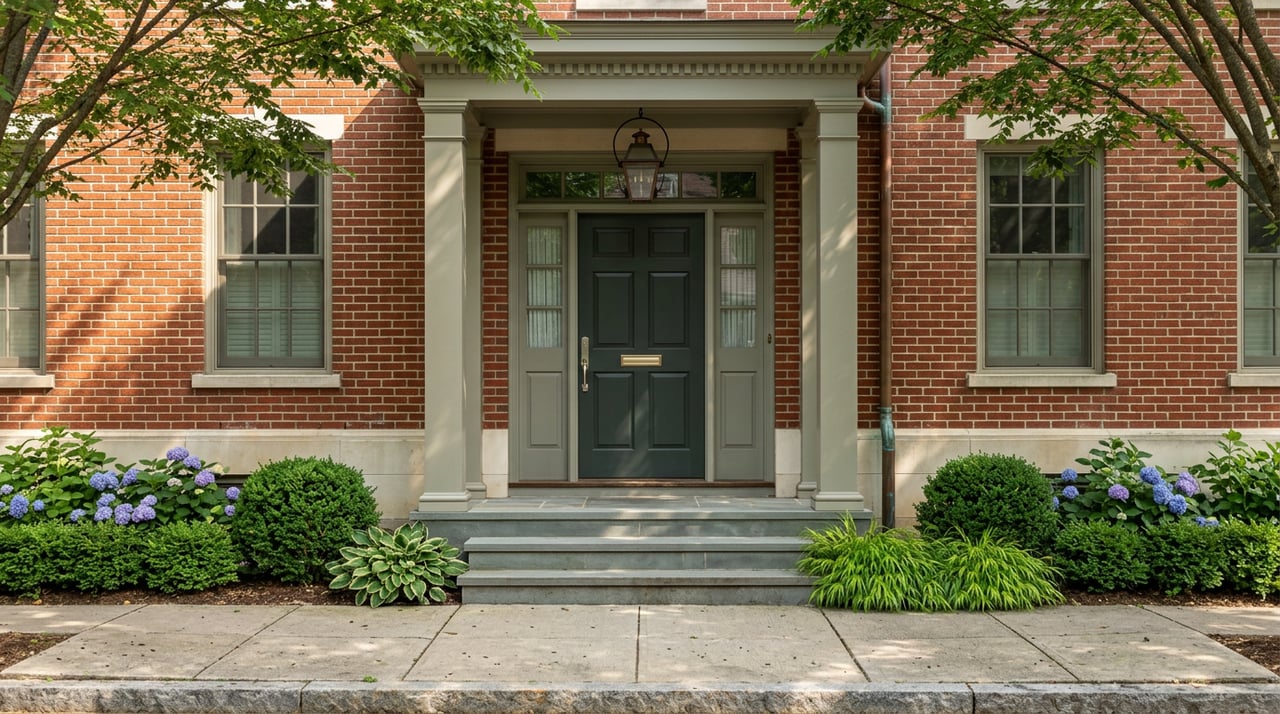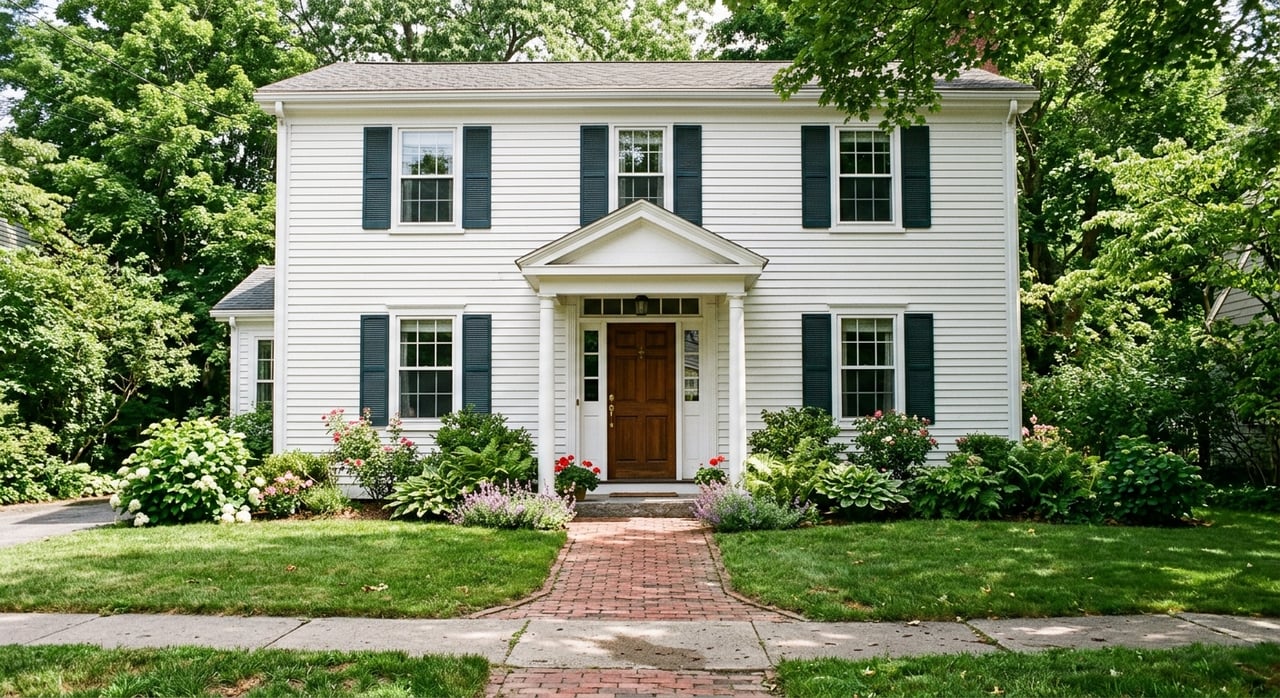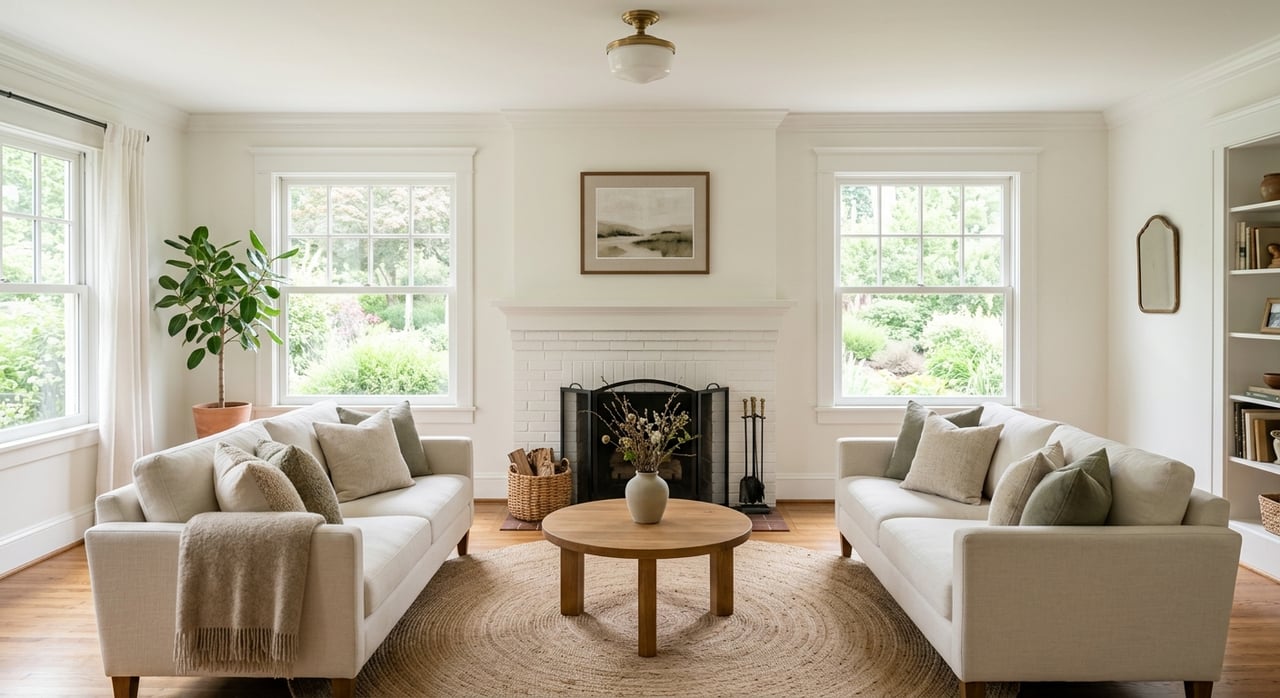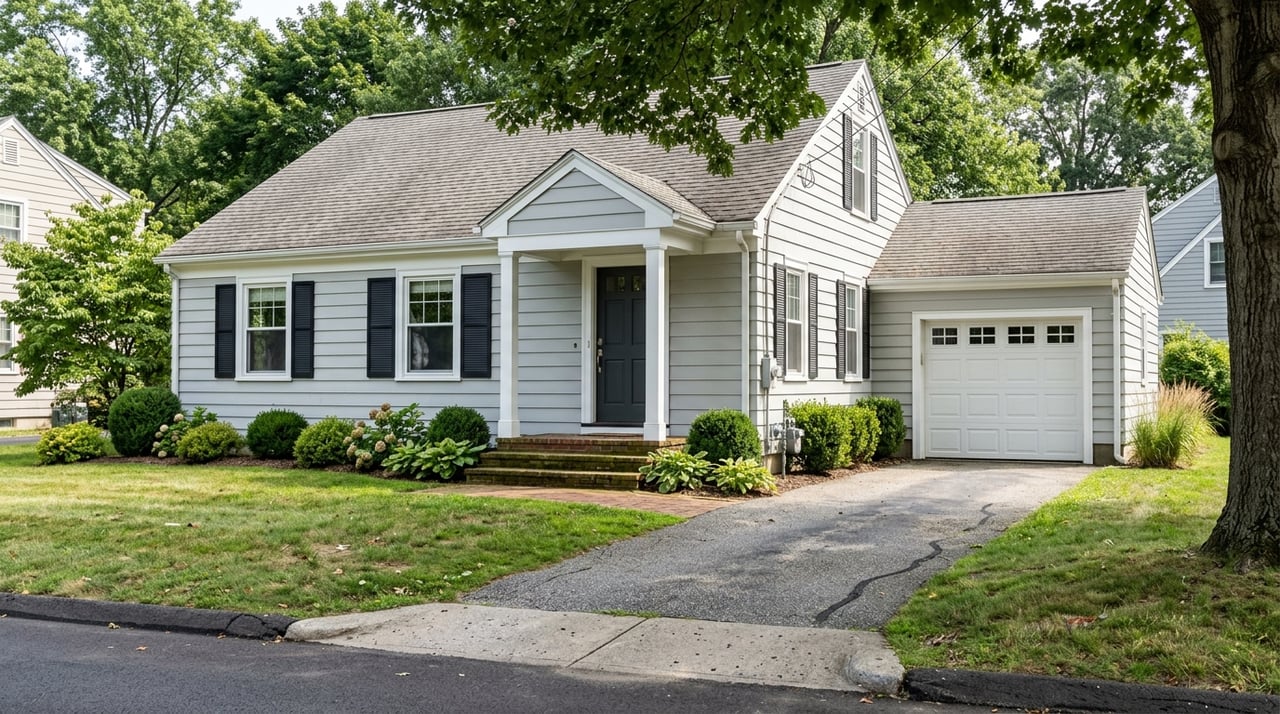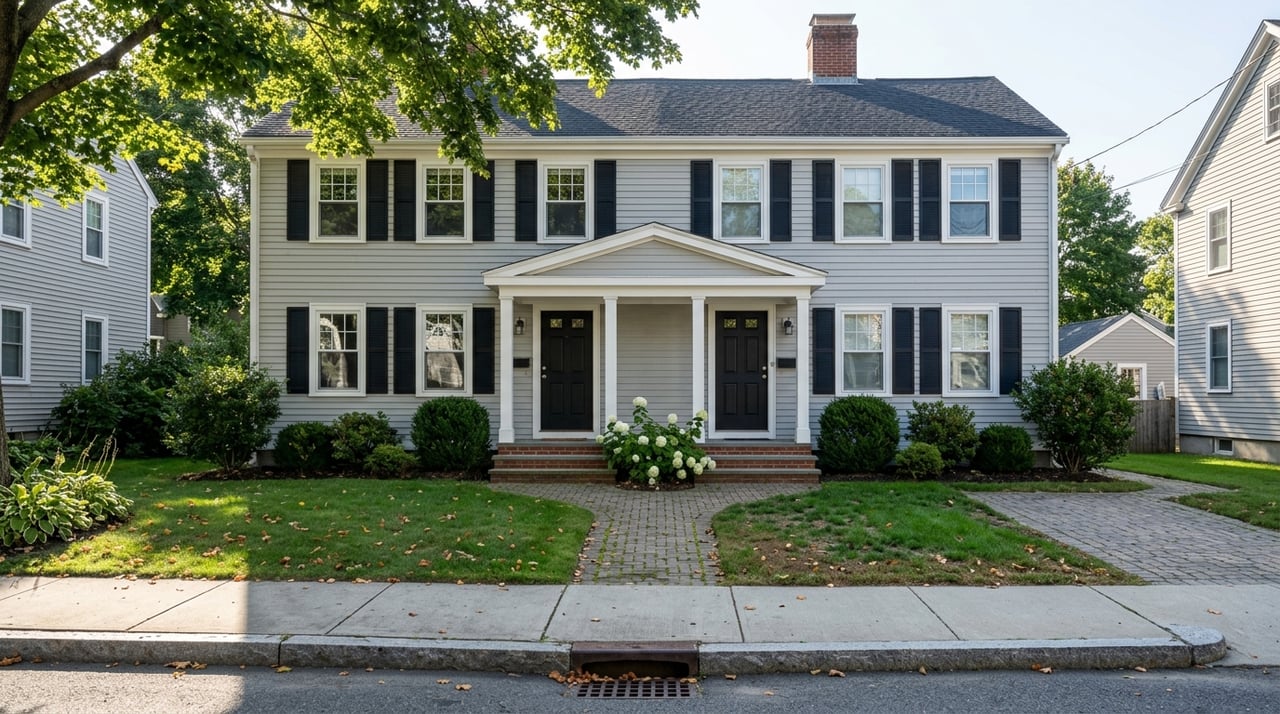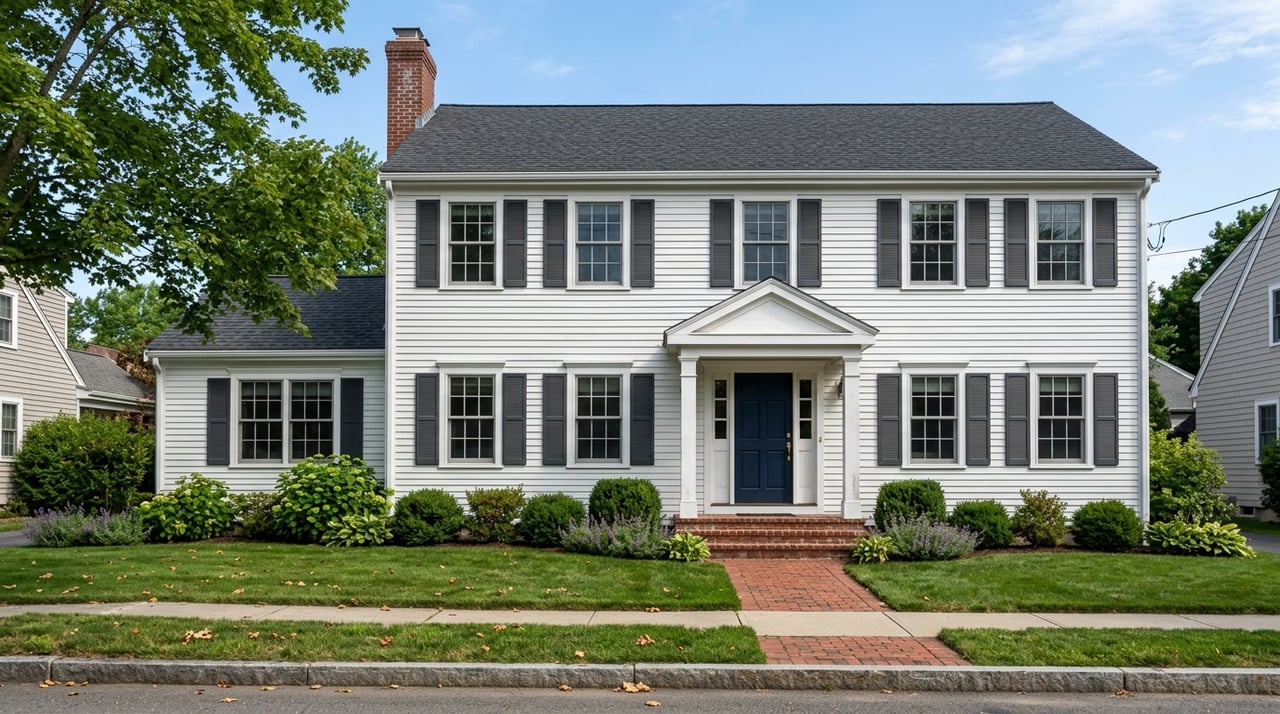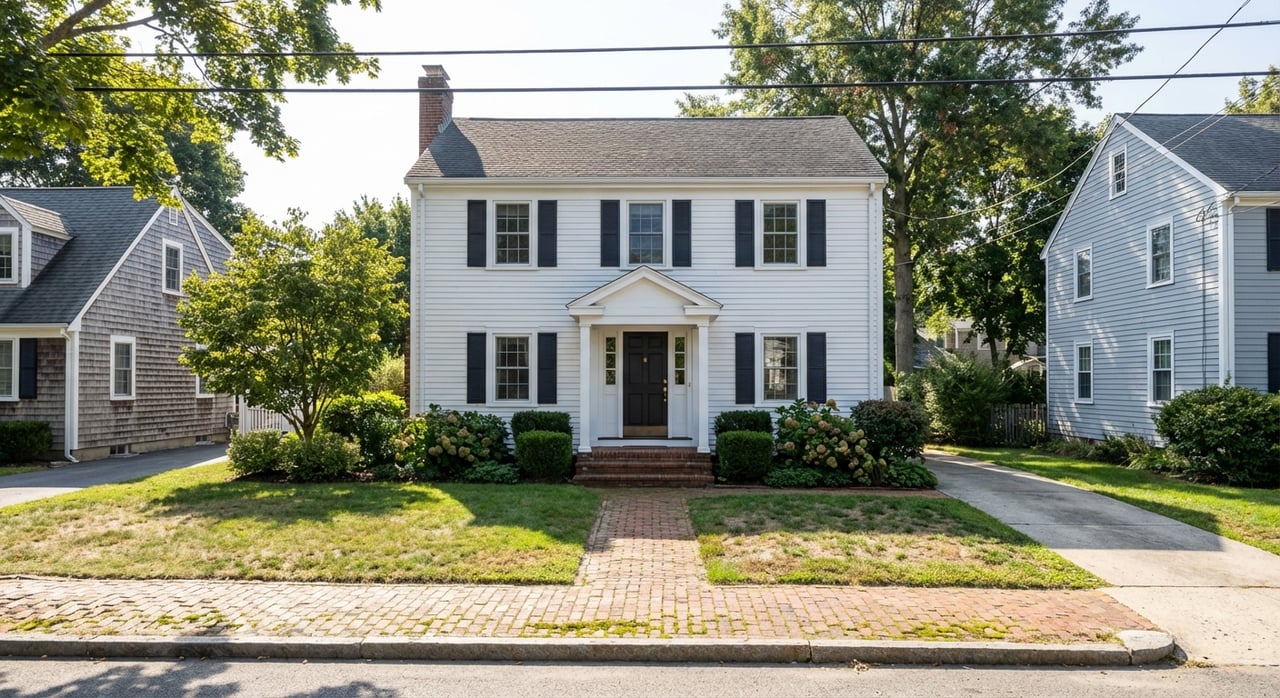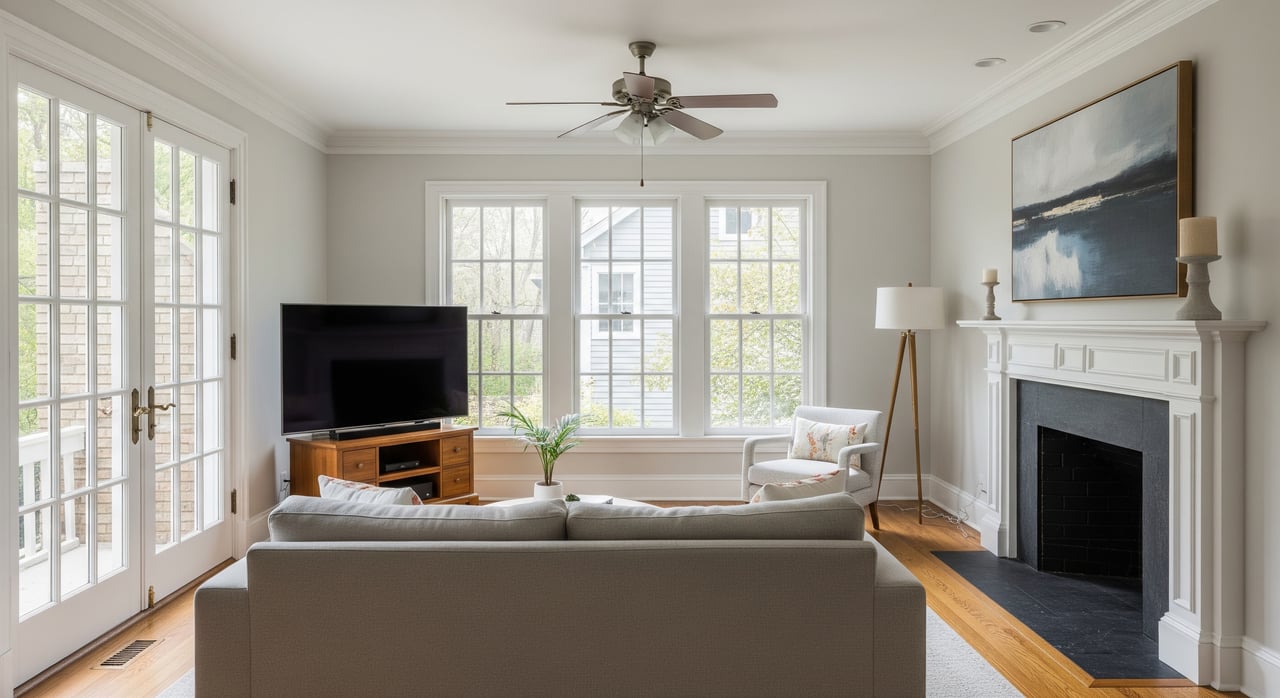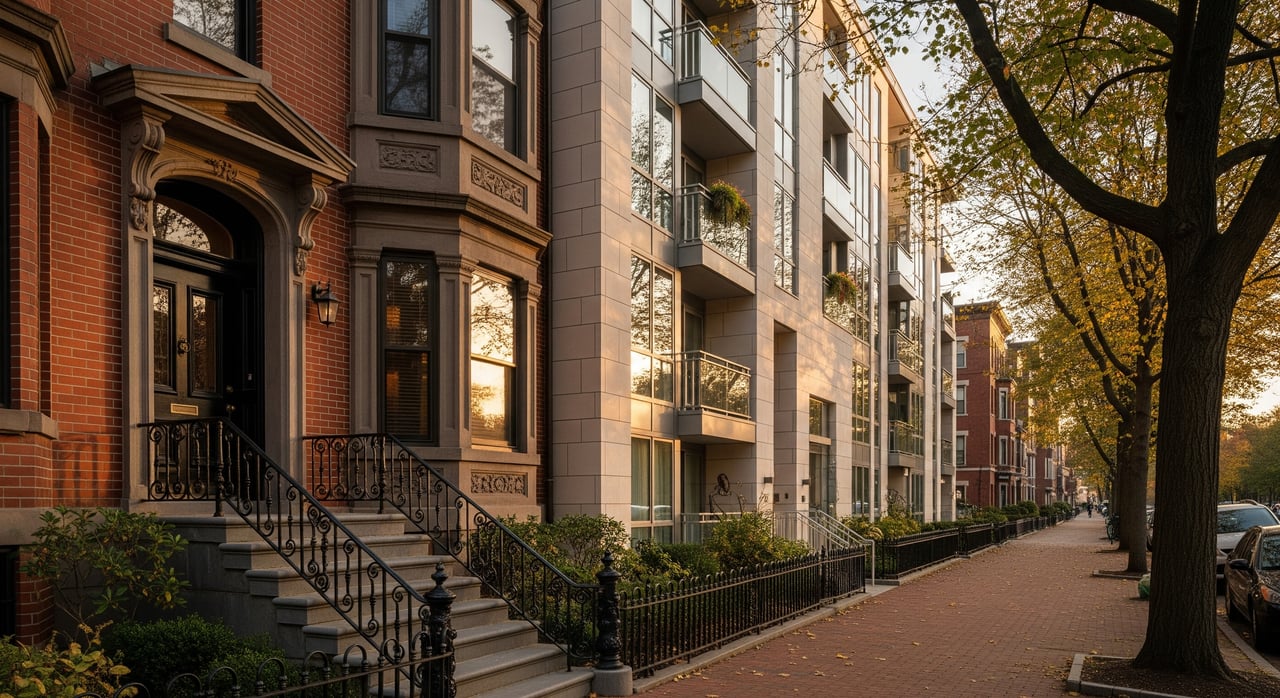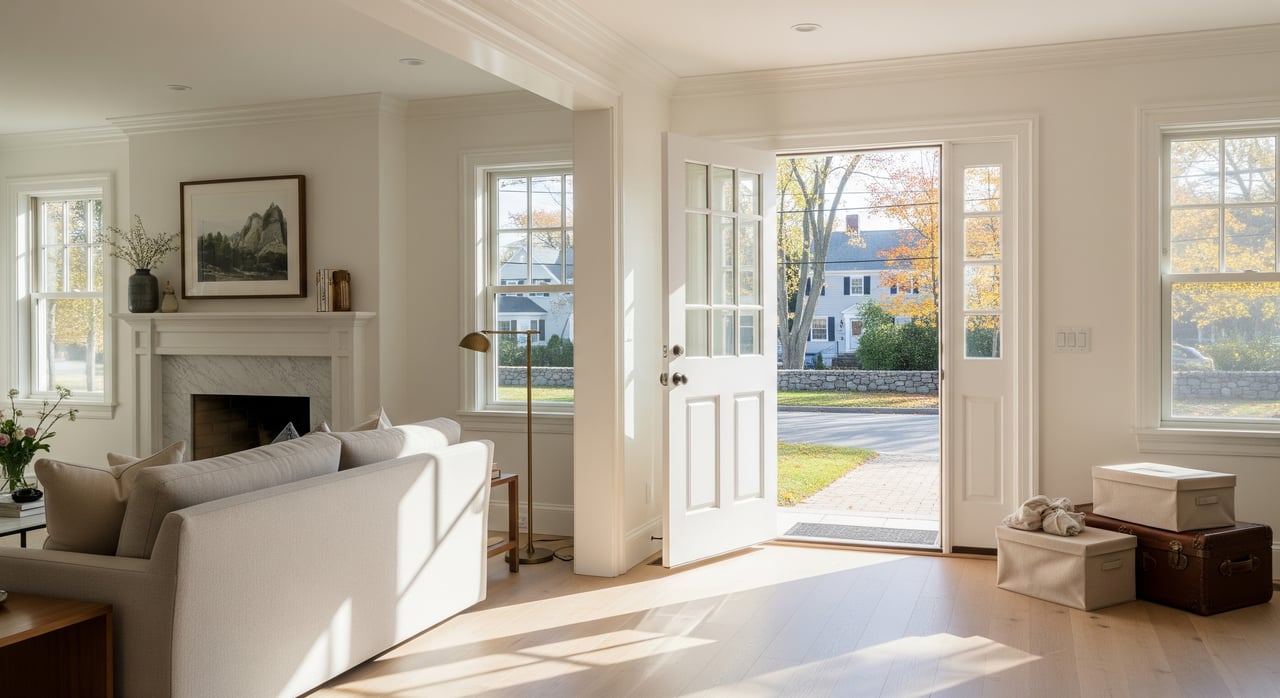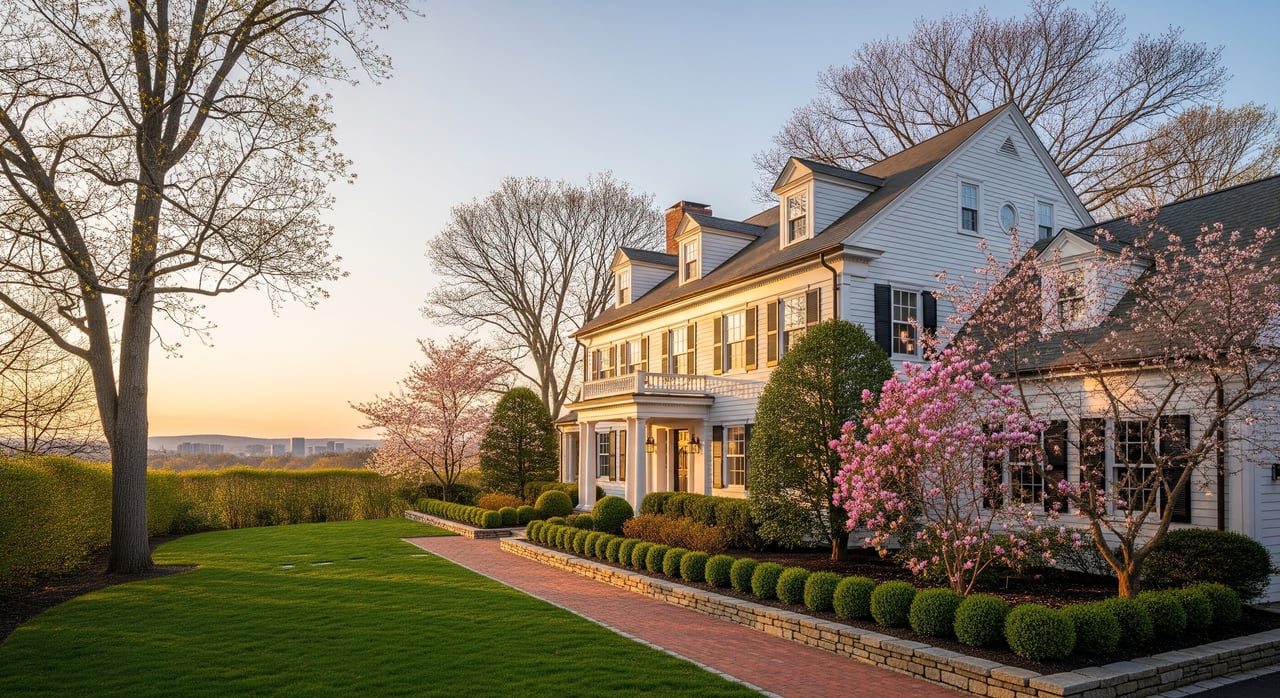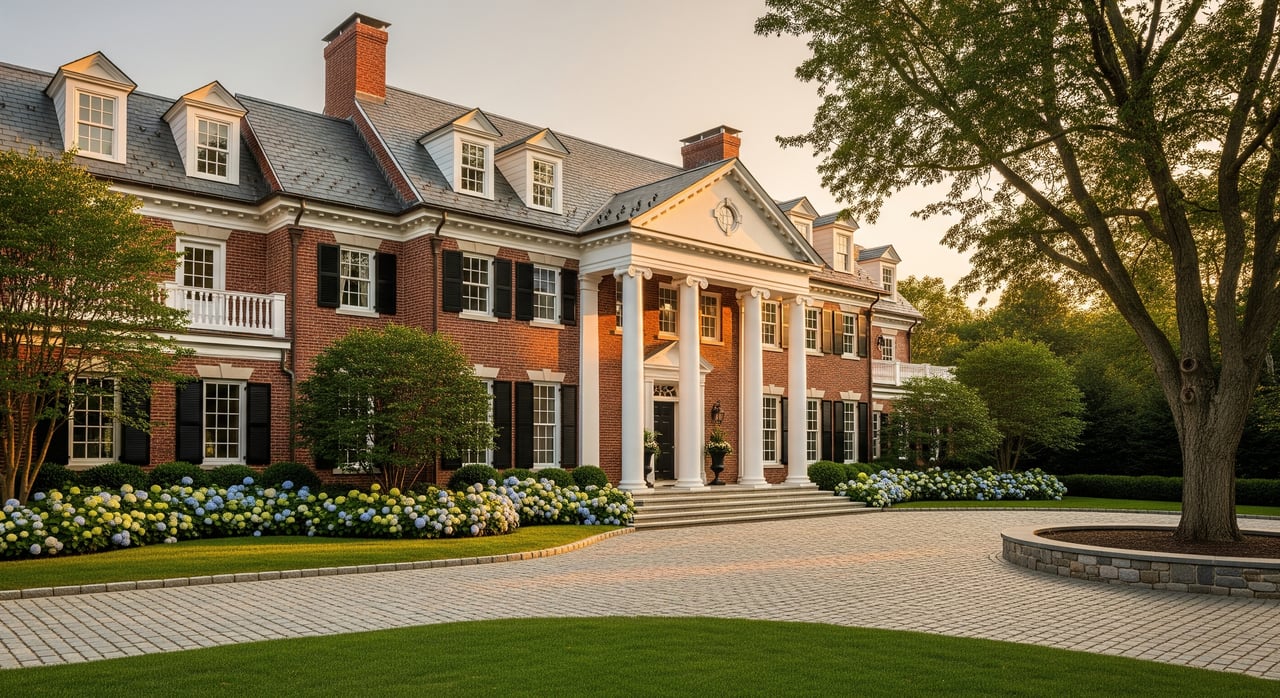
A family that has outgrown their Newton starter home does the obvious thing: they pull up Milton listings and feel a little relief. The median price is lower. Maybe a lot lower. It looks like the same commute, the same rough distance to Boston, for hundreds of thousands less.
Then they start touring, and the relief gets complicated. The house that fits the budget needs a new roof. The one with good bones has a kitchen from 1987. The math that looked so clean on a portal starts to feel like it was hiding something.
It was. Not because anyone lied about the price. Because a median price answers a different question than the one most buyers are actually asking.
The Number Everyone Compares
Start with the numbers a buyer sees first. Redfin's citywide snapshot for Newton put the median sale price at $1.5 million in February 2026, down nearly 10 percent from the year before. Milton's citywide median, measured over the three months ending in May 2026, came in at $1.0 million, up 3.5 percent year over year. Line those up and Newton looks 50 percent more expensive.
But watch how much that Newton number moves depending on which snapshot you grab. A separate spring 2026 market report tracking year-to-date closings put Newton's single-family median closer to $1.42 million, up about 6 percent from a year earlier, the opposite direction of the Redfin figure. Both numbers are real. They cover different months, different property mixes, different slices of the same market. A town as large and active as Newton can produce two headline medians moving in opposite directions within the same season.
Keep that in mind, because it matters more once we get to Milton's smaller pockets.
What Price Per Square Foot Actually Shows
Here is where the story changes. Newton's median sale price works out to $563 per square foot. Milton's works out to $544. That is a gap of about 3.5 percent, not 50 percent.
Do the rough back-of-envelope math and the picture gets clearer. A $1.5 million home at $563 per square foot comes out to roughly 2,660 square feet. A $1.0 million home at $544 per square foot comes out to roughly 1,840 square feet. That is a difference of more than 800 square feet, or close to 45 percent more house in the typical Newton sale.
This is not an exact science. Medians are not matched pairs, and no two homes are interchangeable. But the direction of the gap is the point. Land in Newton is not commanding a dramatically higher price per square foot than land in Milton. What Newton buyers are paying for, mostly, is a bigger house. The town-to-town discount that looks so dramatic on a headline number shrinks to a rounding error once you price the two markets the same way.
| Newton | Milton | |
|---|---|---|
| Median sale price | $1.5M (Feb 2026, citywide) | $1.0M (3-mo. trailing, ending May 2026) |
| Price per square foot | $563 | $544 |
| Implied typical home size | ~2,660 sq ft | ~1,840 sq ft |
| Avg. days on market | Varies by month and village | 20 days, 4 offers on average |
The Twist for Condo Buyers
If the single-family comparison flatters Milton, the condo comparison flips it. One 2026 season market report tracked Milton condo closings at an average of $776,000 year-to-date, up slightly from $773,000 the year before. Newton's condo median for spring 2026 sat closer to $720,000 to $735,000.
That means the town most buyers assume is the cheaper option is actually pricier, on average, for a condo. The comparison isn't perfectly apples to apples, one figure is an average and the other a median, and Milton's condo sample is small. But even allowing for that gap in methodology, the direction is worth sitting with. The "Milton discount" isn't a blanket discount. It shows up in single-family homes and disappears, or reverses, once you're shopping condos.
What 78 Years Of Average Age Buys You
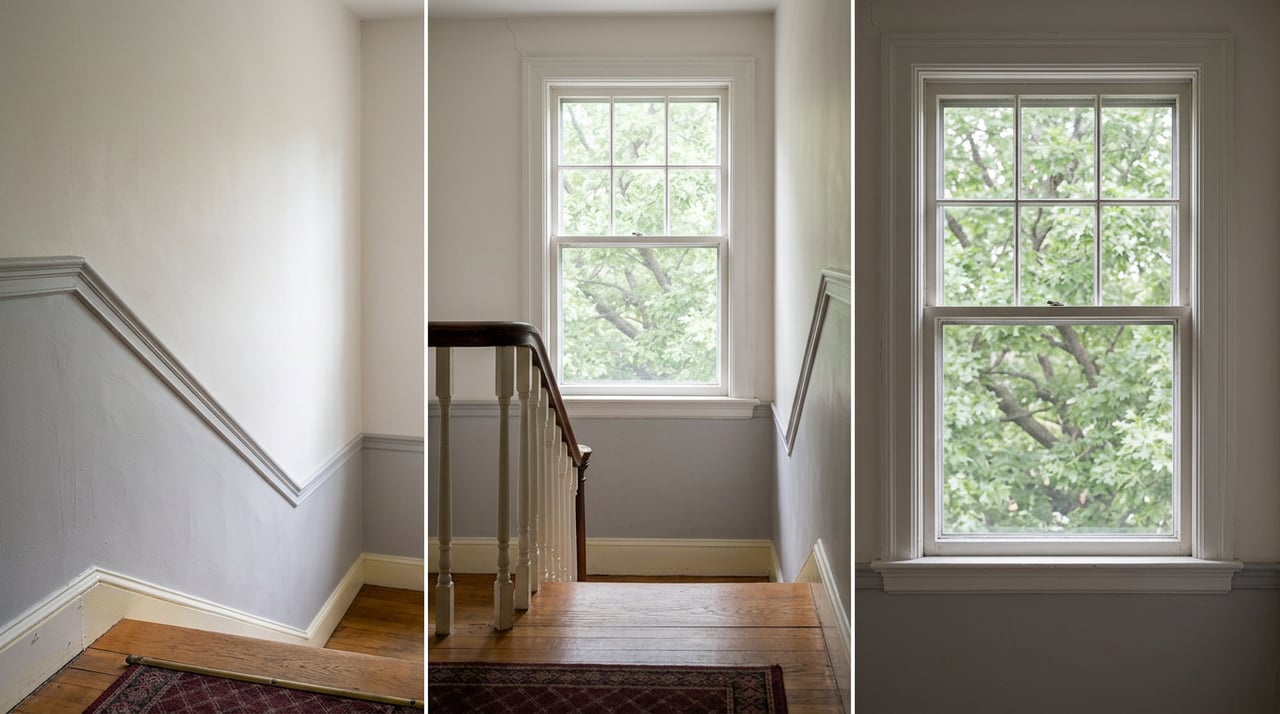
Property data from ATTOM puts Milton's average single-family home at 78 years old, with an average size of 2,183 square feet. That age is the other half of the per-square-foot story. A lower price per square foot in an older housing stock usually means the buyer is inheriting systems, roofs, windows, and mechanicals that a comparably priced Newton home may have already had updated.
This is the part of the comparison that a spreadsheet can't do for you, and it's the part where a construction finance background actually earns its keep. Two houses can carry the same price per square foot and still cost very different amounts to own for the next ten years, depending on when the roof was last replaced or whether the heating system is original. Before you let a lower Milton number talk you into a bigger house, it's worth pricing out what bringing that house up to your standard will actually cost, not what the listing says it's worth today.
The Village-Level Trap
Town-wide numbers can mislead. Village-level numbers can mislead worse.
Milton Center, the town's own historic village, posted a median sale price of $937,000 over the three months ending in May 2026, down 22.5 percent from the same period a year earlier. Compare that to the town-wide Milton figure over the same window, up 3.5 percent, and you have two numbers from the same town moving in opposite directions by a combined 26 points.
The 22.5 percent decline does not by itself mean Milton Center homes lost a quarter of their value in a year. Only 8 homes sold in Milton Center in May 2026, down from 15 the year before. But that is the May count, while the reported median covers the three months ending in May, so the two figures describe different windows.
If someone tells you "Milton Center is down 20 percent," the honest follow-up question is how many sales that number is built on. A town-wide median needs dozens of closings to mean much. A village-level median needs even more scrutiny, not less.
Before trusting any hyperlocal price you're handed, ask:
- How many sales make up that number, and over what window?
- Is it blending single-family homes and condos, or is it one property type?
- Is it a median, which resists outliers, or an average, which doesn't?
What This Means If You're Cross-Shopping This Fall
None of this means Milton is a bad move. It means the comparison most buyers make, town-wide median against town-wide median, tells you less than it appears to. Milton is still a competitive market for single-family homes. One 2026 season report put single-family months of supply at 1.6, homes selling at an average of 104.5 percent of list price, and an average of 24 days to offer. That is a seller's market by any conventional read, lower headline price or not.
Part of the draw is geography that a spreadsheet won't show you either. Milton's southern edge runs into the Blue Hills Reservation, thousands of acres of protected woods, ponds, and trails that put a hard limit on how much new construction can crowd the town's borders. That kind of constraint tends to support long-term value even when a single month's median looks soft.
The real comparison a Newton-to-Milton buyer should make isn't "which town's median is lower." It's price per square foot, adjusted for the age and condition of what you're actually buying, with a realistic number attached to the renovation work an older home is likely to need. That is a very different question than the one most portals answer for you.
A Few Common Questions
Is Milton actually cheaper than Newton? For single-family homes, the gap is real but smaller than the headline medians suggest once you account for home size. For condos, the gap narrows or reverses depending on the period measured.
Should I plan for a bigger renovation budget if I buy in Milton? Given that Milton's average single-family home is close to 80 years old, it's reasonable to expect systems, roofing, or mechanicals that haven't been updated in decades. Pricing that work in before you make an offer, rather than after, is the difference between a good deal and a house that ends up costing what a renovated Newton home would have.
How do I know if a village-level price I've seen is reliable? Ask how many sales it's based on. If the answer is fewer than a dozen in the reported window, treat the number as a starting point for conversation, not a conclusion.
If you're weighing a move from a Newton budget into a Milton house, or trying to figure out what a lower price per square foot will actually cost you once the renovation math is done, Anne Kennedy can walk the real comps with you, property by property, using the same construction finance lens behind every pricing conversation. If part of the plan involves selling a Newton home to fund the move, that's also where to start: get your free home valuation and let's figure out what your next step actually looks like, numbers included.